
 Bitaigen Research
 What Is an NFT (Non‑Fungible Token)?
NFT (Non‑Fungible Token) refers to a digital asset on a blockchain that has a unique identifier and cannot be interchanged on a one‑to‑one basis. Common forms include collectibles, in‑game items, digital art, event tickets, domain names, and even ownership records of physical assets. To grasp its essence, think of everyday non‑fungible objects—chairs, smartphones, computers—each distinct and not substitutable for another.
From technological evolution and hot projects to ecosystem implementation, we map the full trajectory of NFTs. By breaking it down step by step, readers can quickly master the concept of non‑fungible tokens, the current market landscape, and future trends, saving time on sifting through scattered information and gaining a comprehensive view in a short read.
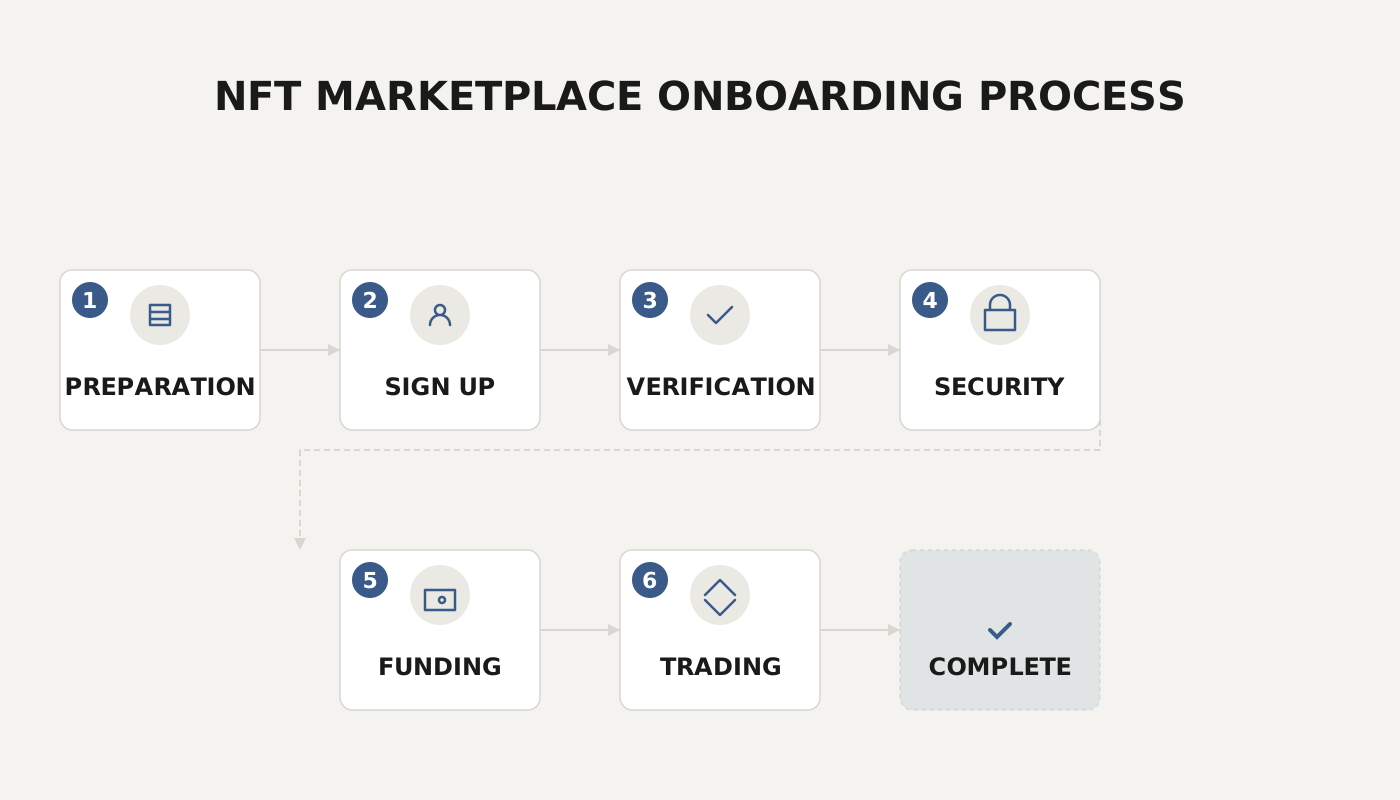
A One‑Stop Overview of NFT Development History
Understanding the Overall NFT Market Size
- Historical total transaction volume: $96,186,581.56 USD (data as of 2020‑06‑05)
- Average monthly transaction volume: $2,581,233.01 USD (data as of 2020‑06‑05)
- Average price: $20.90 USD (data as of 2020‑06‑05)
- Total wallets on OpenSea: 18,552 (data as of 2020‑04‑27)
These figures indicate that, although the *potential* total value of the NFT market could eventually reach several trillion USD, it is still in a nascent stage. Only after a fully functional, healthy “metaverse” ecosystem materialises can such scale become realistic.
To date, the NFT market has accumulated roughly $100 million USD in transaction volume. Its origin date is debated:
- Most people point to the December 2017 boom of CryptoKitties as the spark that ignited NFTs.
- In fact, the very first NFT project on Ethereum, CryptoPunks, launched in June 2017.
- Even earlier non‑Ethereum NFTs, such as Rare Pepes on the Counterparty chain, trace back to around 2014.
Taking industry consensus, we treat December 2017 – CryptoKitties as the starting point because its trading volume surged dramatically, marking the formal emergence of the NFT ecosystem. Compared with Bitcoin (≈ 11 years) and traditional finance (hundreds of years), the NFT market is only about two and a half years old—still immature—but its average monthly turnover has stabilized around $2 million USD.
A noteworthy metric is the roughly 18.5 k active wallets on the OpenSea platform, which offers a reference for estimating the size of the NFT user base. Based on project characteristics, existing NFT projects can be grouped into six categories:
Collectibles, Game Assets, Virtual Worlds, Crypto Art, Cultural Tokens, Others
Below, each category is examined in detail.
Collectibles
- Representative projects: CryptoPunks, CryptoKitties, Avastars, etc.
- Historical total transaction volume: about $37,618,057 USD
- Average monthly transaction volume: about $375,521 USD
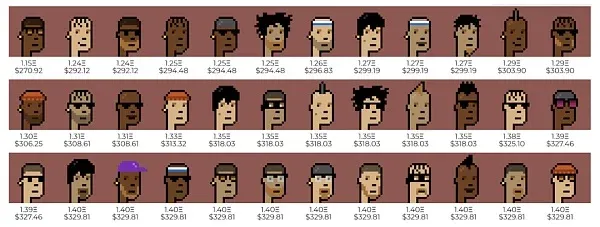
Collectible‑type NFTs are primarily valued for their commemorative or aesthetic appeal and have minimal functional utility. Rare coins, signed memorabilia, scarce books, etc., can be displayed but do not provide practical usage. Projects such as CryptoPunks and Avastars serve mainly as social‑media avatars or brag‑worthy digital trophies. CryptoKitties lets players “raise cats” and breed offspring with rare traits, yet those virtual cats also lack substantive use cases and remain within the collectibles realm.
Game Assets
- Representative projects: Gods Unchained, Axie Infinity, My Crypto Heroes, CryptoSpaceCommanders, etc.
- Historical total transaction volume: about $10,568,255 USD
- Average monthly transaction volume: about $167,956 USD
Game assets possess unique attributes and statistics that grant them clear utility within their respective game ecosystems. For example, Axie Infinity resembles Pokémon: each Axie has attribute scores that directly affect battle outcomes.
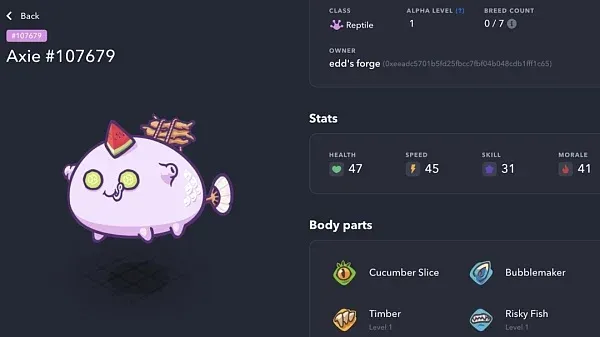
*Purchasing Axie #107679*
Card‑based games such as Gods Unchained use NFTs to confer true ownership and tradability of cards. While current blockchain technology still imposes limits on game functionality, it is foreseeable that over the next few years, game assets will become a major growth driver for the NFT ecosystem.
Virtual Worlds
- Representative projects: Decentraland, Cryptovoxels, Somnium Space, The Sandbox, etc.
- Historical total transaction volume: about $27,516,010 USD
- Estimated monthly transaction volume: about $986,489 USD
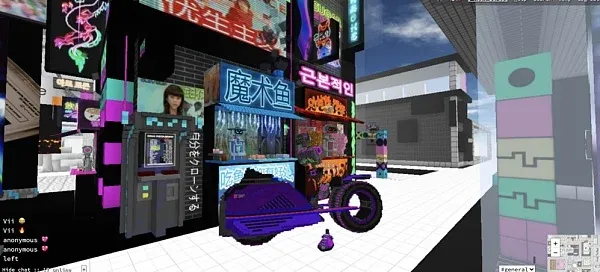
*The streets of Cryptovoxels – a user‑controlled world*
Virtual worlds offer virtually limitless creative space. Users can build residences, art galleries, e‑commerce storefronts, or mini‑games on land they own. “Land” is essentially ownership of a piece of cyberspace; holders can generate revenue through advertising, leasing, or selling digital goods.
Unlike traditional platforms (e.g., Facebook) that capture value created by users without sharing profits, blockchain‑based virtual worlds let creators directly benefit as the platform’s overall value rises, creating a strong network effect.
Crypto Art
- Representative projects: Async Art, SuperRare, Nifty Gateway, KnownOrigin, MakersPlace, etc.
- Historical total transaction volume: about $1,725,391 USD
- Average monthly transaction volume: about $303,261 USD
Crypto art consists of digitally tokenised artworks on the blockchain. Though they lack direct functional use, they provide artists with a brand‑new revenue stream. Traditional galleries often charge up to 50 % commission, whereas NFTs enable creators to sell directly on a global, decentralized financial network and retain the full proceeds.
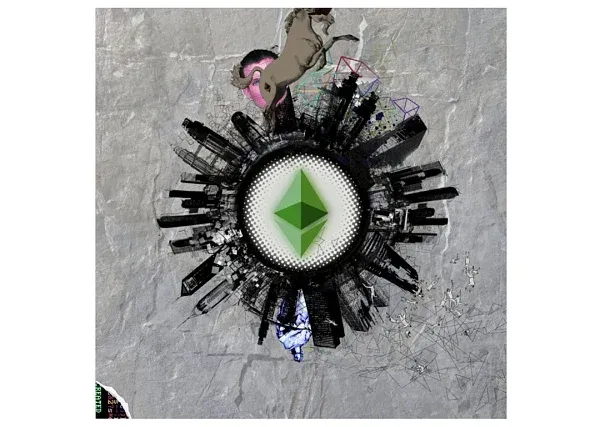
*“Ether Makes the Moon go Around” on Async Art, a collaboration between mlibty, Gary Cartlidge, and PR1MAL CYPHER*
Immersive digital formats (GIFs, videos, AR) far surpass static canvases, and they are easily displayed and shared in virtual social spaces, further enhancing collectible value.
Cultural Tokens
- Representative projects: n0wear, Zora, Foundation, etc.
- Historical total transaction volume: not disclosed
- Average monthly transaction volume: not disclosed
Cultural tokens (also known as fashion tokens) usually have limited functionality and primarily signal the holder’s personality or status. They can represent virtual clothing, physical apparel, or digital proof of ownership for music albums.
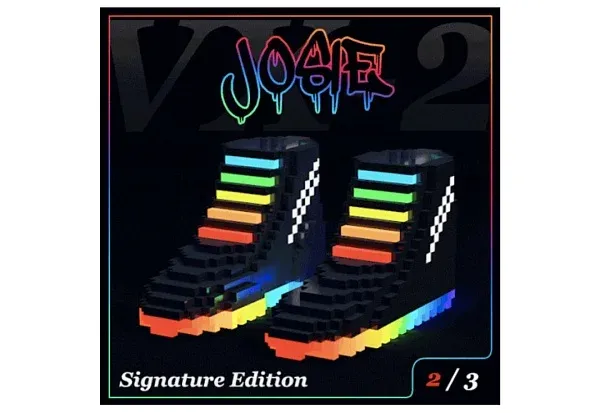
*Signature‑edition Josie n0wear shoes created for Cryptovoxels*
These tokens can be traded directly on digital platforms or redeemed for physical items (e.g., limited‑edition T‑shirts). Project teams often adopt a pre‑sale model: tokens are issued before the actual product launch, allowing creators to fund production without upfront capital and to gauge market demand early.
---
This completes the comprehensive walkthrough titled “A One‑Stop Overview of NFT Non‑Fungible Token Development History.” For the latest news on NFTs and non‑fungible tokens, feel free to explore additional articles from Bitaigen (比特根).
*Note: Depending on your jurisdiction, gains from cryptocurrency transactions—including NFT sales—may be subject to tax. Please consult a local tax professional for guidance.*
Related Reading
- NFT FAQ: Concepts, Creation, Buying & Evaluation Guide
- ALGO Outlook: Security, Scalability & Decentralization
- BNB Chain vs BEP-20: Key Differences and How They Work Together
💡 Register on Binance with referral code B2345 for the maximum trading fee discount. See Binance complete guide.



