
 Bitaigen Research
 OpenSea platform token is OOE, launched on Polkastarter on July 9 2021 at a price of $0.04 per token, with a total supply of 3.75 million tokens. The individual purchase limit is $150,000, and participation is only allowed after completing KYC verification.
The Bitagen editorial team has compiled an overview of the native token of the OpenSea platform and its issuance background, and provides a detailed explanation of how to use this token for low‑cost cross‑chain operations within the NFT market. This article includes a hands‑on tutorial to help beginners get started quickly. For more details and future plans, continue reading.
What is the OpenSea platform token?
The OpenSea platform token (ticker OOE) went live on the Polkastarter launchpad at 22:00 (Beijing Time) on July 9 2021. Each token was priced at $0.04, payable in BNB. A total of 3.75 million tokens were issued, and the maximum subscription per individual was $150,000. After the IDO concluded, the tokens were not immediately minted on‑chain or distributed; distribution will occur after a subsequent official announcement. The list of usernames that have passed KYC and whitelist review has already been published.
OpenSea Platform Usage Guide
OpenSea is currently one of the most active marketplaces in the NFT ecosystem. If you want to interact with NFTs at a low cost while Ethereum gas fees remain high, you can use Polygon (Matic) by following the steps below.
1. Cross‑chain preparation
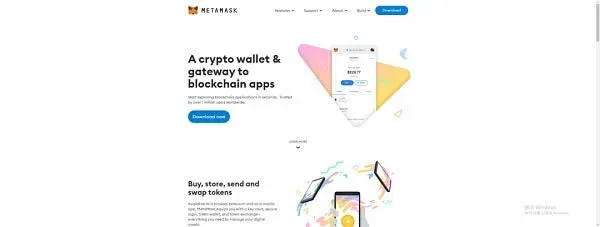
- Create a MetaMask wallet (commonly called “the little fox”). You can register directly on the official site: https://metamask.io/
- Connect to the Polygon network
- Visit https://chainlist.org/, search for “Polygon”, and select the network with Chain ID 137.
- Click “Add to wallet”; a permission prompt will appear in the upper‑right corner of your browser—accept all requests.
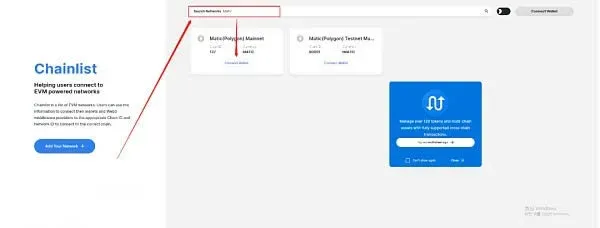
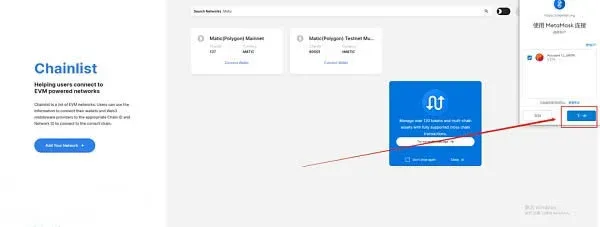
- Confirm the network switch
- Open MetaMask; the network should now show Polygon instead of the Ethereum mainnet.
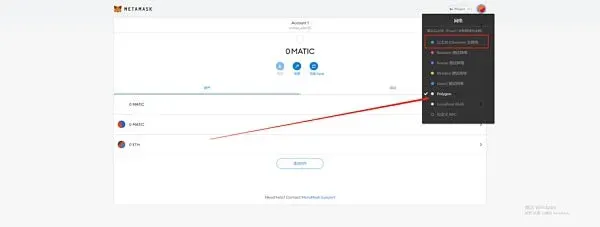
- Add the relevant tokens
- Go to https://wallet.matic.network/ and connect your wallet.
- In the search bar, type “MATIC” and “WETH”. For each token, click the three‑dot icon on the right and select “Add Token”.
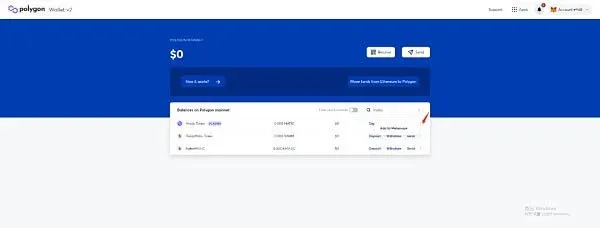
2. Detailed workflow for purchasing an NFT
- Obtain MATIC: Purchase MATIC on an exchange that supports Polygon, then withdraw it to your wallet. When withdrawing, choose the Polygon network and double‑check the destination address.
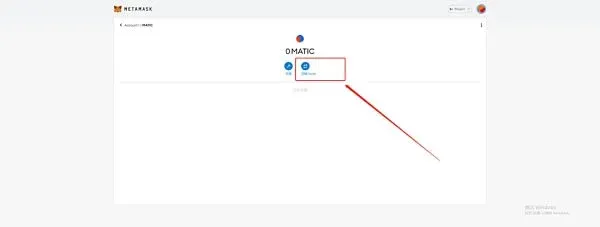
- Swap to WETH: Within your wallet, use the built‑in swap function to convert MATIC into WETH (Wrapped Ether), which is required for transactions on OpenSea.
- Visit OpenSea: Open https://opensea.io/ and authorize your wallet. Click the Marketplace button at the top‑right corner to enter the NFT market.
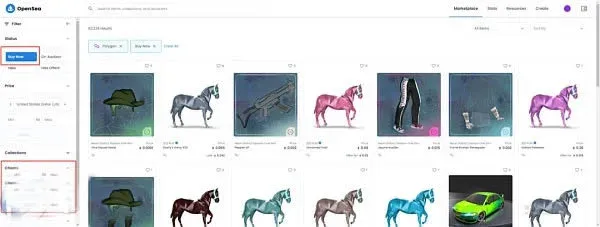
- Select the chain and place an order
- In the upper‑left corner of the page, switch the blockchain to Polygon.
- Browse the listings, pick the NFT you like, click Buy Now, and follow the on‑screen prompts to complete the payment.
- Sell the NFT: If you wish to resell, go to My Profile at the top‑right of the wallet interface, and follow the instructions to list your item for sale.
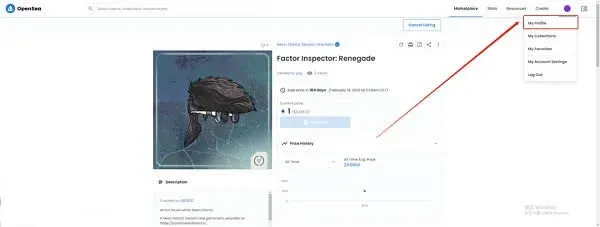
Practical test: After spending roughly 5 MATIC to complete a full cross‑chain transfer, purchase, and holding cycle, about 2.5 MATIC remained, demonstrating a very low overall cost.
Precautions
- When conducting airdrops or purchases on the Ethereum chain, each wallet must be linked to a distinct email address; the Polygon chain does not require this step, so it is generally advisable to prioritize Polygon.
- Before using any platform, carefully evaluate its reliability, security, usability, and stability, and make a decision that aligns with your personal asset size and risk tolerance.
---
The above outlines the OpenSea platform token and how it can be employed in NFT transactions. For more NFT‑related news, follow Bitagen (比特根) and explore its other articles.
💡 Register on Binance with referral code B2345 for the maximum trading fee discount. See Binance complete guide.



