
 Bitaigen Research
In this article we systematically review the Solana‑based AI‑Meme project PIPPIN, dissecting its technical implementation, token model and ecosystem layout, and assessing its long‑term potential. For a complete understanding of its core mechanisms and investment perspective, we recommend reading the full analysis.
Tokenomics
Token name: $PINPIN
Launch date: 9 November 2024
Total supply: 10 billion tokens
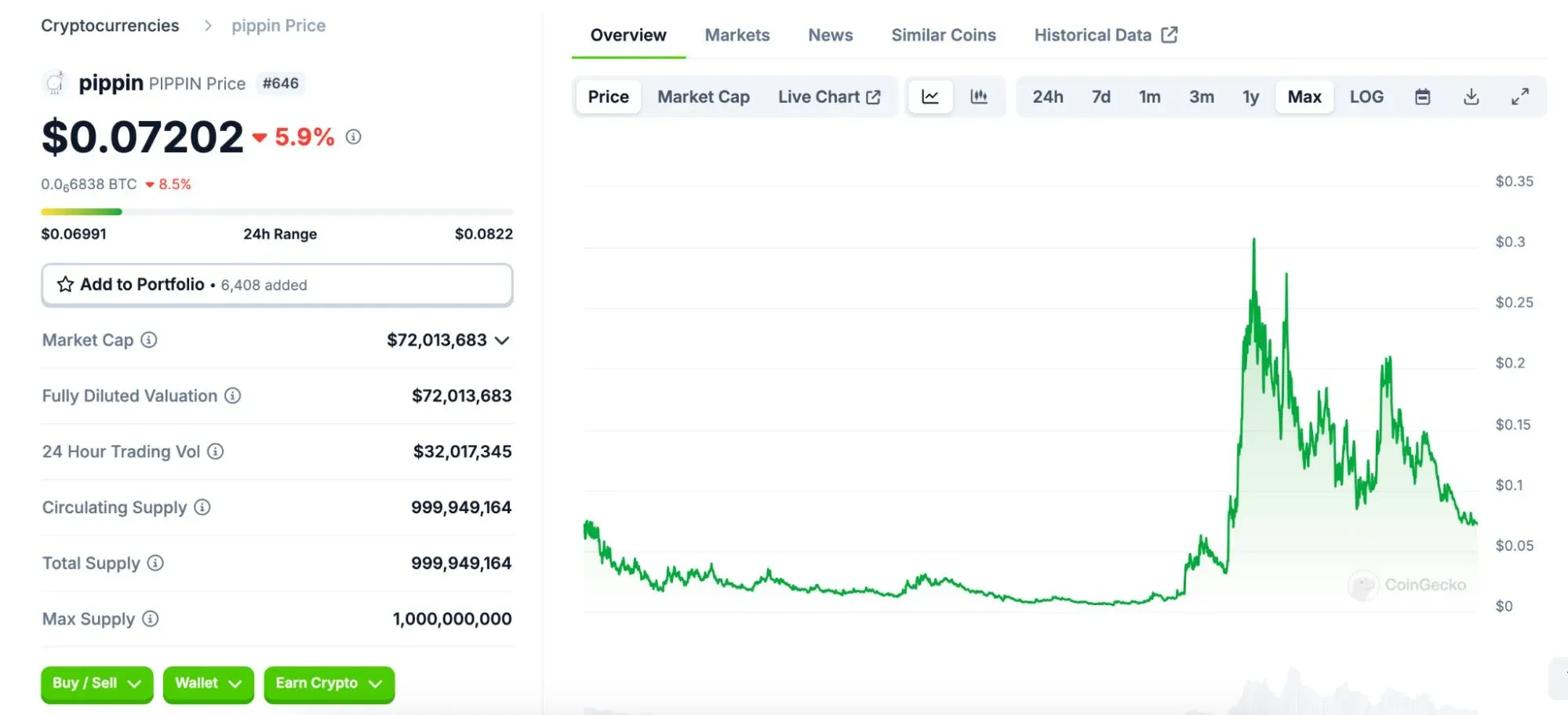
Market cap: US $72.01 million (as of 30 January 2025)
All‑time high market cap: approximately US $300 million (11 January 2025)
Contract address: Dfh5DzRgSvvCFDoYc2ciTkMrbDfRKybA4SoFbPmApump
What is Pippin?
Pippin (code‑named PIPPIN) is an AI Meme token that runs on the Solana ecosystem, launched by Yohei Nakajima. Its core is a modular AI‑agent framework designed to give developers and content creators intuitive, scalable tools for rapidly building digital assistants that can make autonomous decisions and collaborate across multiple platforms. Users can configure AI roles, define goals and constraints within the framework, and achieve automated task execution and coordination through blockchain, Slack and custom APIs.
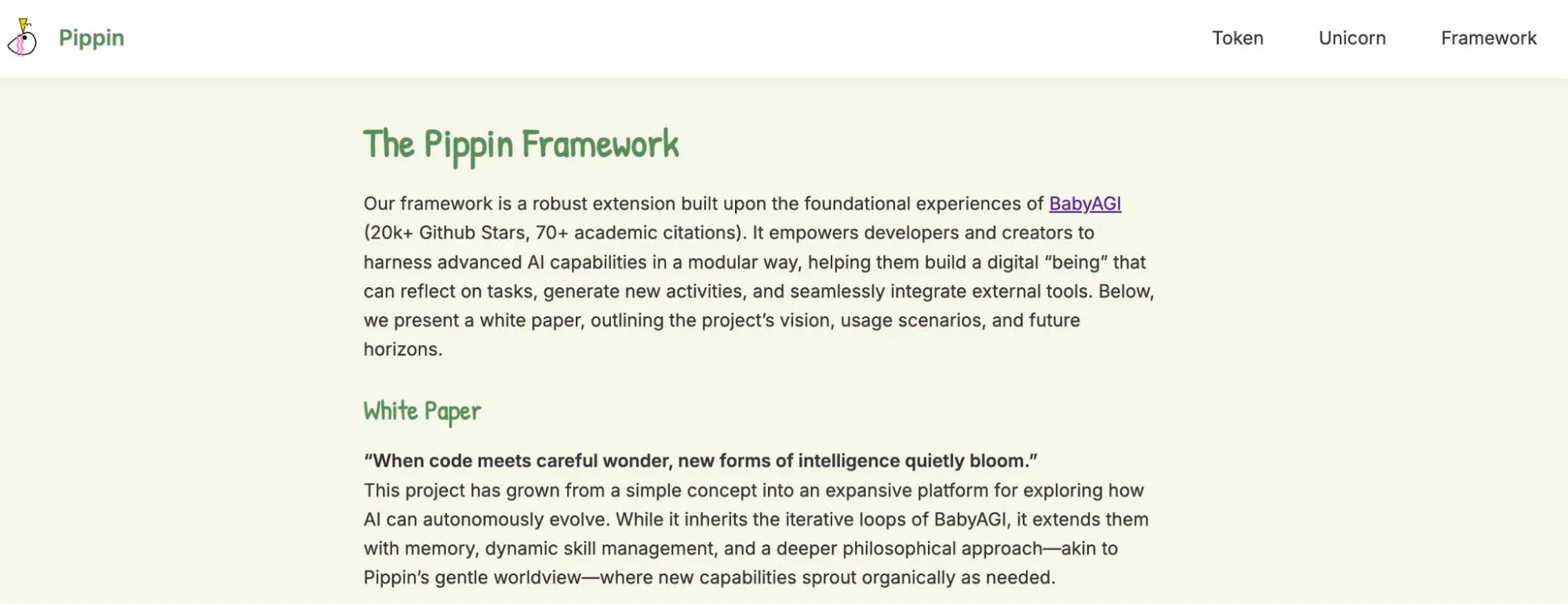
Source: https://pippin.love/framework.html
Background and Origin
The project’s inspiration came when Yohei Nakajima, while experimenting with AI‑generated SVGs, accidentally prompted ChatGPT o1‑mini to draw a unicorn and name it “Pippin”. The image quickly went viral on social media, prompting him to turn the character into a Solana‑based meme coin and to build an AI‑influenced project using the BabyAGI architecture. Subsequently, Pippin formed communities on Telegram and X (formerly Twitter), spawning emojis, tools and lively discussions around its cartoon mascot.

Source: https://yoheinakajima.com/pippin-an-ai-powered-unicorn/
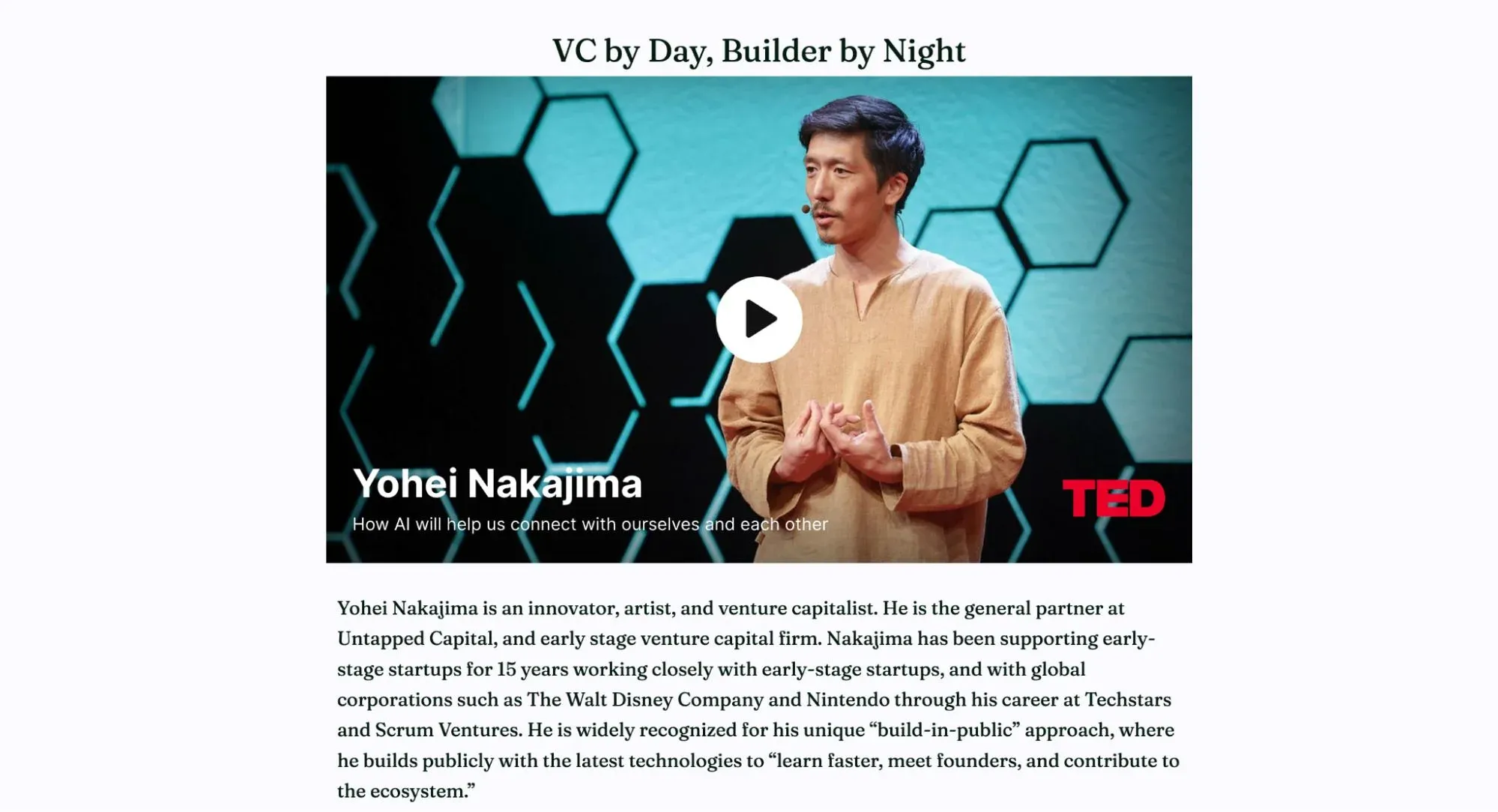
Yohei Nakajima is an active figure in the open‑source community. His BabyAGI project has accumulated over 20.9 k stars on GitHub and has been cited in more than 70 academic papers, providing a solid technical foundation for Pippin.
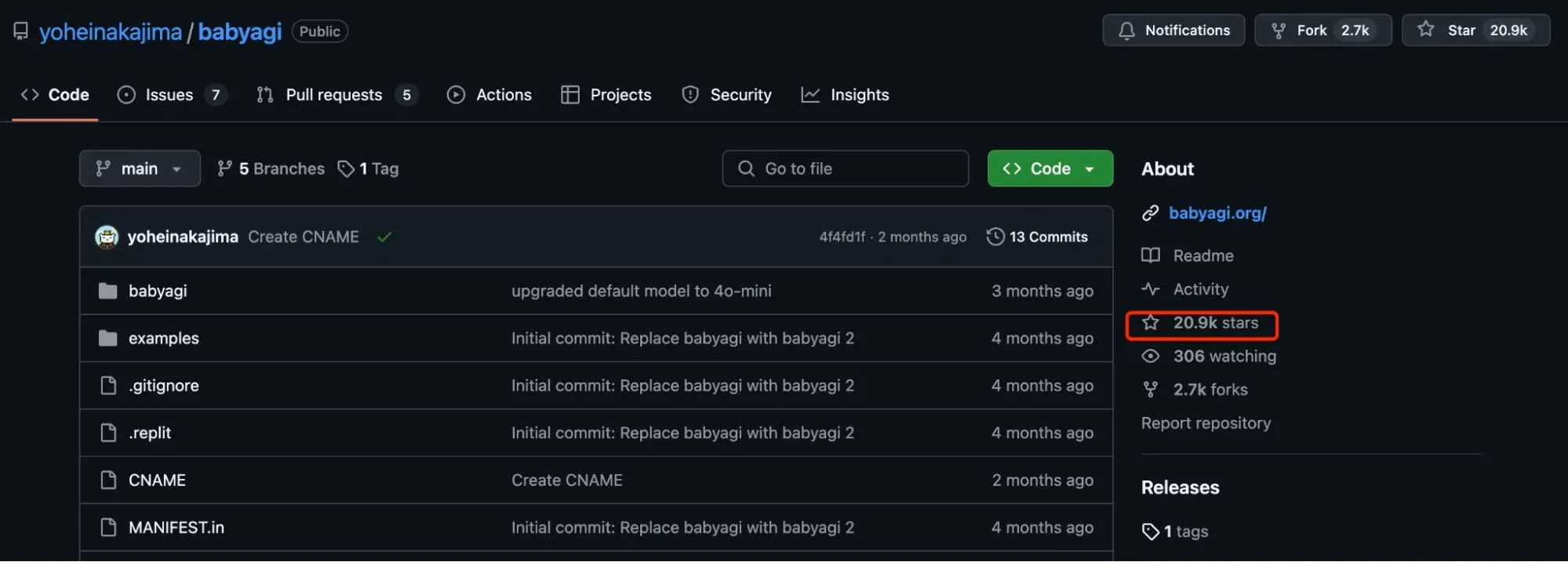
Source: https://github.com/yoheinakajima/babyagi
At the same time, Yohei manages a venture‑capital fund that supports multiple AI projects with technical and resource backing, attracting attention from industry figures such as the founder of ai16z, the head of Visa’s crypto business, and a co‑founder of Electric Capital.
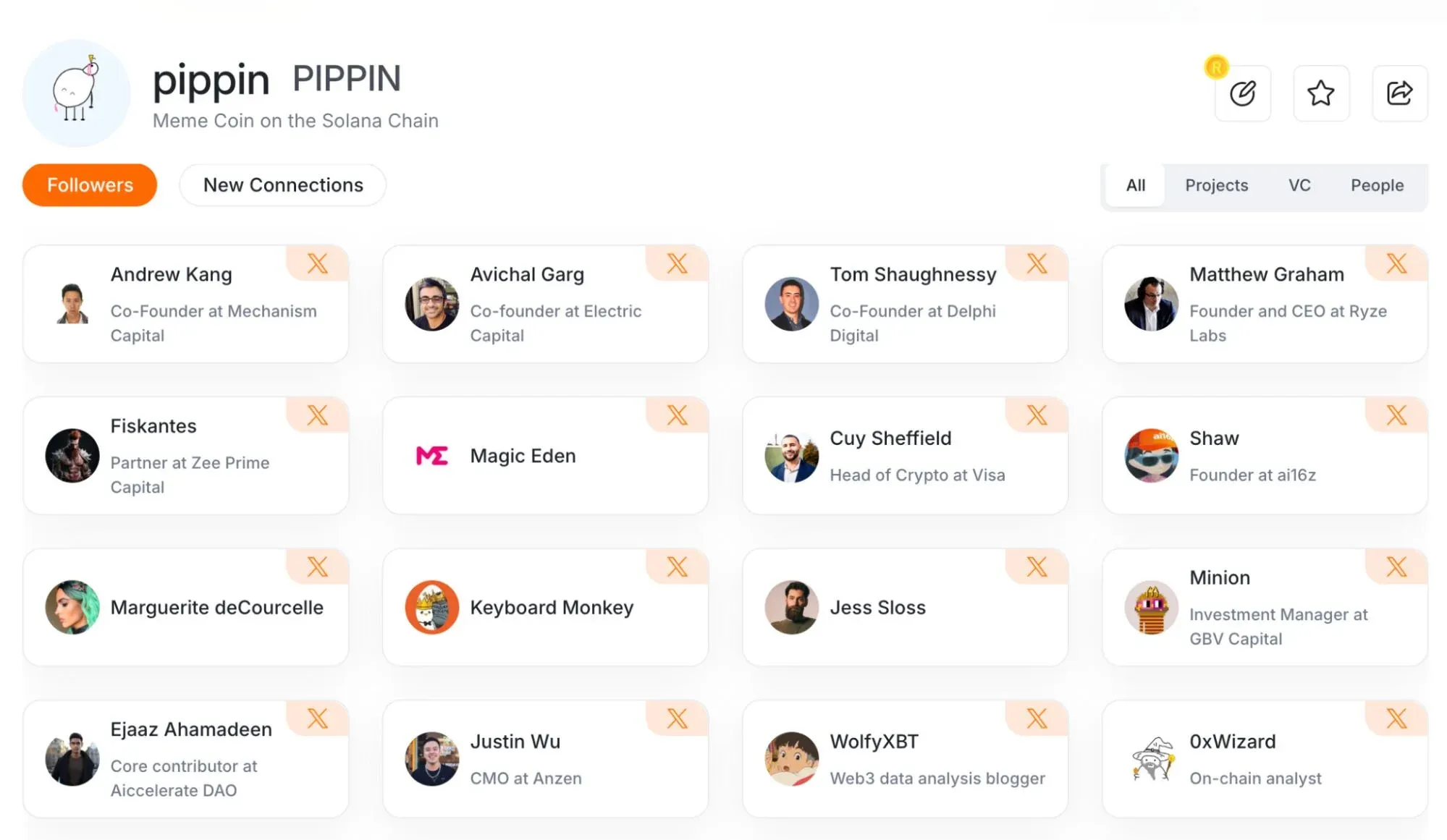
Source: https://www.rootdata.com/Projects/detail/pippin?k=MTU3MjU%3D
Source: https://yoheinakajima.com/
Design Philosophy
Pippin’s framework draws inspiration from “Pippinian Naturalism”, treating AI as a component of a digital ecosystem and emphasizing the continuous evolution of memory, constraints and goals. The central idea is to let AI discover “small miracles” while performing tasks, learning through feedback loops of success and failure.
The built‑in dynamic memory system blends short‑term and long‑term data, recording the outcome of every task to inform subsequent decisions, thereby shaping a unique behavioral pattern for the AI. An activity‑generation mechanism supports the dynamic expansion of skills, allowing everything from basic text handling to complex code deployment to be highly personalized and adaptable.
The design is applicable to content creation, intelligent assistants, educational interaction, AI‑driven marketing and DevOps scenarios. As a successor to BabyAGI, Pippin achieves notable breakthroughs in modularity and dynamic extensibility.
Technical Framework
BabyAGI – The Foundation of Pippin
BabyAGI is an open‑source Python script released by Yohei Nakajima in 2023, intended to build an AI‑driven task‑management system. It leverages the OpenAI API together with a vector database (e.g., Chroma or Weaviate) to create, prioritize and execute tasks. Its basic loop works as follows:
- Pull the first task from the task list;
- Hand the task to an execution agent that uses OpenAI to complete it;
- Vectorize the result and store it in the database;
- Generate new tasks based on the overarching goal and the previous output, then re‑rank them.
This mechanism provides the underlying automation support for Pippin.
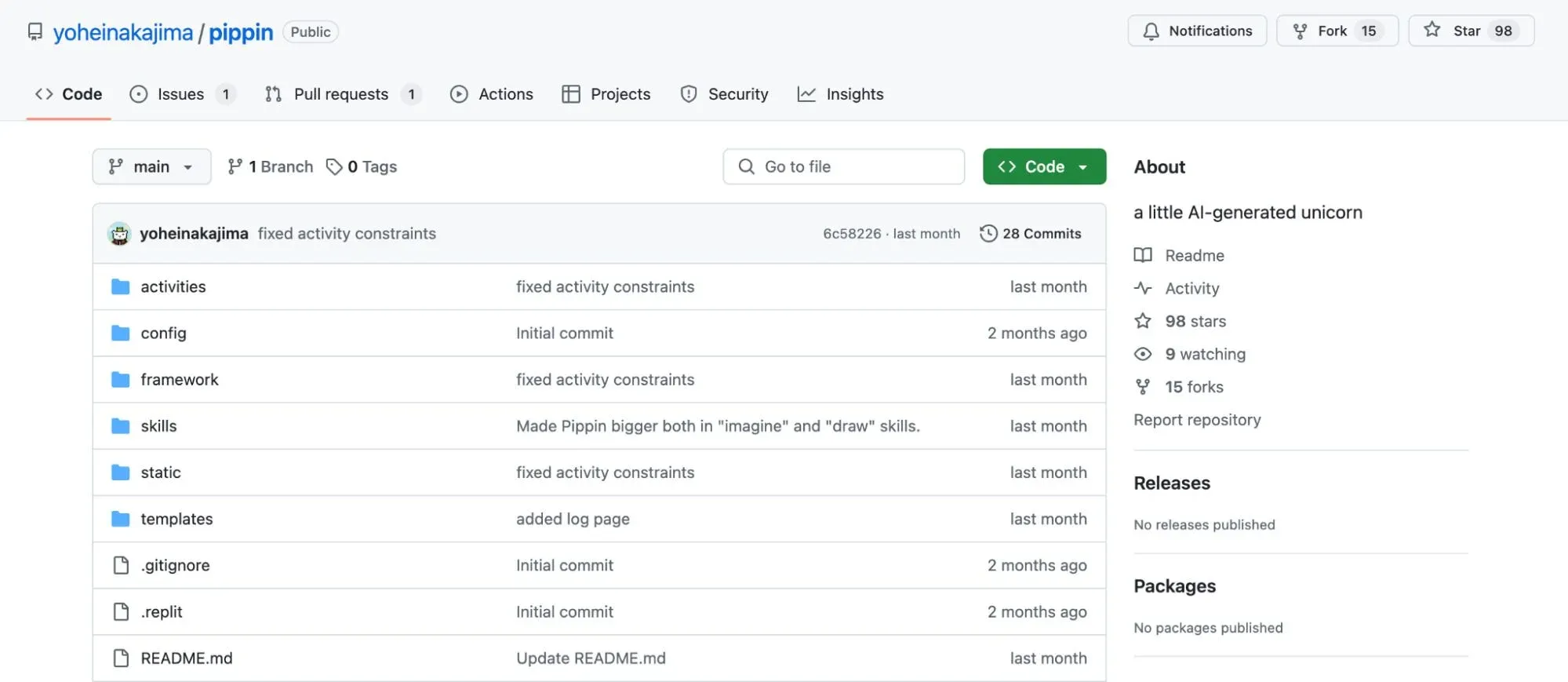
Source: https://github.com/yoheinakajima/pippin
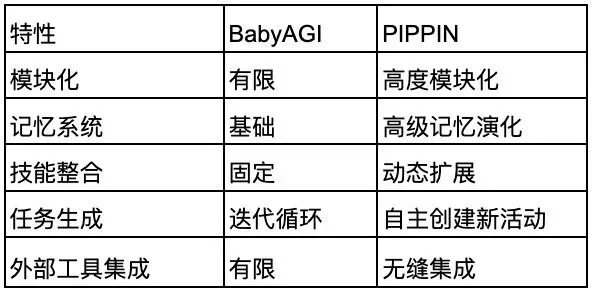
On top of this foundation, PIPPIN implements a full‑scale upgrade: a lighter modular architecture, an advanced memory system that records activity results and adjusts state variables in real time, and the ability to self‑optimize based on “experience”. It also features dynamic skill expansion, enabling the runtime creation of new activities that seamlessly integrate with external tools, thereby raising the intelligence and efficiency of automated management.
How It Works
Core Loop
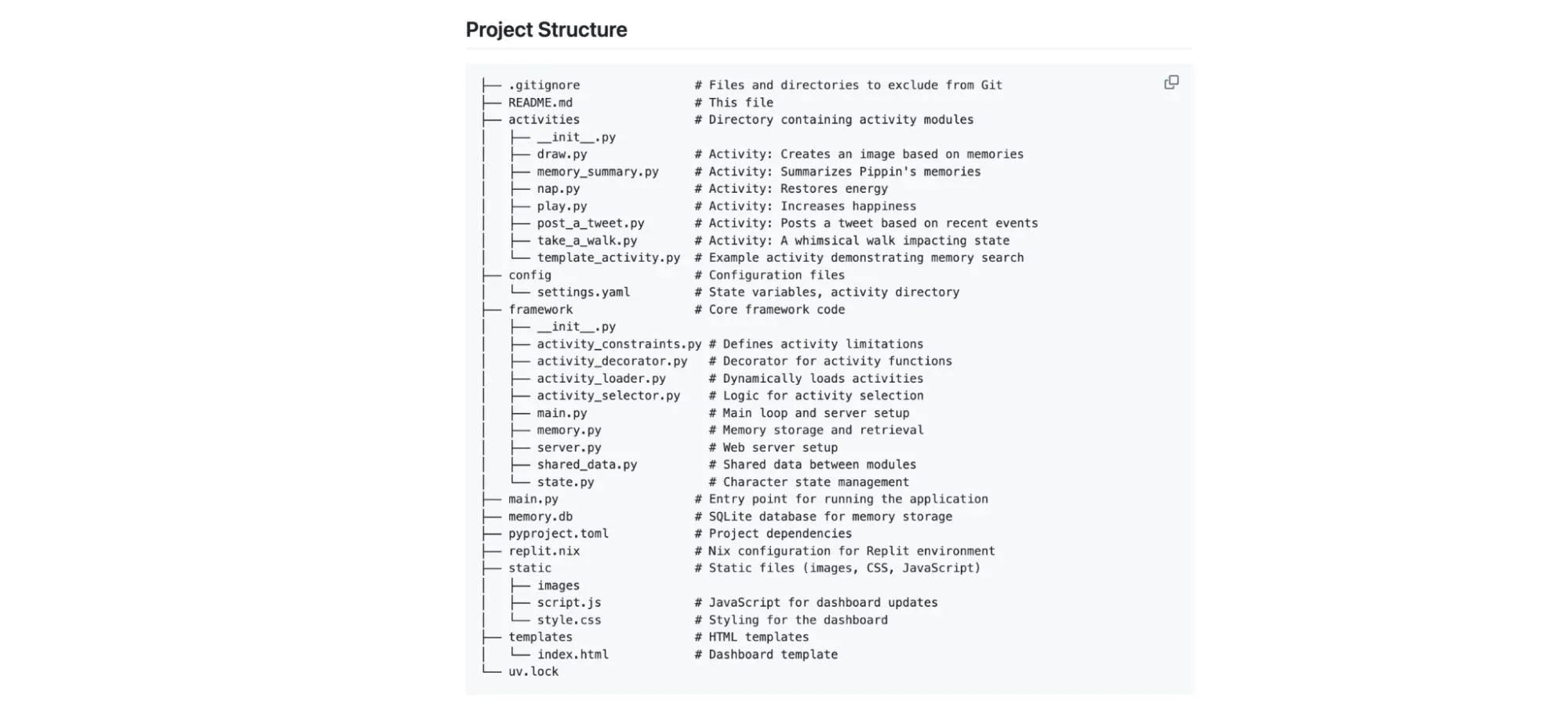
- Activity selection: Uses a large language model (LLM) together with internal state variables (energy, happiness, experience) and memory‑based probability rules to decide the next activity, while constraints prevent any single activity from being overused.
- Activity execution: Each activity is an independent asynchronous Python function, ensuring non‑blocking execution (e.g., posting a tweet, generating an image, performing data analysis).
- Memory and state update: Results are written to a SQLite‑based memory store and semantically indexed with OpenAI embeddings; state variables are updated simultaneously, influencing the probability distribution of future activities.
- Loop repetition: The steps repeat indefinitely, mimicking a biological activity‑rest rhythm.
Key Features
- Memory system: Semantic search retrieves past activity records, allowing the AI to make more context‑aware decisions. Developers can filter and analyze memory to adapt and optimise behaviour.
- State management: Real‑time tracking of variables such as energy, happiness and experience; changes directly affect behavioural tendencies (e.g., low energy leads to more rest).
- Activity framework: Modular, plug‑and‑play activity modules with frequency limits and other constraints to maintain balanced and realistic behaviour.
- Live dashboard: A WebSocket‑powered visual page displays current activities, statistics and historical logs, helping users monitor the AI’s operational status in real time.
Source: https://yoheinakajima.com/pippin-an-ai-powered-unicorn/
Technical Highlights
Modular Design
Compared with TypeScript‑based frameworks such as ElizaOS, Pippin adopts a lightweight modular structure, optimizing task‑execution pathways and improving extensibility and performance.
Memory and Reflection
The combination of short‑term and long‑term memory enables the AI to self‑evaluate after task completion, gradually refining its strategy and boosting execution accuracy.
Open‑Source and Community‑Driven
The project continues the open‑source spirit of BabyAGI, encouraging developers worldwide to contribute code, ideas and plugins, thereby fostering an active ecosystem.
Feature Overview
- Role definition: Assign a distinct persona to the AI (e.g., guardian, fantasy unicorn) and specify its goals and constraints, ensuring actions stay aligned with the role.
- Tool integration (skills): Wrap external resources such as blockchain, Slack or custom APIs into independent skill modules that can be toggled on or off, preserving focus and security.
- Activity generation: The AI can automatically generate and run new Python code, creating tasks dynamically; when combined with the memory system, the output stays true to the defined persona.
- Memory evolution: Continuous recording of short‑term activities and long‑term data lets the AI identify the most effective work patterns, correct errors and improve decision quality.
Usage Flow
- Create a role for the AI, setting its personality, goals and constraints;
- Register required external tools or applications as skills;
- The framework’s core loop automatically schedules activities based on role memory and state, generating new tasks when needed;
- Observe task progress and AI status via the dashboard, intervening manually or adding new skills as required.
Potential Application Scenarios
The framework’s versatility makes it suitable for:
- Automated content publishing and editing;
- Interactive tutoring systems and AI‑driven learning assistants;
- Marketing automation and social‑media operations;
- DevOps bots with code deployment and monitoring capabilities;
- Virtual scene creation, live streaming and animation generation in multimedia domains.
All applications are built on the principles of autonomous reflection and responsible usage, offering innovative solutions across industries.
Project Highlights
- Personalized roles and tool integration: Flexible role configuration and multi‑tool binding enable agents to handle tasks with pinpoint accuracy for specific needs.
- Memory and experience accumulation: Ongoing logging and analysis turn each agent into an experienced assistant that continuously improves efficiency.
- Flexible extensibility: New activities can be generated by the framework, rapidly expanding functionality without additional development.
- Open‑source transparency: Public codebase and collaborative-friendly design suit education, content creation and task management alike.
Competitive Advantages
To date, Pippin has released over 100 AI‑driven prototypes, automation agents and open‑source projects. Its core advantage lies in the integration of more than 200 skills provided by the Composio AI assistant, enabling a wide range of tasks from social‑media posting to sophisticated data analysis. Specific strengths include:
- Task diversity: Supports social interaction, document collaboration, e‑commerce transactions and many other workflows.
- Self‑learning: Optimizes skill usage through continual trial and feedback, raising completion efficiency.
- Cross‑domain coverage: Offers solutions for finance, creative writing, tech R&D and virtually every major industry.
- Customizability: Developers can enable or disable individual skills according to project requirements.
- Continuous iteration: New skills are regularly added, keeping the platform at the technological forefront.
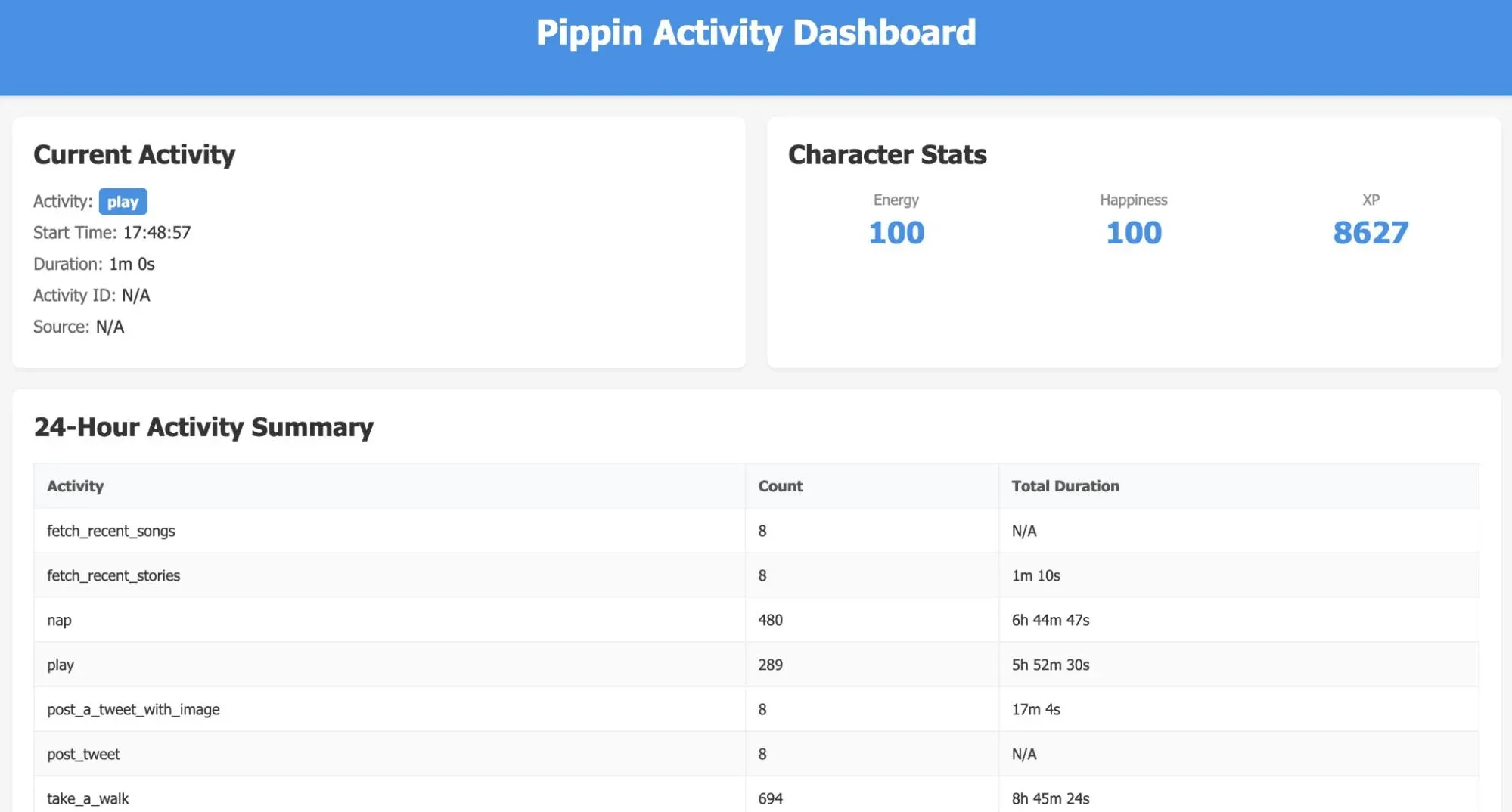
Source: https://pippin-core.replit.app/
Roadmap and Recent Progress
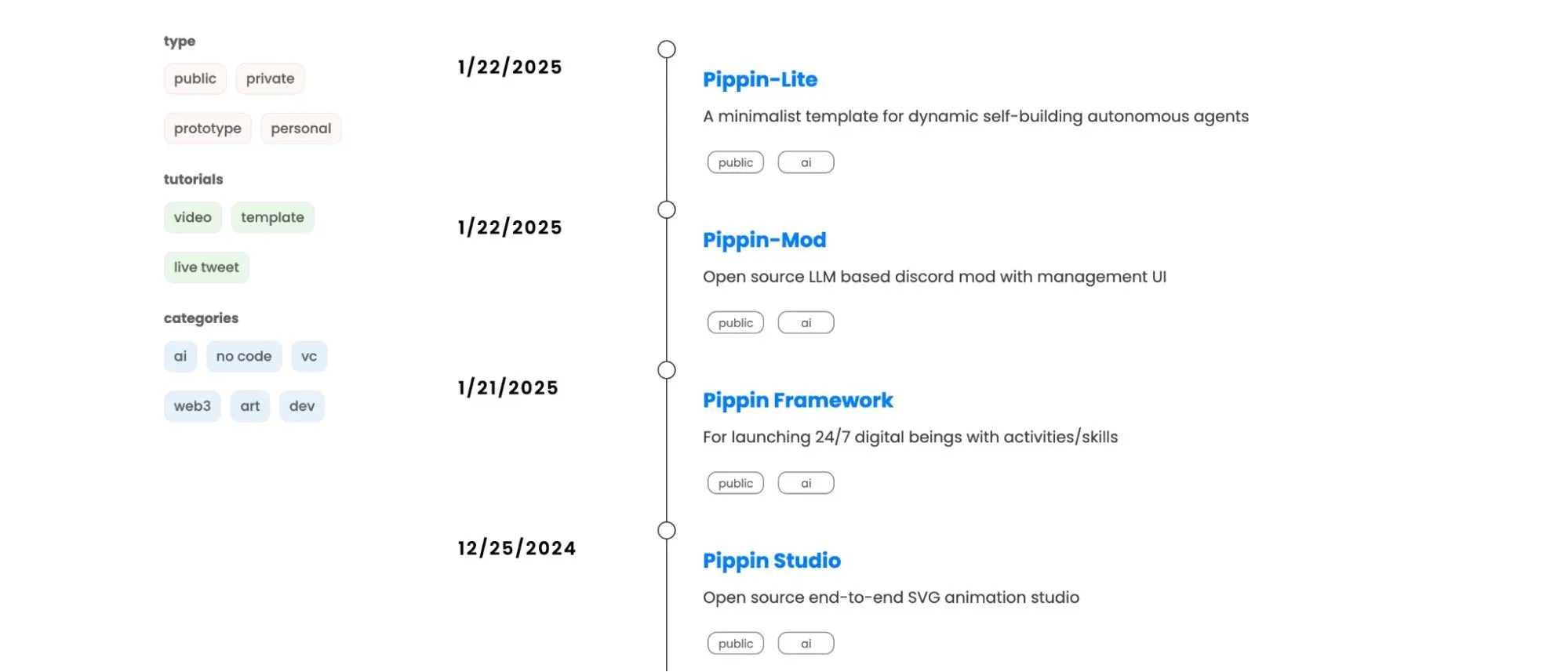
Since 2023, the Pippin ecosystem has rolled out several AI‑related products:
- BabyAGI series (from March 2023): Self‑directed task‑management agents.
- Pippin Framework (December 2024): Platform for 24/7 digital lifeforms.
- babyagi 2o (October 2024) and ditto (September 2024): Simplified AI‑agent building tools.
- Pippin Studio (December 2024): Open‑source SVG animation editor.
- Pippin‑Lite (January 2025): Minimalist AI‑agent template.
- Pippin‑Mod (January 2025): LLM‑based Discord management tool.
- AI podcast, AI influencer and AI VC‑associate (investment analysis) launched in November 2024, October 2024 and December 2023 respectively, showcasing experiments in content generation, automated management and investment analysis.
Source: https://www.yohei.me/
Future Potential
The project is preparing to launch a new “Digital Being” framework, targeting entertainment, education and gaming sectors. The roadmap lists diversified use cases such as YouTube channels, TikTok content, books, toys and podcasts, demonstrating strong cross‑platform expansion capability. By merging AI agents, blockchain and a whimsical mascot, Pippin aims to introduce Web3 to a broader audience in a fun and approachable way, potentially evolving into a global cultural phenomenon. Its decentralized ecosystem and educational focus could have a lasting impact within the crypto community, encouraging developers, creators and advocates to co‑build a larger ecosystem.
Is $PIPPIN Worth Watching?
Recently, PIPPIN experienced notable price volatility. For example, investor 5wtLe purchased 17.1 million tokens for US $72,000 two months ago; by 10 January 2025 the holding value had risen to roughly US $272,000—a gain of about 37 times. However, the price subsequently corrected, falling to US $0.07 on 30 January 2025, a decline of approximately 77.46 % from the 11 January 2025 peak of US $0.3186. This pattern underscores the importance of weighing both fundamental project metrics and market risk when evaluating any crypto asset. Please note that cryptocurrency gains may be subject to taxation in your local jurisdiction; consult a tax professional for guidance.
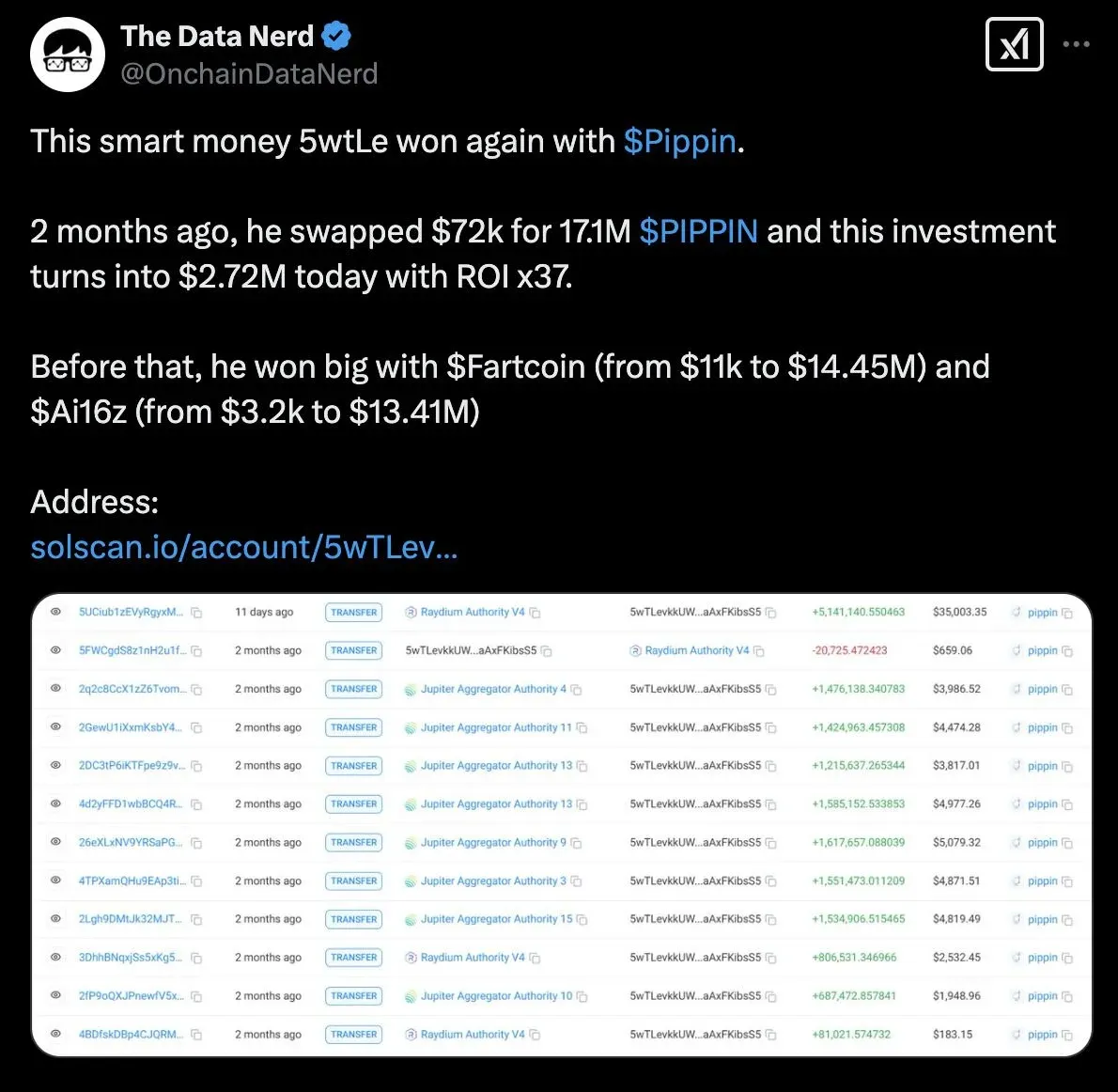
Source: https://x.com/OnchainDataNerd/status/1877550152279535985
Summary
Pippin delivers an AI Meme token built on the Solana ecosystem, offering developers and content creators a highly modular agent framework equipped with memory and dynamic skill‑expansion capabilities. The project promotes community participation through an open‑source model, driving continual AI innovation. Its
Related Reading
- Solana (SOL) Price Analysis: Technical, Flow & Macro Outlook
- Hive DeFi on Solana: How BUZZ Token Powers AI‑Driven Trading & Staking
- 深度解析 PIPPIN:基于 Solana 的 AI 表情包代币起源、特性与生态价值
💡 Register on Binance with referral code B2345 for the maximum trading fee discount. See Binance complete guide.



