
 Bitaigen Research
 This article introduces Polkadot’s native token DOT, often dubbed “Ethereum’s cross‑chain version.” DOT provides four core functions—governance, operation, interoperability, and bonding—that enable value transfer across disparate blockchains.
In this piece we systematically outline DOT’s core functionalities and governance mechanisms, dissect its unique role within the cross‑chain ecosystem, and evaluate its long‑term value potential from the perspectives of technical roadmap, community activity, and ecosystem deployment. By offering an in‑depth analysis, readers can grasp Polkadot’s innovative logic and development trajectory. Subsequent sections will present a more detailed outlook on future prospects.
1. What is DOT?
DOT is the native cryptocurrency of the Polkadot platform, commonly referred to in Chinese as “波卡币.” In 2017, Ethereum co‑founder and Yellow Paper author Gavin Wood (林嘉文) launched the Polkadot project with the goal of building a sharded, cross‑chain network that allows independent blockchains to interact directly.
DOT is positioned as a “blockchain of blockchains.” By forming a federated architecture, it aims to eliminate the data and asset silos that currently exist between separate chains.
The Four Primary Uses of the DOT Token
| Use | Description |
|---|---|
| **Governance** | Holders can participate in decisions regarding network fees, parachain slot auctions, upgrades, and fixes, shaping Polkadot’s overall direction. |
| **Operation** | Game‑theoretic incentives reward honest behavior; well‑behaved participants earn returns, while malicious actors lose their staked DOT, thereby safeguarding network security. |
| **Interoperability** | DOT can be used to pay validators for transmitting cross‑chain messages between different state machines. Payment is optional but supported. |
| **Bonding** | Staking DOT allows the addition of new parachains; conversely, unbonding removes defunct chains and destroys the corresponding DOT, representing a form of proof‑of‑stake. |
2. What Can DOT Do?
Within the Polkadot ecosystem, DOT plays several critical roles:
- Network Governance
Holders vote on fee structures, the timing of parachain auctions, platform upgrades, and other pivotal parameters.
- Supporting Consensus
Token owners lock (bond) DOT to take part in consensus; this staking creates an economic penalty for malicious conduct.
- Creating Parachains
By bonding DOT, developers can launch new parachains on the relay chain; obsolete chains can be removed through unbonding, which burns the associated DOT.
- Cross‑Chain Message Fees
Users pay DOT to validators to relay messages across Polkadot’s heterogeneous state machines, enabling true cross‑chain communication.
3. Rights of DOT Holders
DOT holders enjoy the following permissions on the Polkadot platform:
- Become a validator, collator, nominator, or fisherman (a node that collects transaction fees).
- Participate in on‑chain governance, including fee adjustments, upgrades, and parameter tweaks.
- Vote on the addition or removal of parachains.
- Influence decisions regarding global upgrades or major network changes.
4. Outlook for DOT’s Value
1. Funding Overview
- Funding period: 2017 – 2020
- Total capital raised: roughly US $240 million
- Private‑sale low price: US $28 per DOT (approximately US $0.28 after dilution)
- Public‑sale high price: US $145 per DOT (approximately US $1.45 after dilution)
At the current market price of about US $37, the private‑sale low price represents a ~132× return, while the public‑sale high price corresponds to a ~25× return. The median return across all rounds is roughly 70×.
Note: Crypto gains may be taxable in your local jurisdiction; consult a tax professional to understand your obligations.
2. Market‑Cap Snapshot
As of 13 September 2021, DOT’s total supply was about 1 billion tokens, giving it a market capitalization of roughly US $37 billion, ranking it 8th among global crypto assets. By comparison, Ethereum’s market cap stood at approximately US $212.6 billion, about six times larger than DOT’s. To surpass Ethereum’s market cap, DOT would need to rise to roughly US $222 per token—about six times its current price.
Caution: Many projects have historically claimed they would replace Ethereum; outcomes have varied widely, so investors should conduct careful due diligence.
3. Development Trends
- Technical advantages: Polkadot supports on‑chain upgrades, a modular architecture, and off‑chain workers—features that are challenging for Ethereum to implement in its current state.
- Ecosystem expansion: New chains built with Substrate continue to emerge, covering use cases such as permissioned consortia, decentralized autonomous organizations (DAOs), and decentralized finance (DeFi).
- Competitive landscape: While Polkadot aims to become the central hub for cross‑chain activity, its relay chain still faces performance hurdles when handling highly heterogeneous chains, and real‑world adoption remains a key metric to watch.
5. How to Purchase and Trade Polkadot DOT (Example Using OKX)
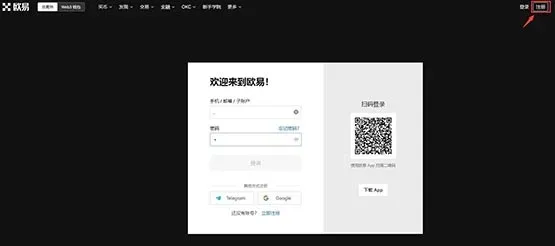
- Visit the OKX website and click [Register] to open the sign‑up page.
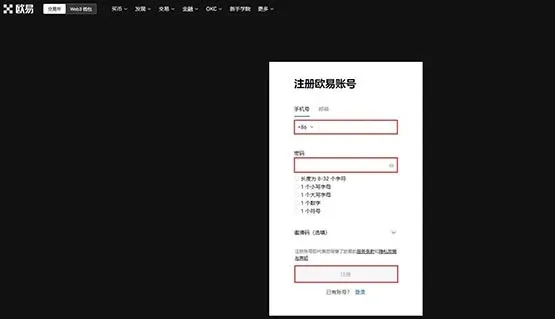
- It is recommended to register with a mobile phone number; enter your phone number and a password, then complete the registration.
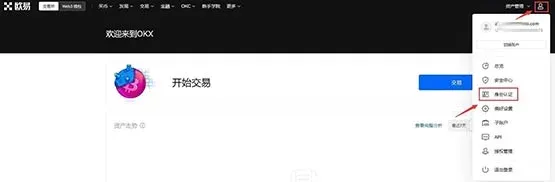
- After completing KYC (Know Your Customer) verification, you will be able to trade. Go to User Center → Identity Verification to finish the process.
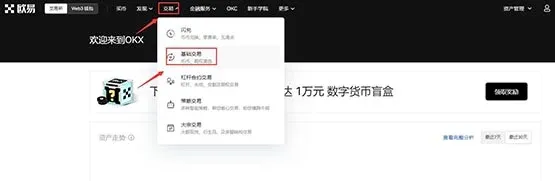
- Once logged in, click Trade → Spot Trading to access the trading interface.
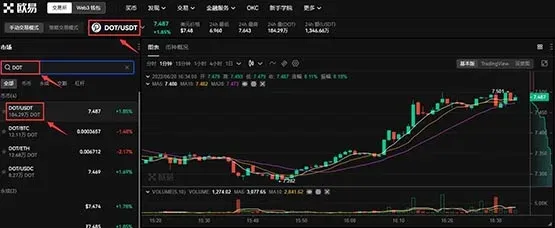
- In the search bar, type DOT and select the DOT/USDT trading pair to view real‑time price data.
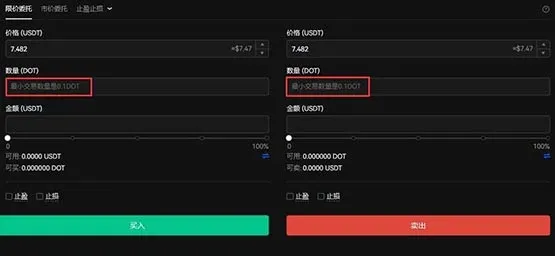
- Enter the amount you wish to purchase and click Buy; to sell, input the amount you want to dispose of and click Sell. The minimum order size is 0.1 DOT.
The above provides a comprehensive analysis of what DOT is, its functions, and its prospective value. For additional articles and deeper insights, please follow Bitaigen (比特根) and explore related content.
Related Reading
- Enso (ENSO) Token: How It Works, Economics & Use Cases
- Polkadot (DOT) Explained: Multi‑Chain Interoperability, Staking & Governance
- Polkadot (DOT) Price Forecast & Future Potential 2024
💡 Register on Binance with referral code B2345 for the maximum trading fee discount. See Binance complete guide.



