
 Bitaigen Research
 We delve deeply into the core architecture and chain‑abstraction concept of the Everclear mainnet, explaining how it simplifies cross‑chain operations, reduces liquidity‑routing costs, and reviewing the current ecosystem progress along with potential future use‑cases. Read on for a panoramic view of the project’s technical value.
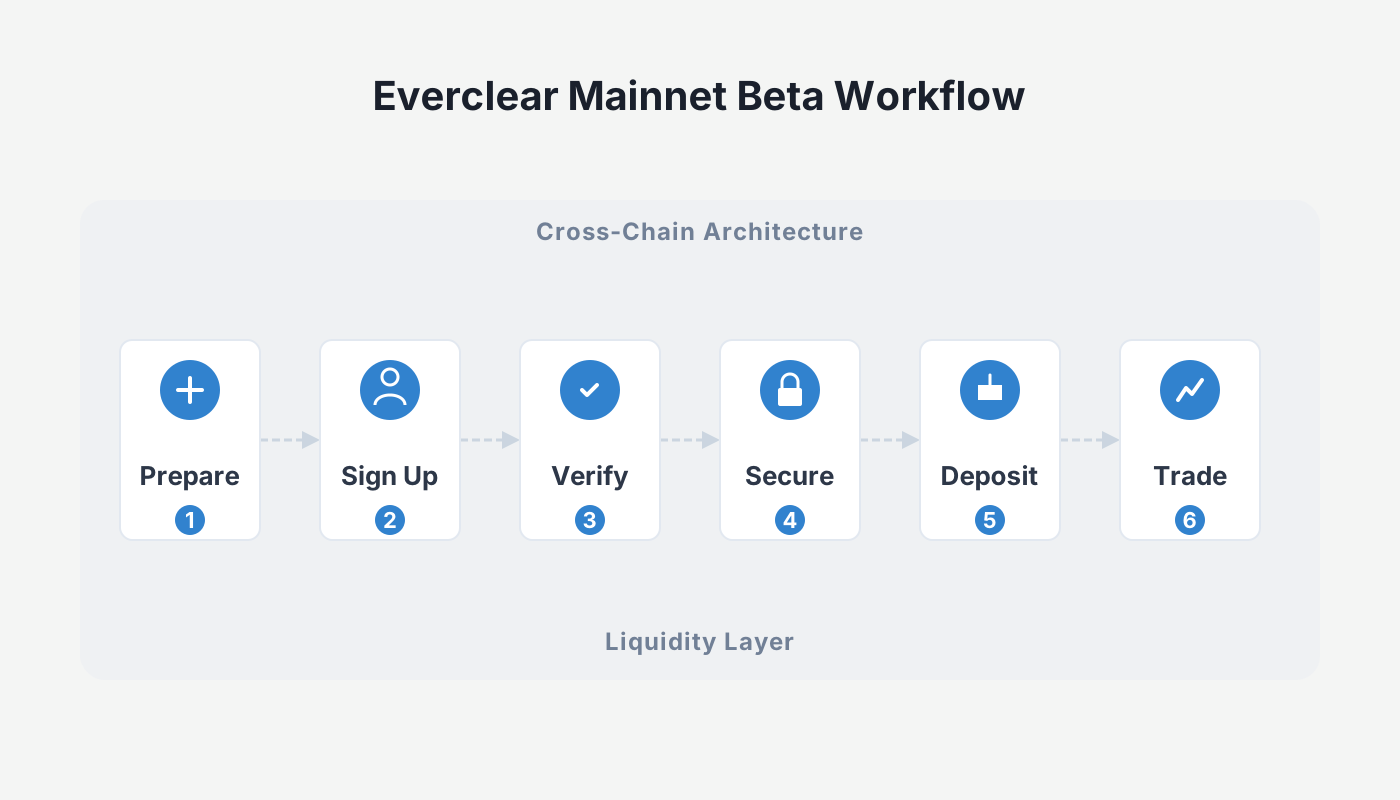
Everclear Mainnet Overview
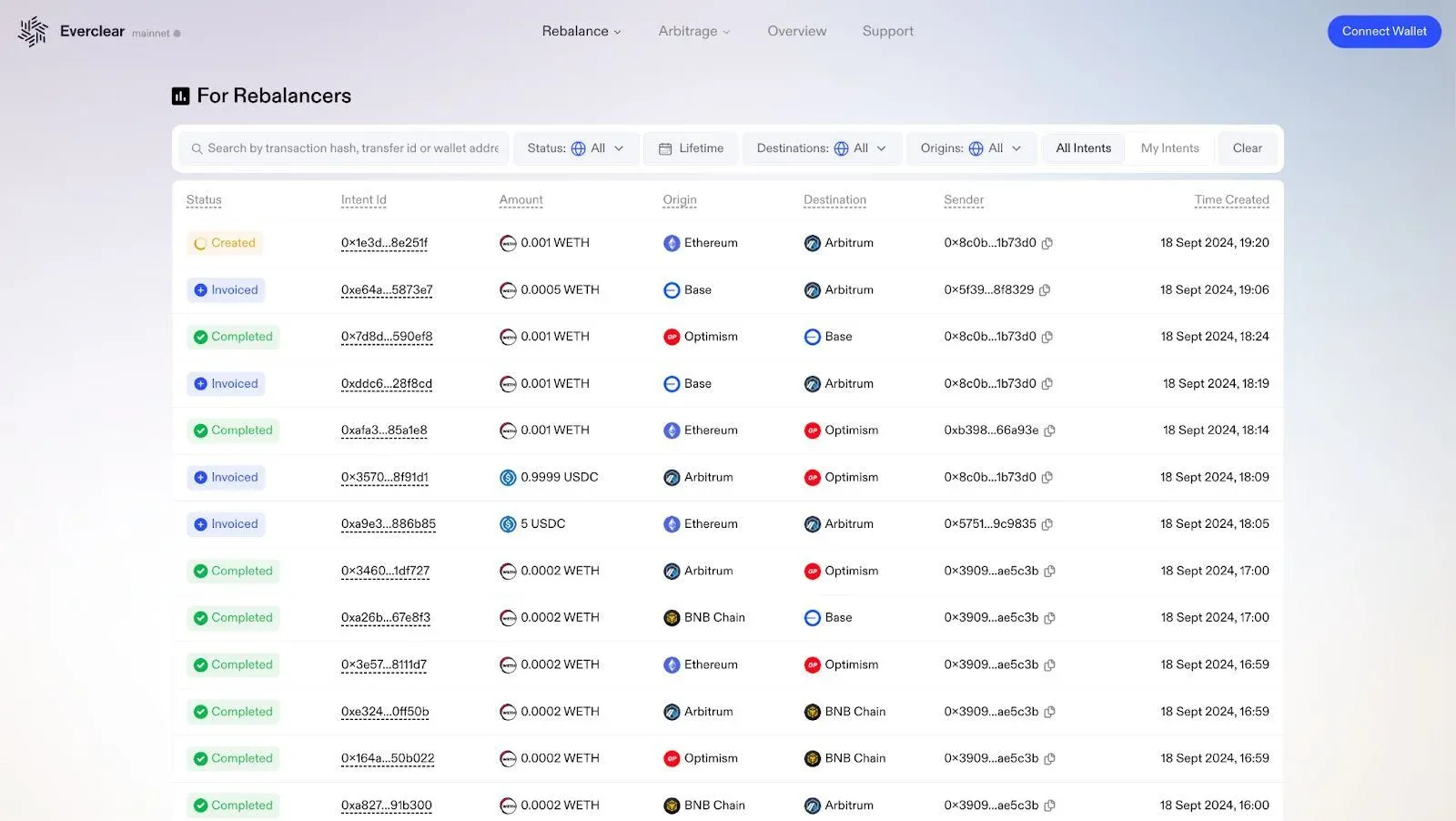
Everclear officially launched its Mainnet Beta on September 18, 2024, built on the Arbitrum Orbit rollup architecture and coupled with Hyperlane and EigenLayer AVS to achieve cross‑chain liquidity settlement. This design dramatically lowers the rebalancing costs for solvers, intent‑based bridge services, and other participants throughout the ecosystem.
Source: Official website
The mainnet’s core philosophy is chain abstraction—users do not need to worry about the specific implementation of the chain they are interacting with; they only focus on their own transaction intent. Through this abstraction, the system handles path‑finding, bridging, gas payment and other complex steps behind the scenes, making the transaction flow smoother.
At the same time, solvers anticipate liquidity demand across different networks and automatically execute cross‑chain interactions, protocol integrations and other intricate operations, achieving efficient liquidity routing throughout the entire network.
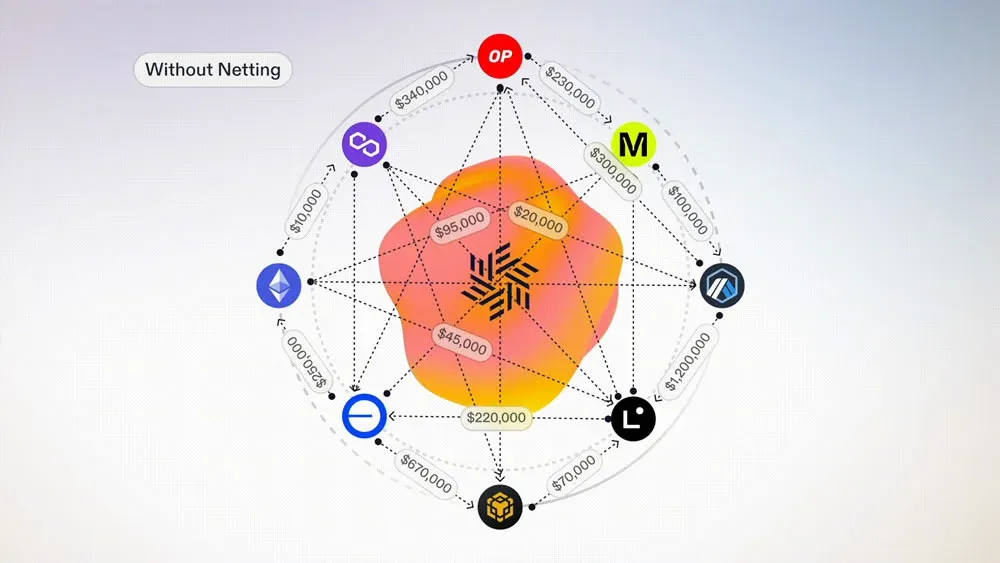
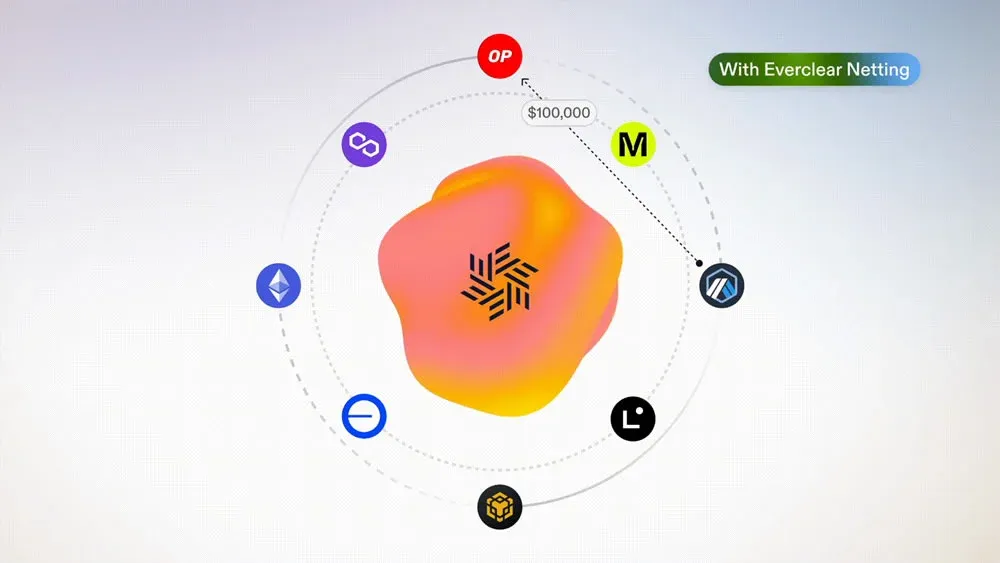
---
Historical Evolution of Everclear
The project originally launched under the name Connext, aiming to provide fast cross‑chain asset and data transfers. Connext quickly attracted attention within the Web 3 community, but as the number of L1 and L2 networks exploded, users began to encounter growing latency, complexity and fee issues.
To address these bottlenecks, the Connext team performed a structural overhaul of the protocol and released a modular, scalable version called Everclear. The testnet went live in June 2024, followed by a mainnet deployment in September of the same year. Since then, Everclear has forged partnerships with several bridging and infrastructure providers, including Socket, Particle Network, and Router, among others.
---
Core Mechanisms of Everclear
Decentralized Settlement Layer

Everclear introduces a decentralized settlement layer that handles cross‑chain liquidity settlement and automated rebalancing. This layer systematically searches for optimal paths and executes settlements, replacing the traditional model where solvers or market makers must manually manage liquidity. The result is lower transaction costs and a simplified technical implementation.
Dutch Auction Mechanism
The protocol employs a Dutch‑style auction to incentivize arbitrageurs with settlement invoices. As the auction progresses, the invoice price continuously declines until an arbitrageur can capture a profit, thereby guaranteeing a steady flow of liquidity. The predictable pricing model also boosts participant engagement.
Arbitrageur Market
Everclear collaborates with several well‑known market makers—such as Anera, Tokka, Dialectic, and Aori—to build a robust arbitrageur pool. This pool ensures that invoices are settled promptly, preserving the health of cross‑chain liquidity.
Security and Message Transmission
User intents are propagated across chains via the Hyperlane protocol, while EigenLayer AVS provides the security guarantees. The combination enables safe and efficient relaying of cross‑chain messages.
---
The vbNEXT Mechanism
vbNEXT is a model launched by the protocol DAO through a voting‑backed guarantee system, designed to optimize the direction of liquidity flows. Token holders can stake NEXT tokens into vbNEXT to earn proportional fee revenue. At the same time, vbNEXT is tasked with steering liquidity toward under‑utilized chains or routes, preventing assets from becoming stranded on networks with insufficient demand.
---
How Everclear Operates
Through chain abstraction and a modular design, Everclear reduces cross‑chain transactions to their simplest form. Users merely express their transaction intent; the system then takes care of the following steps:
- Intent Expression
Users submit an intent to execute a transaction on one or more target chains and provide the ability to pay execution fees. Routers, solvers and fillers continuously monitor these intents.
- Intent Execution
Service providers bid on the intent; the lowest‑bidder wins and carries out the transaction on the destination chain.
- Intent Settlement
After the transaction is completed, the protocol rewards the winning service provider according to the pre‑agreed terms, compensating the funds they spent to fulfill the user’s intent.
Chain‑Abstraction and Modular Layers
- Intent Layer – A smart‑contract‑based system for intent submission and matching, ensuring that user intents are realized on the target chain at the lowest possible cost.
- Settlement Layer – Utilizes net‑settlement accounting, aggregating outstanding credits and clearing them in bulk to reduce settlement frequency.
- Consensus Layer – Leverages protocols such as EigenLayer to provide economic guarantees and security verification for cross‑chain messages.
- Transport Layer – Primarily uses Hyperlane for cross‑chain transport while maintaining compatibility with other standards like IBC.
---
Addressing Liquidity Fragmentation
The rapid proliferation of blockchain networks has scattered liquidity across many chains, raising cross‑chain transaction costs and lowering efficiency. Everclear mitigates this issue through several approaches:
- Socialized Rebalancing – Distributes rebalancing fees across all participants, preventing any single user from bearing excessive costs.
- Net‑Settlement – Batches transactions together, lowering per‑transaction fees and improving overall throughput.
- Cross‑Chain Liquidity Aggregation – Offers dApps and end‑users a unified liquidity pool, eliminating fragmented capital across individual chains.
---
Key Features of Everclear
- Intent‑Based Transactions – Users simply declare the desired outcome; the system handles path‑finding, bridging, and gas payment.
- Cross‑Chain Liquidity Provision – By aggregating liquidity from multiple chains, Everclear reduces the cost for users to acquire needed liquidity.
- Secure Consensus – Utilizes native ETH staking and liquid staking on EigenLayer to deliver decentralized security for transactions.
- Efficient Message Transmission – Employs Hyperlane as the primary messaging protocol, with optional compatibility for IBC and other bridges.
Note for global users: When converting fiat to crypto or vice‑versa, consider using USD‑denominated services or SEPA/SWIFT corridors where available. U.S. residents should conduct trades on Binance.US rather than the global Binance platform.
Tax disclaimer: Crypto gains may be taxable in your jurisdiction. Users should consult local tax regulations and professional advisors to ensure compliance.
---
*The translation preserves all original markdown formatting, image URLs, and alt‑text (now rendered in English). No investment advice is provided.*
Related Reading
- Across Protocol: Low-Cost Ethereum L2 Bridge & ACX Token
- Nebula3 (SN3) GameFi: Cross‑Chain, DeFi & AI Outlook
- Katana Project Deep Dive: Tech, Governance & Ecosystem
💡 Register on Binance with referral code B2345 for the maximum trading fee discount. See Binance complete guide.



