
 Bitaigen Research
 We systematically examine blockchain's innovative pathways in key scenarios such as IoT, cybersecurity, and finance, ranging from technical principles to real‑world implementation. By deeply analyzing the core advantages of decentralization and immutability, we help readers understand how this technology reshapes industry ecosystems. Subsequent sections will present additional cutting‑edge case studies and development trends, making it well worth a close read.
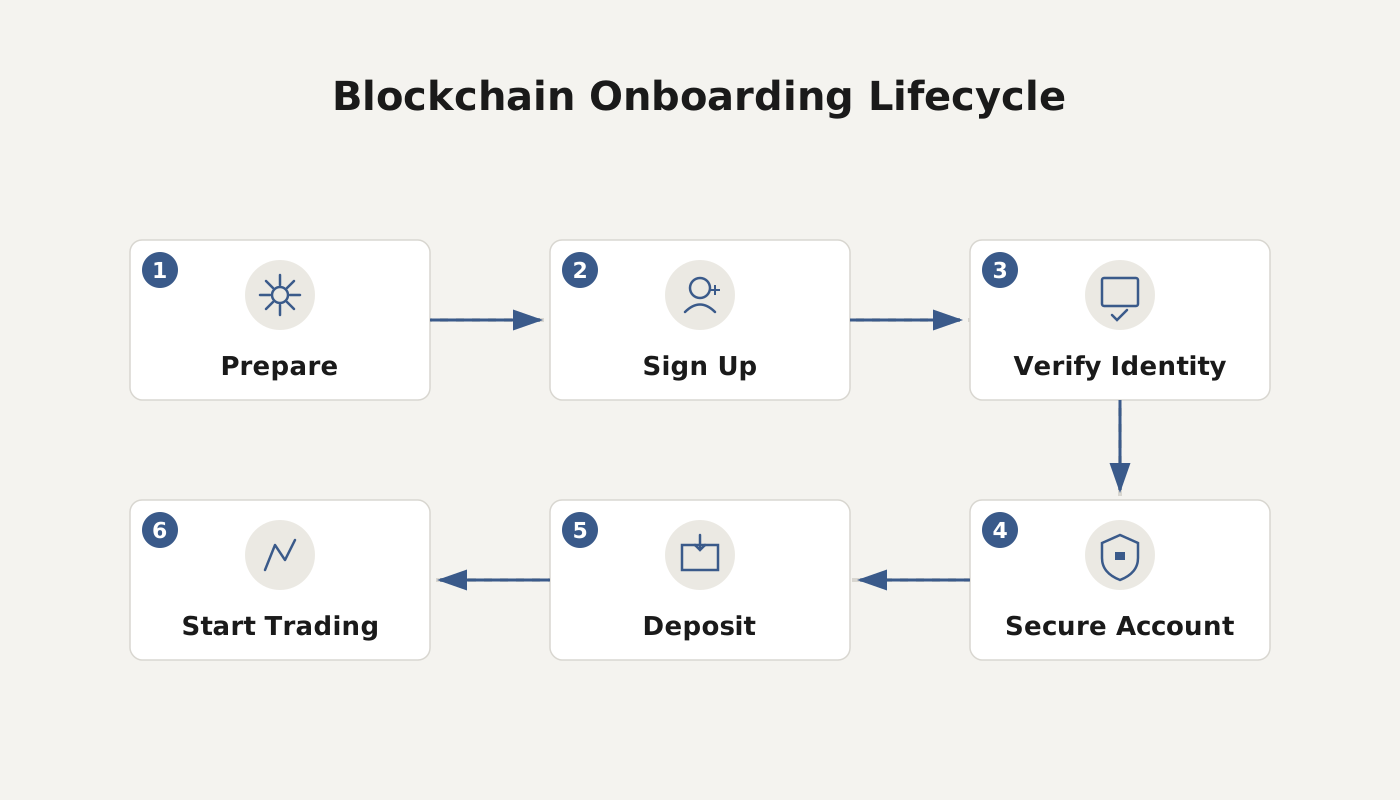

Blockchain technology leverages decentralized, immutable distributed ledgers to enable trustworthy data sharing across the Internet of Things, cybersecurity, finance, healthcare, and other sectors, thereby transforming how these domains operate in the future.
At its core, blockchain is a distributed ledger database. Each block functions as a storage unit; all information is cryptographically secured before being written to the chain, and once recorded it cannot be altered. Because the data no longer relies on a single central server, the entire system offers greater transparency and resistance to tampering.
How Blockchain Technology Will Change the World
From the following key scenarios the transformative power becomes evident:
- Internet of Things
- IoT devices (cars, buildings, doorbells, refrigerators, etc.) embed software, networking, and sensors. Traditional architectures rely on centralized management, making them attractive targets for hackers. Blockchain, using decentralized storage and consensus mechanisms, distributes the recording of device‑generated data, markedly improving security and traceability.
- Cybersecurity
- All data on the chain is validated and encrypted with advanced cryptographic algorithms, preventing unauthorized modifications. Compared with centralized servers that are vulnerable to single points of failure, a decentralized blockchain system can store cloud data more robustly, enhancing resistance to attacks.
- Banking and Payments
- Blockchain enables faster, lower‑cost, and secure cross‑border transfers. Numerous financial institutions have adopted it to streamline settlement, clearing, and supply‑chain finance processes, thereby boosting operational efficiency.
- Healthcare
- Hospitals and medical providers can use blockchain to build a unified, secure repository of patient health records. Only authorized physicians and patients can access the relevant data, safeguarding privacy while enabling real‑time information sharing.
- Future Trends
- Artificial intelligence and blockchain will form a dual‑engine drive. Blockchain supplies trustworthy data sources and governance frameworks, providing a reliable foundation for AI model training and decision‑making, and is expected to merge inevitably across multiple industries.
The above outlines the core transformation pathways of blockchain technology across various sectors in the future. For more blockchain‑related information, follow Bitaigen (比特根) for additional articles.
Related Reading
- Cold Wallet Offline Transaction: Generate, Sign, Broadcast
- Self‑Custody Crypto Wallets: Benefits, Risks & Security
- Private Key, Mnemonic Phrase & Keystore Passwords
💡 Register on Binance with referral code B2345 for the maximum trading fee discount. See Binance complete guide.



