
 Bitaigen Research
 The emergence of cryptocurrencies has introduced a decentralized, transparent, and secure method of value transfer to the traditional financial system. Its underlying technology—blockchain—makes every transaction record publicly searchable and immutable. Keeping this network running continuously depends on cryptocurrency mining, a crucial component. Mining not only validates transactions but also incentivizes participants by generating new tokens, ensuring the network remains safe and reaches consensus without any central authority.
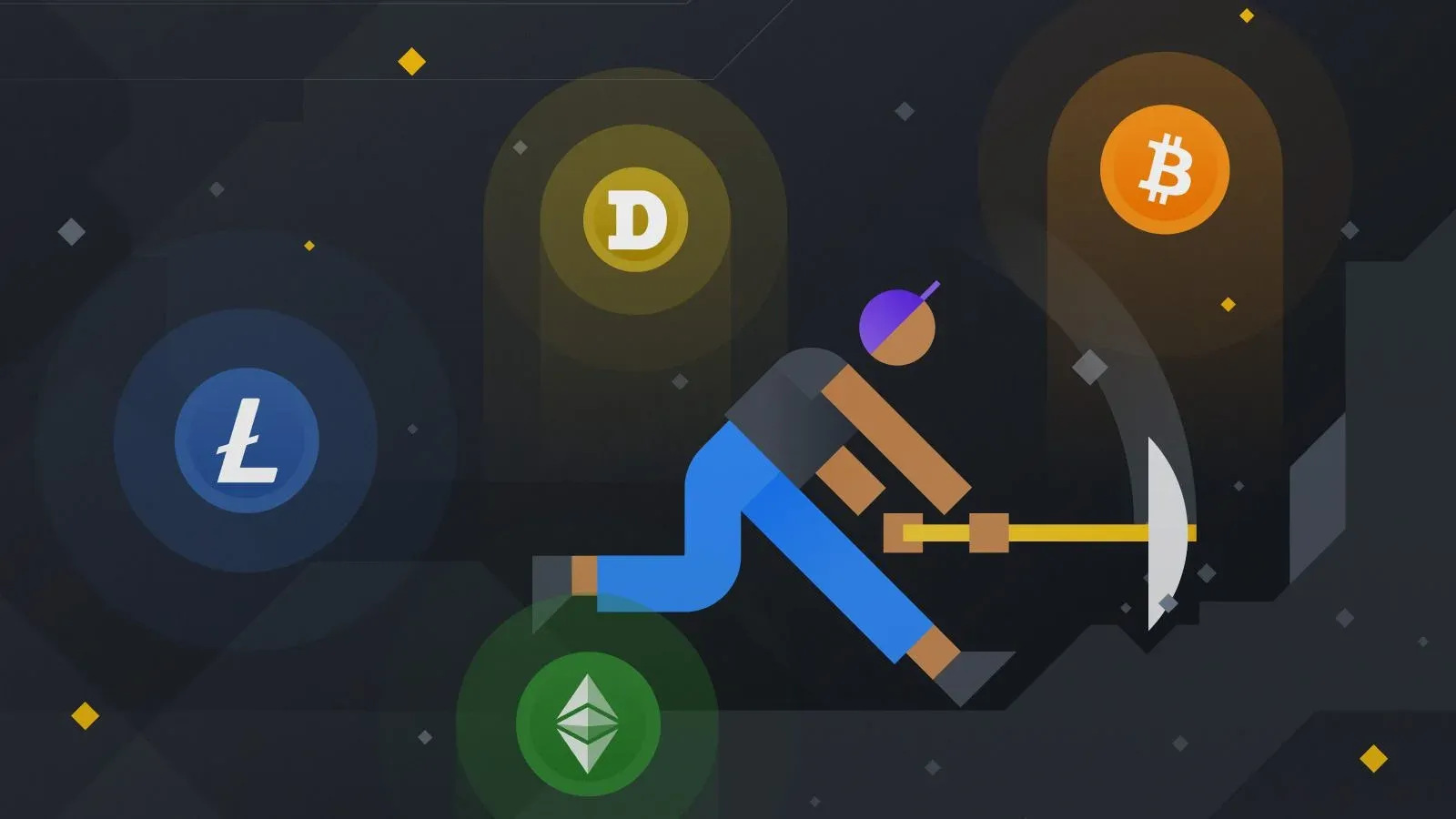
In this article we systematically outline the core principles and operating mechanisms of cryptocurrency mining, helping readers understand from a technical perspective how miners use hash power to maintain blockchain security, earn rewards, and compare the two dominant consensus models—Proof‑of‑Work and Proof‑of‑Stake. Mastering these basic concepts will make the deeper analyses in later sections easier to grasp.
What Is Cryptocurrency Mining?
On a blockchain, miners use computing resources to package, verify, and create new blocks of transactions. After completing these tasks, the system rewards the contributing miners with newly issued cryptocurrency. The whole process relies on solving highly complex mathematical puzzles, which guarantees the network’s tamper‑resistance and reliability.
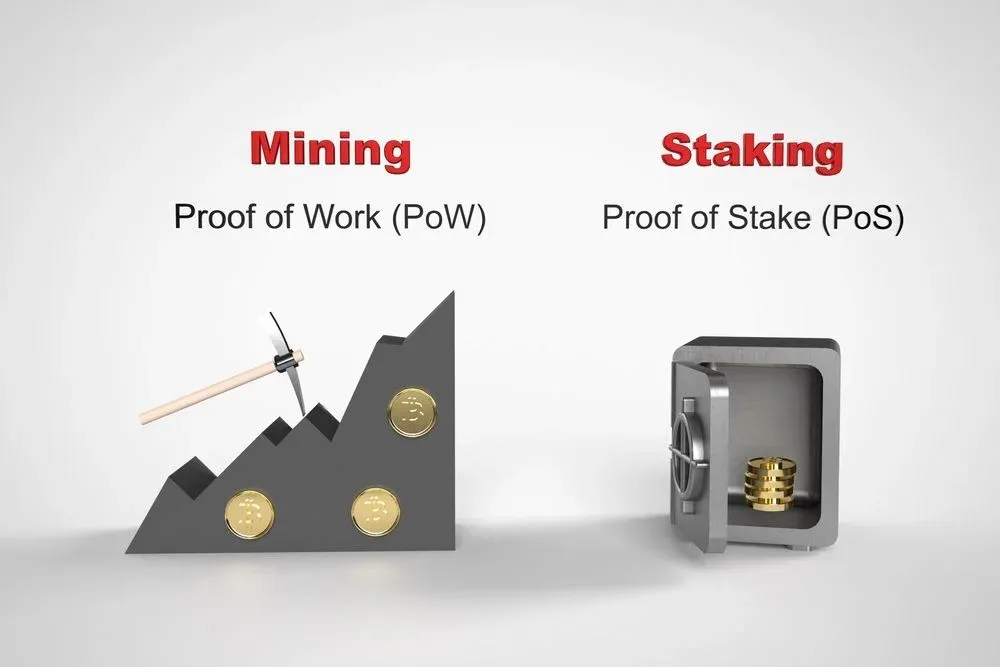
The two mainstream consensus mechanisms today are:
- Proof‑of‑Work (PoW): The classic example is Bitcoin. Miners compete to be the first to solve a hash puzzle; the winner receives the block reward. This model offers high security but also demands substantial energy.
- Proof‑of‑Stake (PoS): Block‑creation rights are determined by the amount of tokens a participant holds and locks up, dramatically reducing computational pressure and being regarded as a more energy‑efficient alternative.
Common Methods of Cryptocurrency Mining
As hardware technology evolves, mining techniques have diversified. Below are several models that remain widely used today.
Central Processing Unit (CPU) Mining
In Bitcoin’s early days, the network’s hash power requirement was low enough that a regular computer’s CPU could participate. However, as the number of miners surged and overall hash power grew, CPUs gradually lost competitiveness and have now been largely supplanted by specialized hardware.
Graphics Processing Unit (GPU) Mining
GPUs excel at parallel computation and offer a better price‑to‑performance ratio than CPUs, making them popular for mining chains such as Ethereum. Although they are still less efficient than ASICs, their flexibility keeps them attractive in multi‑chain environments.
ASIC Mining
ASICs (Application‑Specific Integrated Circuits) are chips custom‑designed for a particular cryptographic algorithm, delivering extremely high hash rates while focusing energy consumption on a single task. Most mainstream PoW coins, including Bitcoin, rely heavily on ASIC miners. Their drawback is algorithm specificity and a relatively high upfront cost.
Mining Pools
A solo miner faces an extremely low probability of earning a reward when competing against the entire network. Mining pools aggregate the hash power of many participants, increasing the chance of successfully mining a block. When a block is found, rewards are distributed proportionally to each miner’s contributed hash power. While this reduces income volatility, it also raises concerns about centralization and the potential for 51 % attacks.
Cloud Mining
Cloud mining allows users to rent hash power from a service provider without purchasing hardware themselves. This approach is user‑friendly, but participants must scrutinize the reliability of the platform and the expected return on investment. It is advisable to choose providers with a solid reputation.
Overview of Mining Hardware
Efficient mining requires specialized equipment, generally falling into these categories:
- CPU: The original entry‑level solution, now obsolete due to insufficient hash power.
- GPU: Still competitive in multi‑chain settings, offering a relatively good cost‑performance balance.
- ASIC: Provides peak hash power for specific coins, but comes with high capital and energy costs.
- FPGA: Programmable chips that blend some flexibility with efficiency; however, they are complex to configure and suited for technically adept users.
Difficulty Adjustment Mechanism
Blockchain protocols periodically adjust the difficulty coefficient based on the total network hash rate, aiming to keep the average block‑generation time roughly constant. When hash power rises, difficulty increases; when miners leave, difficulty decreases. This self‑regulating system prevents blocks from being produced too quickly while avoiding security risks caused by insufficient hash power.
Economic Factors and Profitability Analysis
Mining is intrinsically both a technical and financial activity. Evaluating its feasibility requires considering the following cost and revenue elements:
- Hardware Investment: High‑end devices such as ASICs represent the bulk of upfront expenses, with prices influenced by performance and market supply‑demand dynamics.
- Electricity Costs: Energy expenditure is the primary ongoing cost; regions with low electricity rates (often expressed in USD per kWh) provide a larger profit margin.
- Reward Value: The fiat value of the tokens earned fluctuates with market prices; a drop in coin price or a halving event can erode profitability.
- Network Difficulty: Intensifying competition raises the difficulty, increasing the average hash power required per block.
By weighing these factors together, miners can determine whether they possess a sustainable economic foundation for continued operation.
Profit Outlook for Cryptocurrency Mining
Although mining can still generate substantial returns, its uncertainty is equally pronounced. Key variables that influence profit include:
- Token Price Volatility: When market prices rise, the fiat value of block rewards (often calculated in USD) increases; the opposite compresses margins.
- Hardware Efficiency: Newer generation miners typically deliver higher hash rates with lower energy consumption, rendering older equipment less competitive.
- Electricity Costs: If the cost of electricity (often settled via SEPA or SWIFT transfers for fiat) exceeds the converted mining revenue, the operation becomes untenable.
- Protocol Changes: For example, Bitcoin’s “halving” events cut block rewards by half, and Ethereum’s transition in September 2022 from PoW to PoS rendered its previous mining method obsolete.
Therefore, prospective miners should conduct thorough risk assessments and stay informed about industry developments and technological upgrades.
Overview of Bitcoin Mining
Bitcoin’s mining process also follows the Proof‑of‑Work model, with the core steps outlined below:
- Transaction Collection: User‑initiated transfers enter the “mempool” awaiting inclusion in a block.
- Hash Calculation: Miners repeatedly attempt to find a block hash that meets the current difficulty target, requiring massive computational effort.
- Block Writing: Once a qualifying hash is discovered, the block is appended to the chain, creating an immutable record.
- Reward Distribution: Each confirmed block grants the miner a fixed number of newly minted bitcoins. This reward halves approximately every four years (e.g., reduced to 6.25 BTC in 2020) and will continue until the total supply of 21 million BTC is exhausted.
- Difficulty Adjustment: Every 2016 blocks (roughly two weeks), Bitcoin automatically recalibrates difficulty to maintain an average of one block every ten minutes.
Major Challenges Faced
- Hash‑Power Competition: Increases in miner count or total hash power raise difficulty, compressing individual miners’ profit margins.
- Energy Consumption: Bitcoin’s electricity demand is massive, sparking environmental concerns.
- Market Competition: Large mining corporations leverage economies of scale to dominate, squeezing the profitability of small or solo miners.
Can a Smartphone Mine?
In theory, a mobile device can run mining software, but practical results are extremely limited for several reasons:
- Insufficient Hash Power: Smartphone processors cannot handle the intense hash calculations required.
- Energy Use and Heat: Sustained high‑load operation quickly drains the battery and may cause overheating.
- Negligible Returns: Even if a tiny amount of cryptocurrency is generated, its fiat equivalent (typically measured in USD) rarely covers electricity costs or device wear.
Consequently, ordinary users are discouraged from attempting mining on smartphones.
Conclusion
Cryptocurrency mining is the core mechanism that secures blockchain networks and issues new coins. In the early days, anyone with basic computing capability could participate, but growing hash‑power competition has turned mining into a capital‑intensive activity that demands specialized hardware and substantial electricity. While profitability remains possible under favorable cost structures and market conditions, mining is not the sole way to engage—cloud hash power, staking, or simply buying and selling tokens are viable alternatives. Moreover, an increasing number of projects are shifting toward PoS and other low‑energy consensus models to lessen environmental impact and broaden participation.
Overall, despite technical, economic, and regulatory challenges, cryptocurrencies continue to play an expanding role in the global financial ecosystem, and the evolution of mining processes will proceed alongside this growth.
Frequently Asked Questions
What is cryptocurrency mining?
It refers to the process of using computational resources to verify, package, and create new blocks of transactions on a blockchain, receiving the corresponding cryptocurrency as a reward upon completion.
How does Bitcoin mining work?
Miners perform massive hash calculations to find a block hash that satisfies the current difficulty, add the block to the chain, and receive a Bitcoin reward.
What hardware is needed to mine Bitcoin?
The prevailing approach is to use ASIC miners—specialized chips designed specifically for Bitcoin’s PoW algorithm—since ordinary GPUs can no longer compete.
Can I mine Bitcoin with a regular computer?
A typical computer’s hash power is far below that of professional ASICs, making it essentially non‑competitive. GPUs may be suitable for other algorithms, but not for Bitcoin.
What is a mining pool and why join one?
A mining pool aggregates the hash power of multiple miners to increase the likelihood of finding a block. Rewards are then split proportionally based on each participant’s contributed hash rate.
If you wish to explore more details or stay updated on the latest developments in cryptocurrency mining, feel free to search for past articles from Bitaigen (比特根) or continue browsing the related content below. Wishing you successful progress in the digital asset space!
Related Reading
- Blockchain Evolution: From Bitcoin Whitepaper to Global Tech
- Cross‑Chain Tech: Benefits, Security & DeFi
- Cloud Hashing Power: Rent Mining Capacity Without Hardware
💡 Register on Binance with referral code B2345 for the maximum trading fee discount. See Binance complete guide.



