
 Bitaigen Research
 Chainlink (LINK) has become a critical component of Web3 infrastructure—through its decentralized oracle network, it provides smart contracts with trustworthy external data, enabling blockchains to interact safely with the real world. With compatibility across multi‑chain environments and support for enterprise‑grade applications, LINK is driving innovation in decentralized finance, gaming, insurance and other sectors.
In this article we outline Chainlink’s core technology and ecosystem layout, dissect its decentralized oracles, cross‑chain interoperability protocol and LINK token incentive mechanism, helping readers grasp its unique value and development outlook within Web3 infrastructure. Subsequent sections will explore the roadmap and market trends, making it a worthwhile read.
Key Points
- Decentralized Oracle Network: Chainlink connects smart contracts with real‑world data, APIs and payment systems, filling the information silos of blockchain.
- Core Value: It is not merely a digital asset but a technological foundation for blockchain trust, decentralization and practicality.
- Broad Adoption: Numerous DeFi projects, enterprise platforms and developer communities have incorporated it, making it one of the most widely used oracle services in Web3.
Chainlink (LINK) Features: What Makes It Unique?
Decentralized Oracles
Chainlink has built a distributed network capable of delivering tamper‑proof real‑world data securely to smart contracts. By no longer relying on a single data source, the system’s resistance to attacks and overall reliability are markedly improved, ensuring correct execution of blockchain applications.
Cross‑Chain Interoperability Protocol (CCIP)
Through CCIP, Chainlink enables seamless information flow across multiple chains. This capability provides strong cross‑chain support for DeFi, gaming and enterprise solutions, positioning it as a foundational layer for multi‑chain Web3 applications.
LINK Token Incentive Model
LINK is used to pay node‑operator fees, stake, and maintain network security. The model ties participants’ earnings to network reliability, creating positive incentives that boost overall system resilience and safety.
What Is Chainlink (LINK) and Why Does It Matter?
Chainlink is a decentralized oracle network focused on reliably linking blockchain smart contracts with external information sources (such as price, weather or event data). Most blockchains cannot directly fetch off‑chain data; Chainlink bridges this gap, allowing smart contracts to execute complex logic based on trustworthy inputs.
Why Is This Important?
The practical effectiveness of a smart contract depends on the quality of the data it relies upon. Chainlink’s tamper‑proof, reliable oracle services enable advanced scenarios in DeFi, gaming, insurance, NFTs and enterprise blockchains. Its extensive partnership network and high integration rate make it a core pillar of Web3 innovation, while the LINK token plays a crucial role in incentives and security mechanisms.

How Does Chainlink (LINK) Operate and Create Value?
Blockchain Infrastructure Layer
Chainlink is not a standalone Layer‑1; it is an oracle network that can interoperate with multiple Layer‑1 and Layer‑2 solutions. It supports major chains such as Ethereum, Solana, Polygon and Avalanche, delivering real‑time, immutable data that enhances transaction reliability and reduces manipulation risk.
Token Utility
LINK serves as the network’s payment medium and security guarantee. Node operators earn LINK for providing verified data; token holders can lock their tokens through Chainlink Staking v0.2 to earn rewards and strengthen overall security. This mechanism creates a virtuous cycle across DeFi, NFTs, insurance and enterprise applications.
Governance and Community Participation
$LINK holders can influence network development through community proposals and governance activities. Staking LINK not only bolsters service reliability but also yields returns. The project team encourages technical innovation and community contributions through grants, developer programs and global partnerships, ensuring that on‑chain governance and technological progress move forward together.
Key Use Cases of Chainlink (LINK): How It Is Transforming Web3
- DeFi: Supplies accurate price feeds for lending platforms such as Aave, Synthetix and Compound, safeguarding transactions.
- NFTs and Gaming: Provides verifiable random functions (VRF) that deliver fair randomness for games and NFT projects, enhancing user experience.
- Insurance: Leverages real‑time weather and disaster data to trigger automatic claims, lowering administrative costs.
- Enterprise Blockchain: Connects legacy systems with on‑chain applications via APIs, enabling trustworthy data onboarding.
- Cross‑Chain Communication: CCIP enables free flow of data and value between different chains, laying the groundwork for a multi‑chain future.
Chainlink is breaking down the barrier between smart contracts and the real world by offering secure, verifiable data channels, thereby expanding blockchain technology into broader application domains.
Chainlink (LINK) Price Forecast and 2025 Outlook
LINK’s valuation is influenced by overall market trends, project technical progress and community activity. With deep penetration in DeFi and enterprise scenarios, analysts estimate that in 2025 LINK could trade within a $18‑$35 range; if technical upgrades proceed smoothly and its share of Web3 infrastructure continues to rise, a longer‑term target could surpass $50.
Key Factors Impacting Price
- Macro Market Environment: The broader crypto cycle, institutional inflows and regulatory policies will shape LINK’s trajectory.
- Actual Utilization: Growing demand for oracle services (DeFi, gaming, insurance, enterprise, etc.) directly drives LINK demand.
- Project Expansion: Staking v0.2, CCIP rollout and deeper collaborations with global enterprises will boost network security and commercial value.
Future Price Outlook
As Chainlink further penetrates decentralized finance, gaming and enterprise data integration, demand is expected to keep rising. Industry insiders predict that if innovation remains rapid, deep integration with the Web3 ecosystem continues, and more institutional partnerships materialize, LINK’s long‑term price band could settle around $50‑$75.
Before making any investment decisions, investors should fully assess market volatility, regulatory developments and macro‑economic conditions to ensure risk remains manageable.
Sources: BlockChain News, CoinCentral, Binance (US users should use Binance.US; other regions may use the global Binance platform)
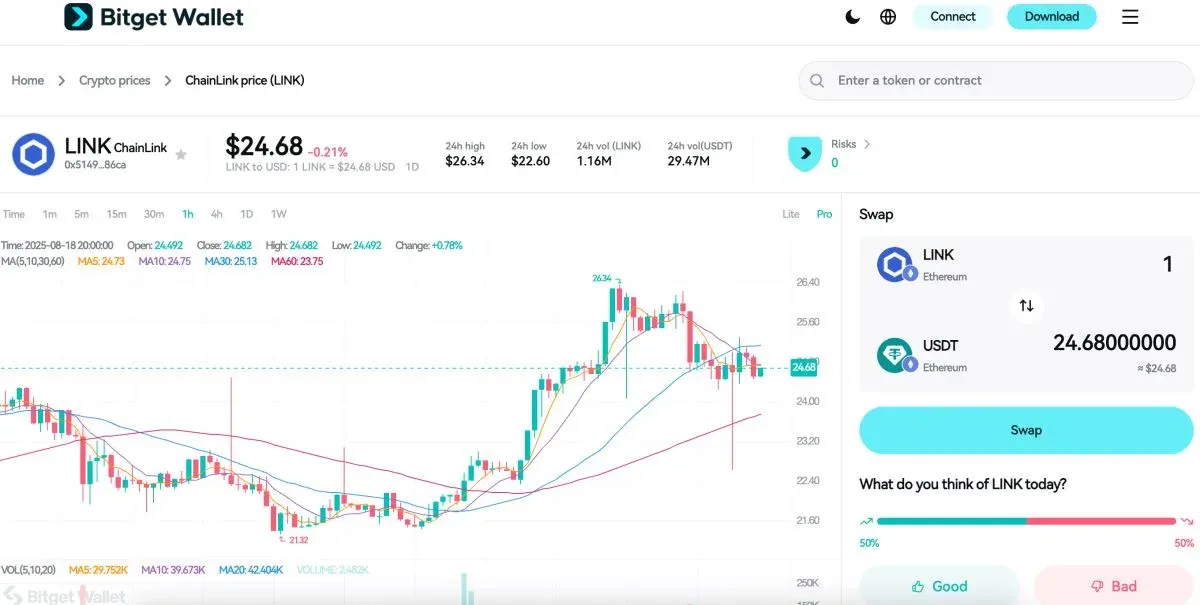
The Team Behind Chainlink (LINK): Experts Driving Innovation
Team Overview
- Core Founders: Sergey Nazarov (Chief Executive Officer) and Steve Ellis (Chief Technology Officer) co‑founded the project, bringing extensive experience in secure smart contracts and oracle technology development.
- Technical Team: Composed of developers, researchers and industry advisors worldwide, focusing on oracles, cross‑chain interoperability and blockchain infrastructure.
- Vision: To eliminate the gap between blockchain and the real world, allowing smart contracts to safely and reliably obtain external information and thereby support more advanced Web3 applications.
- Partners: Deep collaborations have been established with Aave, Synthetix, Compound, Google Cloud, Swift and ecosystems such as Ethereum, Polygon, Solana and Avalanche, further cementing Chainlink’s core position in Web3 infrastructure.
Expert Perspective
Industry analysts generally view oracles as the “vasculature” of decentralized finance. Without reliable data entry points, smart contracts’ functionality would be severely limited. Chainlink’s widespread adoption, ongoing staking upgrades and innovations like CCIP are seen as key factors that keep it ahead in the digital economy.
Chainlink (LINK) Roadmap: Key Milestones and Future Development
- Q1 2025: Expand Chainlink Staking v0.2, increasing node participation and network security.
- Q2 2025: Fully deploy the Cross‑Chain Interoperability Protocol (CCIP) on major chains, enabling seamless cross‑chain data transfer.
- Q3 2025: Launch dedicated data feeds and automation services for DeFi, gaming, insurance and enterprise use cases, further strengthening Chainlink’s role as a core Web3 infrastructure component.
These plans highlight $LINK’s tangible value in supporting multi‑chain, cross‑domain applications and signal a growing role in the decentralized economy.
Explore Chainlink (LINK) Easily with the Bitget Wallet
The Bitget wallet offers secure stablecoin storage, popular memecoin trading and multi‑chain experiences, suitable for beginners and advanced users seeking a one‑stop asset management solution.
How to Purchase Chainlink (LINK) on the Bitget Wallet?
Follow these steps to complete your trade quickly:
Step 1: Create an Account
Download the Bitget wallet app, fill in the required information and complete identity verification to finish registration.
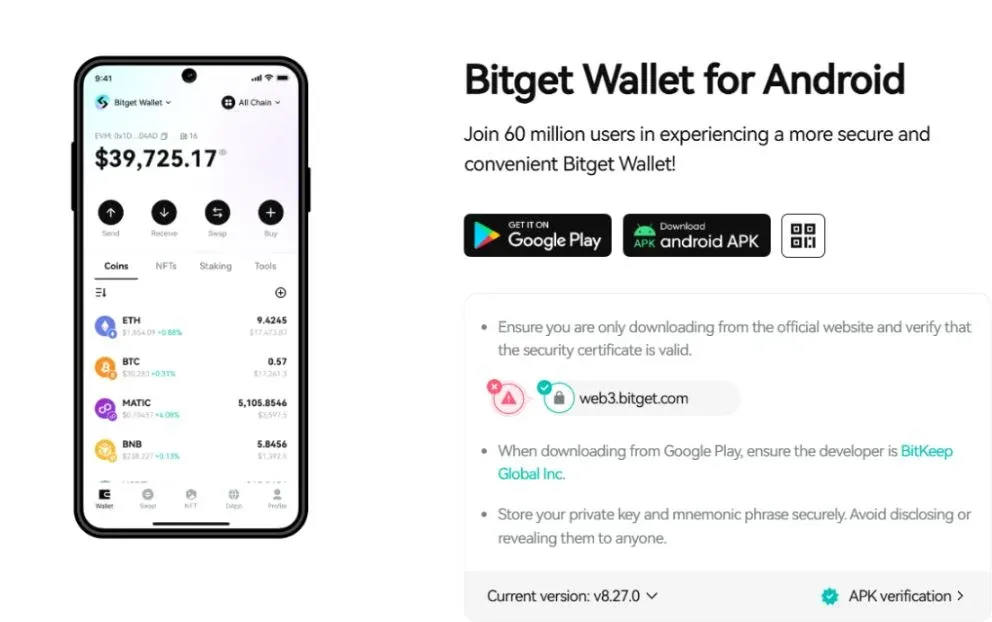
Step 2: Deposit Funds
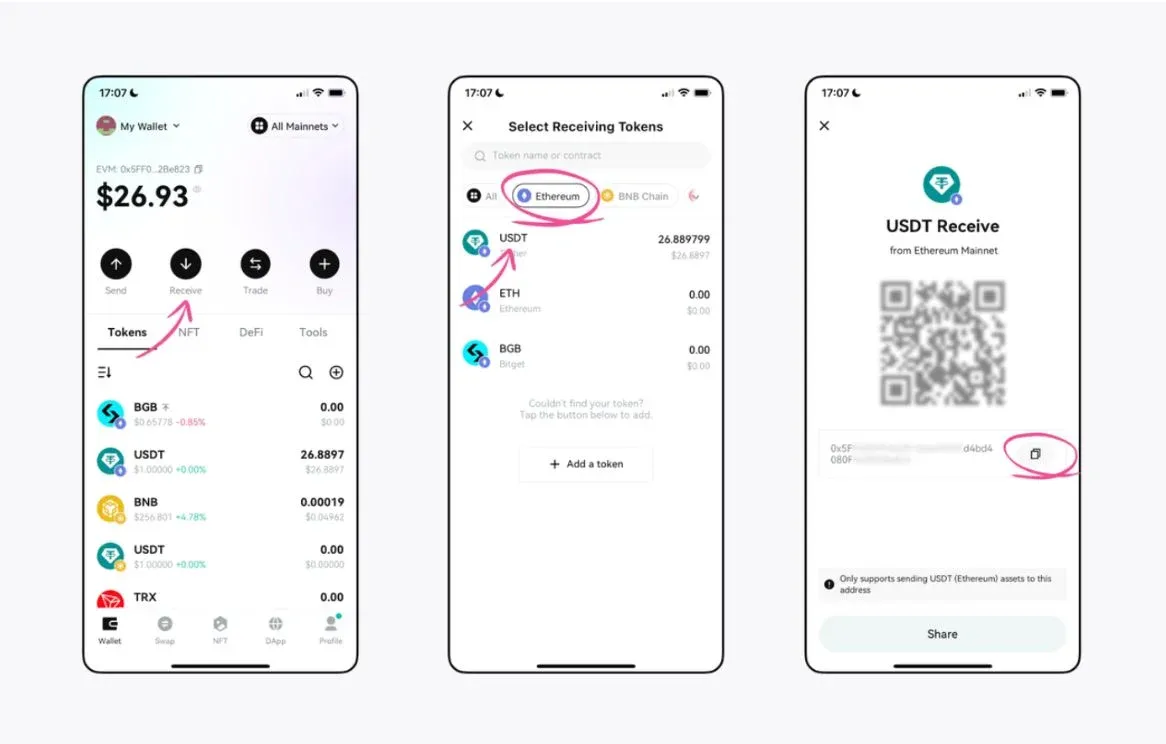
After creating the account, you need to fund the wallet. This can be done in two ways:
- Transfer Crypto Assets: Send assets from another wallet to your Bitget wallet.
- Direct Purchase: Use a credit or debit card within the Bitget wallet to buy cryptocurrency, providing liquidity for the subsequent LINK trade.
Step 3: Search for Chainlink (LINK)
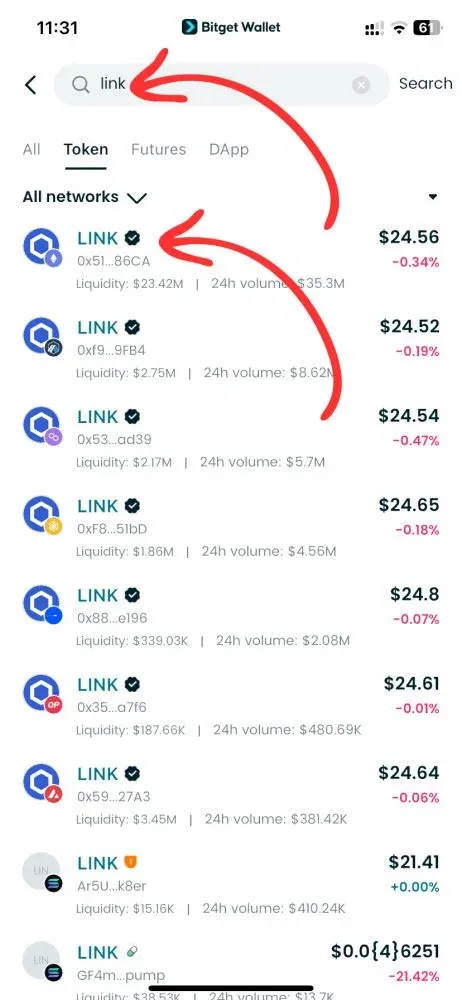
Navigate to the market page in the Bitget wallet and type “Chainlink (LINK)” into the search bar. Click the matching entry to open the trading page.
If the token is not yet listed, monitor the project’s announcements for the latest contract address.
Step 4: Choose a Trading Pair
On the trading page select the pair you wish to trade, such as LINK/USDT, allowing you to exchange LINK for USDT or other assets.
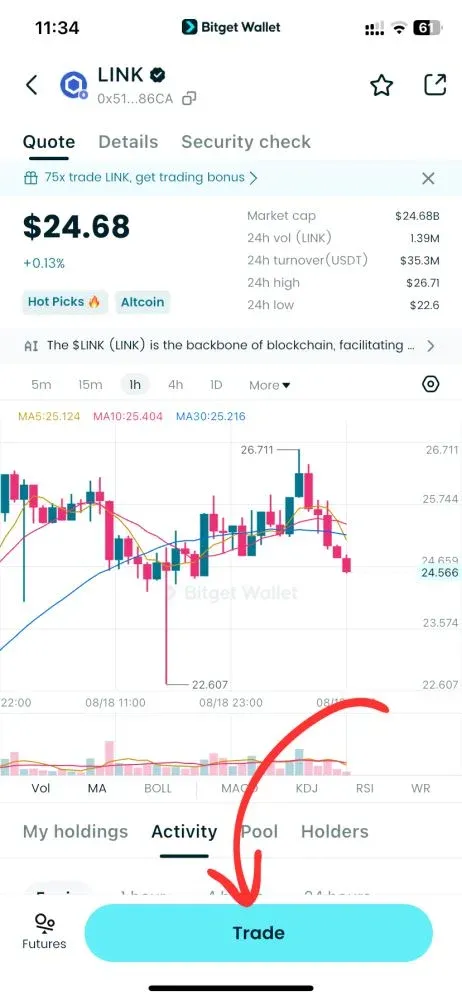
Step 5: Place Your Order
You may choose a market order (executed at the current price) or a limit order (price set by you). Enter the amount of LINK you want to buy and confirm to submit the order.
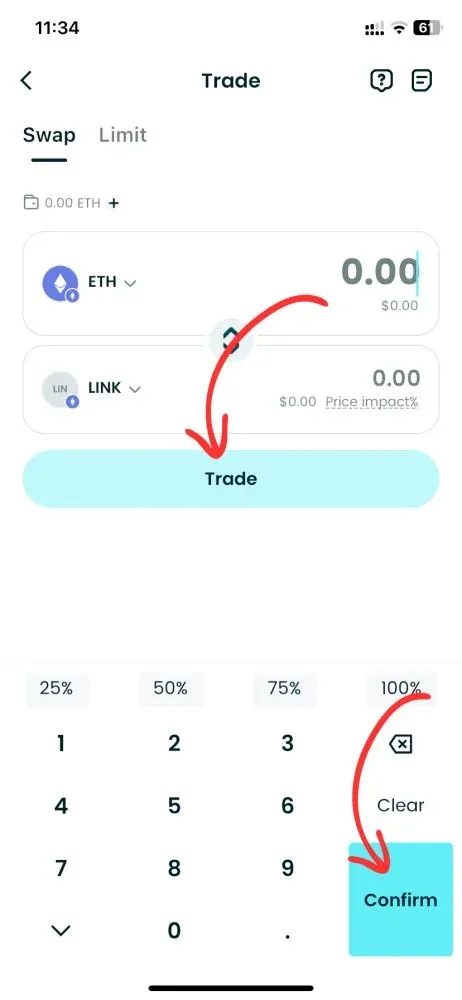
Step 6: Monitor the Trade
After submission, you can view execution progress in the “Open Orders” section. Once completed, the balance screen will display your newly acquired LINK.
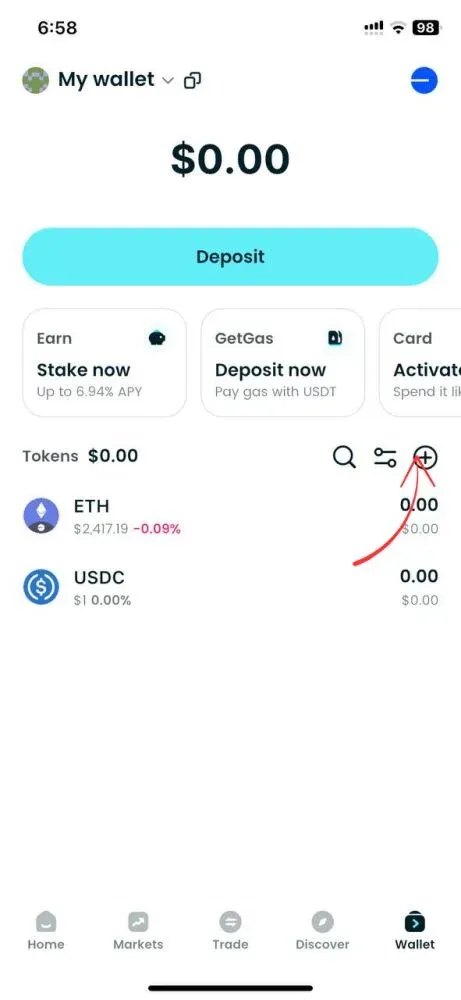
Step 7: Withdraw Funds (Optional)
If you wish to move LINK or other assets to an external wallet, go to the “Withdraw” page, enter the destination address and confirm the transaction.
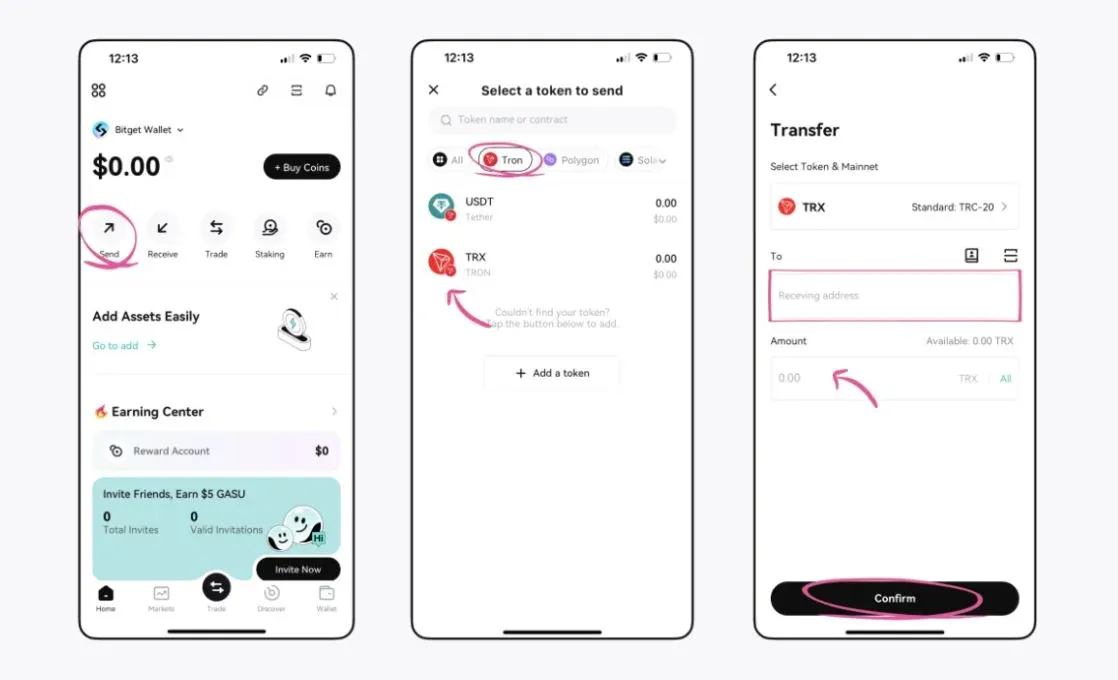
Conclusion
Chainlink (LINK) has transcended the role of a simple token to become a core facility for decentralized data connectivity in Web3. Its extensive usage across DeFi, NFTs, gaming, insurance and enterprise scenarios ensures that on‑chain data remains secure and reliable. Ongoing technical innovation, a robust partnership network and a clear roadmap make LINK an asset worth watching for anyone interested in the future of blockchain.
Purchasing and managing LINK through the Bitget wallet is not only straightforward but also grants access to cross‑chain, staking and secure storage features, enabling users to handle multi‑chain assets within a single interface.
Frequently Asked Questions
1. What is the purpose of Chainlink (LINK)?
LINK is the native token of the Chainlink decentralized oracle network. It is used to pay node operators for data services and can be staked to help secure the network and earn rewards.
2. Why is Chainlink important to the blockchain ecosystem?
Smart contracts cannot directly access off‑chain information. Chainlink securely transports tamper‑proof, verified external data—such as prices, weather or event information—to blockchains, making it indispensable for DeFi, insurance, gaming, NFTs and cross‑chain applications.
3. How can I safely purchase and store Chainlink (LINK)?
You can acquire LINK on major exchanges such as Bitget and store it in the Bitget wallet. The wallet supports token swaps, staking and cross‑chain functionality, catering to both beginners and advanced users.
For deeper analysis of Chainlink (LINK), stay tuned to Bitaigen’s upcoming special reports.
Related Reading
- LINK Momentum: On‑Chain Flows & Protocol Upgrades
- Chainlink (LINK) 2025‑2031 Forecast: $13‑$202 Price Outlook
- Chainlink (LINK) 2025‑2030 Price Outlook: Tech, Edge & Market
💡 Register on Binance with referral code B2345 for the maximum trading fee discount. See Binance complete guide.



