
 Bitaigen Research
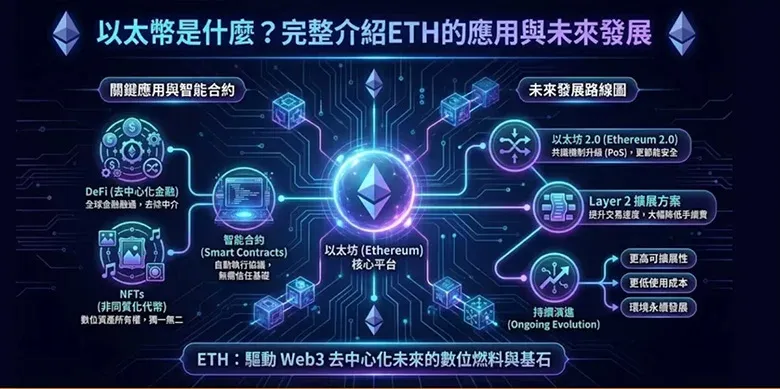
 In this article we systematically outline the origin, technical attributes, and core role of Ether (ETH) within the Ethereum ecosystem, and provide a guide for purchasing it securely. By analyzing the latest technical upgrades and regulatory trends, we help readers grasp ETH’s potential development trajectory, build a comprehensive overview quickly, and conclude with a FAQ section that’s worth a careful read.
Ether (ETH) Overview and Outlook
Since its launch in January 2014 by Vitalik Buterin (often referred to as “V God”), Ether has evolved from a simple transaction token into the core fuel of the Ethereum ecosystem. It serves both as the fee for on‑chain transactions and as an indispensable element in decentralized applications (DApps) and smart contracts.
According to data from CoinMarketCap, ETH’s total market capitalization ranks second worldwide, trailing only Bitcoin.
In the following sections we will first examine how technical upgrades and regulatory developments may benefit ETH, then review its fundamental properties, primary use cases, and how to acquire it safely, and finally wrap up with a FAQ to give readers a well‑rounded understanding of this digital fuel.
---
Future Trends: Technical Iteration and Regulatory Easing
Layer 2 Scaling Solutions
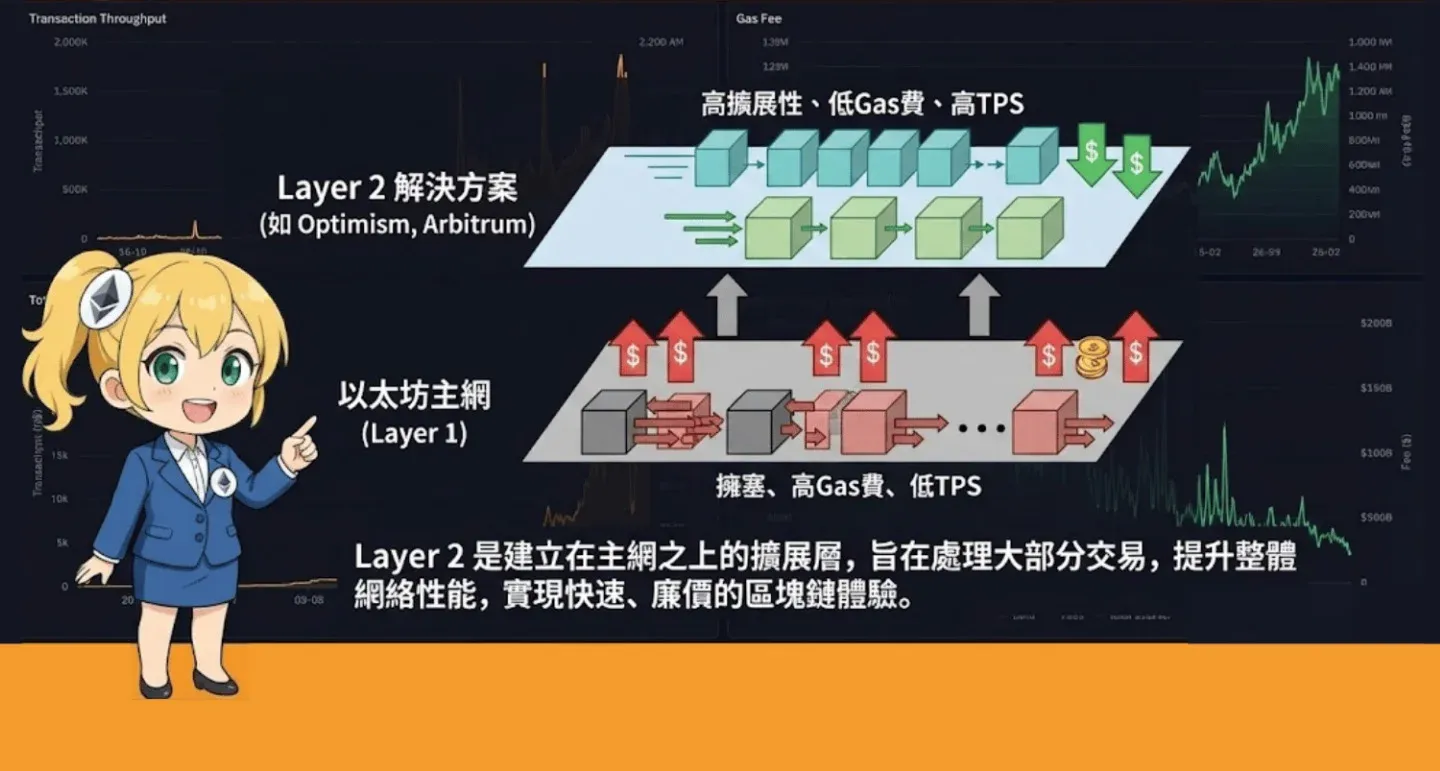
Ethereum’s base layer (Layer 1) originally handled roughly 15–20 transactions per second. During the NFT boom and DeFi explosion, the network often became congested, pushing gas fees up to “one Ether” per transaction. To alleviate this bottleneck, the community introduced second‑layer (Layer 2) solutions built on top of the main chain—such as sidechains and rollups.
- Projects like Lightning Network, Arbitrum (ARB), and Optimism (OP) shift most computation off‑chain and then batch‑submit proofs to the mainnet, achieving a dramatic increase in TPS and a significant reduction in fees.
- The emergence of these Layer 2 solutions narrows the gap between Ethereum and competing public blockchains in terms of speed and cost, laying a sturdier foundation for real‑world deployments.
Improving Regulatory Landscape
Since the approval of Bitcoin ETFs, regulators worldwide have gradually softened their stance toward crypto assets. In Q2 2025, the United States passed the GENIUS Act, bringing tokenized real‑world assets (RWA) into the regulated financial system and boosting institutional demand for decentralized infrastructure.
Ethereum, with its mature ecosystem, relatively low gas fees, and proven Layer 2 solutions, is positioned as the preferred platform to meet this demand. The combination of regulatory easing and technical upgrades helped ETH reach an all‑time high of 4,953 USD in 2025.
---
What Is Ether? Quick Facts
| Item | Data |
|---|---|
| **Full Name** | Ether (symbol ETH) |
| **Launch Date** | July 2015 |
| **Founder** | Vitalik Buterin |
| **Circulating Supply** | Approximately 12 billion (as of November 2025) |
| **Market Cap** | About **363.7 billion USD** (as of November 2025) |
| **Supply Cap** | Unlimited |
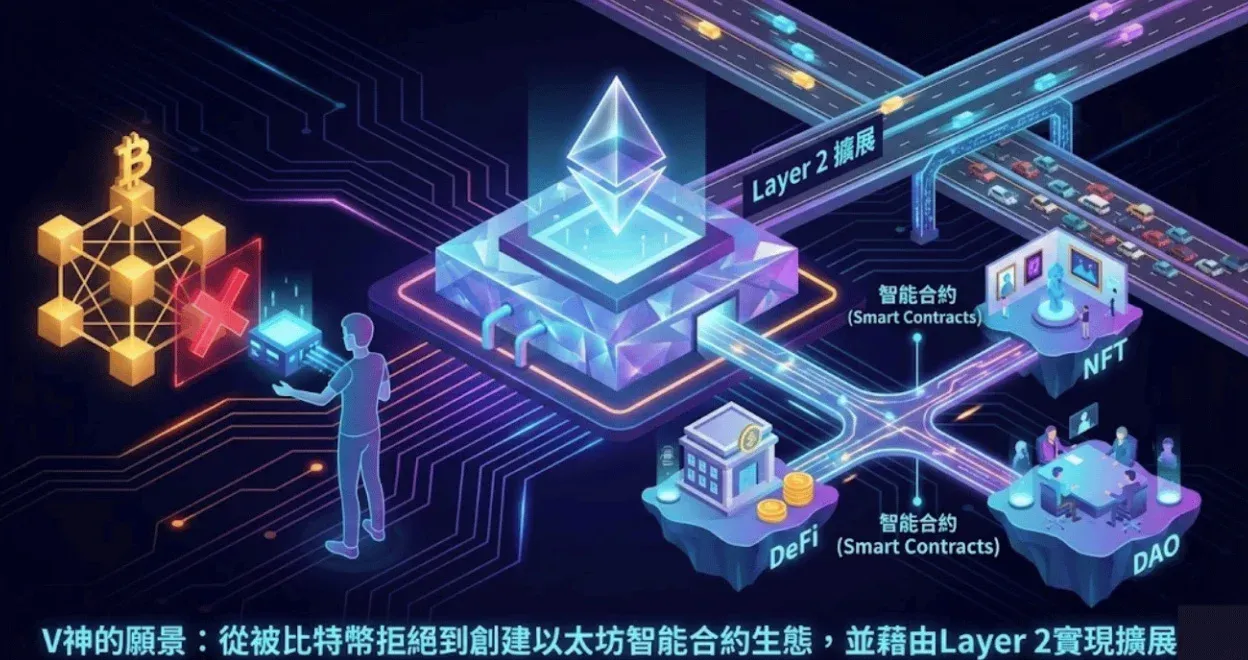
Ether functions in the Ethereum network much like a toll on a highway: the blockchain is the road, and ETH is the fee required to travel it. Vitalik initially wanted to add richer functionality to the Bitcoin network, but after community disagreements he decided to start a new platform that supports “one‑to‑many” interactions—Ethereum.
Smart contracts are the core of this platform; they enable anyone to execute automated transactions without trusting a centralized intermediary.
---
Main Use Cases for Ether
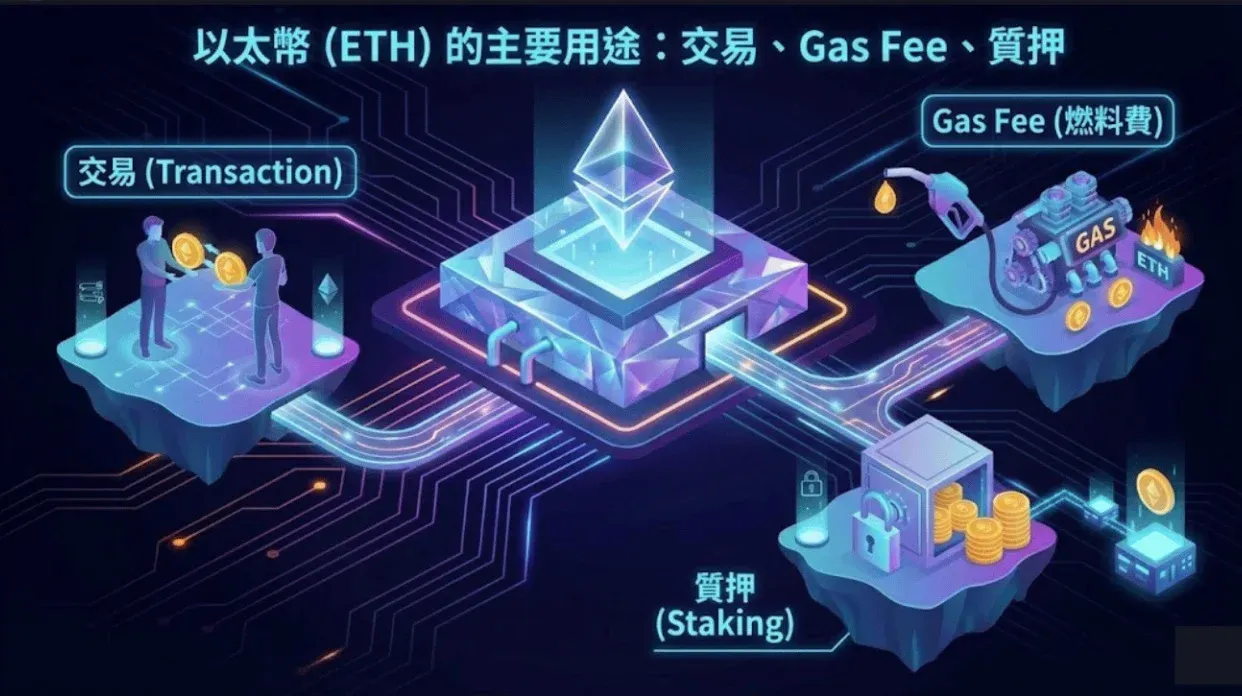
1. Gas Fee – Fuel for On‑Chain Operations
Whether sending a transfer, minting an NFT, or invoking a DeFi protocol, a certain amount of ETH must be paid as a gas fee. Fees fluctuate with network activity and rise when the chain is congested.
2. Execution of Smart Contracts
A smart contract is self‑executing code deployed on the blockchain that automatically carries out predefined actions once conditions are met. For example, on OpenSea a user issues a purchase command to the contract; the system verifies payment and instantly transfers the NFT to the buyer’s wallet—no third‑party needed, akin to a vending machine.
3. Staking for Passive Income
After the 2022 Ethereum 2.0 upgrade, the network shifted from proof‑of‑work (PoW) to proof‑of‑stake (PoS). Holders can lock ETH in validator nodes and earn network rewards, which has become a primary way for long‑term investors to generate passive income.
4. Trading and Value Storage
Thanks to its relatively low market cap and high liquidity, ETH ranks among the top‑traded assets on major exchanges and is often dubbed “digital oil” of the crypto market. Its price volatility attracts both short‑term traders and medium‑to‑long‑term investors.
---
How to Purchase Ether? Step‑by‑Step Guide
Major Exchanges Overview
Below is a list of commonly used centralized exchanges. Users can register, deposit, and withdraw according to their needs.
| Exchange | Spot Trading Fee | Futures Order Fee | Taker Fee | Referral Code |
|---|---|---|---|---|
| OKX | 0.1 % | 0.02 % | 0.05 % | `B2345` |
| Binance (global) | 0.1 % | 0.02 % | 0.05 % | `B2345` |
| Binance.US (U.S. residents) | 0.1 % | 0.02 % | 0.05 % | `B2345` |
| Huobi HTX | 0.2 % | 0.02 % | 0.06 % | `b6yq8223` |
| Gate.io | 0.15 % | 0.02 % | 0.15 % | `JBZJGOOD` |
| Bybit | 0.1 % | 0.02 % | 0.055 % | `B2345` |
| Bitget | 0.1 % | 0.02 % | 0.06 % | `good9999` |
| XT.COM | 0.2 % | 0.04 % | 0.06 % | `ZFENM8` |
Friendly reminder: Registering through the links provided in this article may grant you platform rebates and welcome bonuses. For identity verification, use your national ID (e.g., passport or driver’s license). When possible, select an IP region within your jurisdiction (e.g., EU for SEPA/SWIFT transfers) to avoid geographic restrictions.
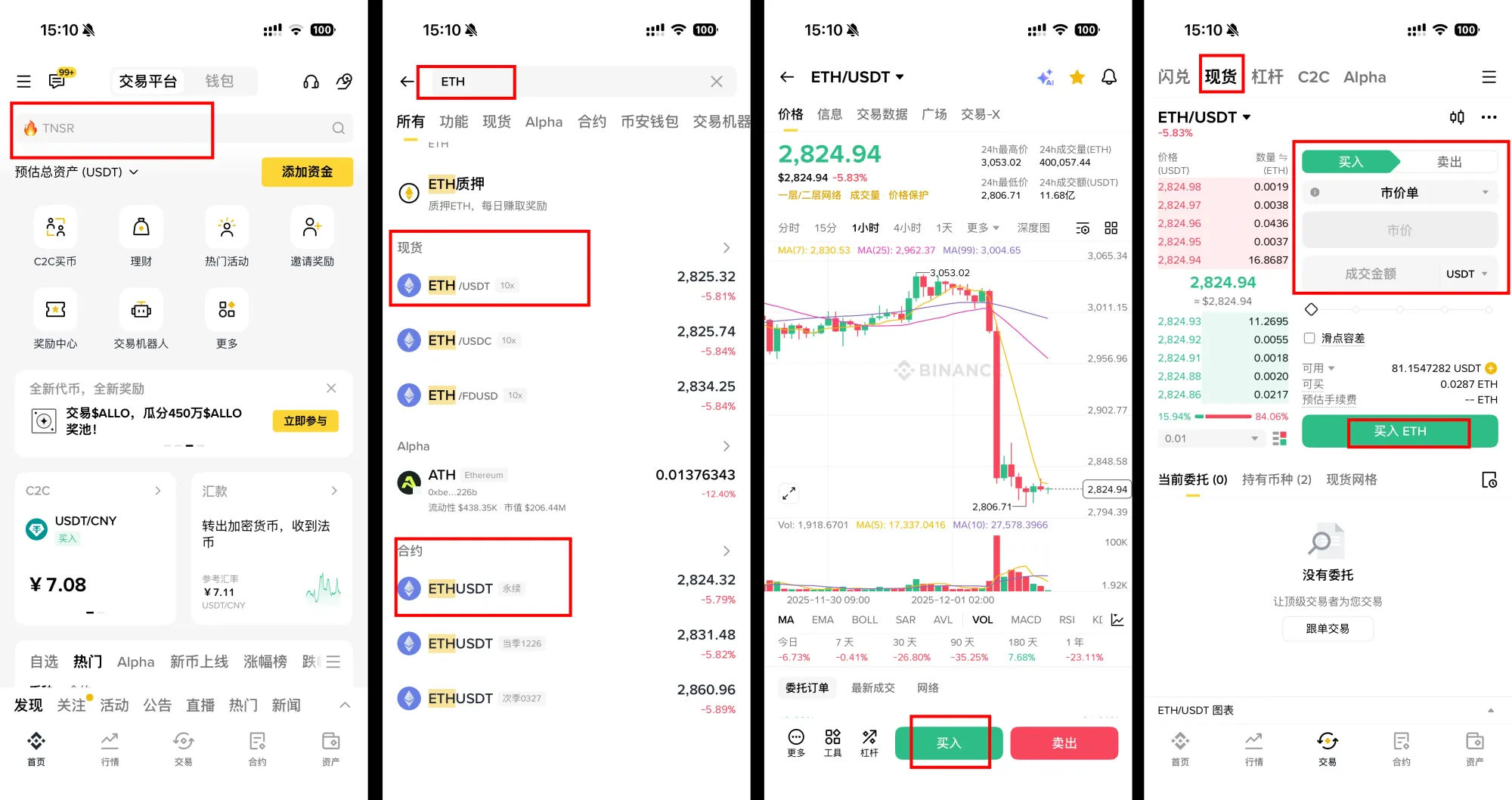
Example Purchase Flow on Binance (or Binance.US for U.S. users)
- Open the Binance (or Binance.US) app and type “ETH” into the search bar.
- On the trading page you’ll see various markets—spot, futures, etc. Choose Spot.
- Tap Buy, which defaults to a market order for instant execution.
- Enter the amount of ETH you wish to acquire, review the details, and confirm the order.
---
Investment Considerations and Potential Risks
Investment Perspective
- Demand‑Driven Growth: As Web 3 applications proliferate, on‑chain demand for gas fees is expected to rise.
- Technical Edge: Ongoing Layer 2 scaling and the PoS consensus of Ethereum 2.0 provide higher security and scalability.
- Regulatory Upside: The approval of ETFs and the legalization of tokenized assets create pathways for institutional capital.
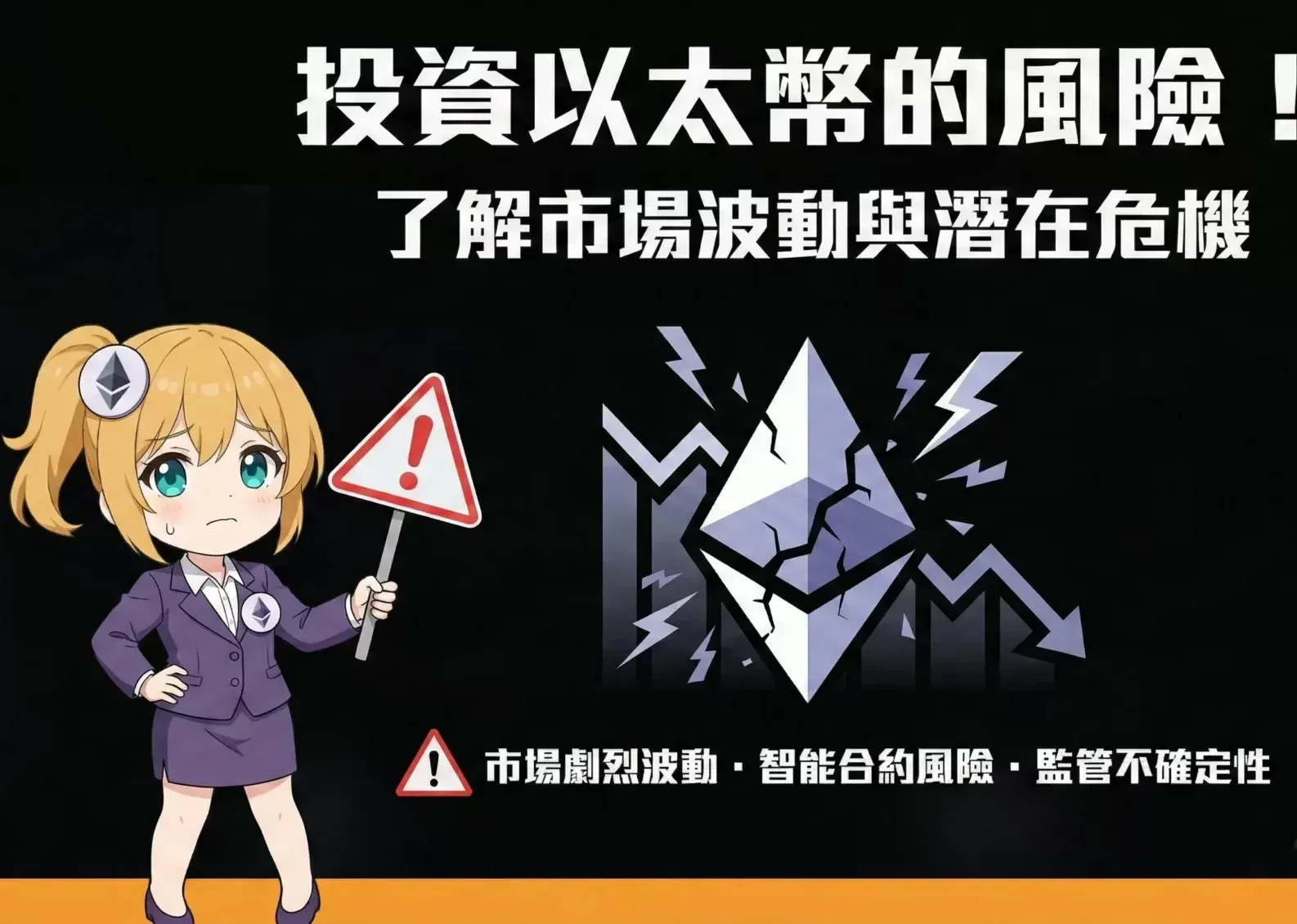
Risk Alerts
- Competing Blockchains: Networks such as Solana, Tron, and Cardano are innovating on throughput and fee structures, potentially eroding Ethereum’s market share.
- Policy & Macro Factors: Tightening regulation or a global economic downturn could negatively impact ETH’s price.
Disclaimer: Cryptocurrency assets exhibit price volatility far greater than traditional financial products. Please ensure proper asset allocation and risk management. Additionally, gains from crypto transactions may be taxable in your jurisdiction; consult a tax professional for guidance.
---
Quick FAQ
Is Ether’s supply limited?
Ether has no fixed cap. After the introduction of the EIP‑1559 burn mechanism, a portion of ETH is destroyed with each active transaction, helping to balance supply and demand when demand rises.
Are Ethereum and Ether the same thing?
Ethereum refers to the underlying public blockchain; ETH is the native token that circulates on that chain. The terms are often used interchangeably, but they denote different layers.
Is Ether a scam?
ETH itself is a legitimate crypto asset. However, phishing sites, counterfeit DApps, and other scams have historically targeted users. Maintaining good security hygiene is essential.
Is Ethereum a company?
Ethereum is maintained by the non‑profit Ethereum Foundation, which funds ecosystem development rather than seeking commercial profit.
How can I view on‑chain activity?
Etherscan is the official Ethereum block explorer, functioning like a search engine for the blockchain. It lets you look up transaction hashes, wallet balances, gas fees, and smart‑contract interactions.
---
This article systematically covered Ether’s definition, functionality, acquisition methods, and development trends, enabling you to make a more informed and rational assessment after understanding its fundamentals. For deeper insights, stay tuned to the Bitaigen platform’s future updates.
Related Reading
- Ethereum (ETH) Overview: History, Use Cases & Vitalik Buterin
- Ethereum Merge: Ethereum vs Ether Explained
- Ethereum Reclaims $4,000: 3 Drivers to Boost ETH in Oct
💡 Register on Binance with referral code B2345 for the maximum trading fee discount. See Binance complete guide.



