
 Bitaigen Research
 Litecoin (LTC) has long been a focus for many investors as a veteran cryptocurrency, and in October 2025 it even launched a spot LTC ETF.
Litecoin (LTC) is a proof‑of‑work (PoW) cryptocurrency that uses the Scrypt algorithm and is positioned as “digital silver.” Block confirmations take roughly 2.5 minutes, its price moves in line with the broader crypto market, and it can be bought on spot markets such as OKX. Compared with Bitcoin, Litecoin offers faster confirmations and lower transaction fees.
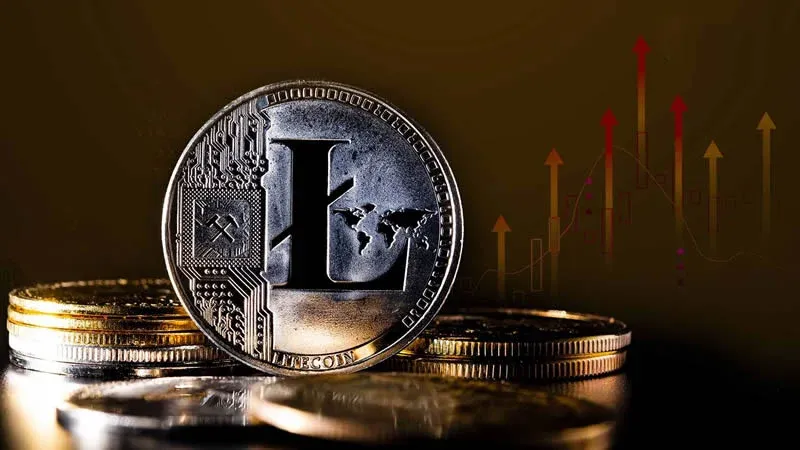
From the perspectives of technology, use‑cases, and market dynamics, we systematically outline Litecoin’s core characteristics, price evolution, and acquisition channels, and we compare it with Bitcoin. This helps readers quickly assess its role in a diversified portfolio. If you want to understand why “digital silver” continues to attract attention, keep reading for a complete analysis.
What Is Litecoin (LTC)?
Litecoin (LTC) was launched in 2011 by former Google engineer Charlie Lee, with the aim of providing a blockchain‑based transfer and payment experience better suited for everyday use.
LTC is built on the same core codebase as Bitcoin (BTC), preserving the same security model and supply‑cap logic, but it adjusts several parameters to address Bitcoin’s slower transaction processing and higher fees. This makes Litecoin more appropriate for low‑value payments, which is why it is often dubbed digital silver.
Litecoin Mechanism
- Consensus mechanism: Uses Proof‑of‑Work (PoW); miners receive block rewards and transaction fees for securing the network.
- Mining algorithm: Employs Scrypt, which is more memory‑hard than Bitcoin’s SHA‑256 and therefore more accessible to ordinary hardware, enhancing decentralisation.
- Block time: Approximately 2.5 minutes per block, yielding faster confirmation than Bitcoin.
- Maximum supply: Capped at 84 million coins; a halving occurs every 840,000 blocks (roughly every four years).
A higher block frequency means the ledger updates more often, reducing the likelihood of congestion. This is one of the reasons Litecoin is favoured for payment settlements, exchange withdrawals, and cross‑platform fund movements.
Official website: <https://litecoin.com/>
Litecoin (LTC) vs. Bitcoin (BTC)
| Item | Litecoin (LTC) | Bitcoin (BTC) |
|---|---|---|
| Launch year | 2011 | 2009 |
| Primary positioning | Payment‑focused “digital silver” | Store‑of‑value “digital gold” |
| Consensus mechanism | PoW (Proof‑of‑Work) | PoW (Proof‑of‑Work) |
| Mining algorithm | **Scrypt** | SHA‑256 |
| Max supply | 84 million coins | 21 million coins |
| Block time | ~2.5 minutes | ~10 minutes |
| Transaction speed (TPS) | Faster (≈56 tx/s) | Slower (≈7 tx/s) |
| Fees | Very low (≈ $0.03–$0.04) | Higher (≈ $7.60) |
Source: <https://coinmarketcap.com/academy/article/litecoin-vs-bitcoin>
Is Litecoin a Scam?
Litecoin is not a scam project, but a few community incidents have sparked doubts among some investors.
- Founder selling holdings: At the end of 2017, Charlie Lee publicly sold a portion of his LTC holdings, stating that the move was meant to eliminate any perceived conflict of interest from “holding‑and‑talking.” The announcement caused a short‑term dip in confidence, but it pertained to the founder’s personal actions rather than any flaw or fraud in the protocol itself.
- Fake news episode: In September 2021 a fabricated press release claimed that “Walmart was partnering with Litecoin,” which triggered a brief, sharp price swing. The story was later debunked, and the market corrected once the hoax was exposed.
These events illustrate typical market‑psychology risks rather than inherent malicious intent within the Litecoin ecosystem.
---
Additional notes for global readers
- When converting fiat to crypto, use USD or other local currencies via SEPA or SWIFT transfers where available.
- U.S. residents must use Binance.US (or another regulated U.S. exchange) rather than the global Binance platform to stay compliant with local regulations.
- Cryptocurrency gains may be taxable in your jurisdiction; consider consulting a tax professional to understand your obligations.
Related Reading
- Ethereum ERC‑20 Tokens: Guide to Standards, Uses & Examples
- Dogecoin Guide: Tech, History, Buying Tips & Market Trends
- Meme Coins Gain Mainstream Investor Attention
💡 Register on Binance with referral code B2345 for the maximum trading fee discount. See Binance complete guide.



