
 Bitaigen Research
 It is well‑known that domestic authorities have taken a cautious stance toward Bitcoin, yet worldwide Bitcoin trading remains legal. As blockchain technology matures and the crypto market stays active, a sizable number of users in China still participate in Bitcoin transactions. In recent years, regulatory pressure has intensified, but it has not dampened investors’ enthusiasm, and a large flow of capital continues to enter the crypto space.
In China, a single large‑value withdrawal (for example, the sale of one Bitcoin, roughly USD 30,000) can trigger bank monitoring and may lead to an inquiry or account freeze; by contrast, smaller amounts or corporate accounts face a relatively lower risk.
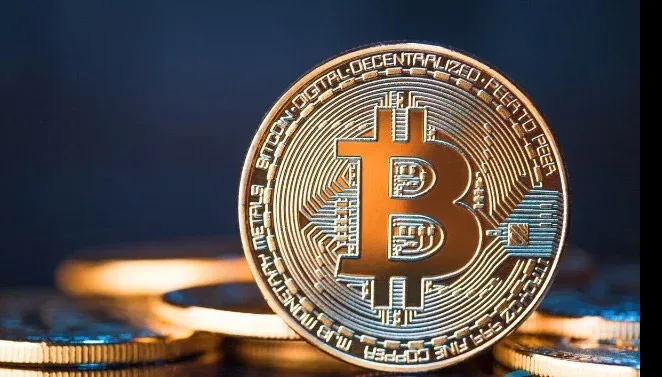
In this article we outline the key factors that cause Bitcoin withdrawals to attract bank scrutiny, dissect the risk differences across account types and transaction sizes, and offer practical mitigation tips so readers can operate safely within a compliant framework. We also present our exclusive take on regulatory trends—read on for the full analysis.
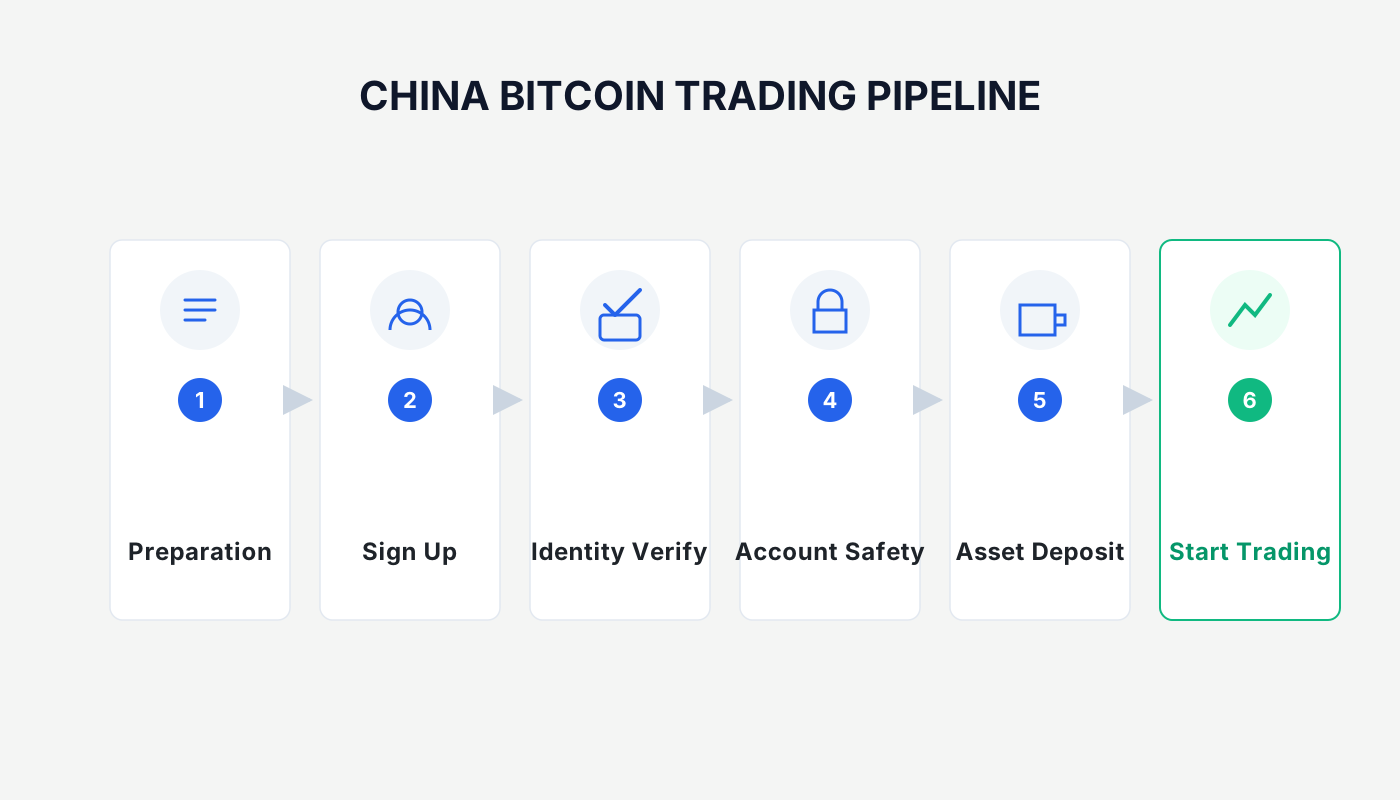
Will a Bitcoin withdrawal be flagged by banks?
Whether a withdrawal is flagged depends primarily on the amount and the type of account involved.
- If you sell roughly USD 30,000 worth of Bitcoin and transfer the proceeds into a personal bank account, it will usually trigger a regulatory review.
- Corporate accounts, which typically handle higher daily cash flow, may not be examined for a single transaction of the same size.
Furthermore, converting the withdrawn funds into foreign currencies such as USD, EUR (via SEPA), or JPY raises the monitoring probability. The United States already taxes Bitcoin transactions, and other jurisdictions are following suit; failure to report accurately could be considered tax evasion.
Recently, Chinese regulators have tightened oversight of crypto assets. According to *Global Times* reporting, more than 90 % of China’s Bitcoin mining capacity has been shut down, and last Friday the Sichuan provincial authorities ordered power cuts to virtual‑currency mining projects. The People’s Bank of China warned that crypto assets could disrupt economic order and increase cross‑border illicit asset transfers and money‑laundering risks, for example by financing gambling or other crimes. Since the start of this year, banks have noticeably stepped up scrutiny of Bitcoin withdrawals. South Korea has also strengthened its oversight of digital assets in response to tax‑evasion concerns.
Is personal income tax owed on Bitcoin withdrawals?
- Gifts: When a holder gives Bitcoin to another person for free, the act is not expressly prohibited by the “Announcement 94” or “Document 289”, but the recipient must declare the value as personal income tax. Failure to do so may constitute tax evasion.
- Foreign‑exchange violations: Purchasing Bitcoin with RMB inside China and then withdrawing the proceeds in a foreign currency, or buying Bitcoin abroad with foreign currency and converting the sale back to RMB, can breach foreign‑exchange regulations and may be treated as money‑laundering, regardless of the number of transactions.
- Peer‑to‑peer transfers: When no money‑laundering or tax‑evasion issues are involved, a holder may transfer Bitcoin directly to another individual. This practice is not expressly banned, but it does not receive policy encouragement.
- Facilitating illegal cross‑border flows: If a holder knowingly sells Bitcoin to a party whose funds originate from illegal activity and helps move those funds across borders, the seller may also be implicated in money‑laundering offenses.
*Note: Crypto gains may be taxable in your local jurisdiction; consult a tax professional for guidance.*
How to withdraw Bitcoin to fiat (RMB) – a brief guide
- Through a regulated exchange: Use a licensed exchange to convert Bitcoin to RMB. In the United States, residents should use Binance.US or another U.S.–compliant platform rather than the global Binance site.
- C2C (over‑the‑counter) trading: Navigate to the “I want to buy crypto” section of a reputable platform, select a counter‑party with a high transaction count and strong reputation. Prior to the trade, communicate extensively, verify the counterpart’s information, and sign a written agreement to reduce risk.
For step‑by‑step instructions, refer to the detailed tutorial articles (links omitted).
---
In summary, Bitcoin withdrawals in China can attract bank monitoring, especially when the transaction is large or involves foreign currencies, which are more likely to trigger a review. Investors should operate within the bounds of applicable laws, fully understand the relevant regulations, and avoid activities that could be classified as money‑laundering or tax evasion.
Related Reading
- Bitcoin Explained: Decentralized Currency, Blockchain & Cypherpunk Roots
- Blockchain Layers Explained: Guide to L0, L1, L2 & L3
- Proof-of-Work: Principles, Mechanics & Real-World Projects
💡 Register on Binance with referral code B2345 for the maximum trading fee discount. See Binance complete guide.



