
 Bitaigen Research
 The contract address of a cryptocurrency plays a pivotal role in the blockchain ecosystem. It serves as the unique on‑chain identifier for a token, and all activities related to that token—issuance, transfer, queries, and smart‑contract interactions—revolve around this address. Whether you are taking part in an Initial Coin Offering (ICO), trading on a decentralized exchange (DEX), or invoking contract functions via a DApp, you must verify that the contract address you use is absolutely correct. Only by confirming the right contract address can investors avoid asset loss caused by address mistakes.
Main Functions of a Contract Address
- Token Creation and Circulation
The contract address is the entry point where the issuer deploys a smart contract on the blockchain. The contract stores critical data such as total supply, token name, and symbol. All subsequent transfers, holdings, and balance updates are processed through this address.
- Holder Permissions and Queries
Only accounts that hold the corresponding private key can transfer or authorize the token associated with the contract address. By querying the address on a blockchain explorer, anyone can view real‑time balances, transaction history, and holder distribution.
- Crowdfunding and Initial Issuance
During an ICO or other token‑fundraising events, investors send native chain assets (e.g., ETH, BNB) to the contract address in exchange for newly issued tokens. Every token listed on an exchange also maps to a single, unique contract address.
- Smart‑Contract Interaction
Developers and users can send transactions to the contract address or call its public functions, thereby altering the contract’s internal state or retrieving specific data. In this sense, the contract address functions like an on‑chain identity card.
- Token Allocation and Burning
At launch, the contract address is used to allocate tokens to users. When tokens need to be reclaimed or burned, they can be sent to the contract address to complete the destruction process.
- Connecting Decentralized Applications (DApps)
DApps reference the designated contract address to interact with on‑chain smart contracts, enabling a variety of use cases such as lending, staking, gaming, and more.
Having grasped the functions of contract addresses, the next step is to learn how to locate them quickly.
In this article we outline the core roles of contract addresses and the paths to verify them, helping readers swiftly identify a token’s identity, avoid mishandling, and offering practical blockchain‑explorer tips. This guidance aims to give you confidence when dealing with ICOs, exchanges, and DApp interactions, and it highlights the key methods for authenticating a token’s legitimacy.
*Please note that cryptocurrency gains may be taxable in your local jurisdiction, and you should consult a tax professional for advice.*
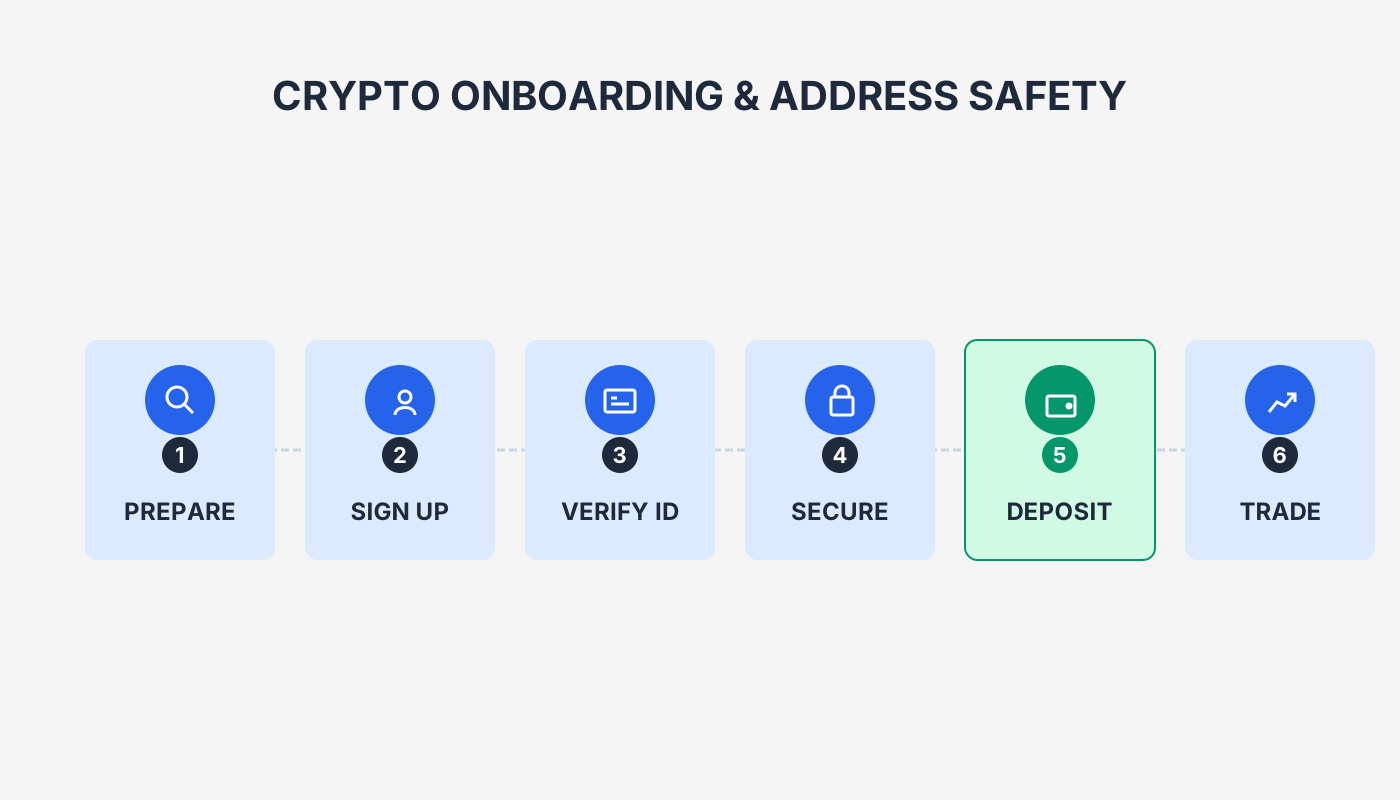
How to Look Up a Token’s Contract Address Information?
Common sources for obtaining a token’s contract address include the project’s official website and the blockchain explorer for the relevant chain. Below, we use the widely known Uniswap (UNI) token on the Ethereum network as an example to demonstrate step‑by‑step how to find a contract address on a block explorer:
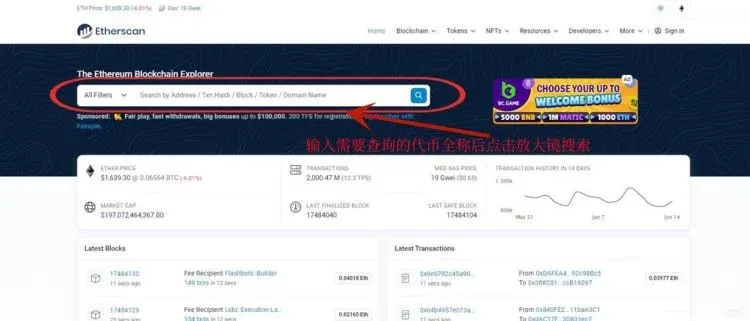
- Visit Etherscan (the official Ethereum block explorer) homepage.
- In the search box located at the top‑left of the page, type the full token name (e.g., “Uniswap”) and then click the magnifying‑glass icon to initiate the search.
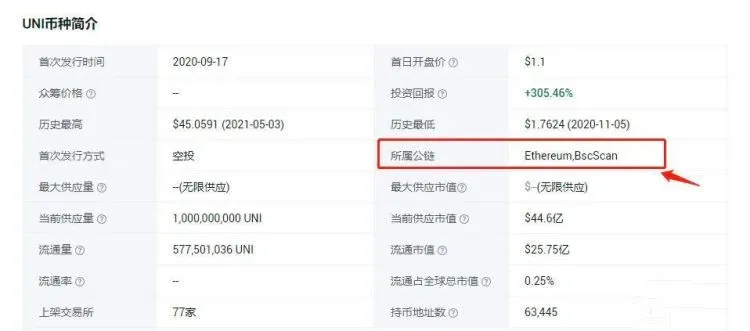
- If you are unsure which public chain the token belongs to, first check the chain information in the token’s description. For instance, UNI resides on Ethereum, so you would query it on Etherscan; tokens on Binance Smart Chain would be looked up on BscScan, and so forth.
- After opening the token’s detail page from the search results, you can directly see the contract address field. For UNI, the contract address is: `0x1f9840a85d5aF5bf1D1762F925BDADdC4201F984`.
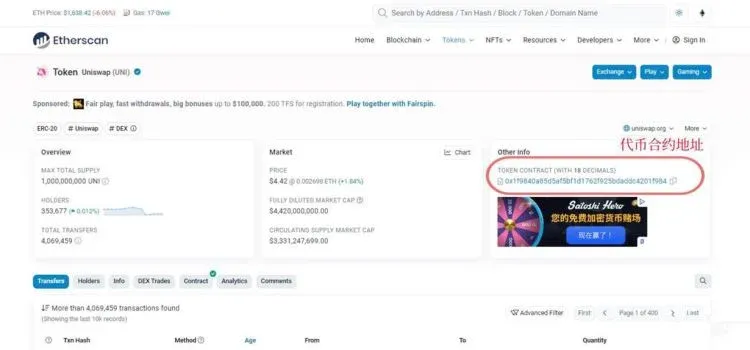
By following the steps above and cross‑referencing the project’s official website or trusted social‑media channels, users can verify and record the correct contract address. This provides a reliable basis for subsequent deposits, transfers, or investment actions.
When dealing with fiat on‑ramps or withdrawals, the global market typically uses USD for North American users and SEPA/SWIFT for European transactions. U.S. residents should conduct any centralized‑exchange activity through Binance.US rather than the global Binance platform to remain compliant with local regulations.
---
*This translation preserves the original markdown formatting, image URLs, and the informational integrity of the source text while adapting terminology for a worldwide audience.*
Related Reading
- How to Look Up a Blockchain Contract Address Quickly
- Contract Address Basics: Blockchain Analysis & KYC
- 5 DeFi Trends & 14 Projects to Watch in 2024
💡 Register on Binance with referral code B2345 for the maximum trading fee discount. See Binance complete guide.



