
 Bitaigen Research
 As Decentralized Finance (DeFi) Continues to Evolve Globally, Solana Is Building One of the Most Vibrant Financial Networks for 2025
With its high‑speed transaction finality and extremely low fees, Solana is progressively establishing itself as one of the most dynamic financial networks expected in 2025. Behind this growth lies an expanding developer community and increasingly mature infrastructure, offering both new and veteran users an experience that balances efficiency with decentralization.
In this article we have compiled the eight most promising DeFi projects within the Solana ecosystem for 2025, focusing on their technical advantages, ecosystem positioning, and potential security and regulatory risks. By deeply analyzing each project's core mechanisms and community support, readers can quickly grasp the key points for investment and usage. The following sections provide a detailed assessment.
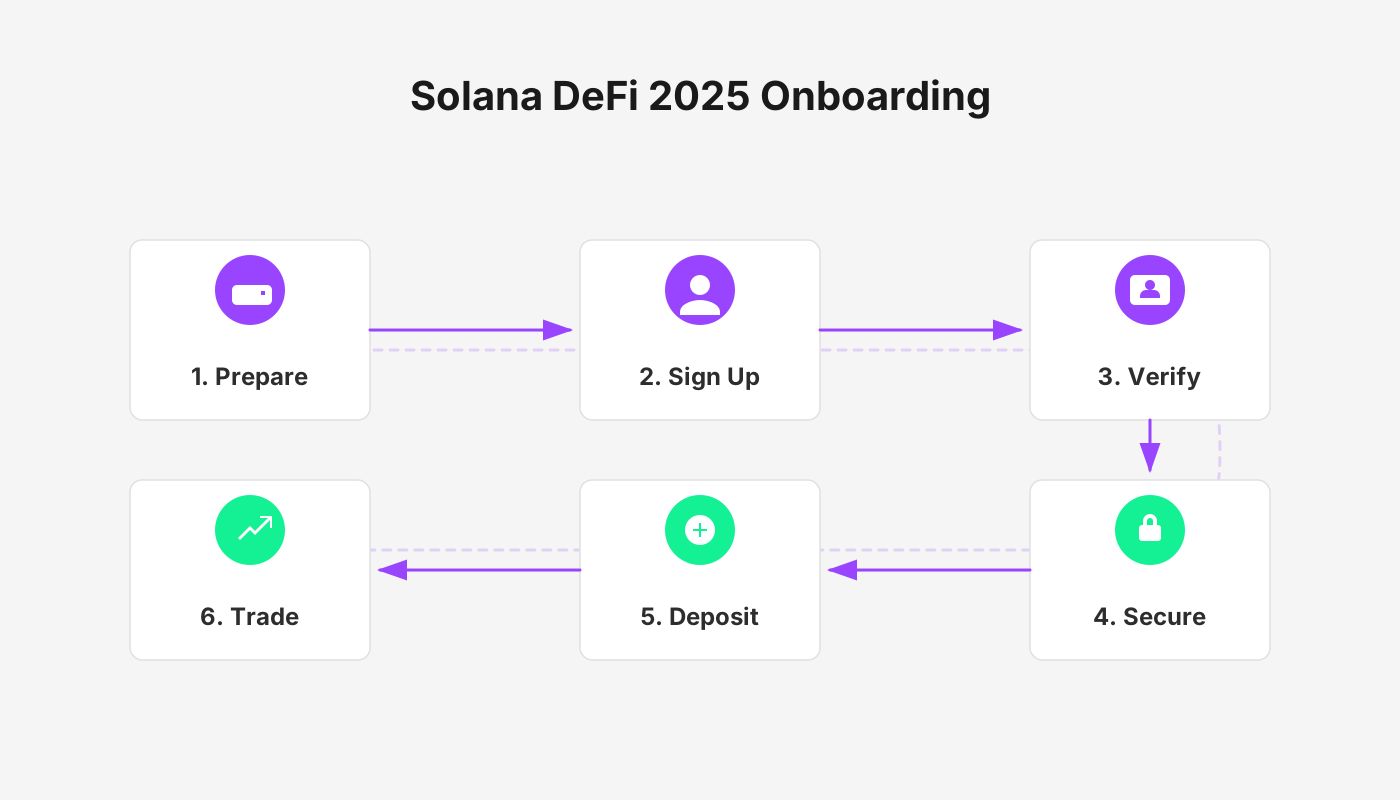
Risks and Considerations Before Using Solana DeFi Projects
Even though Solana’s technical strengths are evident, entering its ecosystem still requires a careful assessment of potential risks:
- Smart‑contract vulnerabilities: The security of DeFi protocols depends on code quality. Audits can reduce risk but cannot eliminate bugs entirely. Before committing funds, be sure to review the project’s audit reports and any historical security incidents.
- Early‑stage protocol risk: Some projects are still in their infancy and lack long‑term operational data. Higher yields often come with greater uncertainty.
- Validator centralization: To maintain high throughput, Solana relies on a relatively small set of validators, which could affect the network’s decentralization over the long term.
- Cross‑chain bridge risk: A large amount of assets are moved onto Solana via cross‑chain bridges; if the bridge layer is attacked or malfunctions, assets may become locked or liquidity could be impaired.
- Regulatory uncertainty: The legal status of DeFi is still being explored, and changes in global regulatory policies may impact a project’s compliance and user pathways.
Why Solana DeFi Projects Are Especially Critical in 2025
1. Becoming the World’s Second‑Largest DeFi Public Chain
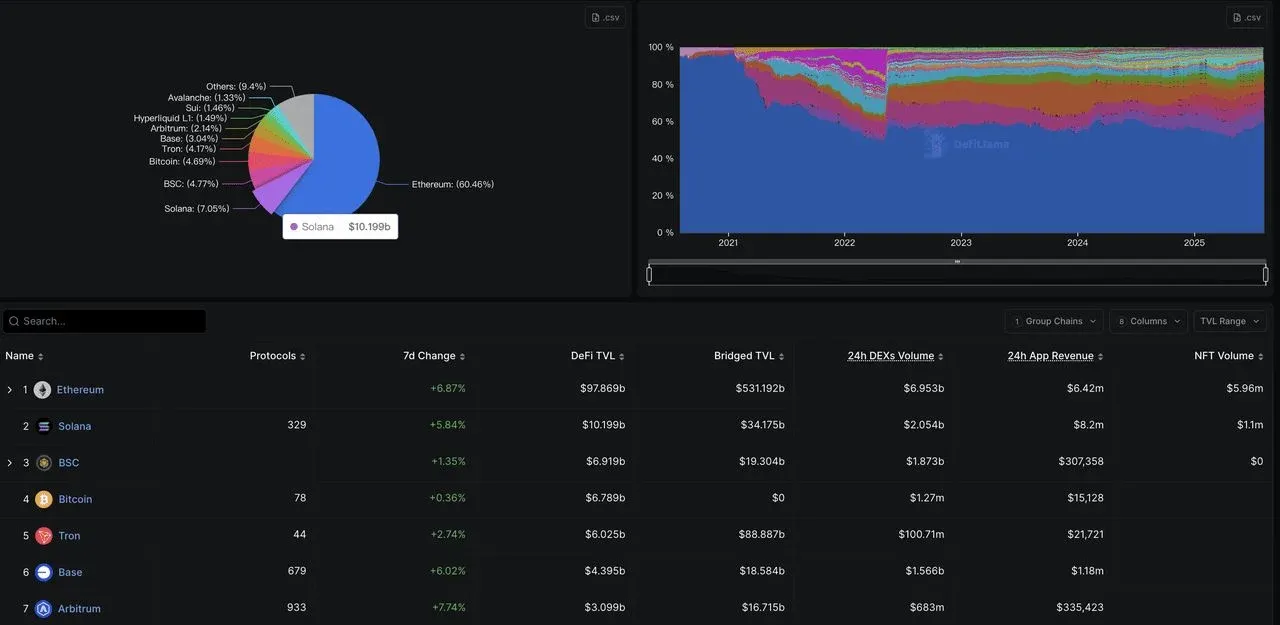
As of August 2025, Solana has risen to the position of the second‑largest DeFi blockchain by total value locked (TVL), securing roughly $10.2 billion in assets, which represents 7.05 % of the global DeFi market. The chain supports 329+ protocols and has attracted more than $34 billion worth of cross‑chain assets, underscoring strong demand for interoperability. Stablecoin market cap on Solana has surpassed $11 billion, further cementing its role as a value‑transfer platform.
2. Institutional Adoption and the Rise of Staking ETFs
The DeFi market is projected to reach $231 billion by 2030. Solana’s high throughput, low fees, and scalability have attracted a growing number of institutions that now include SOL in their asset allocations. The recently launched Solana staking ETF provides regulated exposure to SOL and simultaneously captures staking rewards, marking a further convergence between traditional finance and on‑chain finance.
Eight Solana DeFi Projects Worth Watching in 2025
The following projects are organized by functional layer to give readers a systematic view of each project’s positioning and innovations.
1. Lending Pioneer – Kamino Finance (KMNO)
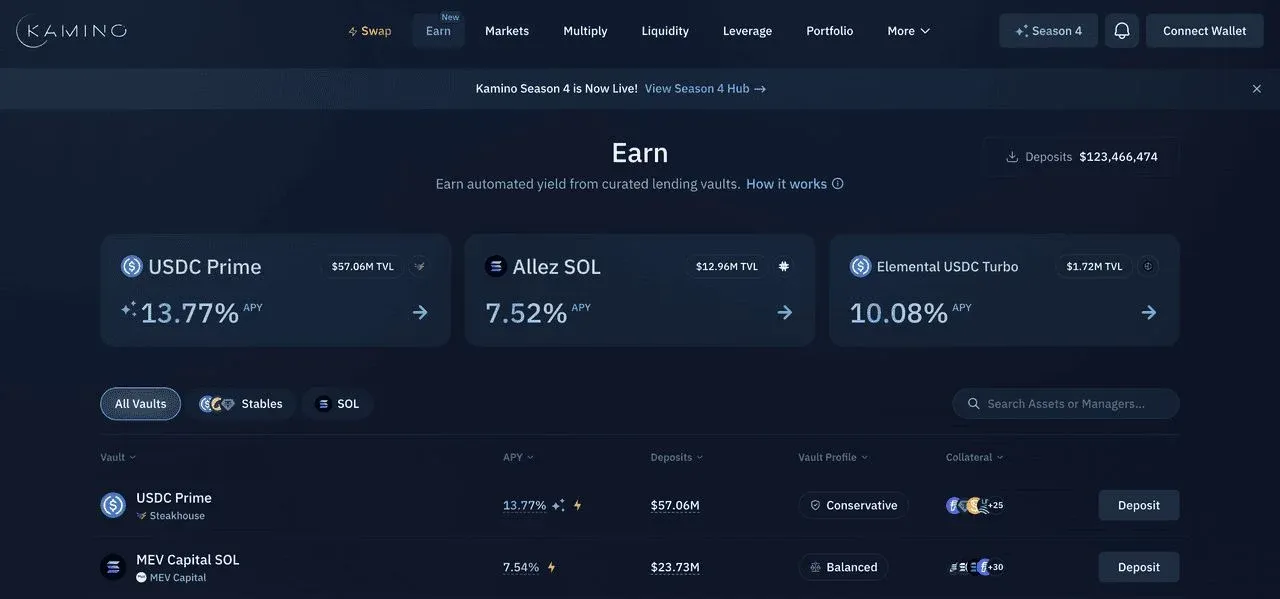
Project type: Lending protocol
Since 2024, Solana’s lending sector has grown exponentially, with an annual growth rate exceeding 300 %. Kamino Finance uses Automated Liquidity Vaults (ALVs) to dynamically rebalance positions and incorporates advanced risk‑management models. It has attracted roughly $1.6 billion in TVL, becoming a core entry point for institutional‑grade lending services on the chain.
2. Liquid Staking Innovation – Jito (JTO)
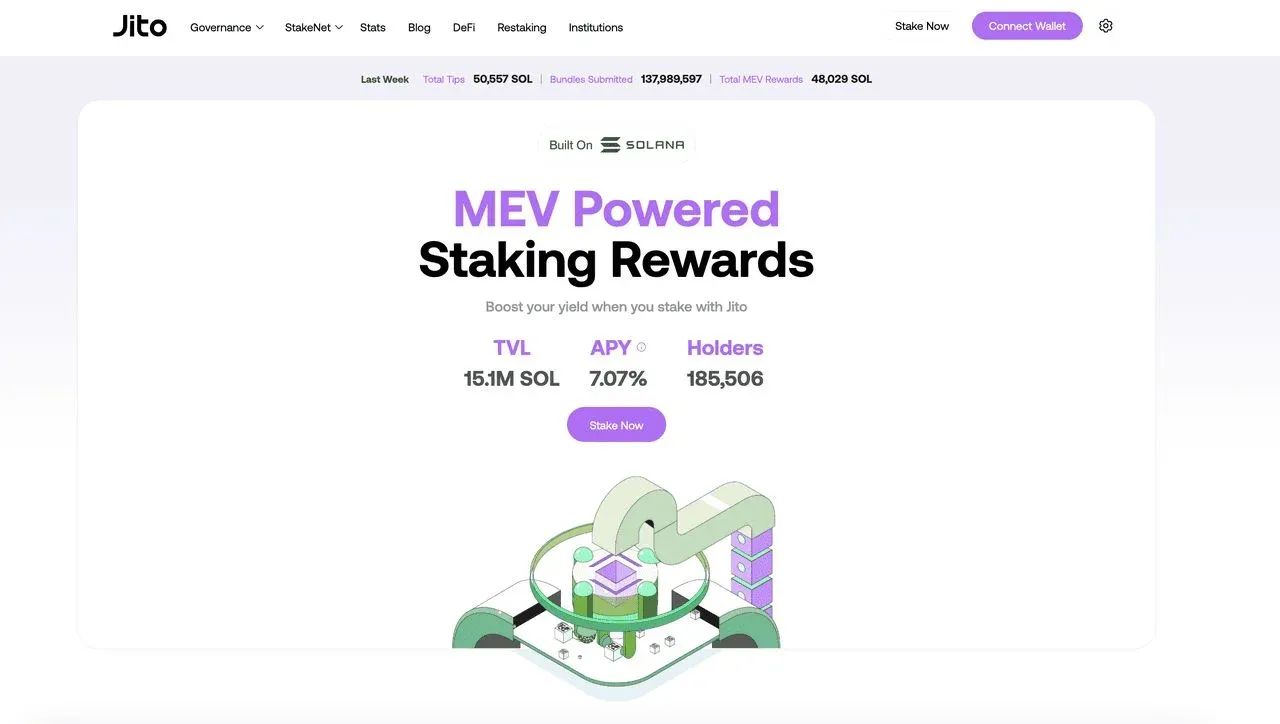
Project type: Liquid staking
Jito pioneered a MEV‑enhanced liquid staking model that combines traditional staking rewards with extractable Maximal Extractable Value (MEV). Users who stake SOL receive the corresponding JitoSOL token, which grants both consensus rewards and a share of MEV profits. The protocol currently covers about 31 % of Solana’s validator set, with token circulation exceeding 11 million, distributed across 650 k+ accounts.
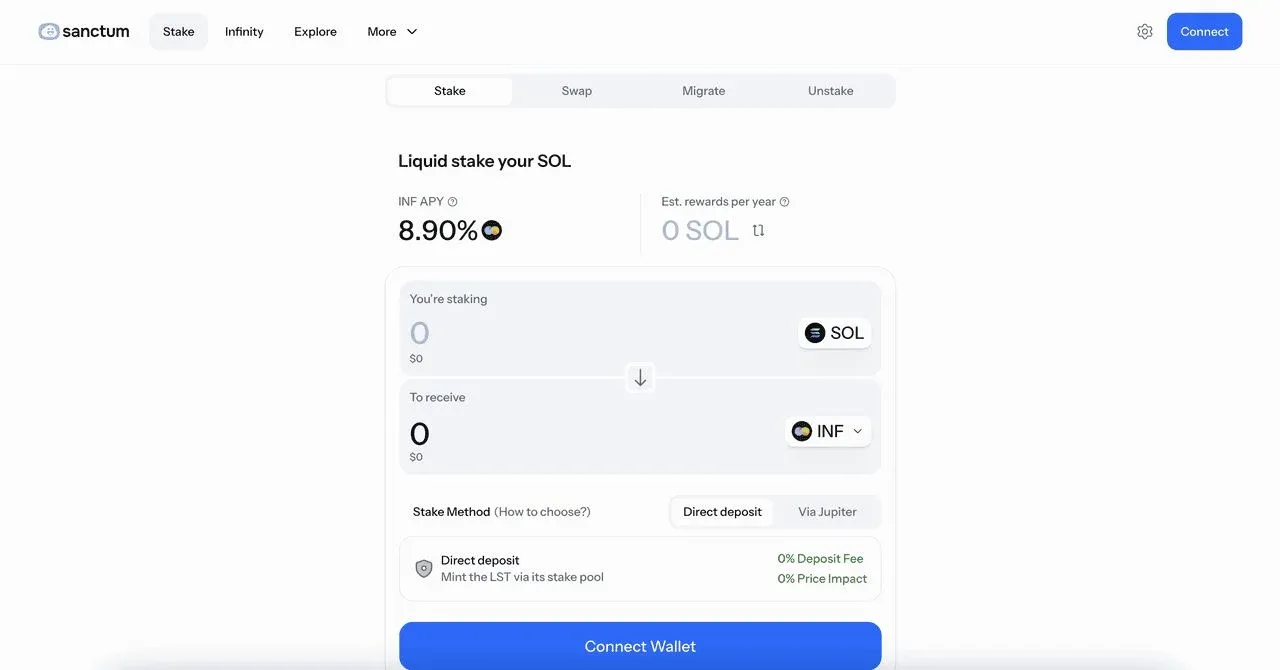
3. Unified Liquidity Layer – Sanctum (INF)
Project type: Liquid staking
More than 50 different LSTs (Liquid Staking Tokens) exist within the Solana ecosystem, leading to fragmented liquidity and high slippage. Sanctum’s Infinity Pool aggregates all LSTs into a single liquidity pool, enabling instant swaps and minimizing slippage. This unified layer serves as essential infrastructure for future cross‑LST composable strategies.
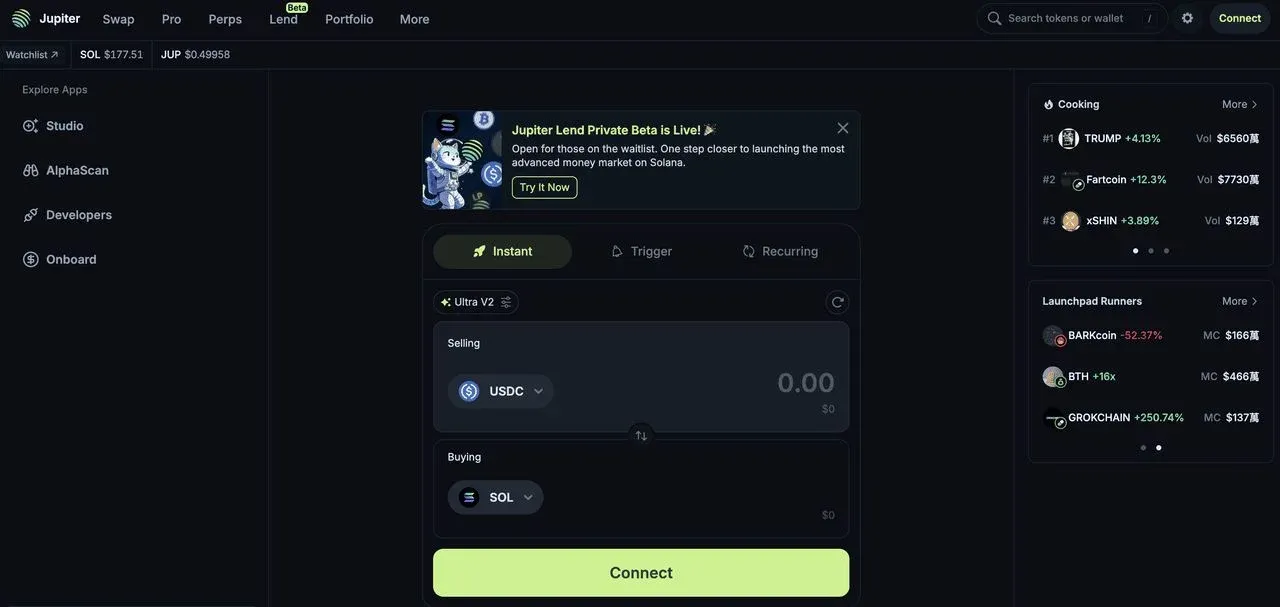
4. DEX Aggregation Flagship – Jupiter (JUP)
Project type: DEX aggregator
Jupiter has evolved from a single‑chain aggregator into a full‑stack DeFi platform, supporting perpetual contracts, token issuance, and portfolio management. Its routing algorithm finds the best price across multiple DEXs, handling daily trading volume of over $700 million. Through acquisitions of SonarWatch, Coinhall, and MoonShot, Jupiter is building a complete Web3 financial ecosystem, offering a one‑stop solution for millions of users.
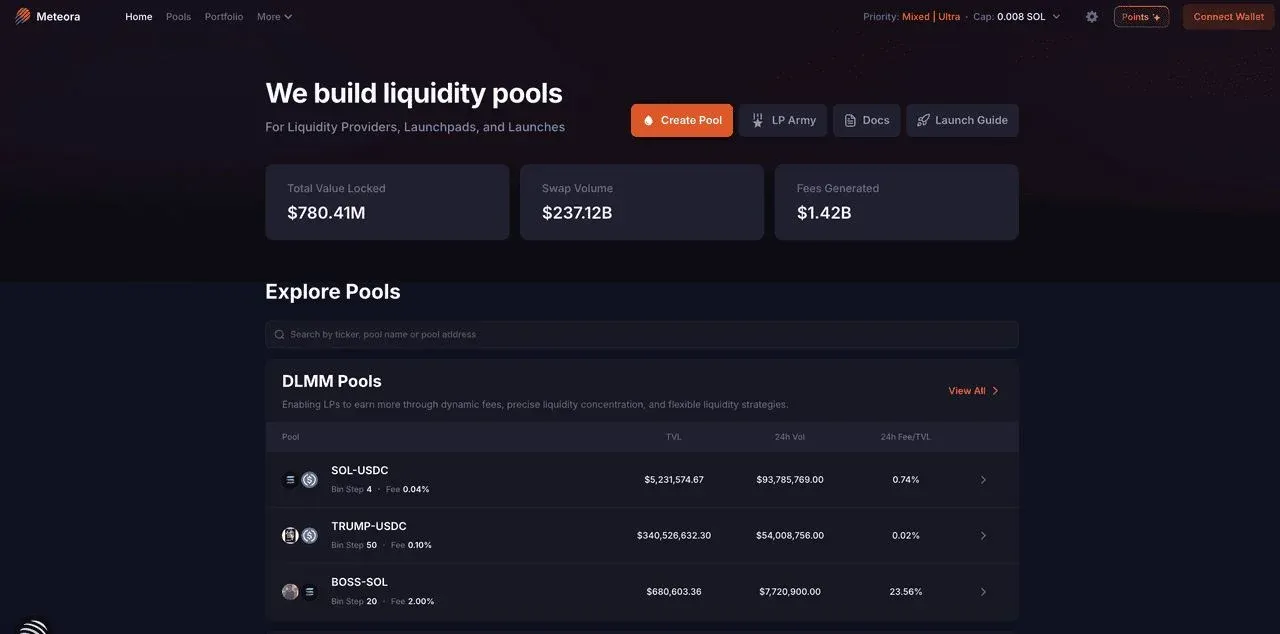
5. Dynamic Liquidity Protocol – Meteora
Project type: Liquidity protocol
Meteora employs Dynamic Liquidity Market Maker (DLMM) technology, delivering roughly 50 % higher capital efficiency compared with traditional AMMs. The protocol focuses on volatile assets, new token launches, and meme coins, providing deep liquidity. It has become the second‑largest DEX on Solana while remaining independently operated.
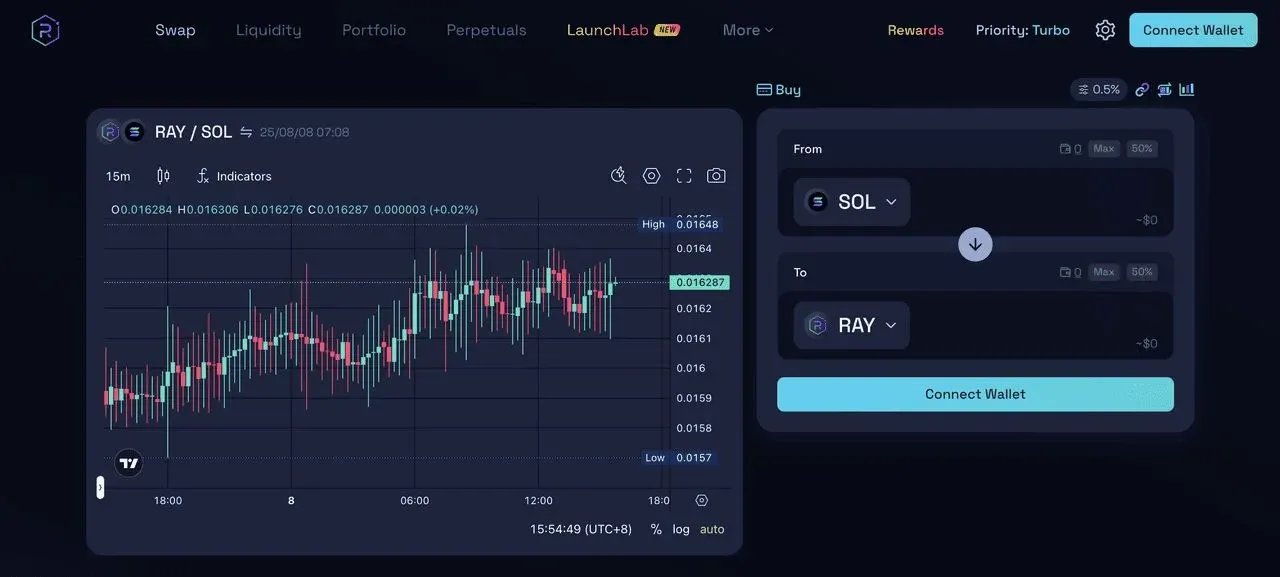
6. Mainstream AMM & DEX – Raydium (RAY)
Project type: Decentralized exchange (DEX)
Raydium blends an AMM with the Serum order‑book, delivering a hybrid model that offers both pooled liquidity and limit‑order functionality. Since its launch, it has processed over $500 billion in trade volume, with total liquidity surpassing $1 billion, and remains the DEX with the highest TVL in the Solana ecosystem.
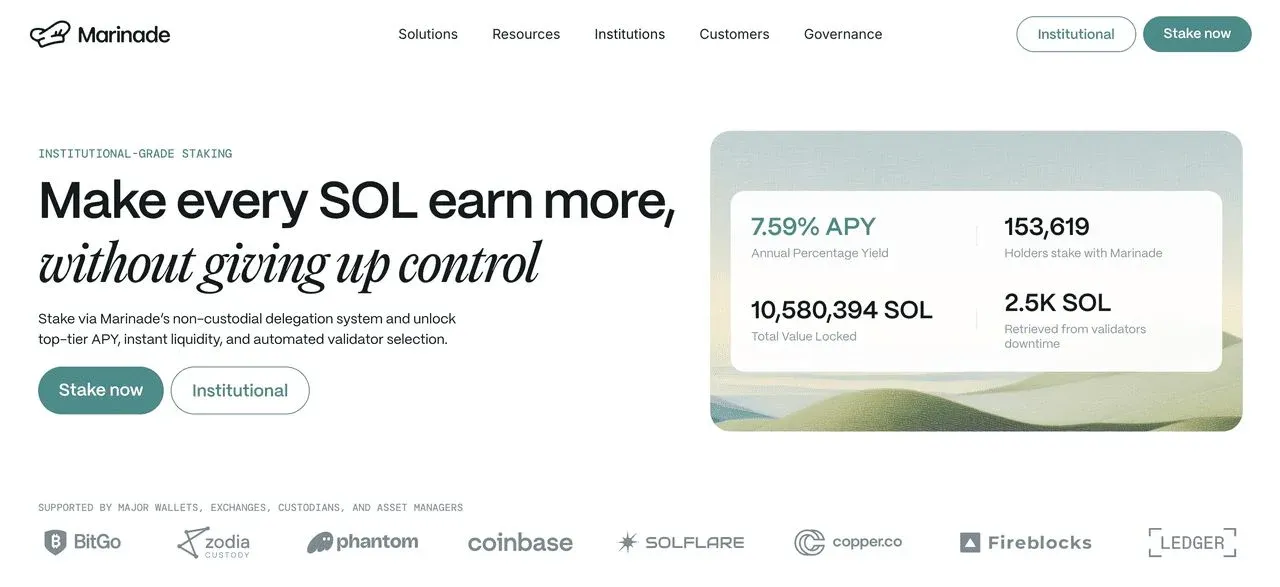
7. Early‑Stage Liquid Staking Benchmark – Marinade (MNDE)
Project type: Liquid staking
Marinade introduced the liquid staking concept to Solana, staking more than 6 million SOL to date. Its issued mSOL token has become the standard cross‑protocol liquid asset. The validator selection algorithm favors distribution across hundreds of smaller validators, enhancing network decentralization.
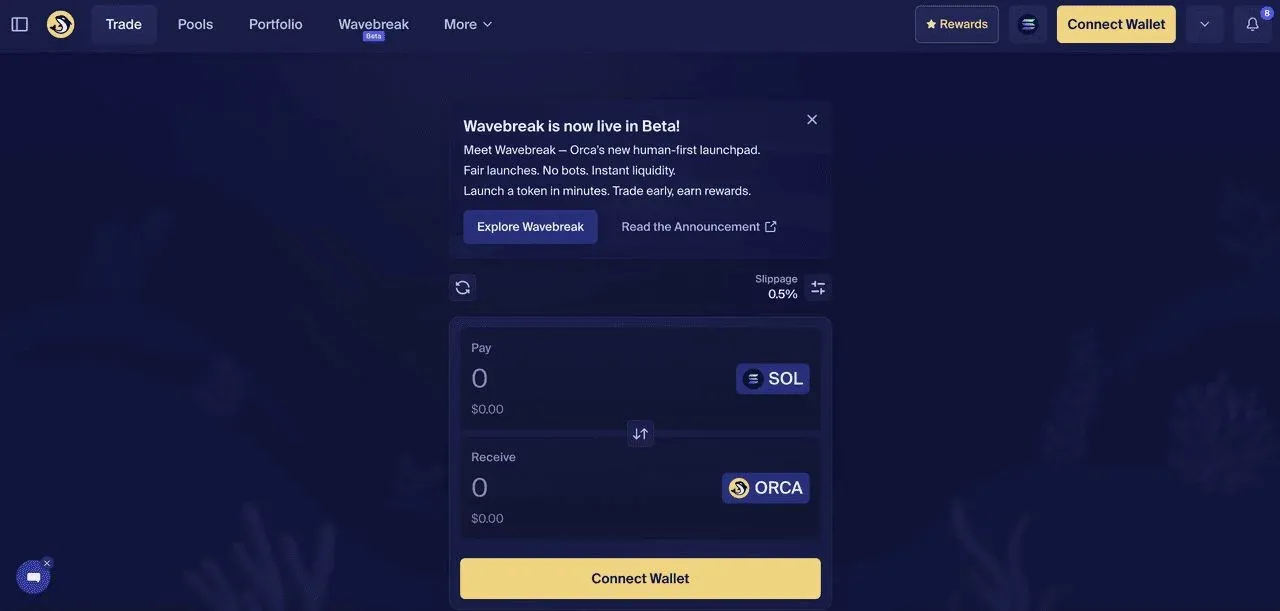
8. User‑Experience‑Driven DEX – Orca (ORCA)
Project type: DEX/AMM
Orca centers its offering around “Whirlpools,” a concentrated liquidity product that improves capital utilization and delivers higher returns for liquidity providers. The platform has facilitated cumulative trading volume exceeding $100 billion, maintains a low failure rate, and enjoys high user retention, making it a preferred entry point for both newcomers and professional traders.
Conclusion
The Solana DeFi landscape in 2025 exhibits characteristics of scale, modularity, and cross‑chain collaboration. With over $10 billion in TVL, Solana firmly holds the position of the world’s second‑largest DeFi public chain. The eight projects highlighted above deliver innovative solutions across lending, liquid staking, trade aggregation, and dynamic market‑making, forming the core pillars of today’s ecosystem. As technology iterates and regulatory clarity improves, these protocols are poised to continue guiding the future of decentralized finance on Solana.
For more information on Solana DeFi projects, you can search the archives of Bitaigen (比特根) or follow the related links below. Thank you for staying tuned and supporting Bitaigen!
Related Reading
- Solana DePIN Revenue $458K in April 2025 – 33% YoY Rise
- Monad DeFi: TayaSwap, Kintsu, Kuru, aPriori Overview
- DeFAI Explained: AI Meets DeFi in $1.62B On‑Chain Ecosystem
💡 Register on Binance with referral code B2345 for the maximum trading fee discount. See Binance complete guide.



