
 Bitaigen Research
 2024 — What are the key issues facing Ethereum solo stakers? This article systematically outlines the findings from a survey, covering the research methodology, core results, and subsequent discussion. Chart placeholders from the original are retained to help readers quickly grasp the main points.

The Bitaigen editorial team conducted on‑the‑ground research and data analysis to identify the most critical operational and security topics for solo stakers in 2024. By breaking the study down into methodology, key findings, and actionable recommendations, we provide a clear framework that helps you pinpoint risks and opportunities. For detailed insights and practical steps, keep reading.
Methodology
Collection and Distribution
The survey was hosted on the LimeSurvey platform. Branching logic ensured that each question matched the respondent’s actual situation, while a cookie‑based unique identifier and CAPTCHA prevented duplicate or bot submissions. The questionnaire remained fully anonymous and was open to the public.
Outreach channels included the EthStaker Reddit, Discord, Twitter, and Farcaster communities, the official Obol Twitter account, as well as several leading Staking‑as‑a‑Service providers, hardware vendors, and client developers. The survey was also cross‑posted on Beaconcha.in, Rhino Review, Week in Ethereum, and other media outlets. Data collection ran from 2024‑04‑08 to 2024‑05‑06.
Data Analysis
Only fully completed responses were retained; partially filled questionnaires were discarded. After manual review confirmed the absence of bot activity, single‑choice answers were visualized with pie charts, while multiple‑choice selections are marked in the text with a ✶unicode✶ asterisk.
Sampling Bias Explanation
The results show a clear preference for “home staking” (self‑hosted) over delegated staking. This bias likely reflects the composition of the surveyed community—active participants in staking forums tend to run their own nodes, whereas those who delegate are less inclined to engage with a research questionnaire.
Consequently, the conclusions in this report are primarily qualitative and derived from a self‑selected subset of participants. They cannot be assumed to represent the entire global population of solo operators.
Scope of the Data
Public‑node crawlers estimate that the Ethereum network hosts between 6,000 and 11,000 nodes, but not all of these are validator nodes; many are maintained by professional operators. Our survey focuses on individual operators who stake using their own capital and excludes institutional participants. At the time of writing, Rocket Pool ran roughly 1,832 validator nodes—a figure obtained by subtracting Allnodes‑registered nodes from the total ETH‑holding nodes in the staking snapshot, and can be considered a lower bound for truly independent operators.
Out of 1,024 valid responses, 868 were submitted by respondents who explicitly manage their own validators. This yields a rough estimate that 8 %–47 % of all validators belong to surveyed solo operators, though extreme values on either end are unlikely. The percentage includes a handful of professional outfits; the primary focus remains on non‑institutional, independent operators.
While the total number of validators can be queried directly on‑chain, distinguishing independent operators from professional services and “regular” nodes is difficult because most operators do not self‑declare their status.
Results
The raw dataset is available [here].
Respondent Profile
- 32 % have been staking since the Genesis phase.
- 80 % use home staking; an additional 4 % combine it with remote staking.
- 84 % do not hold large amounts of liquid staking tokens (LSTs).
- 85 % have never changed their primary staking method.
- 77 % stake between 66 % and 100 % of the ETH they own.
- Regarding “smooth‑fee pools”: 30 % participate, 61 % do not, and 9 % are unfamiliar with the concept.
- 95 % run their validators on Linux ✶.
- 51 % do not use dedicated staking software; among those who do, 27 % use Rocket Pool, 15 % use DAppNode, and 10 % use Eth Docker (the “no software” category generally means following the official guide and deploying via systemd) ✶.
- 85 % have maintained the same staking approach since inception.
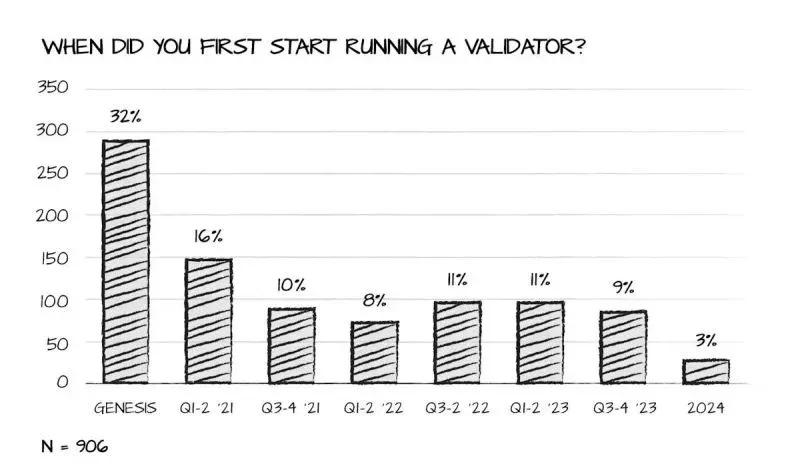
Figure 1: When did you start running a validator?
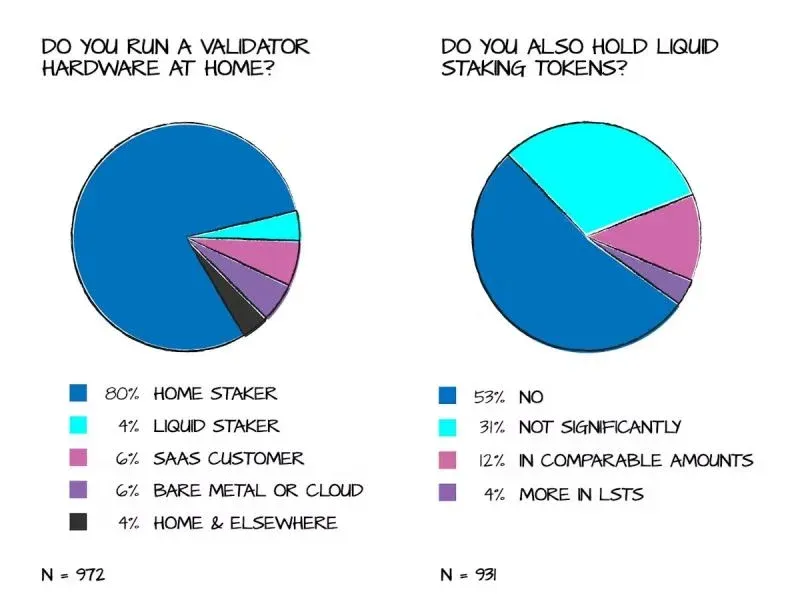
Figure 2: Where do you stake and do you hold LSTs?
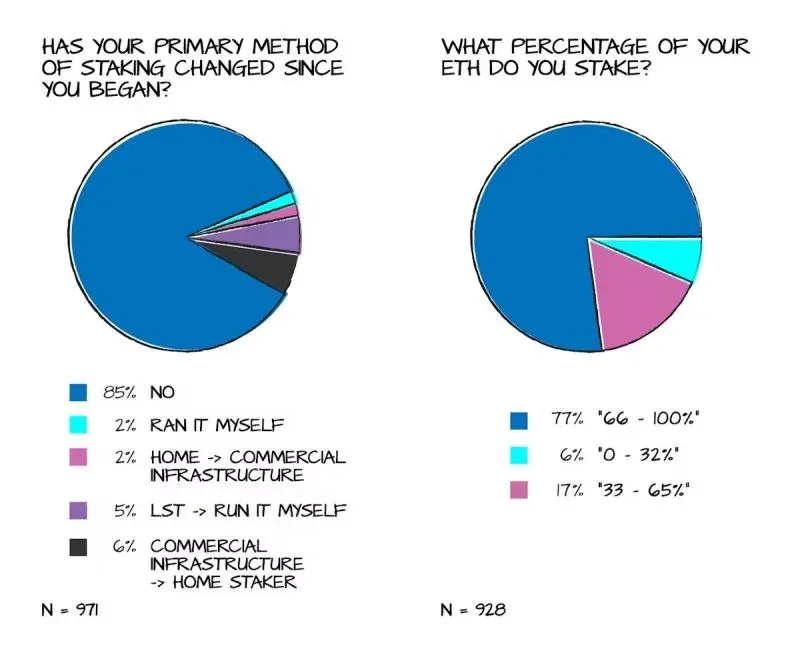
Figure 3: Have you changed your staking method, and how much ETH did you stake?
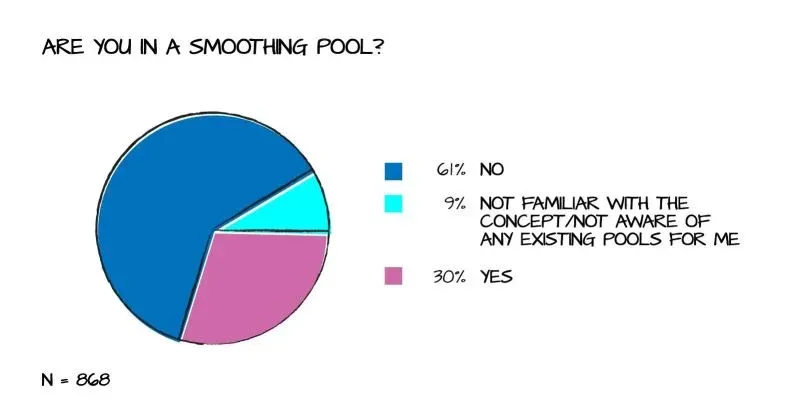
Figure 4: Do you participate in a smooth‑fee pool?
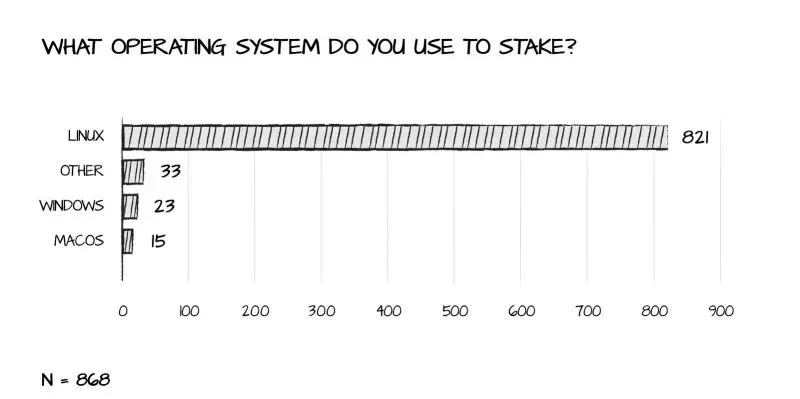
Figure 5: Which operating system do you use?
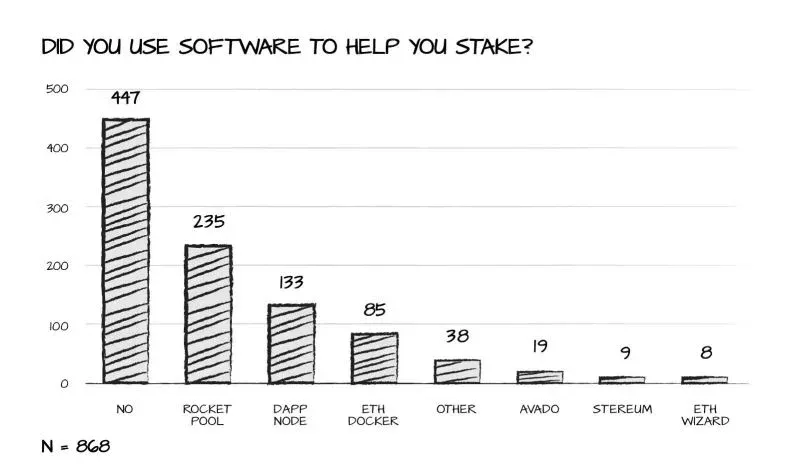
Figure 6: Have you ever used auxiliary staking software?
Primary Concerns
- The most frequently cited worries are overall risk, sub‑optimal tax structures, hardware configuration, and key management ✶.
- 69 % do not monitor bandwidth usage, and 78 % are unaware of any bandwidth increase that may follow the Dencun upgrade.
- The average monthly maintenance time is 3.4 hours (median 2 hours). Excluding an outlier of 155 hours brings the mean down slightly to 3.2 hours.
- On a 1‑10 scale for network risk, the highest score recorded was 10. Respondents rated overall network risk at 7.4 and centralization risk of staking at 7.2 (scores have been normalized for comparability).
- When asked about the expected ETH‑staking share in 2‑3 years, the 1,003 valid answers averaged 49.4 %.
- For the share of total ETH staked that solo operators are believed to control (924 valid replies), the average estimate was 15.9 %.
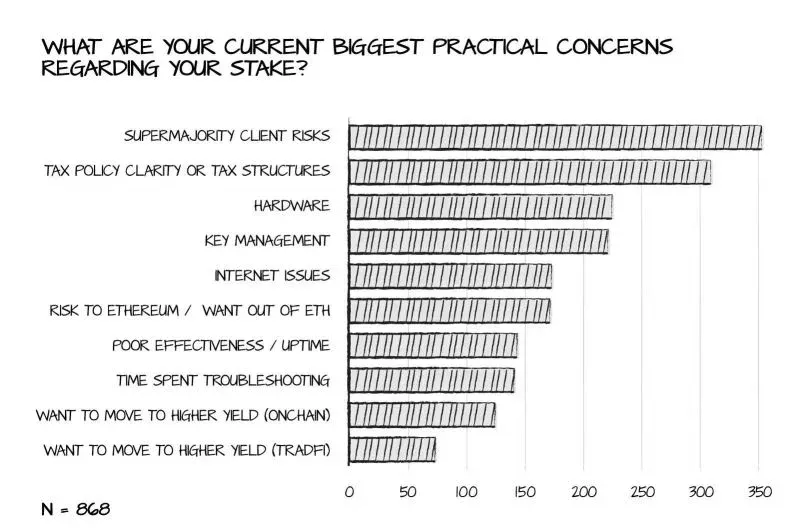
Figure 7: Which practical issues concern you the most?
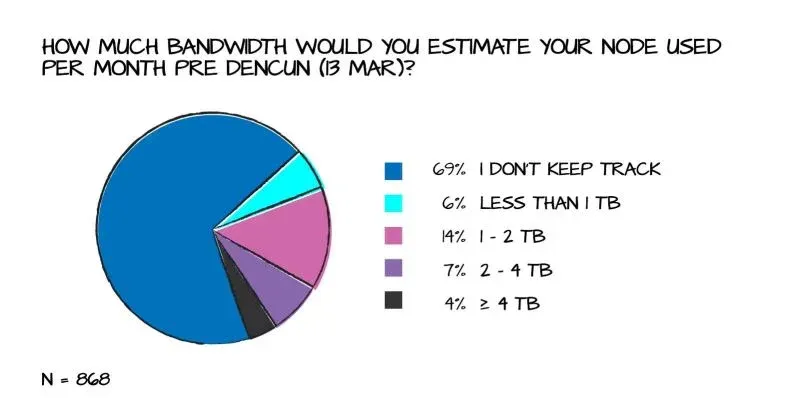
Figure 8: How much bandwidth does your node consume?

Figure 9: How many hours per month do you spend on maintenance?
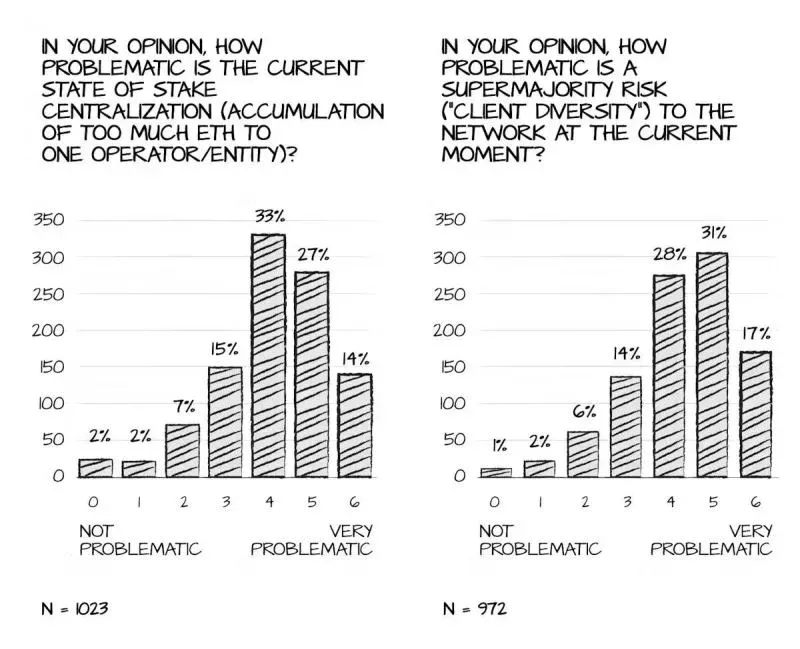
Figure 10: Network risk landscape
Perceived Value and Representation
- 89 % believe solo stakers are as important—or more important—now than when they first entered the network; only 11 % think their importance has waned.
- 66 % feel that individual voters are currently earning consensus rewards comparable to early participants, while 34 % perceive a decline.
- When asked whether research and governance processes adequately represent solo stakers, the average score was 5.8 / 10 (10 = strong representation).
- Over half (50 %) think that protocol research either ignores solo operators or fails to shield them from the effects of token‑driven profit incentives (19 % expressed no opinion).
- Regarding the statement “the issuance curve should be adjusted to better incentivise decentralised staking,” 92 % responded with support or neutrality (no evaluation of specific proposals was requested).
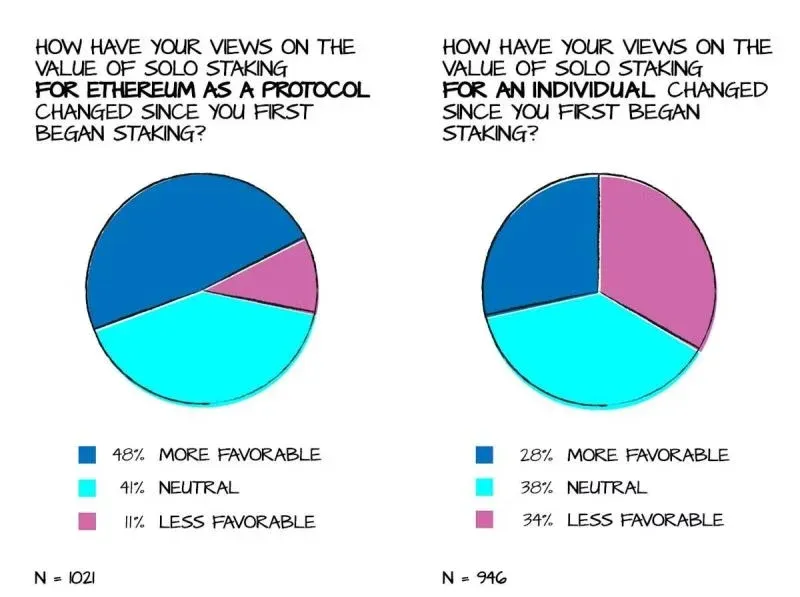
Figure 11: Value of solo staking
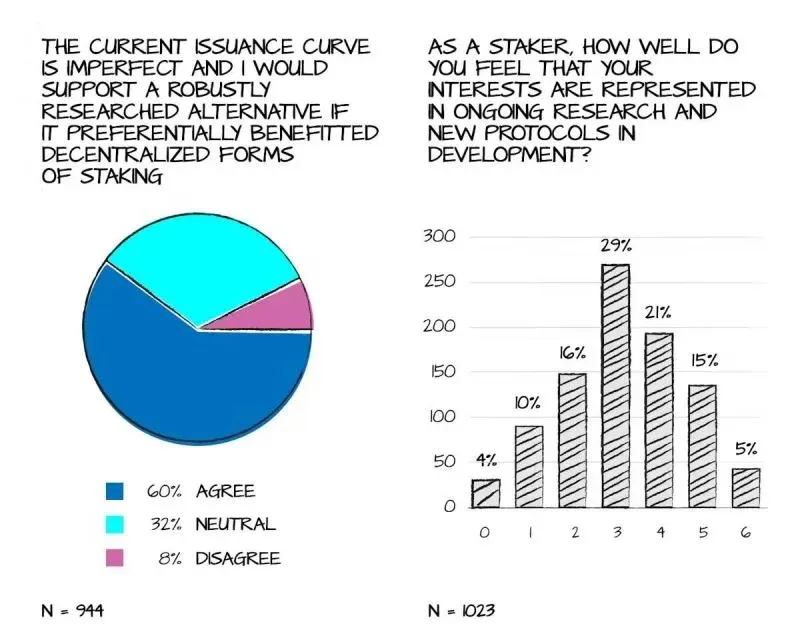
Figure 12: Research‑related issuance and representation
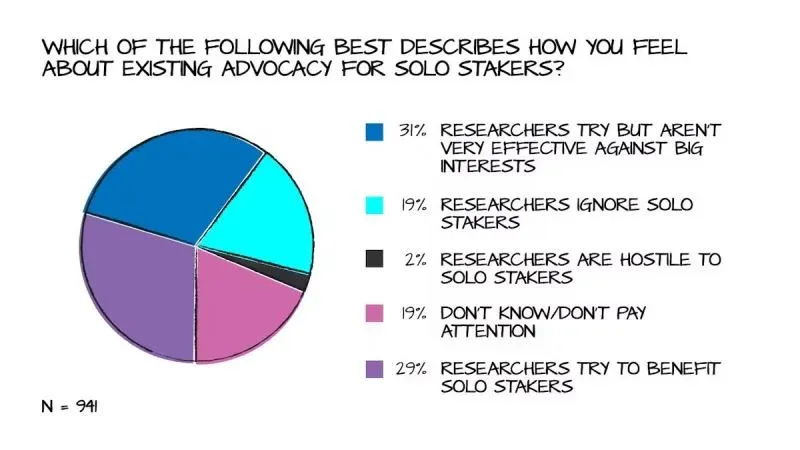
Figure 13: Outreach to solo stakers
Intentions to Continue Staking
- Supporting the Ethereum protocol (84 %) was the primary motivation for initially staking, followed by 81 % citing returns ✶.
- 65 % plan to increase their stake in the future.
- 35 % would pause additional staking if certain external conditions arise.
- 31 % do not intend to add any new stake.
- 62 % explicitly state they have no current plans to exit staking ✶.
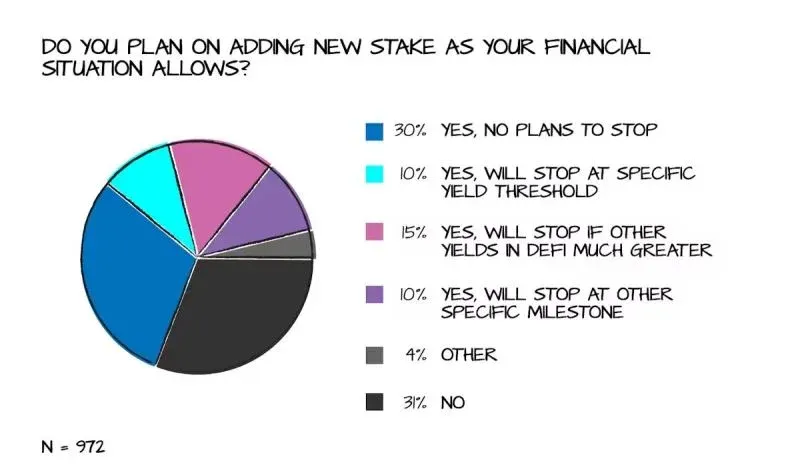
Figure 14: Do you plan to add new stake?
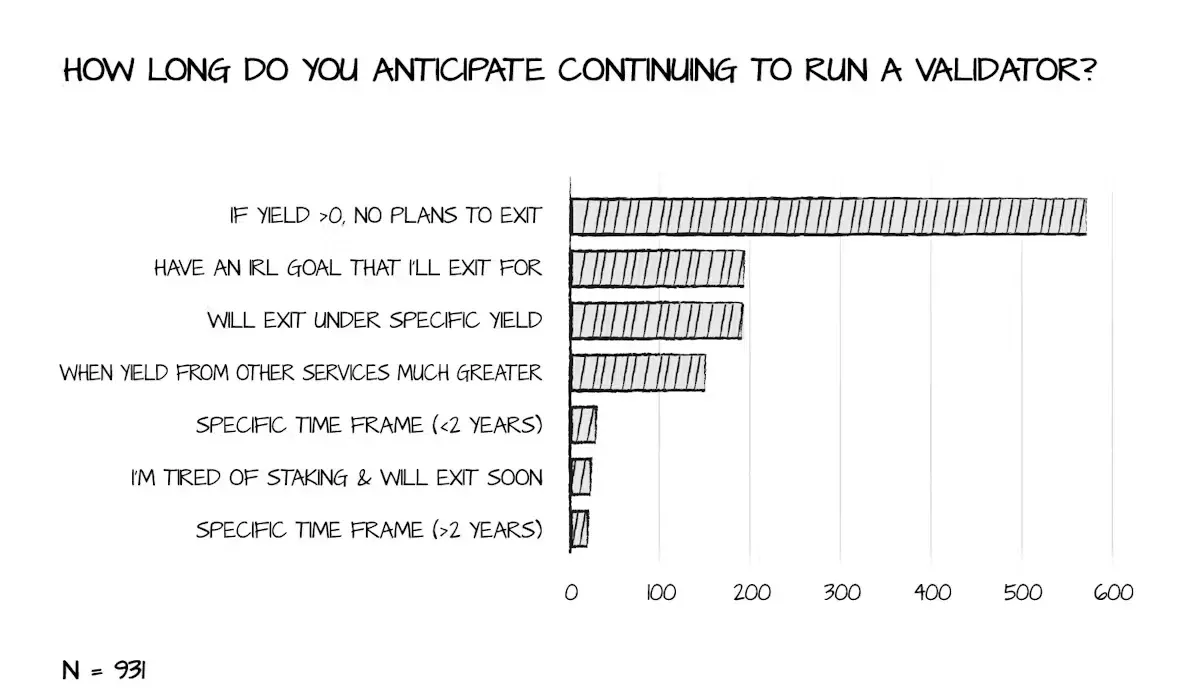
Figure 15: How long do you expect your validator to remain online?
Learning Channels
- 69 % rely primarily on technical documentation such as official guides, Rocket Pool manuals, and client‑software docs ✶.
- 63 % turn to the EthStaker community for information ✶.
- 53 % visit ethereum.org for reference ✶.
- For the latest protocol updates and research breakthroughs, respondents most often use Discord, notification feeds from resource aggregators, Twitter, Reddit, ethresear.ch, and podcasts; the daily Gwei newsletter is also frequently mentioned.
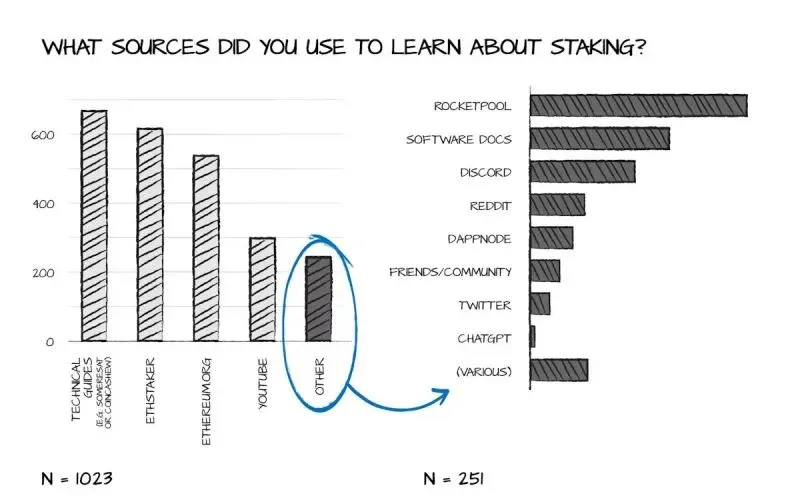
Figure 16: Which channels do you use to learn about staking?
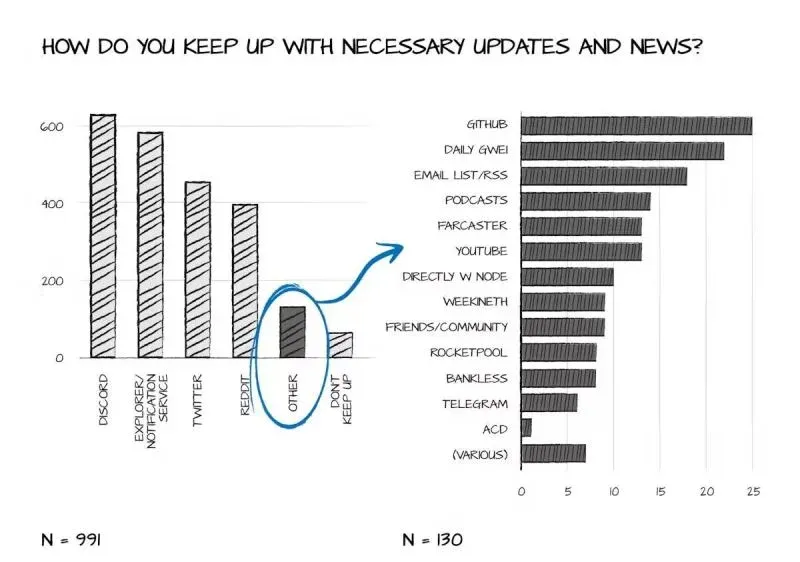
Figure 17: How do you stay informed about the latest news?
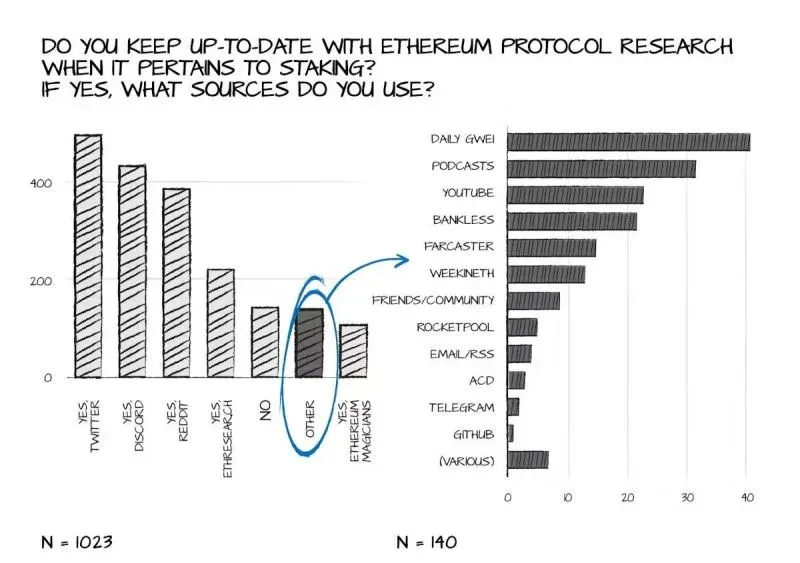
Figure 18: Where do you get protocol‑research updates?
Unresolved Concerns (Open‑Ended Responses)
At the end of the questionnaire, participants could add topics not covered elsewhere. A total of 204 valid free‑text answers were collected and subsequently summarised with AI assistance (the original text is available in the dataset):
- Centralisation risk (68 mentions): Worries that protocol evolution could lead to validator centralisation; LSTs are seen as a catalyst, and re‑staking is perceived as a potential concentration vector.
- User‑experience and technical barriers (46 mentions): Calls for simplifying the staking process and lowering entry barriers for non‑technical users, along with requests for better bandwidth handling, IPv6 support, and estate‑planning solutions.
- Issuance‑curve adjustments (38 mentions): Concerns that changes to the issuance curve could hurt solo operators’ returns; some support further research, while others fear reward reductions would primarily benefit large, centralised entities.
- Economic and tax pressure (28 mentions): Tax regimes are viewed as a major burden for solo stakers; compared with LSTs that may enjoy preferential tax treatment, solo staking’s economic viability can be constrained. *Note: cryptocurrency gains may be taxable in your jurisdiction; consult a tax professional.*
- MEV‑related debate (24 mentions): Divergent opinions on enabling MEV‑Boost; some respondents disable it for ethical reasons and call for fairer mechanisms to prevent large actors from using MEV to undermine decentralisation.
- Privacy protection (15 mentions): Fears that IP addresses, transaction details, or other metadata could expose personal safety, prompting a desire for stronger privacy‑preserving technologies to safeguard network neutrality.
Demographics
- **95 %
Related Reading
- Top Earning L1 & L2 Blockchain Networks 2024 Revenue
- Restaking Explained: Top 3 Ethereum Projects & Their Impact
- Ethereum PoW vs PoS: Centralization, Energy & Decentralization
💡 Register on Binance with referral code B2345 for the maximum trading fee discount. See Binance complete guide.



