
 Bitaigen Research
 In this article we deeply dissect the core principles of oracles, showing how data providers can, with just a few steps, seamlessly connect existing APIs to mainstream blockchains and receive cryptocurrency payments. After reading, you will grasp the practical pathway to monetize off‑chain data.
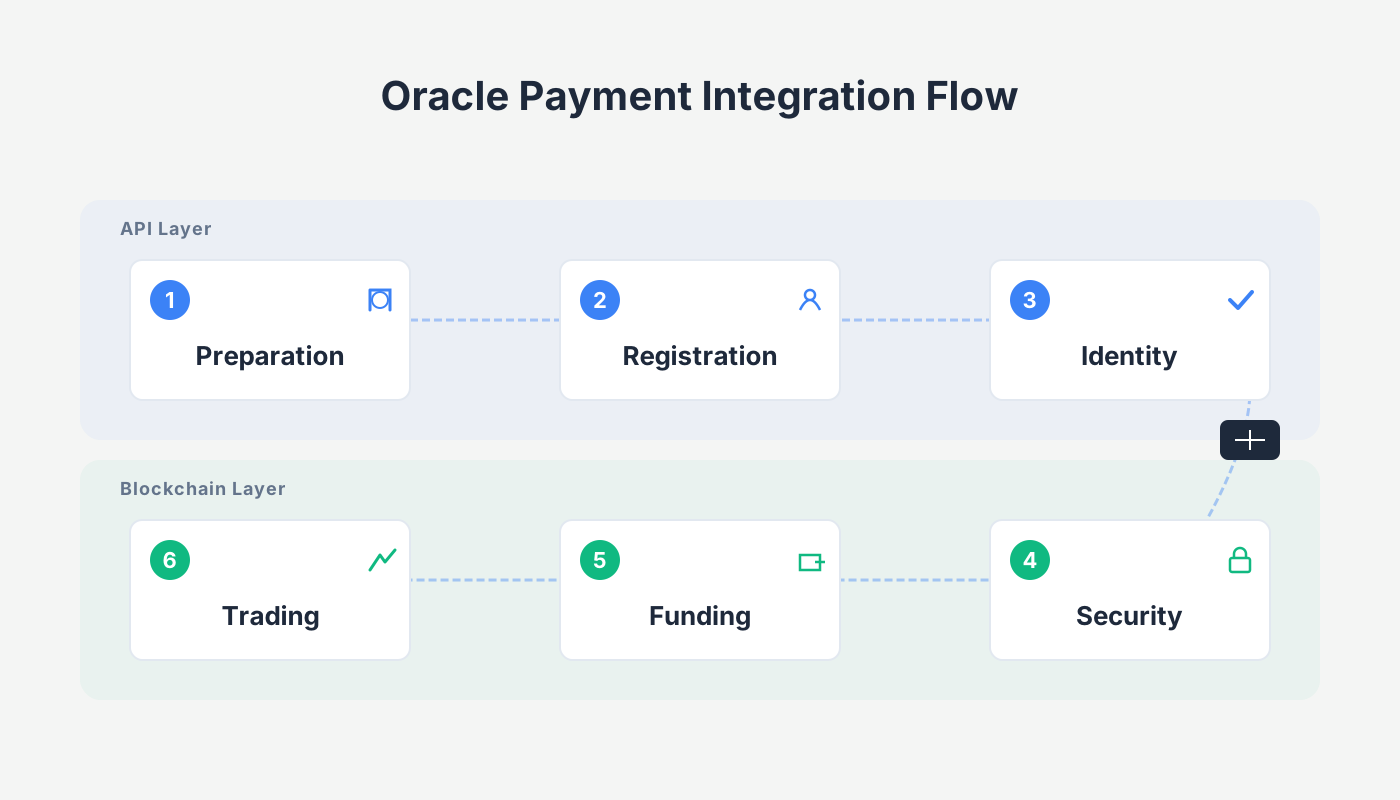
Smart contracts ride the wave of the data/API economy and automation, leveraging the high security of blockchain networks to automatically execute multi‑party processes based on data inputs.
By using the Chainlink oracle network, data providers need only a few steps to connect their existing APIs to all major blockchains, enabling cross‑chain data sales and direct cryptocurrency payouts.
Why Oracles Matter for Data Providers
An oracle is middleware that bridges the on‑chain and off‑chain worlds, allowing smart contracts to safely call external APIs and output on‑chain results to off‑chain systems. Without an oracle, a contract can only execute internal logic and cannot obtain real‑world data or events. After fetching information from an API, an oracle applies multiple verification methods to guarantee accuracy and integrity, then either sends the result to the blockchain or forwards on‑chain instructions to external systems.
Chainlink is currently the market‑leading oracle service provider. Its open‑source software has undergone several audit rounds and powers decentralized price‑reference and other data networks. Chainlink boasts strong universality, being compatible with any blockchain and capable of linking on‑chain contracts to arbitrary external API endpoints, meaning every data provider can enter the blockchain ecosystem through Chainlink.
Selling Data to All Blockchains Simultaneously via Chainlink
- Hundreds of blockchains already exist, covering finance, insurance, gaming, international trade, and more.
- Integrating each chain individually requires massive time and manpower, incurs high costs, and is difficult to scale.
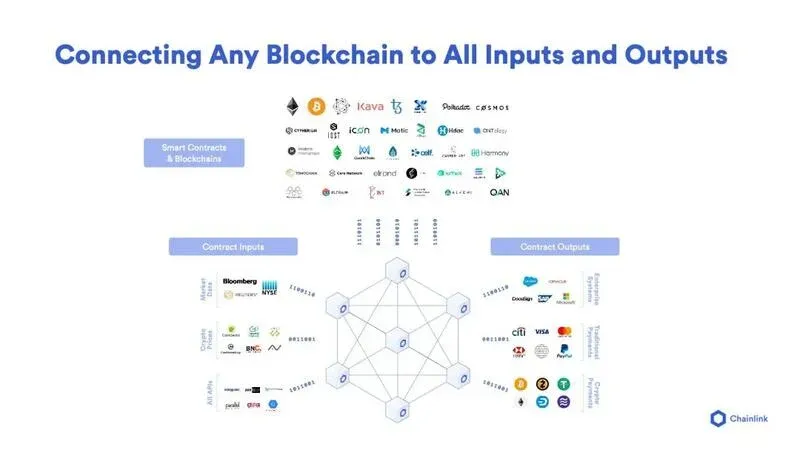
- By designating the Chainlink oracle as a single gateway, you can serve data to every chain uniformly, eliminating duplicate development work.
Chainlink already supports Ethereum, Bitcoin, Hyperledger, Polkadot, Cosmos, Avalanche, and other major networks, and it rapidly integrates new chains through bounty programs, helping data providers instantly reach a broader market.
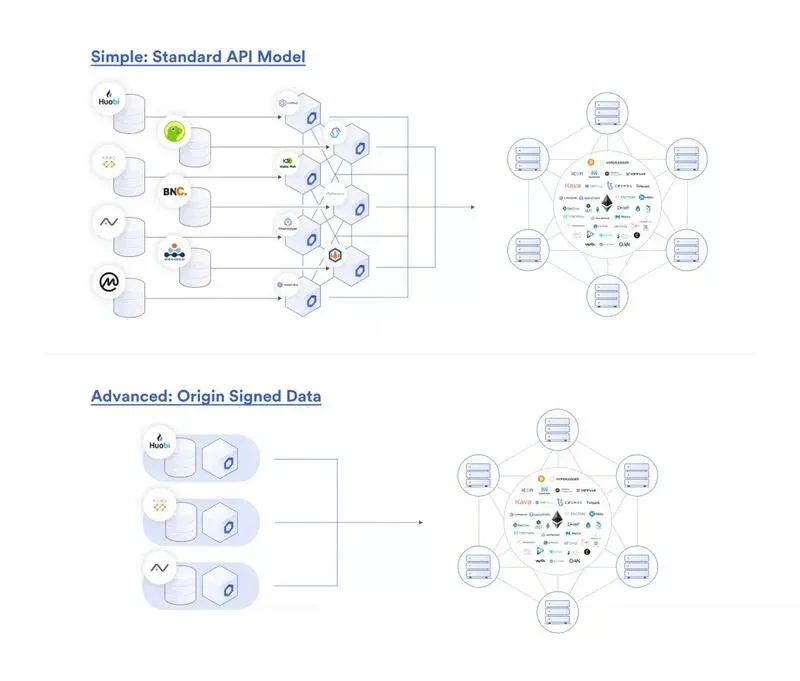
Chainlink Integration Plans: Basic vs. Advanced
| Plan | Target Audience | Key Features |
|---|---|---|
| **Basic** | Providers who simply want to sell data using existing APIs | Zero‑code integration; publish data directly through the Chainlink network without deploying a node. |
| **Advanced** | Providers who wish to operate their own nodes and boost data trustworthiness | Run a self‑hosted Chainlink node, use data‑signing tools, and achieve on‑chain payment plus data integrity guarantees. |
The two plans complement each other, giving data providers the flexibility to choose the path that best fits their needs.
Quickly Launch Data Sales Using Existing Oracle Networks
- One‑hour onboarding: Push data from your existing API to the Chainlink network; nodes aggregate on‑chain requests and forward them to you.
- No backend changes: Keep your current business model and accept fiat payments (e.g., USD via SEPA/SWIFT) for API usage. *(Note: cryptocurrency gains may be taxable under local regulations.)*
- Integrated high‑quality APIs already include Google, BigQuery, CoinGecko, NOAA weather data, and others.
This model removes the hassle of running your own node and handling cryptocurrencies, letting providers focus on improving data quality and accelerating the growth of the smart‑contract ecosystem.
Joining the Chainlink Network to Monetize More Reliable Data
- Operate a node: Data providers can run their own Chainlink node and use digital‑signature tools to deliver authenticated data to contracts.
- Integrated examples: Huobi, Kaiko, Alpha Vantage, and others already supply signed data via Chainlink.
- Privacy protection: Technologies such as DECO, Town Crier, Mixicles enable the on‑chain sale of privacy‑sensitive data while ensuring confidentiality during transmission and processing.
Node deployment is straightforward—ten minutes is enough to get started. Both Chainlink and supporting tools like Linux and Python are open source, requiring no additional licensing.
Deploy a Chainlink Node for a Data Source in Ten Minutes
The steps below use Ethereum as an example (Chainlink also supports other chains). Required environment:
- Virtual machine or physical host
- PostgreSQL database (≥ 10 GB)
- Docker
- Ethereum wallet
- Ethereum client (a third‑party service can be used)
For detailed procedures, refer to the official Chainlink documentation. This article provides a quick‑start illustration.
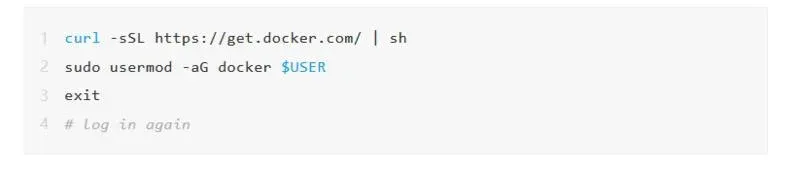
Step 1: Install Docker
On Ubuntu, run:
```bash
sudo apt-get update
sudo apt-get install -y docker.io
sudo systemctl start docker
sudo systemctl enable docker
```
Step 2: Create a `.env` File
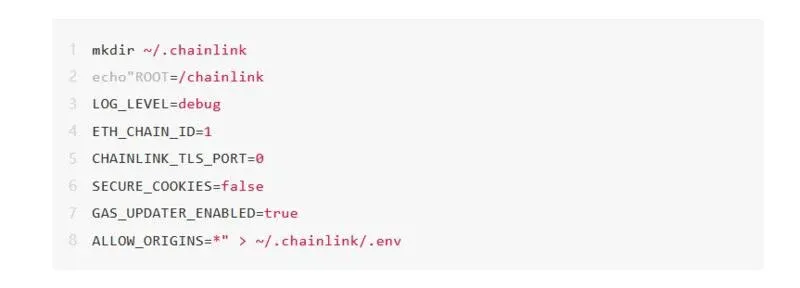
Write the following variables to `~/.chainlink/.env`, filling in values that match your setup:
```text
ROOT_PASSWORD=your_root_password
DATABASE_URL=postgresql://user:password@host:5432/chainlink
ETH_CHAIN_ID=1
ETH_URL=wss://your-ethereum-node
```
Step 3: Set Up the Ethereum Client
You can use the free Fiews.io Ethereum node service. Register, obtain an API key, and place the corresponding WebSocket URL into the `ETH_URL` field of `.env`.
```bash
export ETH_URL=wss://mainnet.fiews.io/v3/YOUR_API_KEY
```

Step 4: Connect the Database
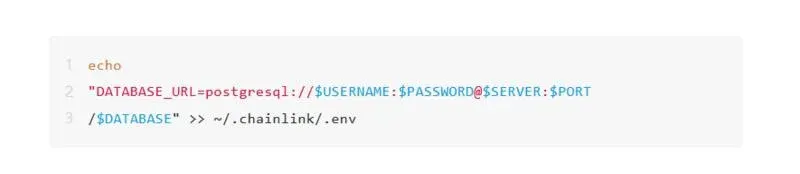
Add the PostgreSQL connection string to `.env` so the node can persist data, enabling high availability and redundancy.
```text
DATABASE_URL=postgresql://chainlink:password@db-host:5432/chainlink
```
Step 5: Launch the Node
```bash
cd ~/.chainlink
docker run -p 6688:6688 -v ~/.chainlink:/chainlink \
--env-file=.env smartcontract/chainlink local n
```
On first launch you will be prompted for an email and password. Then log in via `http://localhost:6688` to access the GUI and complete node operation.
Tip: For production, deploy on a cloud server, configure automatic backups and disaster‑recovery mechanisms to improve node reliability.
Conclusion
Connecting off‑chain APIs is a pivotal link in accelerating blockchain and smart‑contract applications. As on‑chain data demand continues to rise, oracles will become the bridge for traditional industries transitioning to blockchain, unlocking markets worth trillions of dollars for data providers. Chainlink, with its extensive user network, mature toolchain, and multi‑chain compatibility, offers a complete solution from API to on‑chain data, helping providers quickly monetize and establish trustworthy off‑chain data sources.
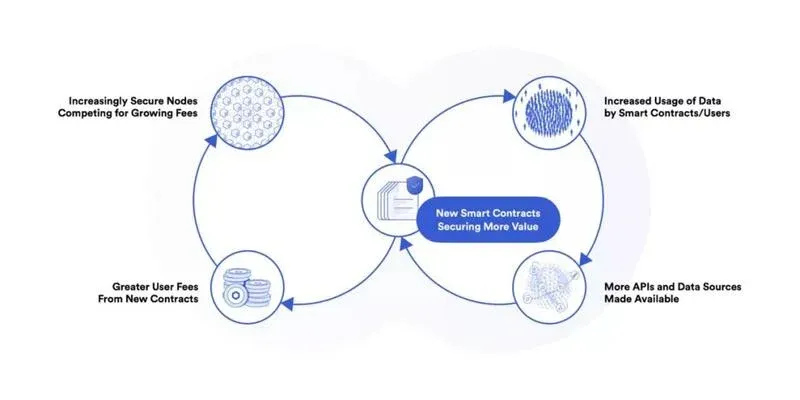
Chainlink’s leading position in the oracle space will enable data providers to replicate successful models across more scenarios, driving the scaling of the smart‑contract economy. For more practical case studies on oracle monetization, follow Bitaigen’s upcoming articles.
Related Reading
- Blockchain Oracles: Concepts, Operations & Real‑World Uses
- DeFi Oracles: Secure Off‑Chain Data for Smart Contracts
- Blockchain Oracles: How They Work and Why They Matter
💡 Register on Binance with referral code B2345 for the maximum trading fee discount. See Binance complete guide.



