
 Bitaigen Research
 This article was carefully written by the Bitaigen editorial team to provide ordinary PC users with a complete step‑by‑step visual guide, covering everything from registering on an exchange, configuring GPU settings and virtual memory, to joining a mining pool. The content is written in plain language with detailed procedures, helping beginners quickly get started with Ethereum mining and is worth a thorough read.
Ethereum PC Mining Tutorial
Mining Ethereum with a personal computer requires installing a Ethash‑compatible mining pool client, configuring the graphics cards and virtual memory, running mining software, and joining a pool.
- Register and Log In to Binance
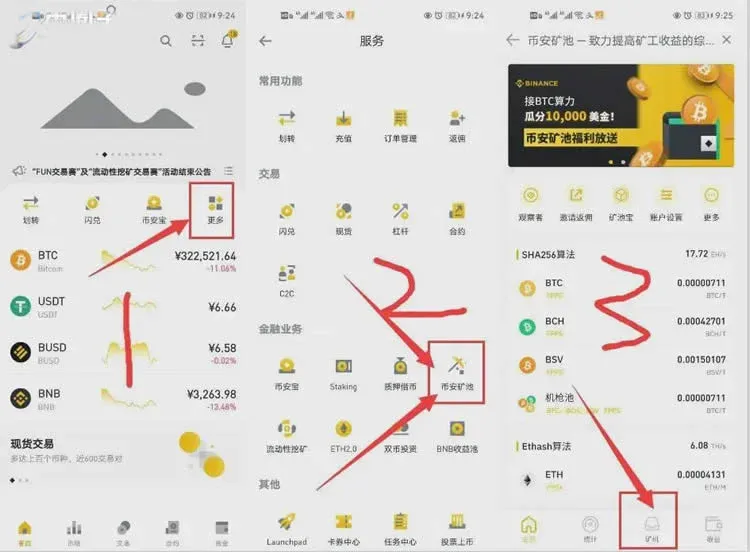
Visit the Binance website (https://accounts.binancezh.be/). If you do not yet have an account, complete the registration process first. Download and open the official Binance app, log in, and in the account‑type selector choose Ethash (see Figure 1). This will take you to the Binance mining pool interface.
Note for U.S. users: Use Binance.US instead of the global Binance platform.
- Create a Mining Account
In the mining‑pool app tap “Add Mining Account”, enter a custom username, and the account will be created.

- Configure Virtual Memory
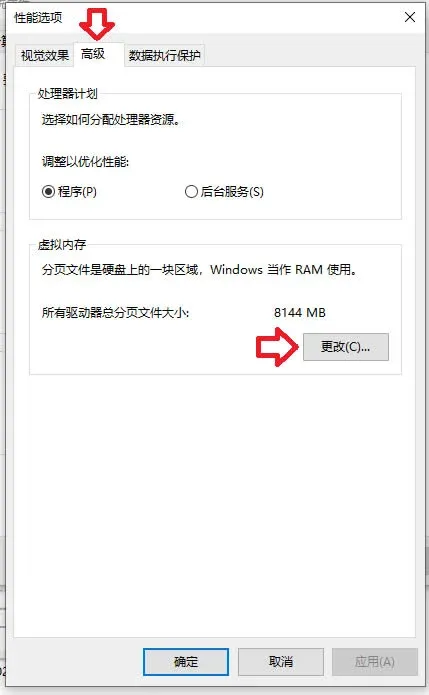
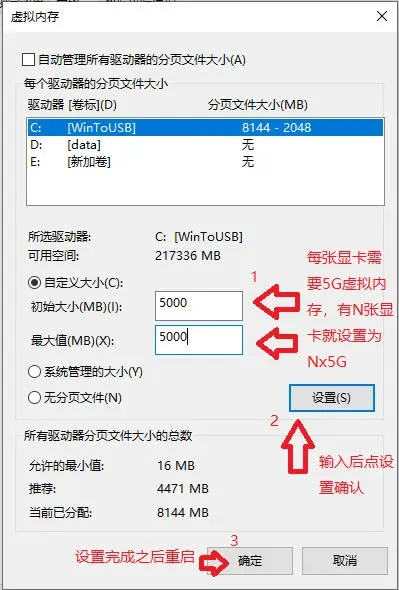
Each graphics card needs 5 GB of virtual memory; multiply the number of GPUs by 5 GB to obtain the total required size. For example, two GPUs require 10 GB. The steps below are for Windows 10:
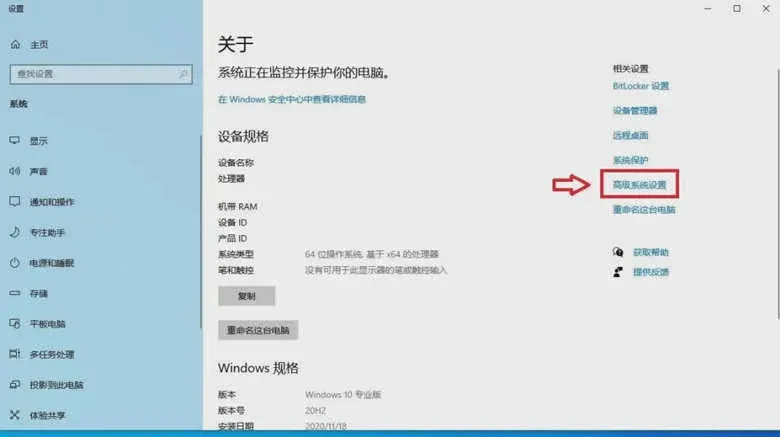
- Right‑click “This PC” on the desktop → Properties.
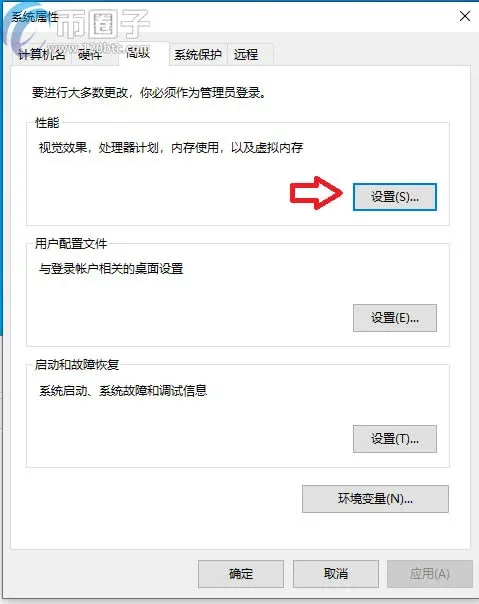
- Open Advanced system settings, then under Performance click Settings.
- Switch to the Advanced tab, click Change, tick Custom size, enter the desired values, and save.
The procedure on Windows 7 is similar; you can search online for the exact steps.
- Download and Install “Easy Miner”
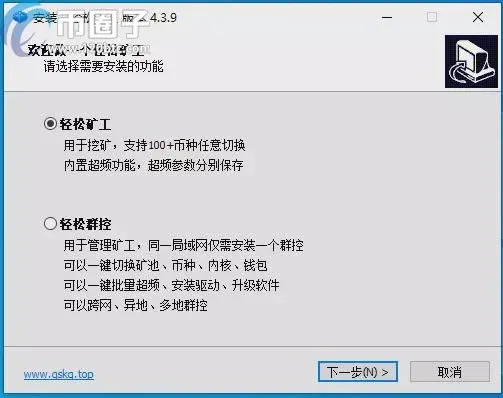
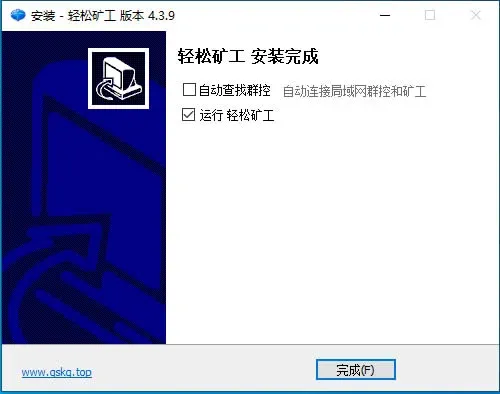
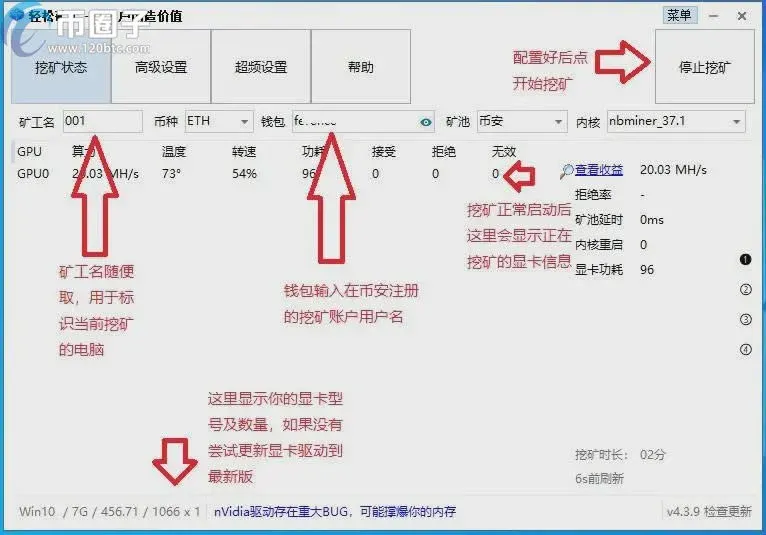
Go to the official download page and obtain Easy Miner (pool fee ≈ 5%). Download link: http://www.qskg.top/download.html. The software offers a user‑friendly interface that is suitable for beginners.
- Start Mining and Verify Status
Open Easy Miner, fill in the pool information, and after a few minutes of normal operation you should see real‑time hash‑rate and earnings data on the Binance backend.
Friendly reminder: Before purchasing cloud‑hash or dedicated ASIC rigs, it is advisable to try PC mining first. This helps you understand the relationship between hash‑rate and GPU performance and avoids blind investments.
- GPU Overclocking Settings
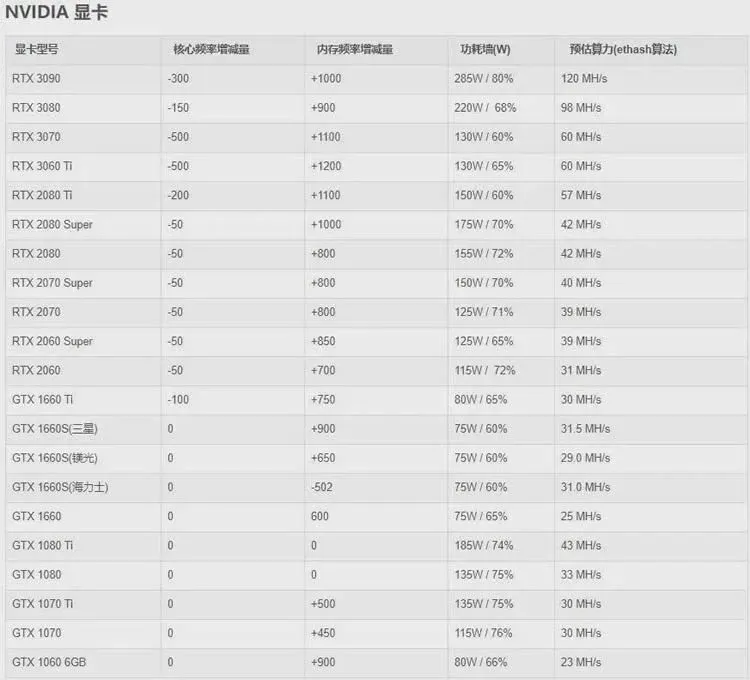
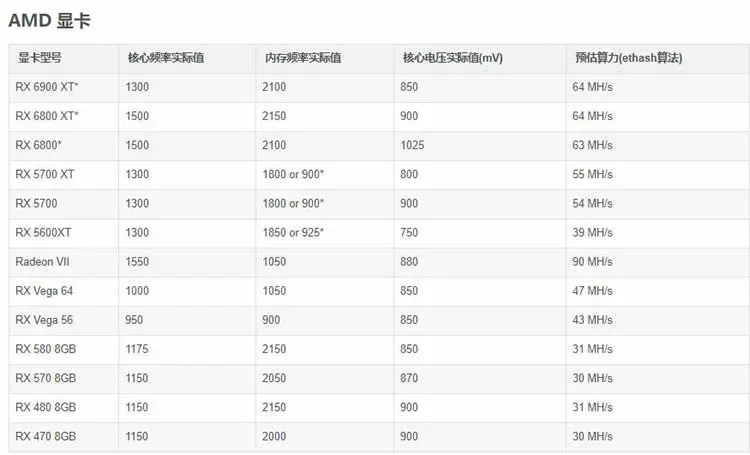
Use the GPU driver or third‑party tools such as MSI Afterburner to apply reasonable overclock settings, which can increase hash‑rate. Pay close attention to temperature control to prevent hardware overheating.
Profit Analysis for Ethereum Mining
Below is an example using a hypothetical set of hardware to illustrate earnings under a fixed Ethereum price.
- Assumptions (based on data from January 2018)
- GPUs: 4 units, each delivering 40 MH/s
- Hardware cost: roughly $3,000 USD (including motherboard, CPU, 1 000 W power supply)
- Electricity price: $0.10 USD/kWh (average U.S. rate)
- Pool fee: middle‑range value of 1.5 %
- Cost Calculation
- Hourly electricity cost = 1 kW × $0.10 USD = $0.10 USD
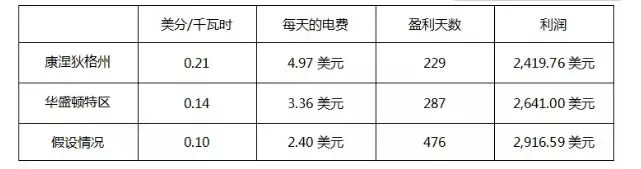
- Daily electricity cost = $0.10 USD × 24 h = $2.40 USD
- Block‑Difficulty Growth Function
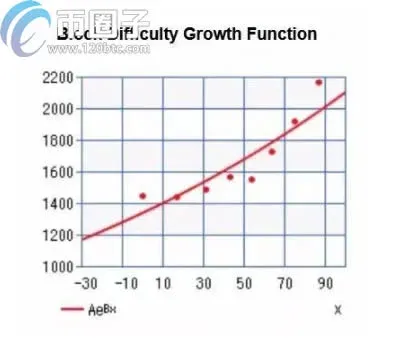
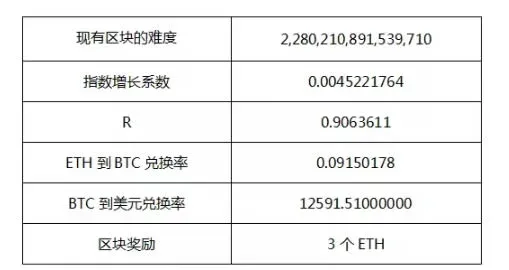
By performing an exponential regression on historical difficulty data from Etherescan, an exponential growth model for difficulty over time is derived. This model is used to forecast future mining difficulty.
- Profit Forecast
Using the CoinWarz mining profitability calculator, the parameters above are entered and monthly linear interpolation is applied as difficulty rises. The results are as follows:
- In the first year, daily profit drops from about $18.24 USD to $1.60 USD.
- After roughly 476 days (≈ 1.5 years) electricity costs exceed earnings, and the equipment becomes unprofitable.
- Cumulative profit over the entire operating period is approximately $2,916.59 USD, slightly below the initial hardware outlay.
- Second‑Hand GPU Resale Value
- If the four GPUs can be sold for $300 USD each, you recover $1,200 USD, bringing total revenue to about $4,116.59 USD and a net profit of $1,116.59 USD (≈ 37 % ROI).
- If the market price falls to $100 USD per GPU, total resale is $400 USD, yielding a net profit of roughly $316.59 USD (≈ 10.5 % ROI).
- Impact of Regional Electricity Prices
Electricity rates vary widely across U.S. cities. For example, in Washington, D.C., even selling each GPU for $150 USD may still result in a loss. The table below shows reference profits for three cities.
Safety Note: Choose a reputable mining pool and ensure that the mining rig’s electrical wiring complies with local safety standards. High‑voltage connections, aging cables, and inadequate cooling can cause fires; there have been documented cases of mining farms being destroyed by electrical faults.
All data presented in this article are for reference only. Actual earnings are influenced by cryptocurrency price fluctuations, hardware depreciation, local electricity costs, and other variables.
That concludes the guide “How to mine Ethereum on a personal computer? Detailed graphical guide for Ethereum PC mining.” For more hands‑on mining content, follow Bitaigen for upcoming articles.
*Disclaimer*: Cryptocurrency gains may be subject to tax in your jurisdiction. Please consult a tax professional and consider SEPA, SWIFT, or other international payment methods when handling fiat conversions.
Related Reading
- 2021 GPU Mining Benchmark: NVIDIA vs AMD for ETH & CFX
- Best Ethereum Mining Pools 2024: BTC.com Tops Returns
- Is Ethereum Mining Legal? Complete Setup Guide & Compliance
💡 Register on Binance with referral code B2345 for the maximum trading fee discount. See Binance complete guide.



