
 Bitaigen Research
 Decentralized stablecoins are digital currencies issued on a decentralized network that maintain a 1:1 peg to a fiat currency through on‑chain collateral or algorithmic mechanisms. Common examples include DAI, AUSD, RSR, TUSD, EURS, SUSD, among others.
Before diving into decentralized stablecoins, it is helpful to clarify two concepts:
- Decentralization does not mean the absence of a center; rather, network nodes freely choose and enforce the governance rules.
- Stablecoin refers to a digital asset whose price or value remains relatively stable, typically anchored to a fiat currency at a fixed ratio.
By combining these two attributes, a decentralized stablecoin is a cryptocurrency that retains decentralization while achieving price stability via collateral or algorithmic designs. Numerous such tokens already exist in the market, and they are introduced one by one below.
In this article we outline the core concepts and operating mechanisms of decentralized stablecoins, and we dissect the design philosophies and use‑cases of the leading tokens in the industry. This helps readers quickly understand their value and risks within the DeFi ecosystem. Subsequent sections will take a deeper look at each coin’s unique features and how to use them.
Which decentralized stablecoins are available?
1. DAI
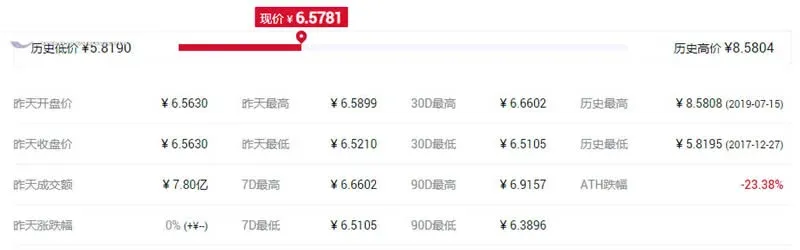
DAI is the largest decentralized stablecoin on Ethereum, developed and governed by MakerDAO. It serves as a core piece of DeFi infrastructure. DAI is minted against over‑collateralized on‑chain assets, preserving a 1:1 peg to the US dollar (1 DAI ≈ 1 USD). Individuals and enterprises can swap for DAI, or lock collateral to borrow DAI, satisfying hedging and liquidity needs.
2. AUSD
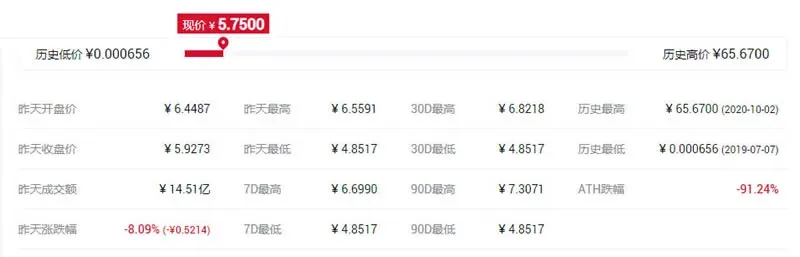
AUSD is issued by APPEAL DOLLAR INC., a digital‑dollar company registered in New York, USA. It belongs to the category of decentralized dollar‑backed stablecoins. The token is regulated under U.S. law, and its custodial accounts undergo regular independent third‑party audits, ensuring a 1:1 USD peg with high transparency.
3. RSR
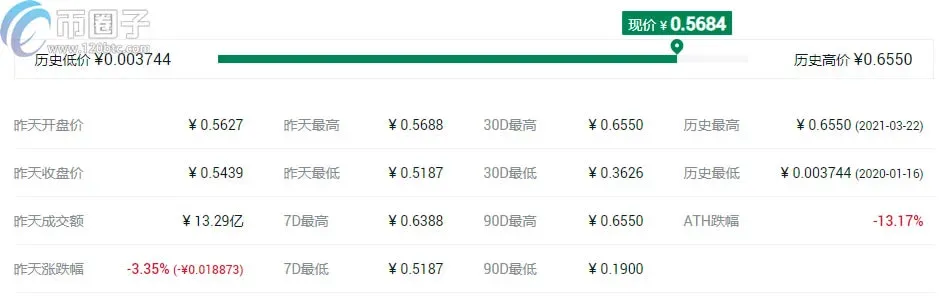
RSR is the native token of the Reserve project, which aims to build a distributed, stable store of value and payment system. Its stablecoin adjusts supply automatically based on demand and is backed by more than 100 % on‑chain collateral. Reserve has attracted backing from Silicon Valley investors such as PayPal co‑founder Peter Thiel and Y Combinator president Sam Altman.
4. TUSD
TUSD (TrueUSD) is a dollar‑pegged stablecoin where each issued token is backed by one U.S. dollar. It offers legal protection and a reliable transactional tool, enabling consumers and businesses to convert fiat into digital assets for payments. For U.S. users, purchases should be made through Binance.US rather than the global Binance platform.
5. EURS
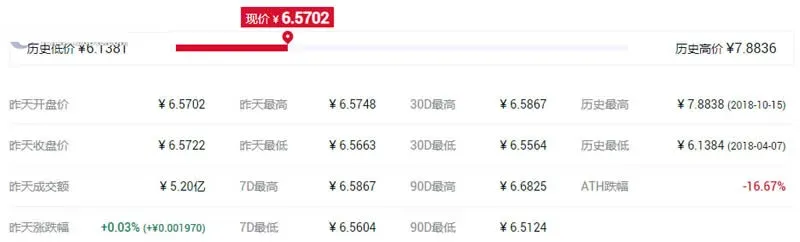
EURS is launched by the STASIS team as an ERC‑20 token on Ethereum and is the first stablecoin pegged to the euro. It is intended to meet the growing demand from European institutional investors for crypto‑based assets. Transfers can be settled via SEPA or SWIFT in addition to on‑chain movements.
6. SUSD
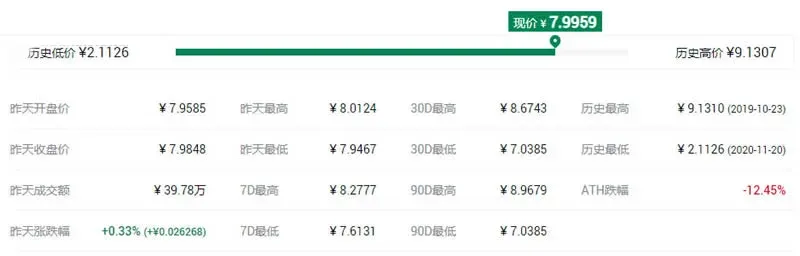
SUSD, formerly known as nUSD, is issued by the Havven Foundation. It is created directly in the issuer’s wallet and distributes fees proportionally to token holders to boost liquidity. The foundation intervenes in the market to keep SUSD’s value stable.
Tip: Before selecting any digital asset, investors should assess its value and liquidity. Liquidity is a key metric for a cryptocurrency’s worth and a crucial factor in its path toward maturity. As blockchain technology sees broader adoption in payment scenarios, the intrinsic value of digital currencies will become increasingly evident.
*Note: Crypto gains may be subject to taxation in your jurisdiction; consult a tax professional for guidance.*
The above provides an overview of the decentralized stablecoin concept and its principal tokens. For additional information, follow other articles from Bitaigen (比特根).
Related Reading
- Stablecoin Design Visualized: USDT, DAI, FEI, Basis Cash, ESD
- DeFi Revolution: Decentralized Finance Redefining Banking
- Blockchain Cross‑Chain & Side‑Chain Tokens Explained
💡 Register on Binance with referral code B2345 for the maximum trading fee discount. See Binance complete guide.



