
 Bitaigen Research
 In this article we outline the core concepts for NFT beginners, dissect technical traits such as uniqueness and indivisibility, and illustrate real‑world use cases in digital collectibles. After grasping these fundamentals, you’ll find it easier to understand the value logic behind NFTs. Continue reading for a complete guide.
Beginner’s Guide to Non‑Fungible Tokens (NFTs): What Is a Non‑Fungible Token (NFT)?
A non‑fungible token (NFT) is a unique digital asset built on a blockchain; the unique identifier stored in its smart contract makes each token non‑interchangeable and indivisible, and it is commonly used for digital collectibles, artwork, and proof of ownership of assets.
NFTs achieve uniqueness through identification data embedded in the smart contract, which means they cannot be directly substituted by any other token.
What Is a Non‑Fungible Token (NFT)?
An NFT contains a unique identifier recorded in its smart contract; this data distinguishes each NFT from every other token, preventing the kind of one‑for‑one exchange that fiat currencies enjoy.
- Fungible tokens (e.g., Bitcoin) are divisible and interchangeable; sending one Bitcoin to someone else results in the recipient holding the same type of token.
- NFTs are indivisible, similar to a concert ticket as a whole—half a ticket has no practical value.
CryptoKitties was among the first NFT projects; each blockchain‑based virtual cat carries a set of unique attributes and is not replaceable by any other.
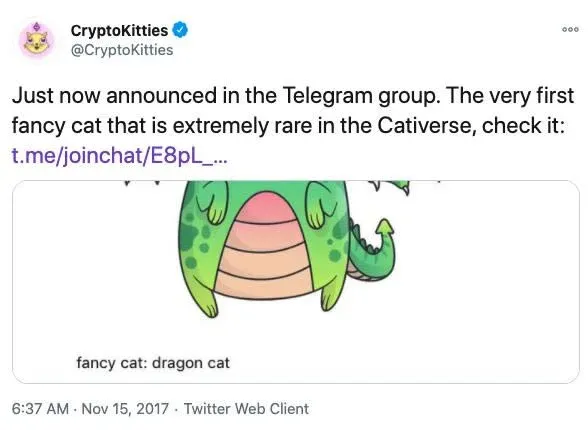
These NFTs write their unique data into a smart contract and permanently store it on the blockchain, making it immutable. CryptoKitties follows the Ethereum ERC‑721 standard and runs on the Ethereum network.
What Makes NFTs Special?
- Uniqueness: Every NFT carries distinct metadata and attributes.
- Asset Linkage: NFTs can be bound to digital projects (such as in‑game skins) or to the ownership of physical assets.
By contrast, fungible tokens (like Bitcoin or ERC‑20 tokens) have identical properties and value when exchanged.
What Are NFTs Used For?
- Differentiating Digital Assets: They prove scarcity and value for crypto collectibles such as CryptoKitties.
- Representing Diverse Asset Types: NFTs can stand in for virtual land, artwork, copyright licenses, and many other forms of value.
NFTs are typically bought and sold on dedicated digital marketplaces (e.g., OpenSea, Decentraland’s LAND market) rather than on traditional cryptocurrency exchanges.
- Standards: Ethereum’s ERC‑721 and ERC‑1155 are the most widely adopted NFT standards; other chains such as NEO, EOS, and TRON have also introduced their own NFT specifications.
- Extended Attributes: Smart contracts can attach owner identity, rich metadata, or secure file links, creating tamper‑proof proof of ownership.
At present, NFT and smart‑contract technology are evolving rapidly. Developing decentralized applications (dApps) remains challenging, and universal protocols and interoperability are still works in progress.
Who Is Making Waves in the NFT Space?
Terra Virtua
- Transposes the concept of physical trading cards into the blockchain via digital collectibles.
- Launched a licensed NFT series for *The Godfather* trilogy in September 2023.
- CEO Gary Bracey says Terra Virtua’s mission is to bring NFTs into the mainstream, bridging the digital and physical worlds.
SuperRare
- A marketplace focused on rare digital art NFTs.
- All pieces are authenticated on the Ethereum chain, guaranteeing uniqueness and value.
- To date, the platform has amassed tens of thousands of artworks in collectors’ portfolios.
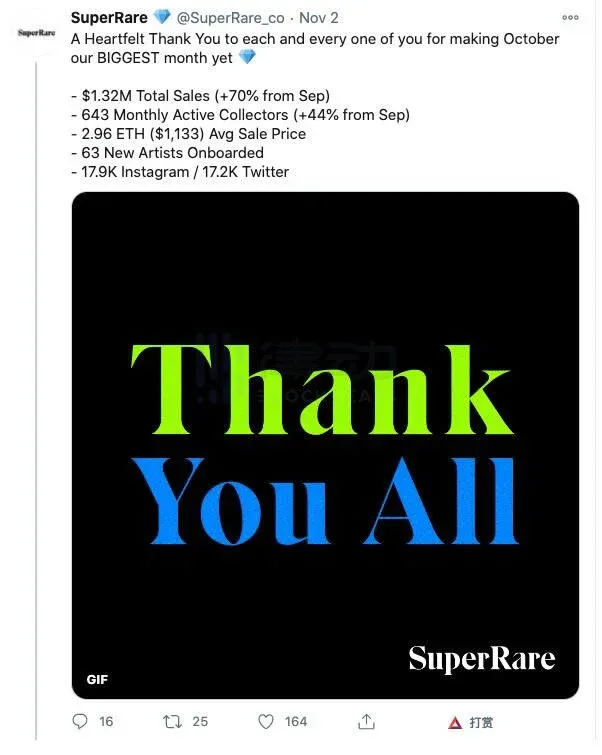
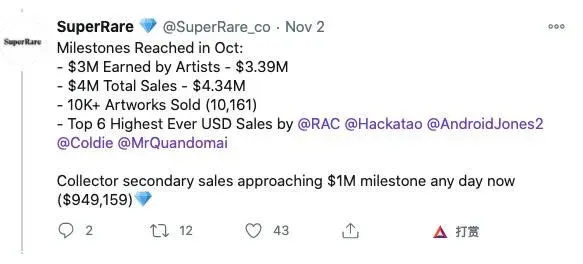
- In October 2020, SuperRare reported $4 million USD in total art sales on the platform, with creators collectively earning roughly $3 million USD.
Decentraland
- The first fully decentralized virtual world, built around the ERC‑20 token MANA.
- Users spend MANA to acquire non‑fungible LAND tokens, which confer ownership of virtual parcels.
- The initial ICO raised $20.7 million USD; subsequent LAND auctions have generated about 161 million MANA (approximately $15 million USD).
Decentraland also supports a variety of NFTs, including those from Axie Infinity and CryptoKitties.
Where NFTs Intersect With DeFi
- Aavegotchi: Merges NFTs with DeFi collateral assets (aTokens). Each Aavegotchi contains a yield‑generating collateral bundle; if the holder’s collateral is liquidated, the NFT becomes invalid.
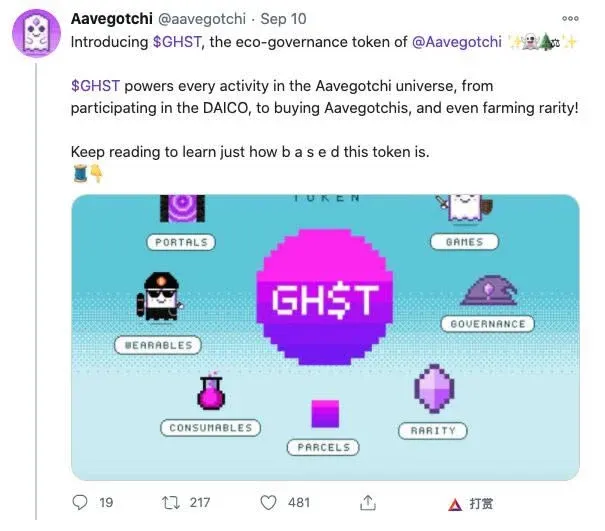
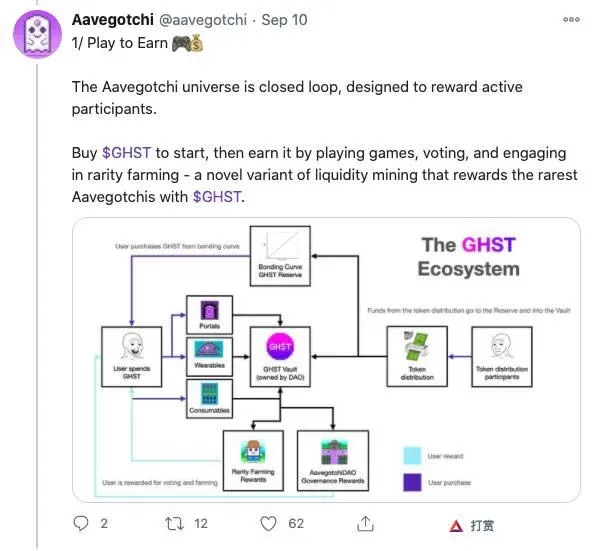
- Rarible: A decentralized NFT marketplace that introduced its governance token RARI in 2020, rewarding active creators and collectors through “market liquidity mining.”
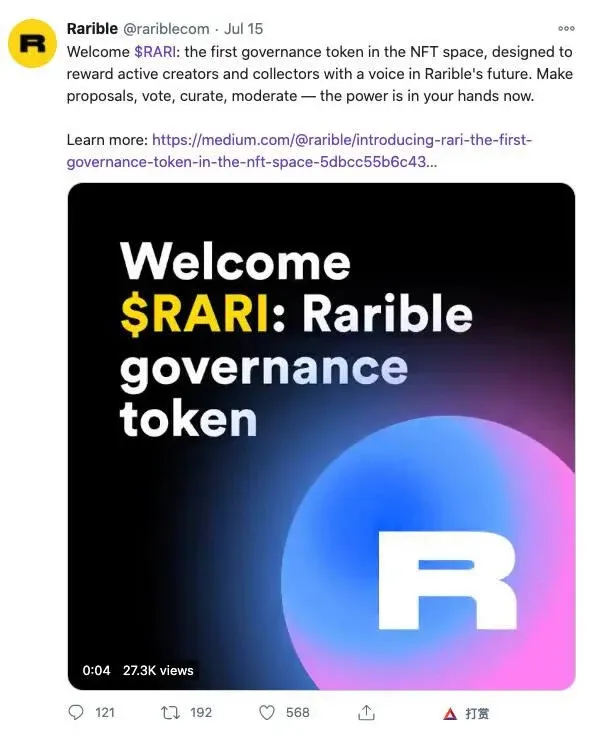
According to Dune Analytics, Rarible has held a leading share of NFT sales volume since September 2022, indicating that the convergence of DeFi and NFTs still has ample room for growth.
Outlook for NFTs
- Gaming and Collectibles: NFTs are now commonplace for in‑game items and digital memorabilia. Licensed projects such as Sorare, The Smurfs, Minecraft, and the BBC series *Doctor Who* have all issued NFTs.
- Copyright and Intellectual Property: NFTs can serve as immutable records for artwork copyrights, software licenses, ticket verification, and other IP‑related use cases, enabling traceable and tamper‑proof ownership.
- Secure Tokenization: Physical assets (e.g., real estate) can be tokenized via NFTs to enable fractional or shared ownership, improving liquidity while preserving clear title.
- Identity Verification: NFTs can store credentials like diplomas, professional licenses, birth or death certificates, allowing users to manage them centrally in a digital wallet.
“The race hasn’t really started yet; this is just the warm‑up.” — Gary Bracey
The above constitutes the full content of “Beginner’s Guide to Non‑Fungible Tokens (NFT): What Is a Non‑Fungible Token (NFT)”. For further NFT education, follow Bitaigen (比特根) and its related news sources.
Practical Notes for Global Users
- Fiat on‑ramps and withdrawals typically use USD via bank transfers (SEPA for Europe, SWIFT for other regions).
- U.S. residents must use Binance.US or another regulated U.S. exchange; the global Binance platform is not available to U.S. customers.
- Crypto gains, including NFT sales, may be subject to taxation in your jurisdiction. Consult a tax professional to understand local reporting obligations.
Related Reading
- NFT Basics: ERC-721 Explained & Real-World Uses
- What Is a Web3 Wallet? Hardware & Software Guides for DApp Users
- Top Domestic Digital Asset Exchanges Ranked 2024 – Mainstream Crypto Platforms
💡 Register on Binance with referral code B2345 for the maximum trading fee discount. See Binance complete guide.



