
 Bitaigen Research
 As blockchain technology continues to evolve, the variety and number of digital assets have exploded. Facing an ever‑growing list of coins, investors usually pick a reputable, feature‑rich exchange before buying. So, which exchanges are widely recognized in the domestic market today? How do they rank within the industry? Below we organize the key information.

What is a digital asset exchange?
A digital asset exchange is an internet‑based marketplace where users can swap one digital asset for another according to real‑time market valuations. Some platforms even allow the direct purchase or sale of cryptocurrencies with fiat currencies such as USD, EUR (via SEPA/SWIFT), or other local legal tender. It is worth noting that users typically have the option to manage their own wallets: they can transfer funds into a custodial wallet provided by the exchange, or retain private keys themselves for independent transfers.
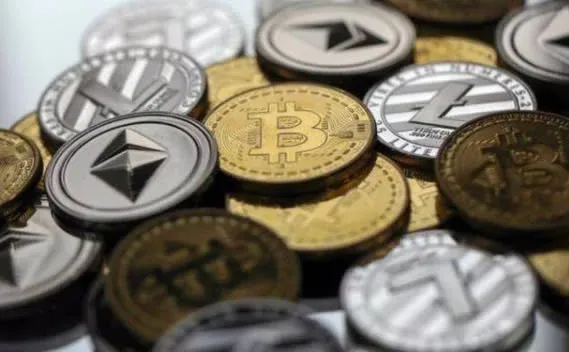
In this article we have compiled a list of domestically regulated and well‑reputed digital‑asset trading platforms, analyzed their core functionalities, compliance safeguards, and user‑experience highlights, helping investors quickly identify an exchange that fits their needs. Subsequent sections will provide practical comparisons, so reading on is worthwhile.
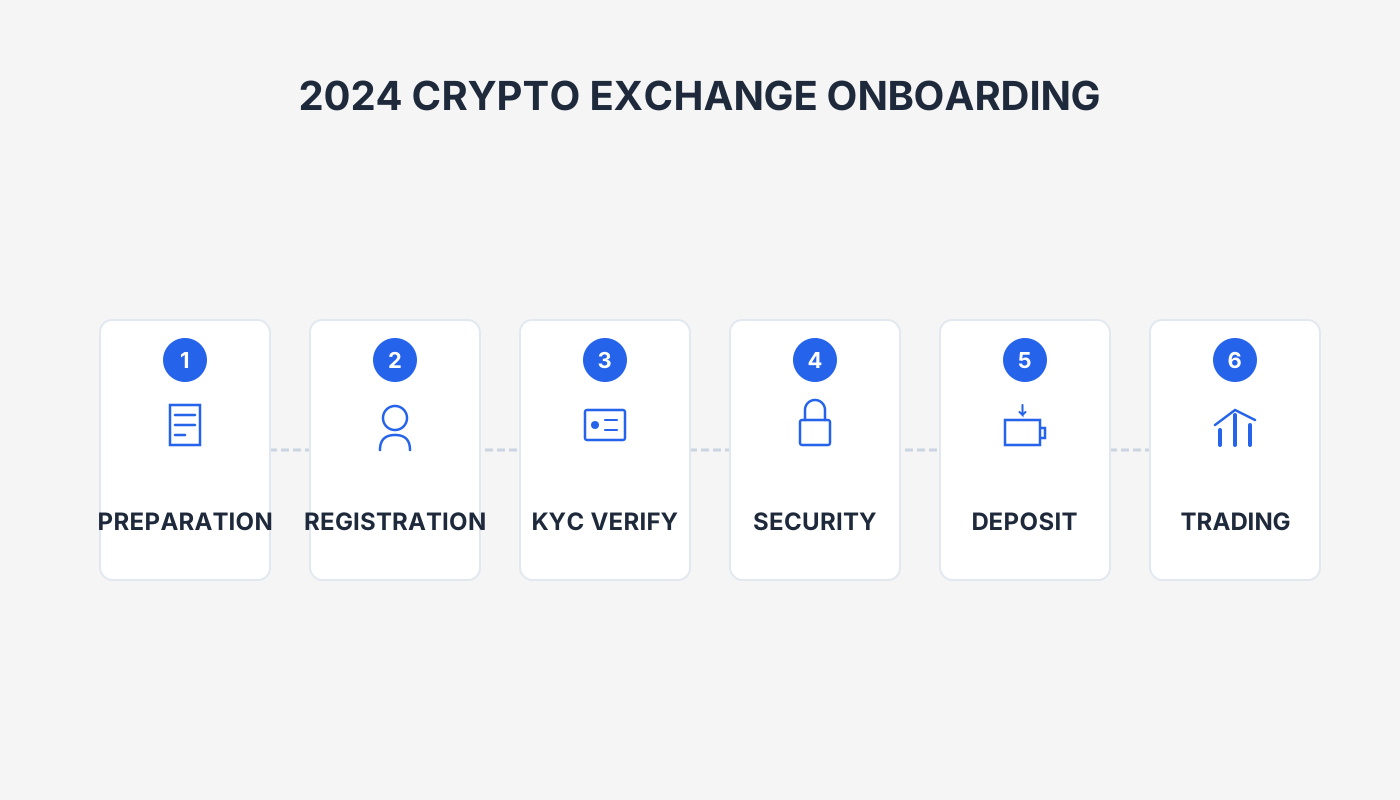
Key factors for judging an exchange’s reliability
1. Security level
The foremost concern is the safety of assets. Most exchanges operate on a centralized model, meaning user funds are held within the platform’s internal systems, where oversight can be limited. Consequently, priority should be given to large‑scale platforms with strong technical expertise and extensive operational experience.
2. Trading volume and liquidity
High trading volume indicates deep order books, allowing trades to be executed quickly while reducing the risk of market manipulation by a single party.
3. Variety and quality of listed assets
Although the market lists a huge number of tokens, only a few dozen are truly active and liquid. Exchanges adopt different listing strategies: some prefer a curated selection of high‑quality projects, while others offer a broader array. Investors can focus on the categories that match their own objectives.
4. Fiat on‑ramps
Exchanges that let users buy crypto directly with fiat (e.g., USD, EUR, or other local currencies) are especially friendly to newcomers. However, regulatory pressures are tightening the availability of such services in many jurisdictions.
5. Deposit and withdrawal efficiency
The speed of fund inflows and outflows directly affects the trading experience. Delays in deposits or blocked withdrawals can hinder timely market actions.
---
Rankings of mainstream digital asset exchanges
1. Binance – the most internationally oriented exchange
Binance surged into prominence in 2017 during a turning point in Bitcoin’s market cycle, and its founder Changpeng Zhao enjoys a solid reputation in the industry. The later addition of co‑founder He Yi further boosted brand influence, propelling Binance’s trading volume into the global top tier within a short period. Binance’s user base spans the world, truly delivering cross‑regional trading services. U.S. residents should use Binance.US rather than the global platform.
2. OKEx – a hub for high‑activity contract trading
OKEx was one of the first three platforms to launch futures and perpetual contracts. 2020 was dubbed the “contract year,” and the exchange quickly introduced a variety of leveraged contracts. Its high leverage options and low fee structures attracted a large community of contract traders, gradually setting an industry benchmark.
3. Huobi – the exchange with the largest retail user concentration
Since its establishment in 2013, Huobi has remained a primary gathering place for retail investors. The platform excels in spot trading and offers deep liquidity, meeting the basic needs of most individual traders.

4. Coinbase (United States)
As the world’s largest cryptocurrency exchange by volume, Coinbase reported a quarterly trading volume of $193 billion at the end of 2020, a 141.7 % increase over 2019, with a compound annual growth rate of 258 %. In Q1 2021, total revenue reached roughly $1.8 billion, a 844 % sequential rise. Coinbase primarily serves users in the United States and Europe, offering fiat on‑ramps via SEPA, SWIFT, and ACH transfers.
5. BitMEX (Hong Kong)
BitMEX is known for its high‑leverage derivatives market, catering to professional traders who seek sophisticated contract products. Although headquartered in Hong Kong, the platform serves a global clientele and accepts fiat deposits primarily through bank transfers that comply with international SWIFT standards.

---
Note: Crypto gains may be subject to taxation in many jurisdictions. Users should consult local tax regulations or professional advisors to ensure compliance.
Related Reading
- Top 10 Crypto Exchanges Review: Compliance, Depth, Security
- RWA Tokenization Surpasses $23B by Mid‑2025 – 260% Growth
- Real-World Asset Tokenization: Redefining Global Ownership
💡 Register on Binance with referral code B2345 for the maximum trading fee discount. See Binance complete guide.



