
 Bitaigen Research
 As blockchain technology continues to mature, industry expectations for the convergence of gaming and decentralized finance are also rising. Today, blockchain games are shifting from a simple “play‑to‑earn” model toward a focus on “having fun while truly owning assets.” The involvement of traditional gaming giants such as Ubisoft, Square Enix, and Nexon, as well as prominent investment firms like a16z and Animoca Brands, signals that this trend has moved from the proof‑of‑concept stage into an industrialization process.
In this article we outline the core concepts and development trajectory of blockchain gaming, analyze the positioning of industry leaders and top capital, and highlight a few projects that are currently generating significant buzz. This will help readers quickly grasp the value and trends of this emerging ecosystem. If you want to understand how blockchain can enable players to truly own assets, keep reading.
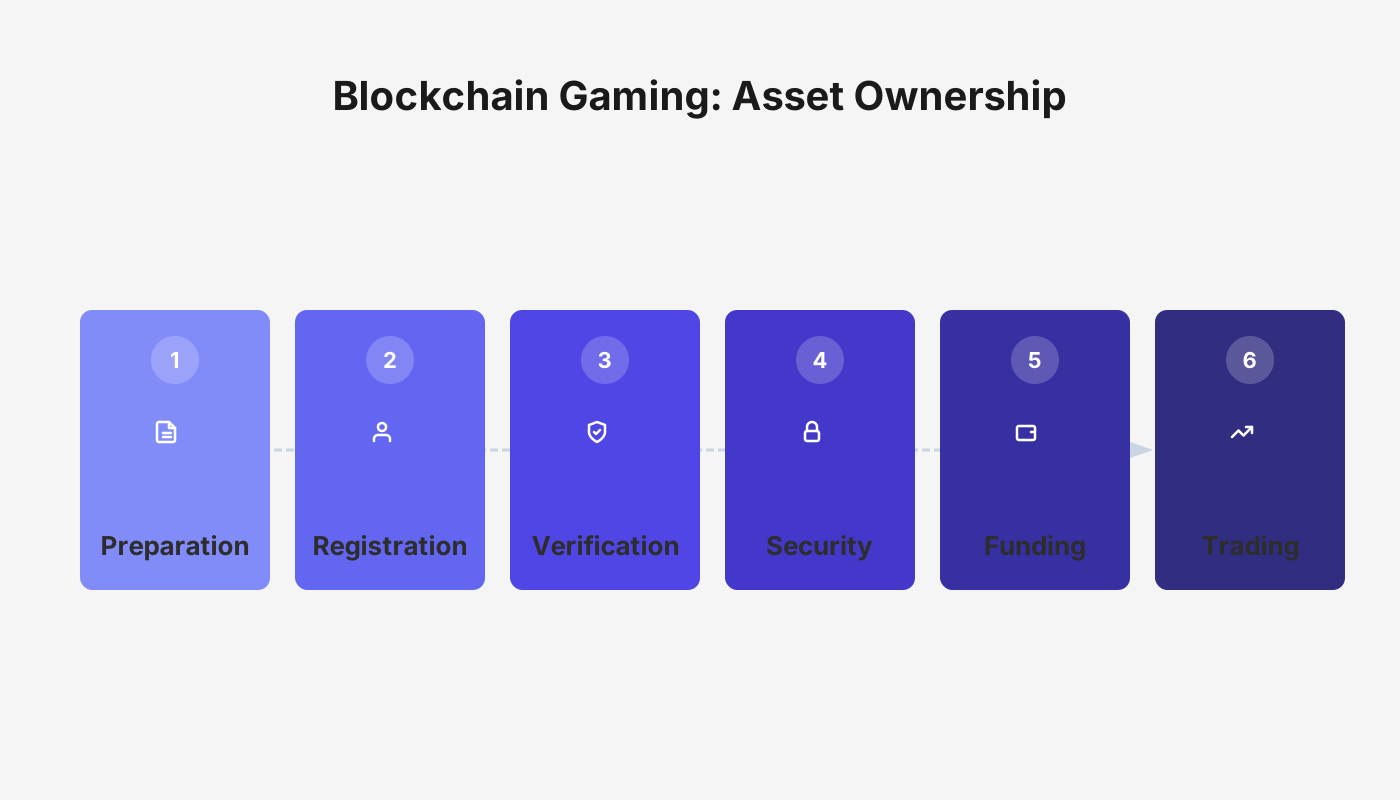
Future Outlook for Blockchain Games
Blockchain games are gradually moving away from a short‑term profit focus and are instead emphasizing sustainable player experiences and high‑quality gameplay. As the Web3 economic ecosystem becomes increasingly refined, digital assets earned in‑game—such as NFTs and tokens—will be able to flow freely across broader on‑chain markets, creating a genuine digital‑economy closed loop.
What Is a Blockchain Game?
A blockchain game is a game project developed and operated within a Web3 environment that relies on underlying blockchain infrastructure to build a decentralized gaming ecosystem. Compared with traditional Web2 games, blockchain games not only provide entertainment but also allow players to own, trade, and utilize in‑game digital assets, making them an integral part of the digital economy.
Key characteristics include:
- High‑throughput networks: The blockchain itself can handle thousands of transactions per second (TPS) and gas fees can be near zero.
- Comprehensive development tools: SDKs, APIs, and other toolkits help developers quickly deploy games on the platform.
- Built‑in NFT marketplace: Characters, equipment, land, and other assets can be minted as NFTs and traded on‑chain.
- Decentralized exchanges (DEX): Players and projects can create, buy, sell, and settle tokens autonomously.
- Cross‑chain bridges: Support secure and fast asset transfers between different chains, enabling cross‑chain interoperability.
By organically combining these modules, blockchain games become more than a single entertainment product; they serve as a core pillar of the GameFi ecosystem.
Criteria for Evaluating an Excellent Blockchain Game
When selecting a blockchain platform dedicated to gaming, common evaluation dimensions include:
- Technical foundation: Does the chain offer high TPS, low gas fees, solid scalability, and developer‑friendly SDKs/APIs?
- GameFi ecosystem scale: Does the platform host a large number of high‑quality games that can attract and retain an active player base?
- Community activity: Daily active wallets (DAU) are a key metric for ecosystem health.
- Team and partnerships: Experienced development teams and strategic alliances with game studios or investment funds provide long‑term stability.
- Capital and market support: Chains that have secured notable venture capital investment usually possess stronger expansion potential.
Popular Blockchain Games Today
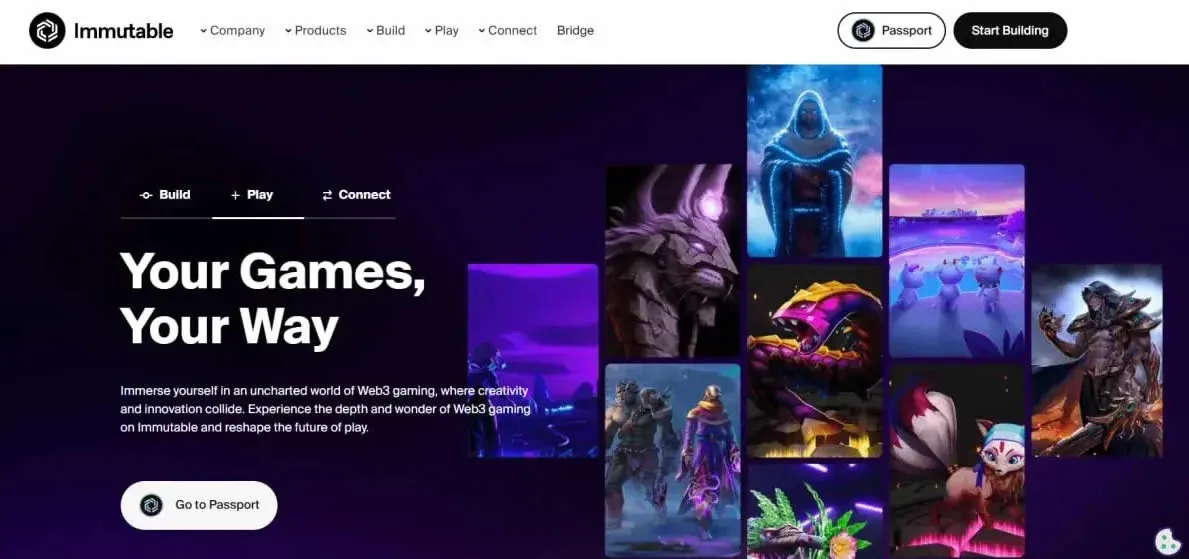
Immutable
Immutable holds a leading position in the NFT‑gaming space with its Ethereum‑based Layer‑2 solution that eliminates gas costs for users. Recently, it partnered with Polygon to launch Immutable zkEVM, which is optimized for AAA‑grade games.
- Technical strength: Supports 9,000 TPS, zero gas, and a complete game‑development SDK.
- Flagship titles: *Gods Unchained*, *Illuvium*, *Cross the Ages*.
- Funding background: Has raised over $270 million from investors such as Bitkraft, a16z, and Tencent.
- Roadmap: Deep collaboration with Polygon Labs, with plans to launch an independent game hub before the end of 2024.
Ronin
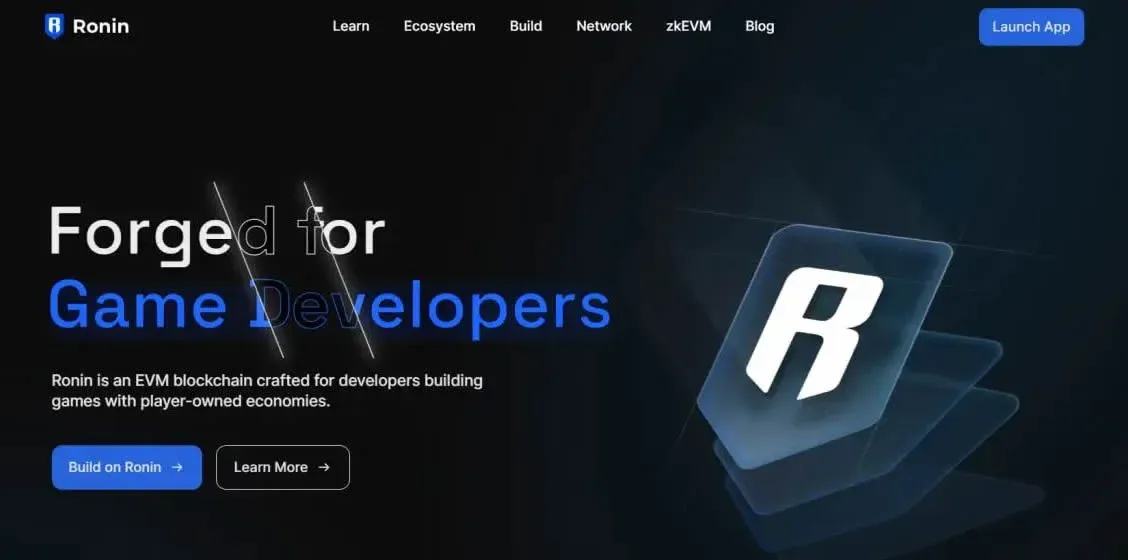
Ronin, built by Sky Mavis—the team behind *Axie Infinity*—is a Layer‑1 chain dedicated to gaming. Although it suffered a security breach exceeding $600 million, Ronin has rebounded strongly through technical upgrades and has attracted several new titles.
- Flagship titles: *Pixels* (which boosted DAU by more than fivefold), *Apeiron*, *The Machines Arena*, *Wild Forest*.
- Community size: The Axie ecosystem hosts millions of active users, forming a massive user base.
Avalanche: Subnet Gaming
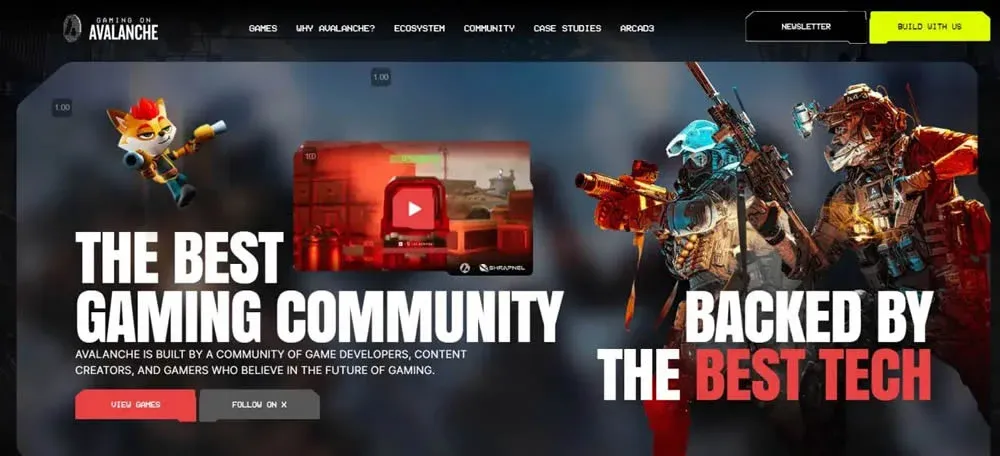
Avalanche leverages its Subnet architecture to give each game its own independent chain, freeing it from main‑net congestion and optimizing performance.
- Investment footprint: Blizzard Fund and the Multiverse Initiative have collectively invested hundreds of millions of dollars.
- Partners: Includes traditional gaming companies such as Neowiz and Gree.
- Key projects: *Shrapnel* (a AAA‑level shooter) and the highly anticipated battle‑royale title *Off the Grid*.
Oasys
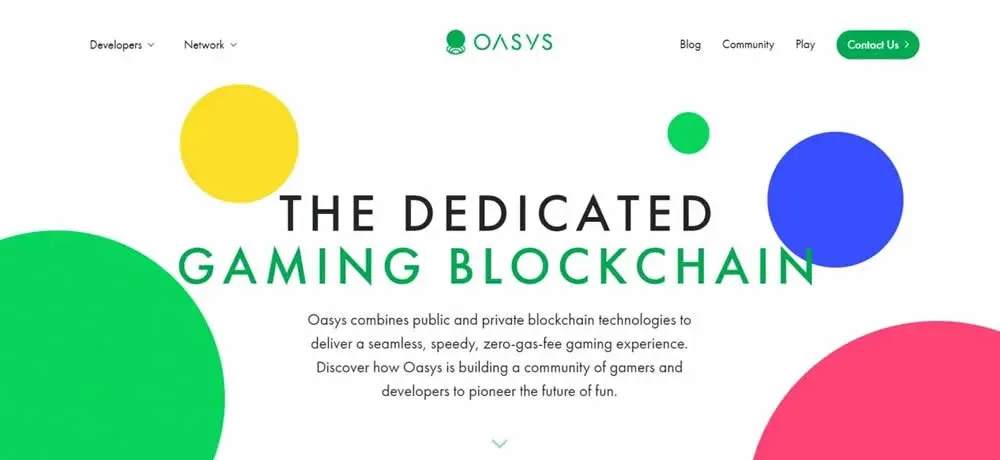
Oasys is a Japan‑originated game chain aimed at the Asian market, focusing on deep collaborations with major traditional game publishers.
- Dual‑layer architecture: Each game operates with a Hub‑Layer (Layer 1) and a Verse‑Layer (Layer 2).
- Performance edge: Provides high‑speed, gas‑free transaction experiences.
- Partnered titles: Flagship games from Square Enix, Ubisoft, Nexon, and other leading studios.
Fusionist: Endurance
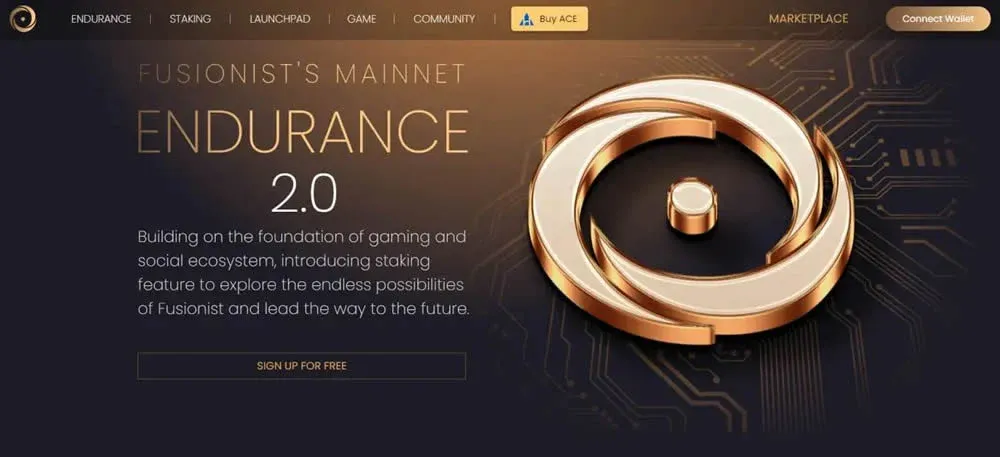
Fusionist combines a game studio with blockchain development expertise to launch the independent Endurance chain, purpose‑built for AAA‑grade projects.
- Core token: ACE powers payments and staking rights within the ecosystem.
- Upcoming AAA releases: *Colonize*, *Conquer*, *Unite*.
- Positioning: Targets the global player market with high‑quality game design, deep gameplay, and a balanced Play‑&‑Earn model.
Conclusion
Blockchain gaming has progressed from the proof‑of‑concept stage into a mature growth phase, making the choice of an appropriate underlying chain crucial for developers and investors alike. Platforms such as Immutable, Ronin, Avalanche, Oasys, and Fusionist are competing for the “Steam” position in the Web3 world. Whether you are a developer or a player, it is essential to approach these projects with diligence, using objective data to assess opportunities and make more rational decisions.
The above provides a comprehensive overview of “What is a blockchain game?” and a snapshot of today’s hottest blockchain gaming projects. For deeper analyses of blockchain gaming, feel free to explore other articles from Bitaigen (比特根)!
Related Reading
- Blockchain Gaming Rise: Security, Assets & Ownership
- Blockchain Game Mining: Legal Status, Risks & Regulations
- Secure Blockchain Games: Multi‑Signature Wallets & ZK Proofs
💡 Register on Binance with referral code B2345 for the maximum trading fee discount. See Binance complete guide.



