 Bitaigen Research
 Bitcoin’s network experienced a rare difficulty pullback in early 2026, with the difficulty index adjusting down from its historic peak to 146.4 trillion. At the same time, the price of BTC climbed back above the $94,000 mark and the hash‑price in the mining market recovered to roughly $40 per PH·s. While these headline‑level positives look encouraging, miners still need to examine from multiple angles whether they can truly overcome the profit squeeze caused by last year’s halving and high operating costs.
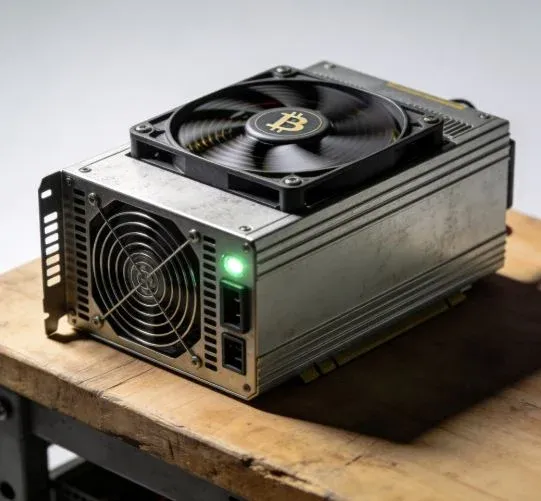
We dissect the real impact behind Bitcoin’s difficulty pullback from a multi‑dimensional perspective, focusing on electricity costs, equipment efficiency, and market conditions, to help miners assess whether a genuine profitability turning point has arrived. Keep reading to see how key variables will shape this year’s mining outlook.
Key Factors Affecting Miner Profitability
Core Impact of Electricity Costs
Electricity bills form the baseline of a mining farm’s profit margin. Industry surveys indicate that when local electricity rates are below $0.06 per kWh, miners can typically generate a positive cash flow; rates between $0.06 and $0.08 per kWh push operations into a thin‑margin zone; and rates above $0.10 per kWh generally lead to losses. Consequently, regions with abundant hydro, geothermal resources, or generous energy subsidies remain hot spots for mining operations.
Miner Efficiency and Cost Changes
Since the 2024 halving, ASIC efficiency has become the decisive survival factor. Competitive 2026 models need to keep energy consumption under 20 J/TH, while older units that exceed 30 J/TH struggle to turn a profit even in low‑price electricity markets. It is also worth noting that the market price of mining hardware continues to decline—Bitmain’s S19 series has fallen to $3‑4 per TH, a drop of more than 60 % from its 2024 peak—thereby lowering the capital barrier for new entrants.
Policy and Market Environment
Bitcoin’s block reward remains at 3.125 BTC, with roughly 450 BTC added to the supply each day. As the price rebounds to about $94,000, miners’ revenue base improves, yet the elevated network difficulty still compresses profit margins. Recent U.S. tax reforms allow full depreciation of mining equipment, markedly enhancing after‑tax cash flow for corporate miners; on the other hand, if the Digital Asset Market Clarity Act passes, it could open lower‑cost financing channels for the industry. *Note: cryptocurrency gains may be taxable in your local jurisdiction, so consult a tax professional.*
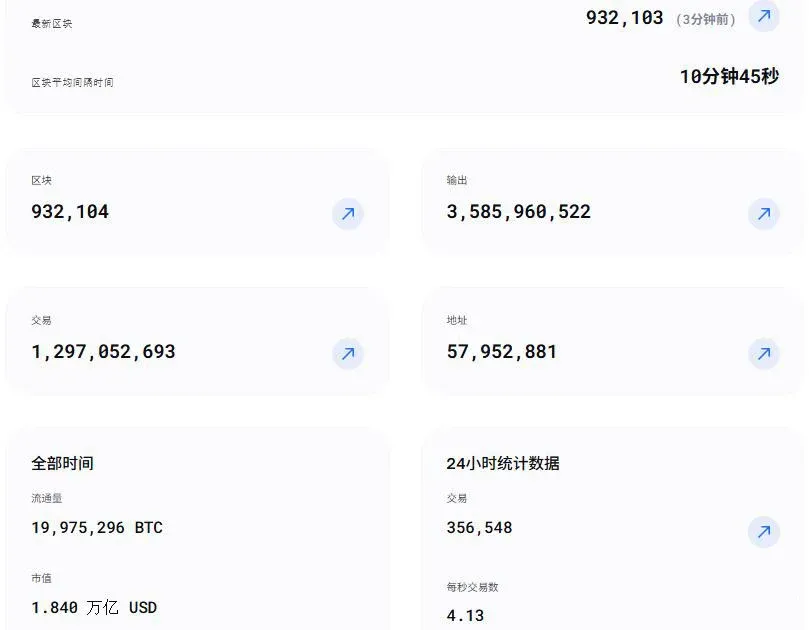
Early 2026 Mining Difficulty Adjustment Analysis
Bitcoin’s difficulty‑adjustment algorithm triggers automatically every 2,016 blocks (approximately every two weeks) to keep the average block time near ten minutes. After the most recent adjustment, difficulty fell from last year’s peak of 155.9 trillion to 146.4 trillion, breaking the upward trend that persisted throughout 2025. The current average block time sits at about 9.88 minutes, slightly below the target, indicating a modest dip in total hash power.
The immediate cause of the difficulty drop was the exit of some high‑cost hash power. In November 2025, the hash‑price fell below $35 per PH·s, hitting a multi‑year low and forcing many inefficient farms to shut down equipment. The next difficulty adjustment is scheduled for January 22, with estimates suggesting difficulty could climb back to roughly 148.20 trillion, showing that hash‑rate volatility remains ongoing.
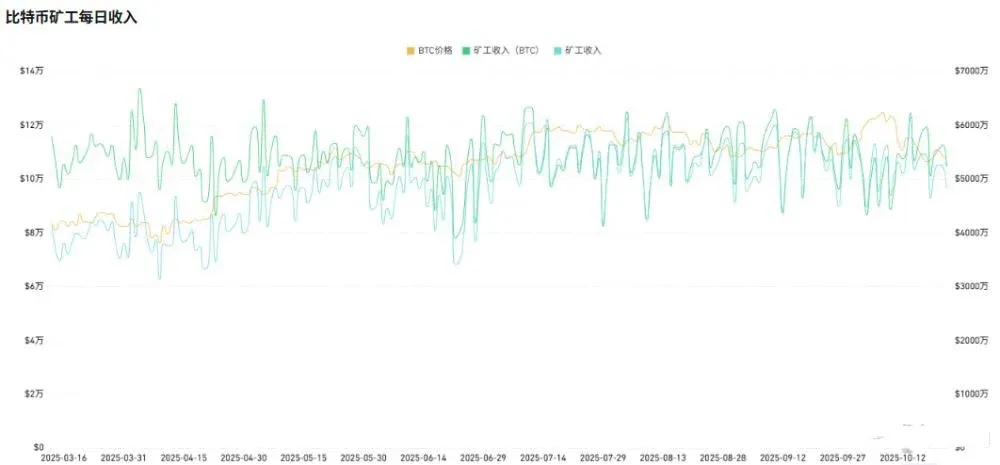
Miner Survival Strategies and Future Outlook
Business Diversification Trend
Facing Bitcoin‑related revenue swings, an increasing number of mining companies are exploring income streams beyond pure block rewards. In the second half of 2025, several firms redirected idle electricity capacity toward artificial‑intelligence (AI) training and high‑performance computing (HPC) services. Publicly listed IREN and Cipher Mining saw their share prices jump 328 % and 252 % respectively after announcing the pivots, indicating strong market endorsement of diversification.
Leading operators are accelerating scale through acquisitions, thereby raising hash‑rate concentration. As inefficient small‑ and medium‑size farms exit the market, companies such as CleanSpark have amassed over 50 EH/s of cumulative hash power, positioning them among the most efficient and fastest‑growing publicly traded mining enterprises worldwide.
Emerging New Business Models
Holding strategies are also evolving quietly. Several listed mining firms have followed Michael Saylor’s example by retaining a portion of the mined BTC on their balance sheets to boost corporate valuation. By the end of 2025, MARA Holdings, Riot Platforms, and CleanSpark had entered the top‑ten list of public Bitcoin holders, becoming significant on‑chain reserve players within the industry.
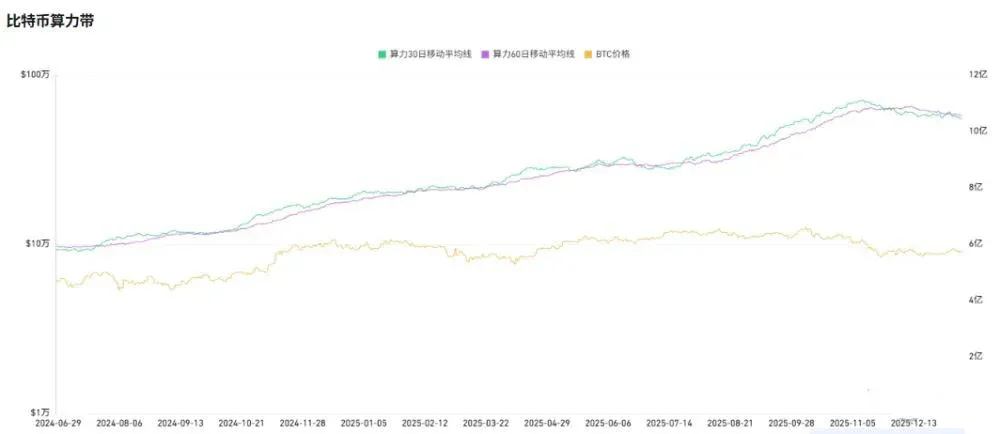
Global Bitcoin hash‑rate grew from roughly 795 EH/s in 2025 to about 1,045 EH/s, an annual increase of around 30 %. Analysts generally expect the pace of hash‑rate expansion to slow in 2026, meaning the miners that remain will operate in a relatively more stable competitive environment.
Conclusion
Key upcoming milestones in the next few months include the January 22 difficulty readjustment, the vote on the U.S. CLARITY Act, and the Federal Reserve’s March interest‑rate decision. Together, these events will shape whether miners see further improvements in profit margins.
The sector is already showing a shift from a single‑purpose Bitcoin producer to a broader digital‑infrastructure provider. With ongoing chip‑technology upgrades, the average network energy efficiency is projected to fall from 34 W/T to around 10 W/T by mid‑2026, creating a fresh wave of profitability opportunities for forward‑looking miners.
In summary, 2026 could become a watershed year for the mining landscape, with profitability still hinging on a combination of cost control, technological upgrades, and the regulatory environment.
For a deeper dive into the early 2026 Bitcoin mining difficulty adjustment, follow Bitaigen (比特根) and its related coverage.
💡 Register on Binance with referral code B2345 for the maximum trading fee discount. See Binance complete guide.



