
 Bitaigen Research
 Ethereum is the leading blockchain for developing decentralized applications (dApps), supporting a wide range of DeFi platforms, games, and other Web 3 projects. However, as the number of users continues to rise and Web 3 adoption expands, Ethereum faces scalability challenges that result in higher transaction costs and slower processing speeds.
To address these issues, Layer 2 solutions have emerged. These are separate blockchains designed to boost Ethereum’s throughput while reducing transaction fees. Among the many projects, a few stand out for delivering innovative approaches that resonate with both users and developers.
The 12 most popular Layer 2 solutions on Ethereum are ZKsync, Starkware, Arbitrum, Polygon, Optimism, Base, Mantle, MetisDAO, Blast, Eclipse, dYdX, and Loopring. This article introduces their core features and token information.
In this article we have compiled the most closely watched Layer 2 projects within the Ethereum ecosystem, dissecting their technical highlights and token mechanisms to help developers and investors quickly grasp each solution’s core value. Subsequent sections will provide deeper comparisons and use‑case scenarios, so a careful read is recommended.
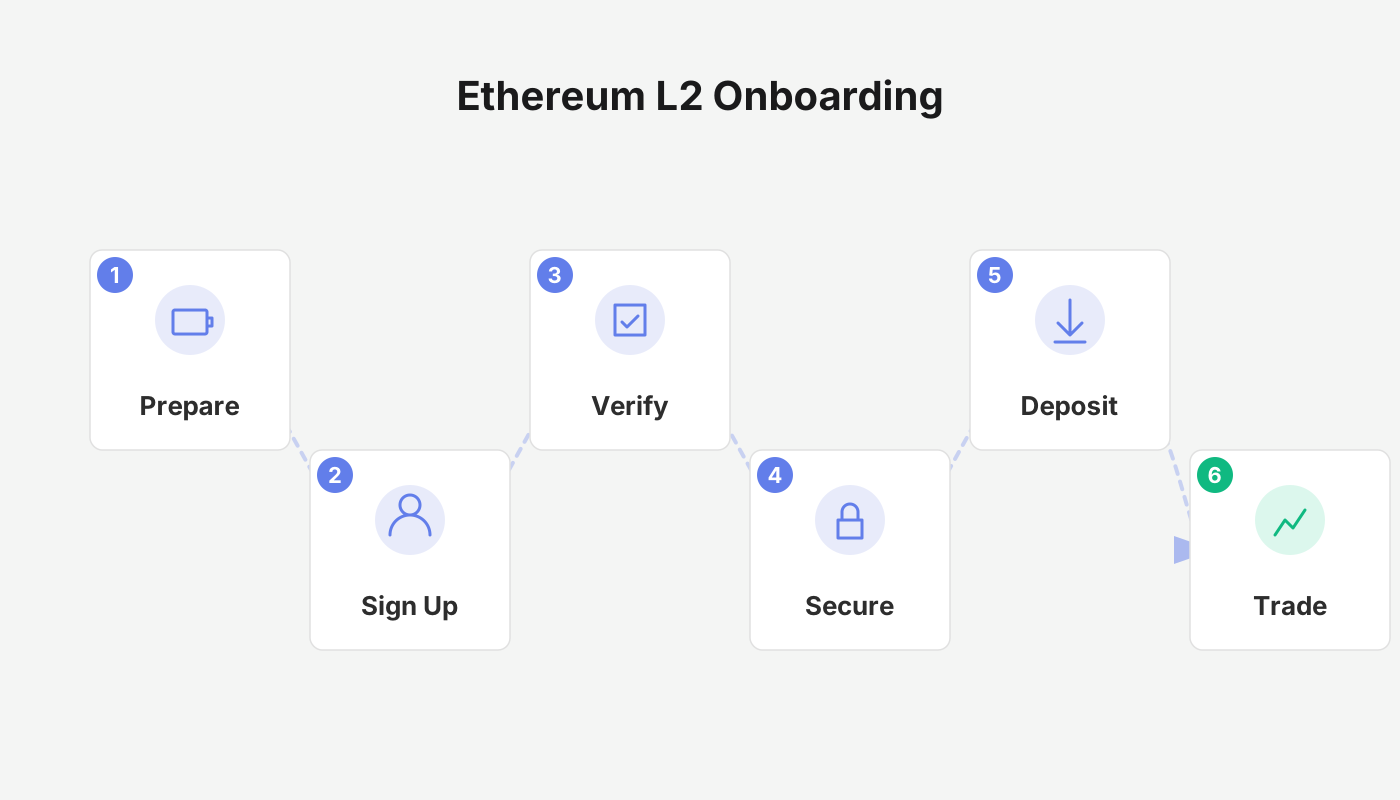
What is a Layer 2 solution?
Layer 2 solutions aim to improve Ethereum’s scalability and security. They move transaction processing off‑chain, settle the final state on the Ethereum mainnet, and thereby achieve high throughput with low fees.
- They can handle thousands of transactions simultaneously, whereas Ethereum’s base layer processes only about 15 TPS (transactions per second).
- By aggregating many off‑chain operations into a single on‑chain transaction, they dramatically cut gas costs.
The 12 most popular Layer 2 solutions on Ethereum
ZKsync
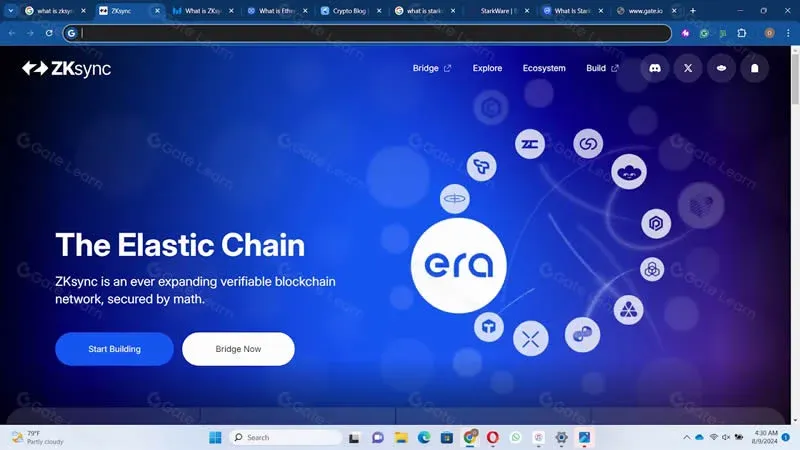
- Technical basis: Utilises Zero‑Knowledge Rollup (ZK‑Rollup) to batch‑process transactions off‑chain; each transaction costs roughly one cent USD.
- Ecosystem performance: To date it has processed over 400 million transactions, created 7 million addresses, and holds a TVL of $876 million USD.
- Core product: ZKsync Era offers low‑cost transactions and multi‑language SDKs, enabling developers to launch dApps quickly.
Starkware
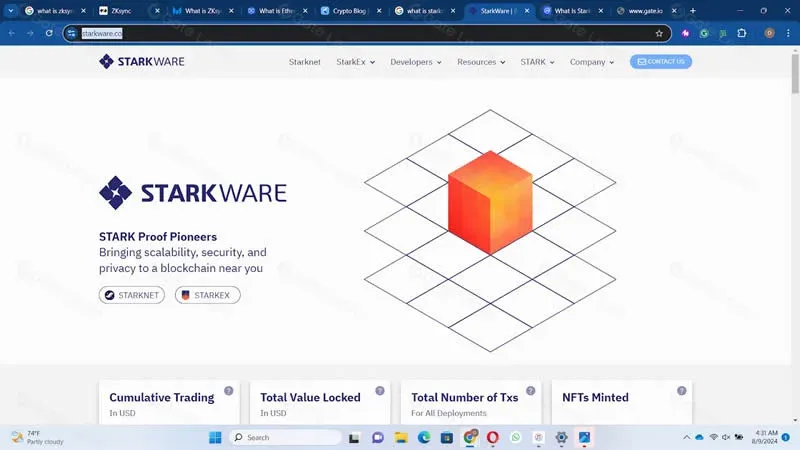
- Technical basis: Built on zk‑STARK (Zero‑Knowledge Scalable Transparent Argument of Knowledge), delivering faster and more secure verifiable computation.
- Key products:
- Starknet – a zk‑Rollup that supports theoretically unlimited scalable dApps.
- StarkEx – a SaaS platform covering NFTs, derivatives, AMMs, DeFi pools, and other use cases.
- Performance metrics: Has processed 750 million transactions, minted 147 million NFTs, recorded a cumulative trade volume of $1.28 trillion USD, and maintains a TVL of $494 million USD.
Arbitrum (ARB)
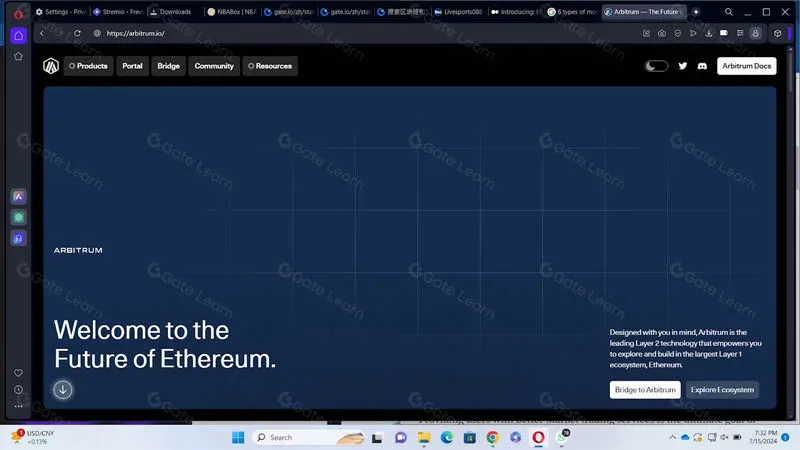
- Technical basis: Uses Optimistic Rollup to batch transactions and submit them to Ethereum, cutting gas fees.
- Ecosystem layout: Consists of Arbitrum One and Arbitrum Nova, both powered by the Nitro Stack to boost throughput.
- Locked value: TVL exceeds $2.97 billion USD, placing it among the top Layer 2 projects.
Polygon (MATIC)
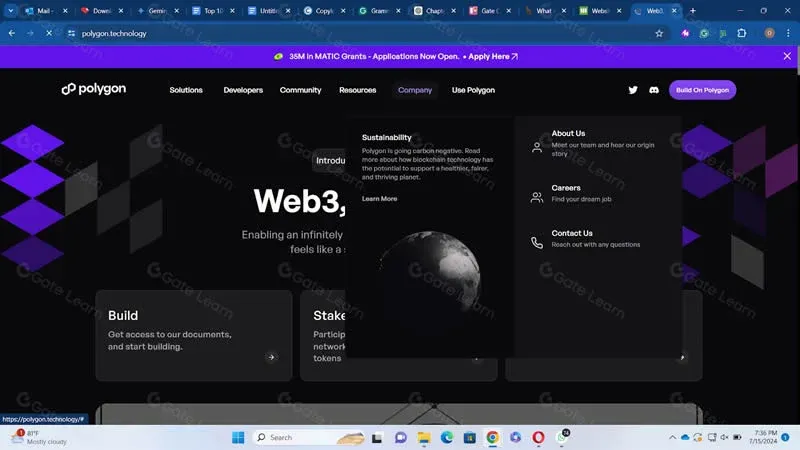
- Technology stack: Includes a Proof‑of‑Stake (PoS) chain, zkEVM (a ZK‑Rollup compatible with the Ethereum Virtual Machine), Polygon ID (on‑chain identity), and AggLayer (cross‑chain interoperability).
- Recent development: Polygon 2.0 introduces the POL token, enabling multi‑chain staking and governance.
- Market cap & supply: Approximately $5.2 billion USD market cap, with 9,894,059,780 MATIC tokens in circulation.
Optimism (OP)
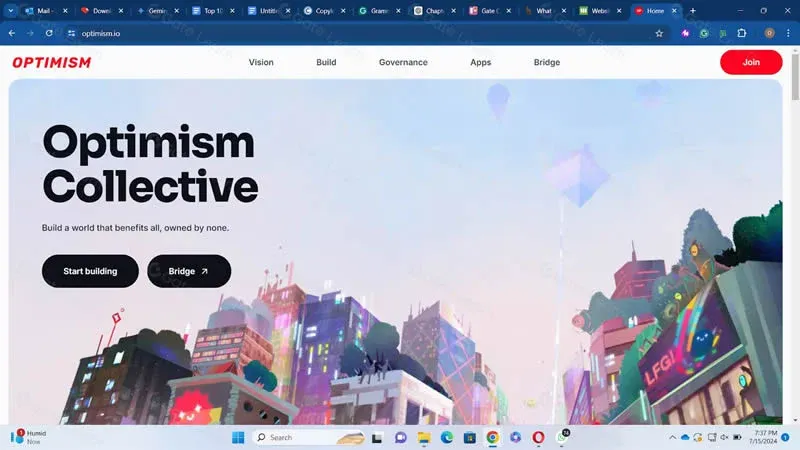
- Technical basis: An Optimistic Rollup that is fully EVM‑compatible, allowing dApps to migrate without any code changes.
- Advantages: Reduces transaction costs, raises throughput, and benefits from an active ecosystem that supports many dApps.
Base
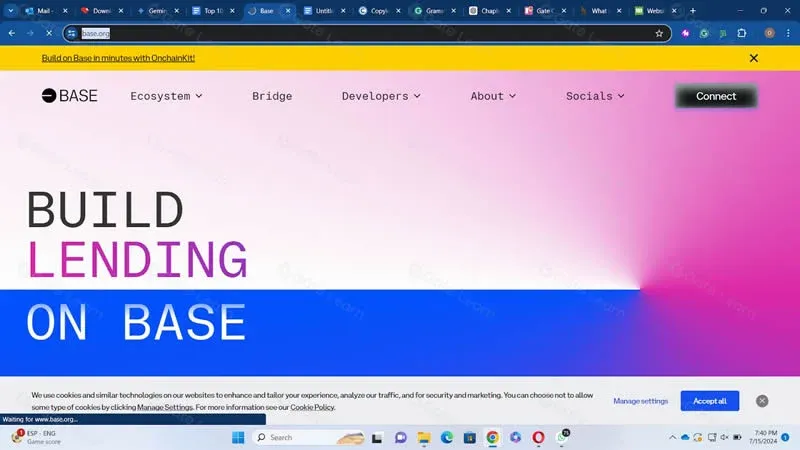
- Background: Launched in 2023 and built on the Coinbase ecosystem, offering a high‑performance transaction framework.
- Technical traits: Combines Optimistic Rollup with ZK‑Rollup to strike a balance between security, scalability, and speed.
- Economic indicators: TVL has reached $1.43 billion USD, with a per‑transaction cost of under one cent USD.
Mantle
- Core technology: EigenDA data‑availability layer paired with an Optimistic Rollup, delivering >1 TB/s throughput.
- Ecosystem performance: Testnet has processed 14 million transactions, deployed 80+ dApps, and attracted over 48,000 developers.
- Economic metrics: TVL around $458.77 million USD, gas fees reduced by 80 %, and TPS reaches 500.
MetisDAO (METIS)
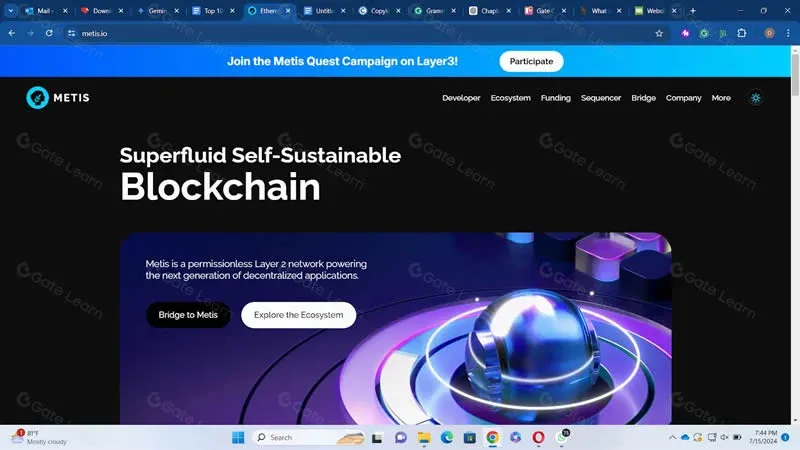
- Innovation: First Optimistic Rollup project to achieve decentralised sequencer operation, improving transaction parallelism.
- Governance: The METIS token is used for governance, staking, and fee payment. The platform has processed 17 million transactions and is linked to over 878,000 wallets.
Blast (BLAST)
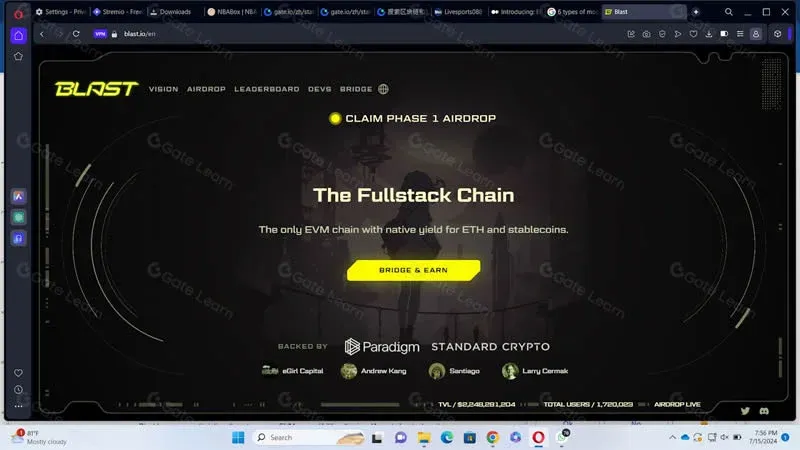
- Yield model: An automatic re‑balancing function that generates native yields for assets such as ETH, USDC, USDT, DAI, and directly integrates Ethereum staking and sovereign‑bond protocols.
- Technical compatibility: Built on Optimistic Rollup, maintaining full EVM compatibility.
- Economic metrics: TVL exceeds $1.3 billion USD, with a portion of gas‑fee revenue returned to dApp developers.
Eclipse
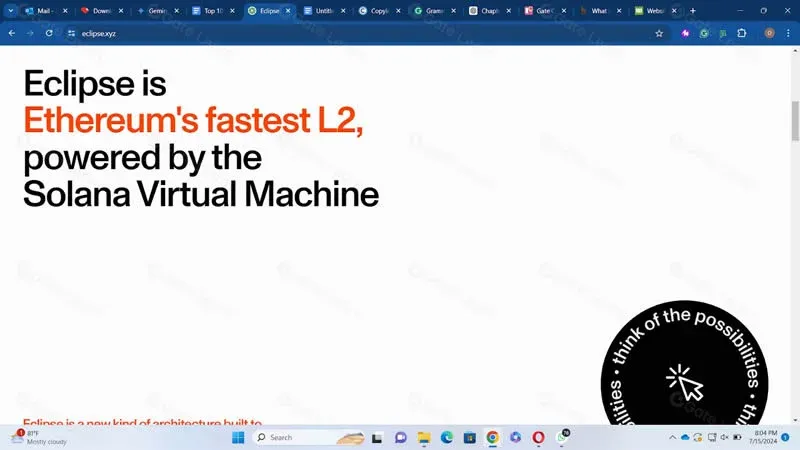
- Execution layer: Implements the Solana Virtual Machine (SVM), achieving >100,000 transactions per second for ultra‑high‑speed processing.
- Security model: Settles transactions on Ethereum while relying on Celestia for data availability.
- Unique feature: Uses RISC Zero zero‑knowledge fraud proofs, pays gas with ETH, and does not have a native token.
dYdX (DYDX)
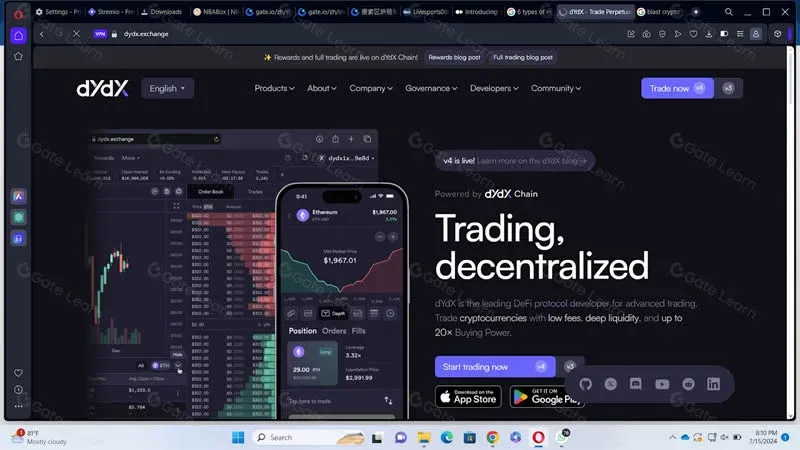
- Business focus: Decentralised perpetual‑contract trading platform that combines an off‑chain order book with on‑chain state updates.
- Technical implementation: Employs ZK‑Rollup to boost throughput while leveraging Ethereum’s security for verification.
- Governance & upgrades: The DYDX token underpins decentralised governance; the platform is migrating to dYdX v4, built on the Cosmos SDK, to further improve performance.
Loopring (LRC)
- Protocol characteristics: Utilises ZK‑Rollup to batch‑process trades, delivering the high‑efficiency liquidity matching required by DEXs.
- Token utility: LRC is used for staking, governance, and protocol‑fee distribution, strengthening network security and encouraging community participation.
Conclusion
Layer 2 solutions are continuously reshaping the Ethereum ecosystem by improving scalability and enhancing user experience. The twelve projects highlighted above each emphasise different strengths—whether it’s accelerating transaction speed, slashing gas fees, or pioneering novel roll‑up and side‑chain mechanisms. As Ethereum evolves, Layer 2 technologies are expected to play a pivotal role in driving broader blockchain adoption.
Note for global users: When converting fiat to cryptocurrency, you may use USD via SEPA/SWIFT transfers where supported. U.S. residents should access Binance through Binance.US rather than the global Binance platform. Additionally, be aware that crypto‑related gains may be taxable under your local jurisdiction; consult a tax professional for guidance.
The above provides a detailed overview of the 12 most popular Layer 2 solutions on Ethereum (including project token information). For more resources on Ethereum Layer 2, please follow Bitaigen (比特根) and explore their other articles.
Related Reading
- MegaETH Ecosystem 2026: DeFi, NFTs, Games & Cross‑Chain
- DeFi vs Traditional Finance: Core Concepts and Benefits
- DeFi vs CeFi: Core Differences, Trust, Benefits & Risks
💡 Register on Binance with referral code B2345 for the maximum trading fee discount. See Binance complete guide.



