
 Bitaigen Research
 When we consider investing in Bitcoin, in addition to selecting a secure exchange, we must also pay close attention to trading fees, as they can silently erode your profits.
The spot‑trading fees on Binance, Bybit and LBank are all 0.1 %, while for derivatives the lowest fees belong to Bybit, followed by Binance, with LBank being the most expensive.
We systematically compare Binance, Bybit and LBank across two dimensions—fee structure and trading model—covering both spot and futures fees. Practical platform‑selection guidance is provided to help investors reduce costs while managing risk. Continue reading for a detailed side‑by‑side analysis.
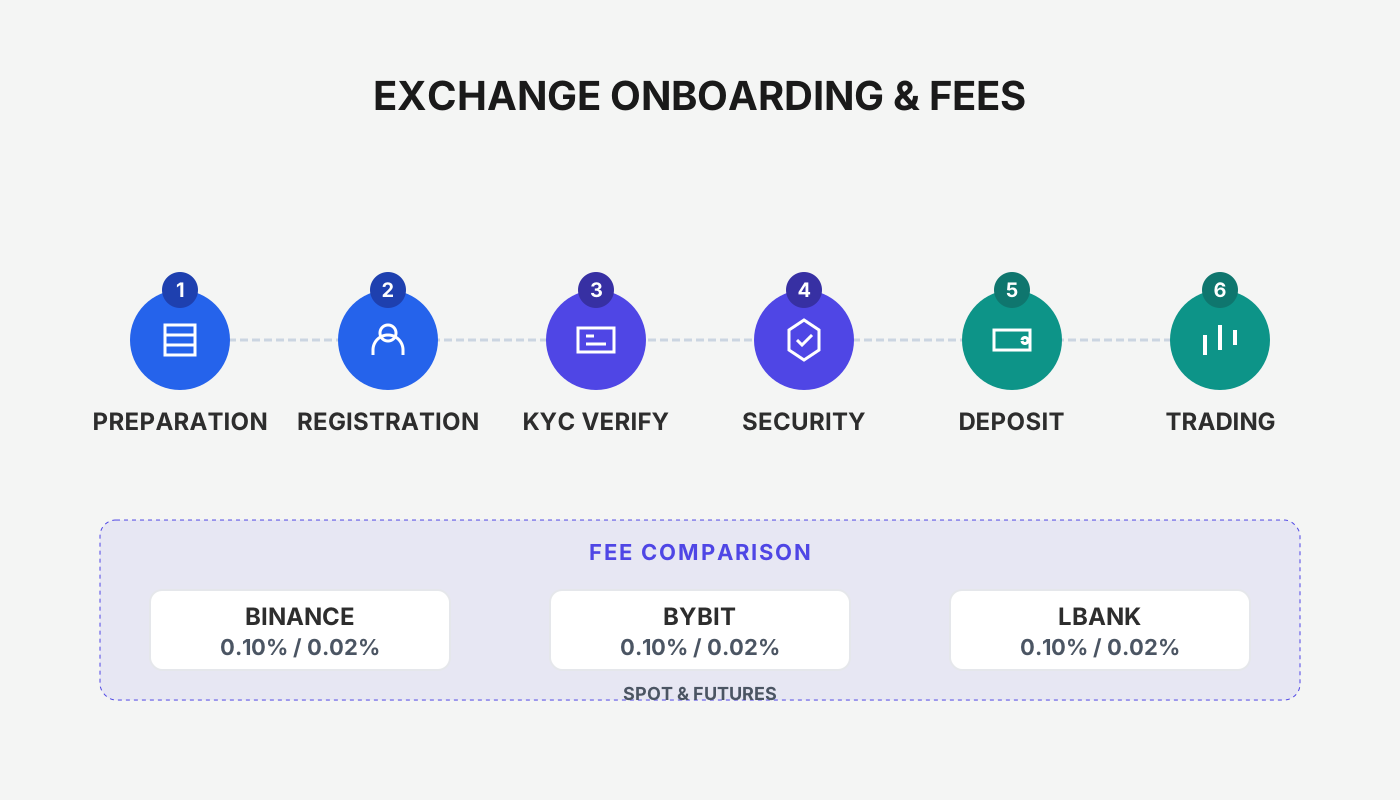
Fee Overview
I selected three reputable and compliant cryptocurrency exchanges and compared their fee structures as shown in the figure below:
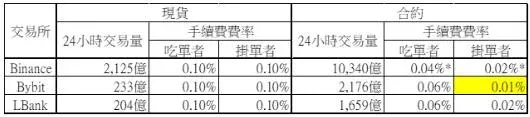
*Note: Binance data are based on US‑dollar‑denominated contracts.
Spot vs. Futures
- Spot: Directly buying or selling Bitcoin, similar to purchasing an ice‑cream at a convenience store—once you pay, you own the asset immediately.
- Futures: An agreement to trade at a predetermined price at a future date, akin to pre‑ordering a product; you gain the right to buy or sell later but do not hold the underlying cryptocurrency.
The fee comparison chart shows that all three platforms charge a uniform 0.1 % spot fee, which is higher than their futures fees. This is because spot trades involve the actual transfer of crypto assets, incurring higher operational costs.
Maker vs. Taker
- Maker: Places a new order on the order book, providing liquidity. Since makers create trading opportunities for the exchange, they are usually rewarded with lower fees.
- Taker: Executes against an existing order at the market price, removing liquidity and therefore paying a higher fee.
Differences in futures fees are mainly driven by the distinct rates applied to makers and takers. Overall, the fee ranking from lowest to highest is Bybit → Binance → LBank.
Frequently Asked Questions
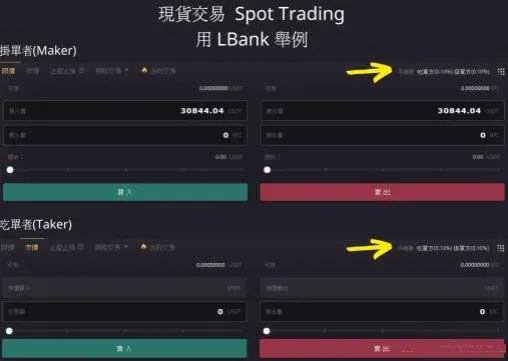
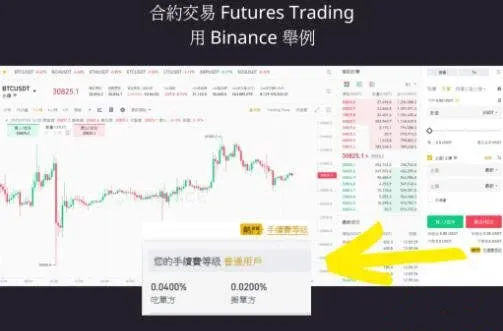
- Where can I view the fee schedule on each exchange?
- LBank: Spot fees are displayed directly on the trading interface.
- Binance: Futures fees are listed at the very bottom of the page; click to expand.
- Is a limit order always a maker order?
- Not necessarily; it depends on each exchange’s settings.
- Binance: When placing a limit order you must tick “Only Maker” to guarantee maker status.
- Bybit: When placing a limit order you must select “Passive Order” to act as a maker.
Summary
Before investing in Bitcoin, choosing a secure, compliant exchange with low fees can meaningfully reduce trading costs and improve overall investment returns. We hope this Binance, Bybit, LBank cryptocurrency exchange fee comparison assists you in making a more informed decision.
The information above originates from Bitaigen. For deeper details on fee structures, please follow the related topic articles.
*Additional notes for a global audience:*
- All fiat transactions referenced are assumed to be settled in USD via SEPA/SWIFT where applicable.
- U.S. residents should use Binance.US rather than the international Binance platform.
- Cryptocurrency gains may be taxable in your jurisdiction; consult local tax regulations or a professional advisor.
Related Reading
- Binance C2C: Buy Crypto, Earn Crypto with Flexible Savings
- Kraken vs Binance 2025: Security, Liquidity & UX
- What Is a Binance Passkey? Setup Guide & Troubleshooting
💡 Register on Binance with referral code B2345 for the maximum trading fee discount. See Binance complete guide.



