
 Bitaigen Research
 In this article we systematically outline the concept of tokenized stocks on the Binance platform, dissect the custodial mechanisms and on‑chain circulation methods behind them, and provide a complete step‑by‑step guide so you can easily trade U.S. equities and other traditional assets on Binance. Continue reading for the details.
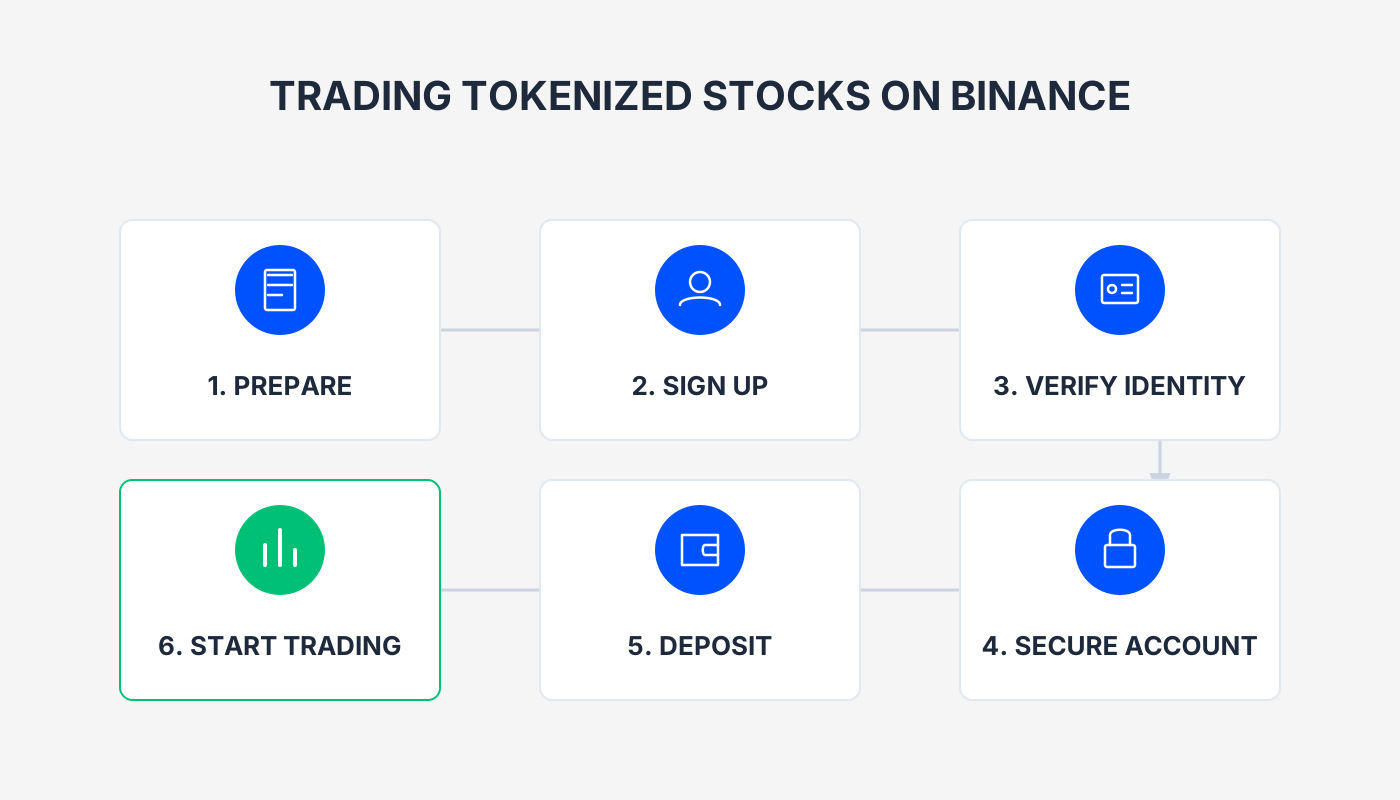
What Are “U.S. Stocks” on Binance?
The “U.S. stocks” you buy on Binance are not traditional brokerage‑account shares; they are realized through tokenized stocks. In short:
- Real U.S. equities are mirrored as digital assets on a blockchain;
- What you purchase is a token, but its price movement stays linked to the underlying real‑world share;
- The entire process occurs within the Binance ecosystem, so no separate U.S. brokerage account is required.
Common tokenized symbols include:
- TSLA → Tesla
- AAPL → Apple
- And a minimum of 0.01 share (fractional share) purchase option
Below we will walk through how to trade U.S. stocks and other traditional assets on Binance, step by step.
Concept and Operating Mechanism of Tokenized Stocks
Tokenized stocks convert shares of traditional U.S. listed companies into digital tokens that can be transferred on‑chain. Each token represents ownership of one real share, but it exists in the form of a crypto asset.
How It Works (Example: Backed’s xStocks)
- Custodian buys the physical shares – A regulated institution purchases the corresponding U.S. equity with fiat currency.
- 1:1 token minting – Tokens are minted on the blockchain in a one‑to‑one ratio with the shares held.
- On‑chain trading – Users can freely buy and sell these tokens on multiple platforms (e.g., Bybit, Kraken, and DeFi protocols on Solana).
- Asset backing – Every token is backed by an actual share of stock.
For instance, holding a TSLAx token is equivalent to indirectly owning one share of Tesla, only the ownership is represented by a blockchain token.
Tokenized Stocks vs. Traditional Stocks
| Item | Traditional Stock | Tokenized Stock |
|---|---|---|
| Trading hours | NYSE/NASDAQ 9:30 am‑4:00 pm ET | 24/7, all day, every day |
| Minimum purchase | 1 whole share | 0.01 share (fractional) |
| Settlement | T+2 (two business days) | Instant, on‑chain |
| Account opening | Requires a brokerage account, often cross‑border | No complex onboarding needed |
| Geographic restrictions | Limited to the broker’s jurisdiction | Accessible globally (subject to local regulations) |
| Payment method | Fiat via bank transfer (SEPA/SWIFT) or brokerage debit | Directly with cryptocurrency (e.g., USDT) |
Note: Some tokenized stocks still have limited liquidity, which can lead to wide bid‑ask spreads; less‑popular assets may exhibit noticeable slippage. Additionally, consider the potential risks associated with the custodian and the smart‑contract implementation.
Two Ways to Trade U.S. Stocks and Traditional Assets on Binance
Option 1: Trade Gold, Silver, and Other TradFi Instruments on the Futures/Derivatives Market
If you are interested in traditional financial assets such as precious metals, you can go long or short via Binance’s Derivatives (Futures) section. Steps:
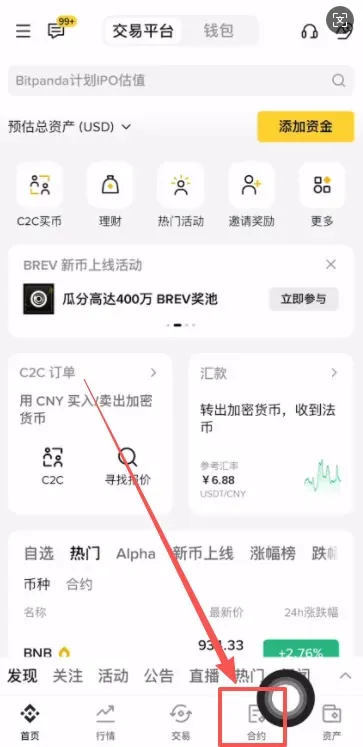
- Open the Binance app and tap the “Derivatives” button at the bottom right.
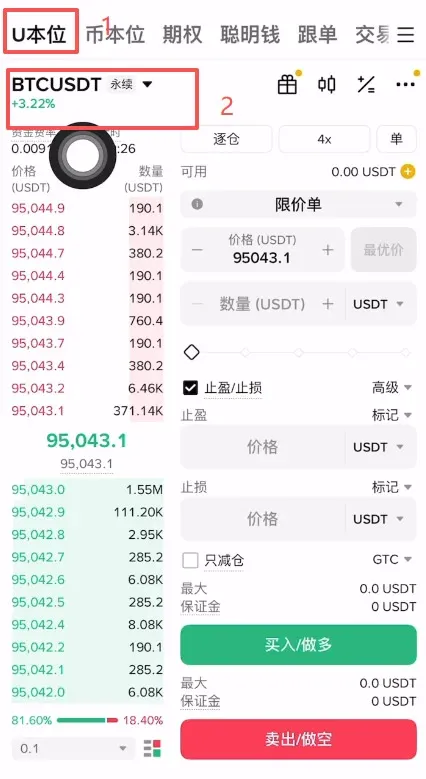
- At the top of the page switch to “USDT‑Margined” and then tap the coin list in the upper‑left corner.
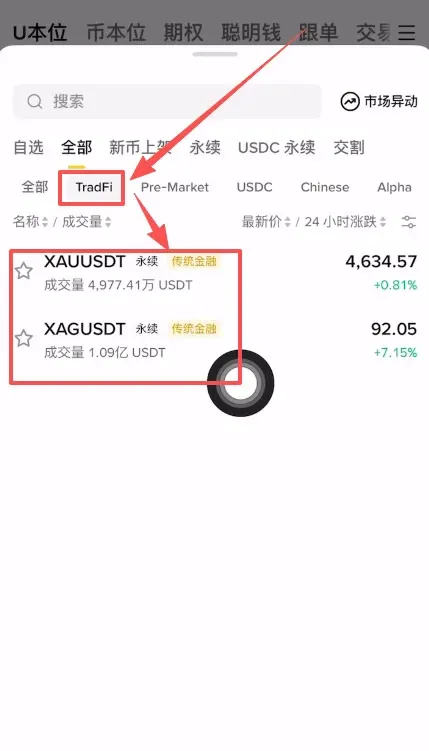
- Choose the “TradFi” category to see gold, silver, and other traditional assets. Remember, you are trading futures contracts, not the physical metals.
Option 2: Purchase Tokenized U.S. Stocks Using a Web3 Wallet
If your goal is to hold the token that represents a U.S. equity directly, use Binance’s Web3 Wallet feature:
- Switch to “Web3 Wallet” at the top of the Binance app.
- In the wallet’s home screen, search for or browse “Stock Tokens”; you will see a list of tokenized U.S. equities ready for buying or selling.
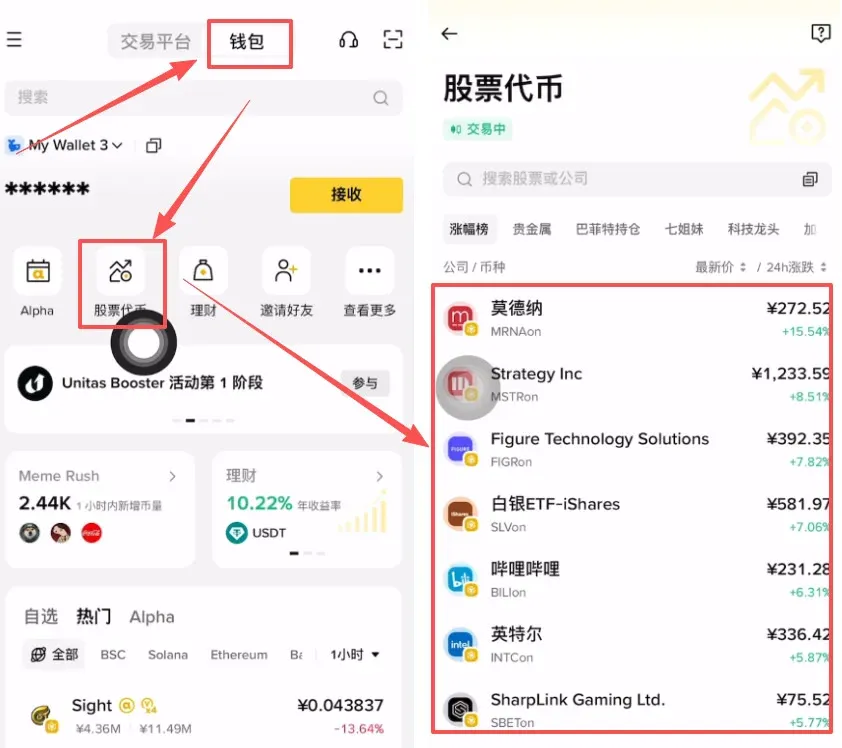
Important for U.S. users: Residents of the United States must use Binance.US (the separate platform) rather than the global Binance site to access these features.
Practical Example: Micron Technology (MU) Token
Suppose you are bullish on the memory‑chip sector and want to acquire the corresponding tokenized asset:
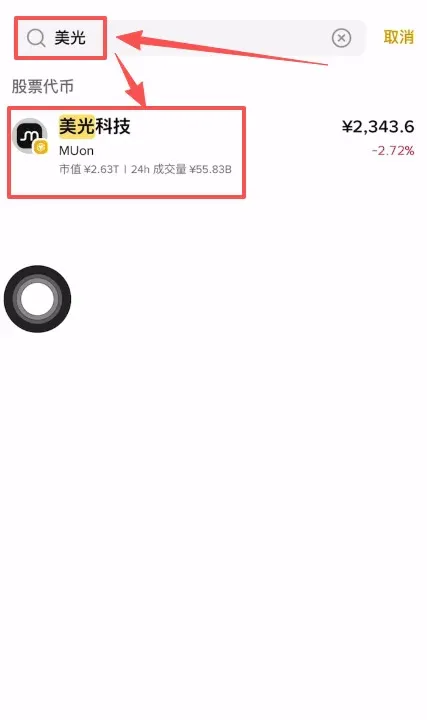
- In the wallet’s search bar type “Micron” or the ticker “MU”.
- Open the “Micron Technology” detail page.
- Tap the “Company” tab at the top to see an overview, such as its global semiconductor market position and business focus.
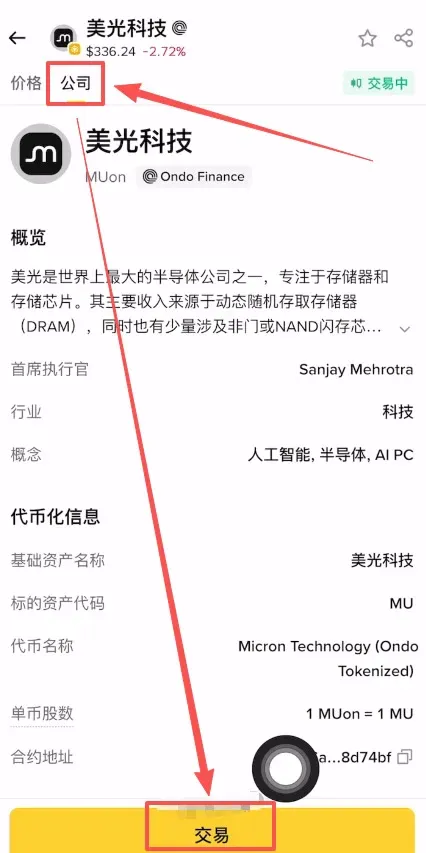
Underlying Trading Logic: Tokens Issued by Ondo Finance
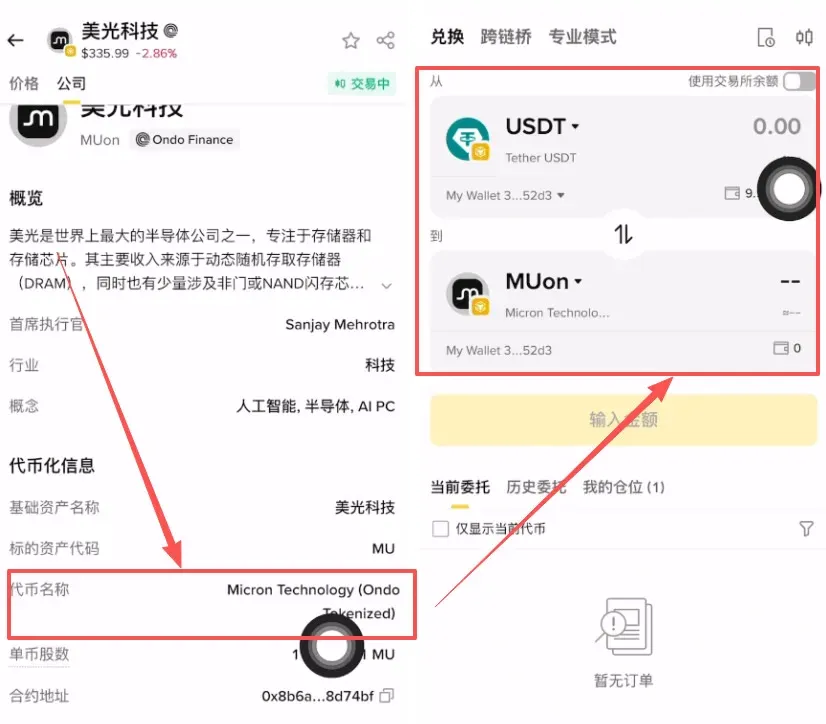
After tapping “Trade,” you will see the on‑chain architecture of the transaction:
- The token you purchase is issued by Ondo Finance (e.g., the MU token).
- The trading pair is based on USDT on the BNB Smart Chain (BSC).
- Consequently, you need BSC‑compatible USDT to complete the swap.
Funding Preparation: Transfer USDT from Your Spot Account to the Web3 Wallet
Before you can exchange for a tokenized stock, ensure the Web3 wallet holds enough USDT. If your funds are still in the Binance spot account, follow these steps:
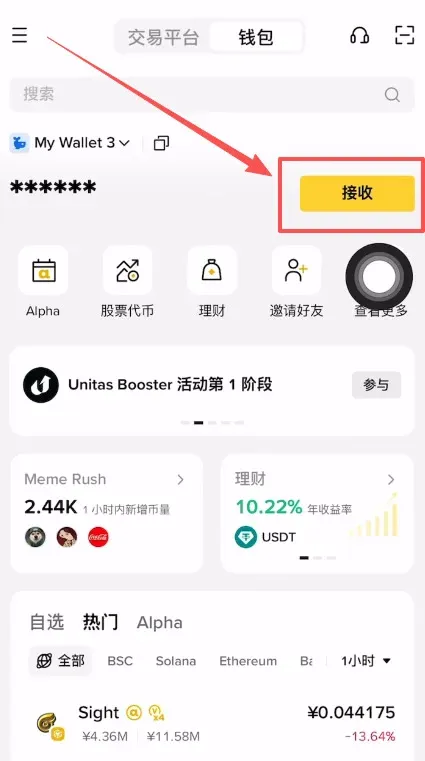
- Return to the Web3 wallet home screen and tap “Receive.”
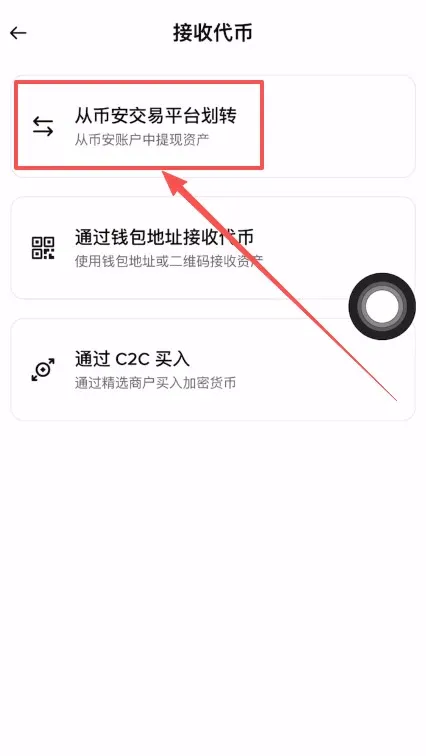
- Choose “Transfer from Binance Spot Account.”
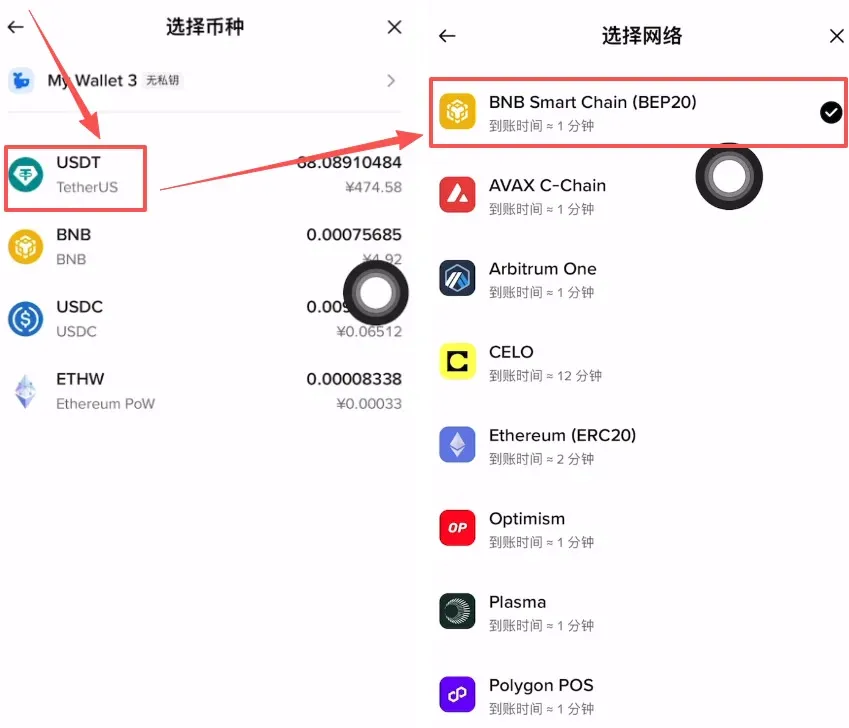
- Set the asset to USDT and select the network BNB Smart Chain (BEP20).
- Confirm the transaction; the funds will move from your spot account to the Web3 wallet, after which you can complete the token swap on the “Swap” screen.
Why Is This Approach Gaining Popularity?
- No need for a U.S. brokerage account, eliminating the cumbersome cross‑border onboarding process;
- Direct use of USDT, avoiding an extra conversion to USD via SEPA or SWIFT transfers;
- Low entry barrier, with fractional‑share capability suitable for small‑scale participation;
- Fully integrated within the Binance ecosystem, offering a streamlined user experience.
For users who want to track U.S. equity performance without the traditional account‑opening hassles, this method provides a convenient and flexible compromise.
Risk Disclosure
- Tokenized stocks are not the same as owning the underlying physical shares;
- They are blockchain assets and are subject to both cryptocurrency market volatility and the fundamentals of the underlying company;
- Price swings, regulatory changes, and smart‑contract vulnerabilities can all pose risks.
- It is advisable to start with a small amount, become familiar with the mechanics, and avoid concentrating large positions blindly.
Frequently Asked Questions (FAQ)
Q1: How safe are tokenized stocks?
Reputable projects (such as xStocks) claim a 1:1 physical‑share backing and employ robust technical safeguards. Nevertheless, you should:
- Choose issuers with solid reputations (e.g., Backed Finance);
- Verify the custodian’s licensing and audit reports;
- Diversify across multiple tokens to mitigate concentration risk.
Q2: Do tokenized stocks pay dividends?
Dividend distribution depends on the platform’s design. Some issuers allocate dividends in the form of additional tokens or alternative assets.
Q3: Can token holders vote at shareholder meetings?
Generally, token holders do not receive voting rights; they only benefit from price appreciation or dividend payouts, if any.
Q4: Are there tax obligations for tokenized stocks?
Tax treatment varies by jurisdiction. You should consult local tax authorities or a qualified professional to determine how crypto‑related gains are reported. Note: Crypto gains may be taxable under local law.
Q5: What happens to my assets if the issuing platform collapses?
Platform failure is a primary risk of tokenized stocks. When possible, transfer your tokens to a personal, non‑custodial wallet to retain control over the assets.
---
The above sections provide a systematic overview of how to acquire tokenized stocks and the complete workflow for trading U.S. equities and traditional assets on Binance. For more Binance‑related tutorials, feel free to explore additional articles from Bitaigen.
Related Reading
- Tokenized Stocks on Solana & Arbitrum: 2025 Alt‑Coin Outlook
- Tokenized Stocks: Digital Wrapper for Real-World Shares
- Buy Bitcoin in China with Binance & OKX – Step-by-Step Guide
💡 Register on Binance with referral code B2345 for the maximum trading fee discount. See Binance complete guide.



