
 Bitaigen Research
 By 2026, industry analysis has shifted its focus from the sheer price of Bitcoin to deeper structural factors.
The direction of the Bitcoin market in 2026 will be jointly determined by five key elements: ETF capital flows, regulatory policies, corporate holdings, miner fees, and network scaling.

In this article we outline the brand‑new landscape of the Bitcoin market for 2026, concentrating on ETF capital flows, regulatory trends, corporate holdings, miner fees and network scaling. By dissecting these structural signals we aim to help readers spot potential trends and avoid judgments based solely on price swings. For a forward‑looking investment perspective, keep reading.
ETF Capital Flows Reflect Sustainable Institutional Demand
ETFs (exchange‑traded funds) attracting capital is a critical gauge of institutional investor appetite because they directly showcase the allocation decisions of asset‑management firms, registered investment advisers and professional trading desks, rather than the leveraged volatility seen on crypto exchanges.
Reuters reported that the price rally in mid‑2025 was largely driven by a massive influx of funds into Bitcoin ETFs, making the market more stable compared with earlier periods that were heavily speculative. Nicolas Lin of Aether Holdings commented that this indicates crypto assets are gradually becoming a staple component of diversified portfolios.
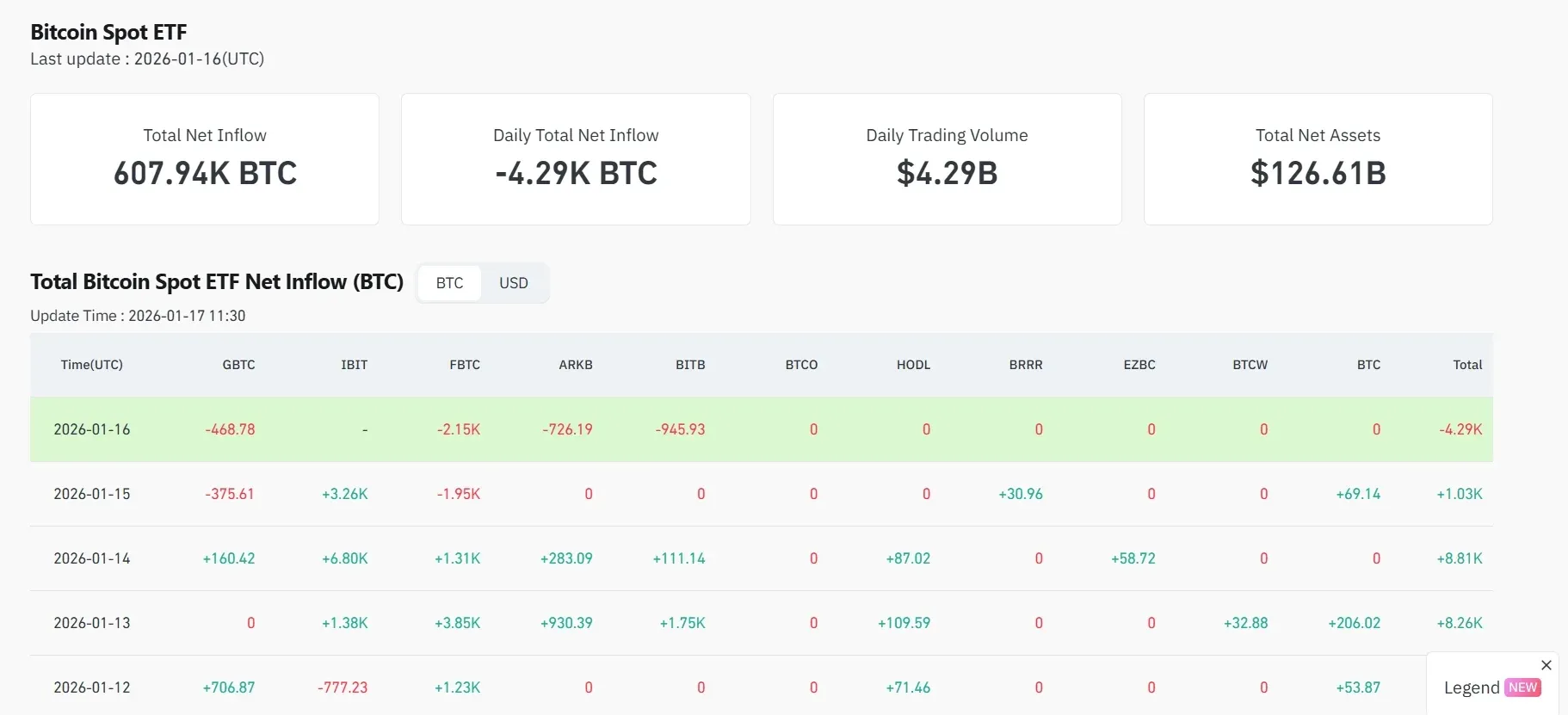
- Bloomberg recorded a single‑day outflow of nearly $1 billion, the largest daily withdrawal in ETF history.
- Even when Bitcoin’s price appears flat, sharp swings in capital flows can still sway market sentiment.
Compared with spot trading, ETFs are better at filtering short‑term speculation, highlighting the durability of long‑term strategic demand. Since Purpose Investments in Canada launched the first physically settled Bitcoin ETF (BTCC) in February 2021, the product has paved the way for similar funds in the United States and elsewhere.
When price alone fails to capture underlying momentum, ETF capital movements become an essential tool for assessing the health of the Bitcoin ecosystem, especially as institutional participation continues to rise. *(U.S. readers should use Binance.US for any crypto‑related trading.)*
Regulation Shapes the Path to Mainstream Adoption
By 2026, regulation is no longer a mere obstacle; it determines how users can acquire Bitcoin, what tradable products are available, and the entry criteria for market participants.
In the United States, a federal executive order established a “Strategic Bitcoin Reserve,” explicitly prohibiting the government from selling its held Bitcoin and designating it as a national strategic asset.
The GENIUS Act is viewed as the first comprehensive cryptocurrency legislation, imposing licensing requirements on stablecoin issuers. Amundi warned that widespread stablecoin adoption could evolve into a “narrow bank” model, posing risks to the global payment system.
In the European Union, MiCA (Markets in Crypto‑Assets) serves as the primary gatekeeper: only firms that obtain a license may provide crypto‑asset services, and several member states have extended their transition periods to July 1.
Key observation points include: the list of EU‑authorized firms, the intensity of enforcement, and whether the U.S. “strategic reserve” will become a long‑term policy fixture. The United States is still debating market‑structure legislation intended to clarify the regulatory boundaries between the SEC and the CFTC and to set transparent rules for exchanges and brokers.
The U.S. approach leans toward a national‑strategic framework, whereas the EU focuses more on licensing and service‑level oversight. Both regimes exert profound influence on mainstream capital flows and are pivotal for interpreting traditional‑finance access routes and Bitcoin’s long‑term trajectory.
Risks Around Corporate Bitcoin Holdings and Index Rules
More publicly listed companies are placing Bitcoin on their balance sheets, turning equity securities into indirect channels for Bitcoin exposure.
Since 2020, MicroStrategy has led the trend; by 2026, Digital Asset Treasury Companies (DATCO) are under scrutiny from major index providers.
Key points:
- Reuters noted that DATCO treats Bitcoin and Ethereum as core treasury assets, but questioned whether they resemble investment funds or operating enterprises.
- In early January, MSCI considered removing certain DATCO constituents from its flagship indices because of their fund‑like characteristics.
- MSCI ultimately postponed the removal, and JPMorgan estimated that the decision averted roughly $2.8 billion of sell‑pressure.
- Owen Lau of Clear Street believes the move eliminates short‑term technical risk for Bitcoin‑proxy stocks, while Mike O’Rourke of JonesTrading predicts the issue will simply be deferred until year‑end.
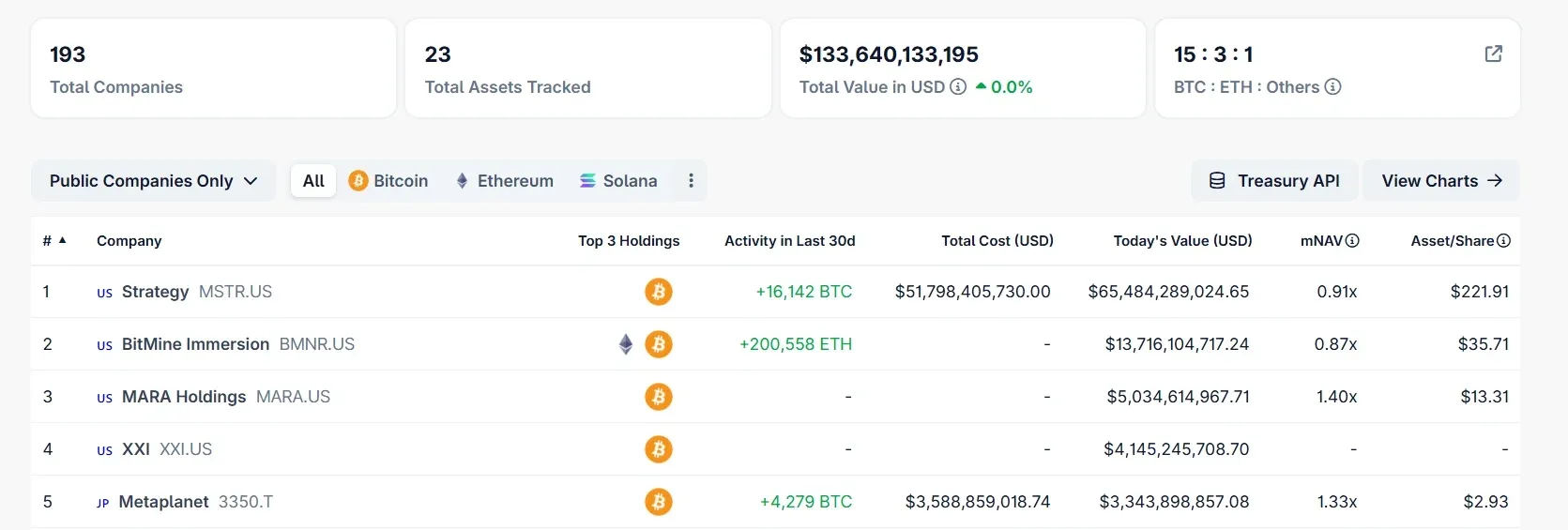
Unlike ETFs, which mirror spot demand, DATCO equities are subject to a more complex web of securities mechanisms, index methodology, and balance‑sheet structuring. Index providers decide which stocks qualify for inclusion and how they are classified, making DATCO a crucial window into Bitcoin’s penetration of traditional markets.
Miner Transaction Fees and Long‑Term Network‑Security Challenges
Following the 2024 Bitcoin halving, block rewards have been reduced, increasing the network’s reliance on transaction fees for security. Analysts therefore focus on which revenue streams can sustain the network as rewards dwindle.
Current data show: Galaxy reported that in August 2025 about 15 % of daily blocks were essentially fee‑free, leaving the mempool frequently empty. CoinShares confirmed that transaction fees fell to historic lows, with some 2025 blocks earning less than 1 % of the total block reward. VanEck described this as “severe structural pressure,” as subsidy cuts coincide with heightened competition.
At the start of January, average monthly hash power dropped 3 % versus December, daily block‑reward income fell 7 % month‑over‑month and 32 % year‑over‑year, hitting an all‑time low (JPMorgan report).
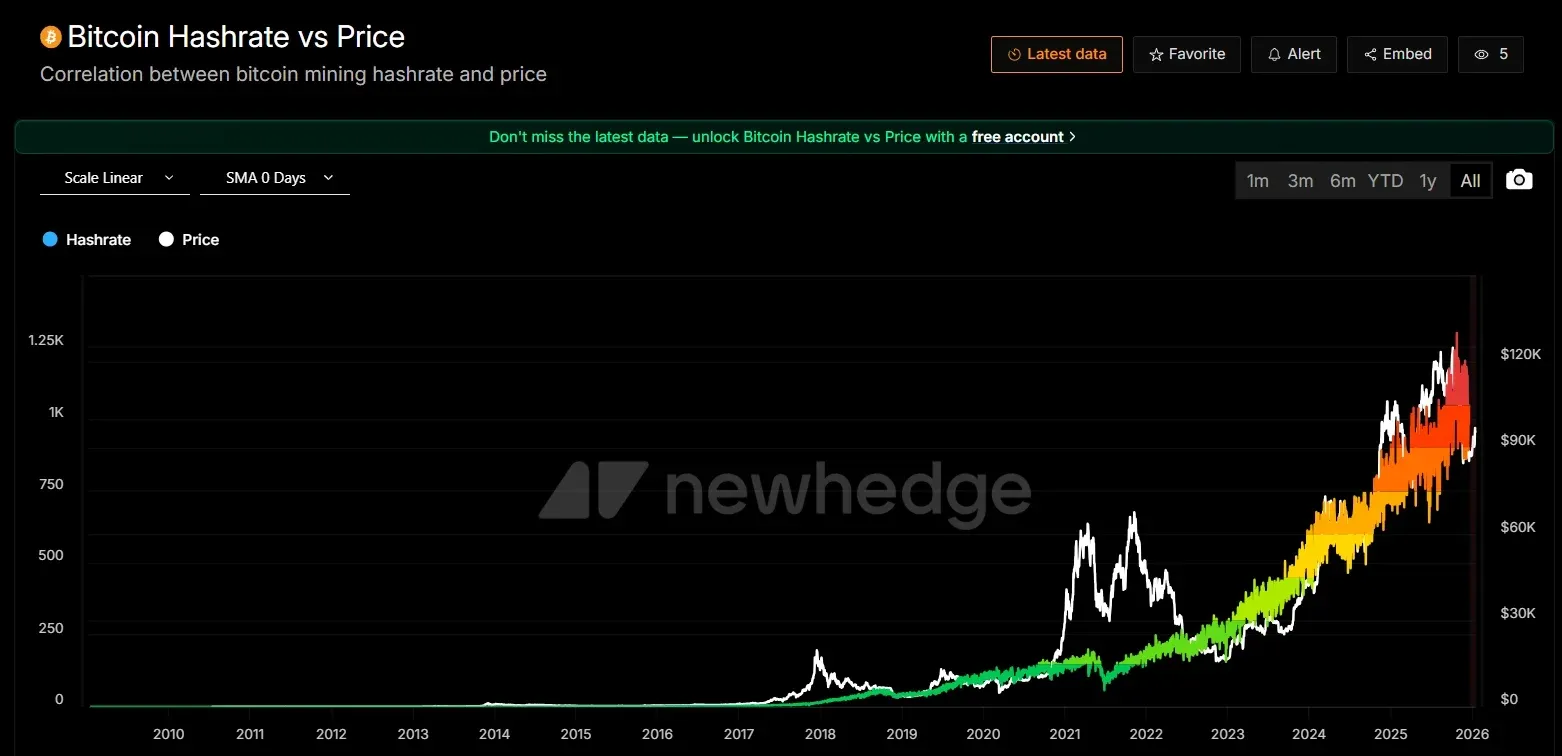
Metrics to monitor closely include the share of fees in total miner revenue, hash‑price, profitability levels, and whether on‑chain demand can recover without relying on speculative drivers. Fees are transitioning from a secondary income source to a potential pillar, requiring a balance between lowering user costs and providing sufficient security incentives. When price charts no longer fully reflect network health, tracking miner fees offers a vital clue to Bitcoin’s long‑term sustainability.
Network Scaling: Lightning, L2 Solutions and Protocol Upgrade Proposals
Bitcoin’s scaling in 2026 must be examined from a holistic perspective, encompassing the Lightning Network, second‑layer (L2) solutions, and protocol upgrades.
Major trends:
- Lightning Network remains the core payment layer; by mid‑December 2025 its capacity reached a record 5,637 BTC. Amboss highlighted that liquidity has shifted from a handful of large firms to a more diversified set of providers.
- L2 and BTCFi projects are attracting institutional interest. Galaxy counted that the number of L2 projects grew from 10 in 2021 to 75, and it projects that by 2030 more than $47 billion worth of Bitcoin will be transferred via L2 bridges.
The debate centers on whether liquidity truly migrates off‑chain or merely reflects short‑term incentives.
Protocol‑upgrade proposals have re‑entered the agenda, especially as L2 developers push for improvements to base‑layer opcodes. The long‑dormant OP_CAT is now being resurrected through frequent soft‑forks, and together with OP_CTV it supports trust‑less bridging and Lightning optimization. Hiro predicts that related soft‑forks could materialize as early as 2026.
These decisions will directly shape Bitcoin’s scalability, dictating the future trade‑off among speed, security and decentralization.
This concludes the full analysis of “Bitcoin Price Is No Longer Everything: Five Factors Shaping the 2026 Market.” For more related content, follow Bitaigen (比特根) and its other publications.
Related Reading
- Bitcoin 2026 Outlook: Macro Risks, Liquidity Tightening & Price Below $100K
- 黄金油价飙升,战争对冲失灵——比特币跌破预期
- Bitcoin Price Today: Real‑Time Chart, Market Cap & Supply
💡 Register on Binance with referral code B2345 for the maximum trading fee discount. See Binance complete guide.
⚠️ Risk Disclaimer: Crypto prices are highly volatile. This is not investment advice.



