
 Bitaigen Research
This article examines Bitcoin’s recent bull‑market performance and potential resistance from three angles: on‑chain data, options sentiment, and mining dynamics. We point out that bullish confidence remains thin, and we analyze how AI‑driven compute demand is squeezing miners’ profit margins, helping readers gauge possible next‑move price scenarios.
Note for U.S. readers: Access to Binance’s global platform is unavailable in the United States; you must use Binance.US or another regulated U.S. exchange. Crypto gains may be taxable in your jurisdiction, so consider local tax obligations.
Key Takeaways
- Although Bitcoin has risen recently, derivatives and on‑chain metrics still show insufficient bullish confidence, with 43 % of holders currently in loss.
- The surge in artificial‑intelligence energy demand is driving miner profits toward historic lows, prompting several publicly listed mining firms to sell Bitcoin and pivot toward AI‑compute services.
- A cost‑basis benchmark around $76,000 creates psychological resistance for traders, especially for large institutional holders such as Strategy.
Price Action and Options Sentiment
Bitcoin touched a four‑week high on Wednesday and may retest the $78,700 closing level set in January in the short term. Since February 6, when it climbed 22 % from a $60,000 trough, both on‑chain and derivatives indicators have continued to favor bears.
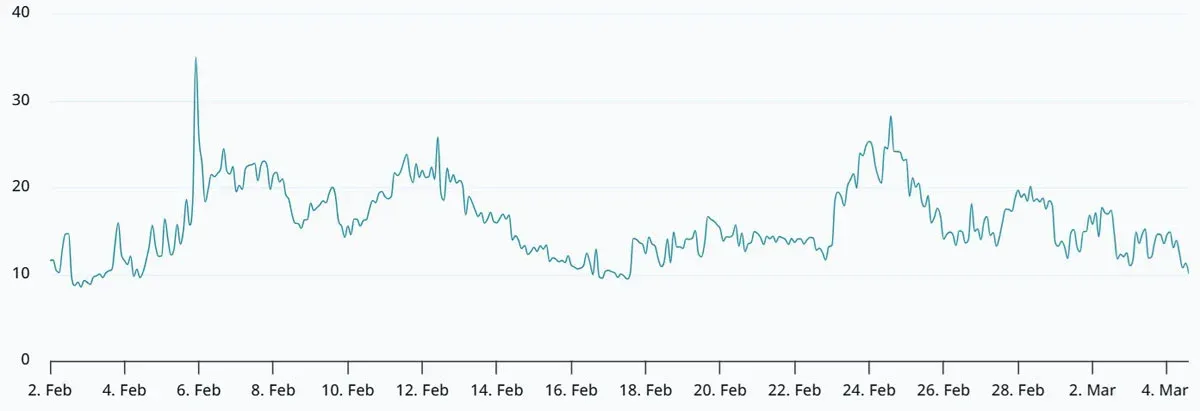
Deribit’s 30‑day BTC options are biased bearish, with a premium of roughly 10 %. In a neutral market this metric typically oscillates between ‑6 % and +6 %; the last time it lingered in this range was in mid‑January when Bitcoin approached $95,000. Professional traders remain vigilant for further downside, while demand for bullish futures stays weak, pushing the annualized premium into a neutral zone below 5 %.
Holding‑Loss Ratio and Selling Pressure
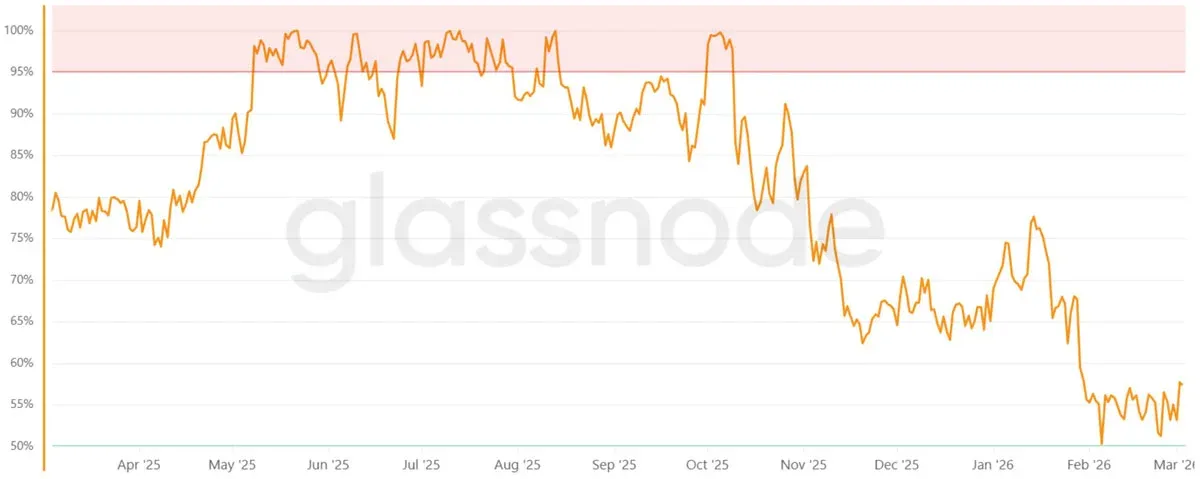
Glassnode reports that roughly 43 % of Bitcoin’s circulating supply is currently unrealized‑loss, up from 30 % when the price hovered around $90,000 at the start of the year. Analysts warn that these loss‑making holders could start taking profits as prices recover, creating upward‑selling pressure that may cap further gains.
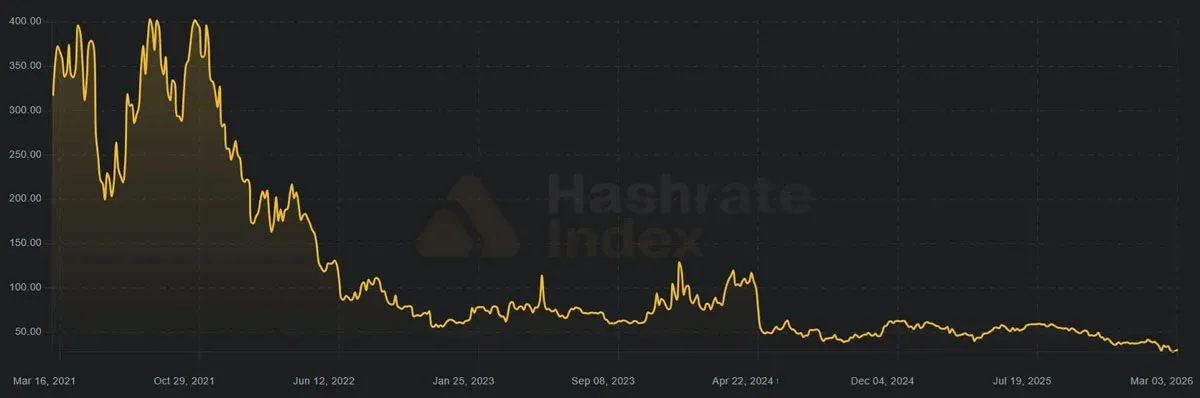
At the same time, the AI boom has spiked energy costs, while demand for Bitcoin blockchain hashpower has waned, compressing miners’ margins to near‑record lows. Several large, listed mining companies have shifted focus to high‑performance computing and are simultaneously liquidating their Bitcoin positions.
Mining Hashpower and the Bitcoin Hash Index
The Bitcoin hash index fell to $30 on Tuesday, a noticeable decline from $39 three months earlier. Investors worry that if miners, after a prolonged holding period, become net sellers, the market could see amplified sell‑side pressure.
Reports suggest that mining firms, which historically kept Bitcoin as their primary reserve, are now eyeing alternative compute businesses with higher profitability potential.
Impact of Strategy (MSTR) Cost Basis
Since its initial exposure in August 2020, MicroStrategy (MSTR) has accumulated 720,737 Bitcoin. Its average cost basis now sits near $76,000. Should Bitcoin dip below this threshold, the company would face pressure to reassess its holdings.
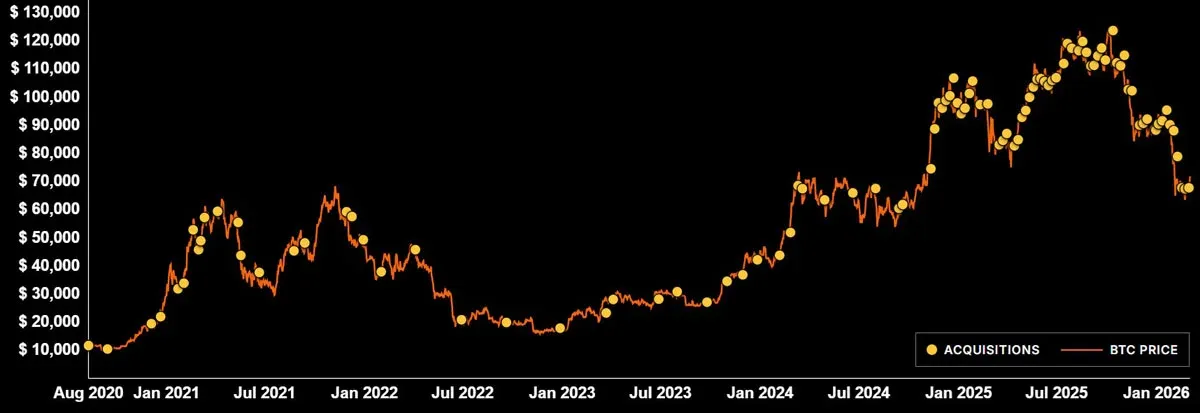
While MSTR does not currently confront cash‑flow constraints or forced liquidation risk, market participants tend to push the price below $76,000 to lower the effective cost of their positions and to create headroom for potential future issuance. Consequently, a rebound to $78,700 may require more time; once the key resistance is broken, the outlook could swing back to bullish.
---
The above sections summarize Bitcoin’s (BTC) latest dynamics within a bull‑market context and the primary challenges it faces in breaching the $78,000 level. For continued analysis of Bitcoin’s bullish trajectory, stay tuned to Bitaigen’s forthcoming reports.
💡 Register on Binance with referral code B2345 for the maximum trading fee discount. See Binance complete guide.



