
 Bitaigen Research
 ETH 2.0: What It Is and How to Stake on Binance
Ethereum’s upgrade to ETH 2.0 represents a major transformation of the network, and the world’s largest cryptocurrency exchange Binance has jumped on the bandwagon by launching a staking program. Yet many people still wonder: what exactly is ETH 2.0? How can a cryptocurrency undergo an upgrade? What new features does it bring compared with ETH 1.0? In the following sections we will explain, as clearly as possible, the evolution from Ethereum 1.0 to 2.0 and show you how to use Binance to invest in ETH 2.0 with minimal friction.
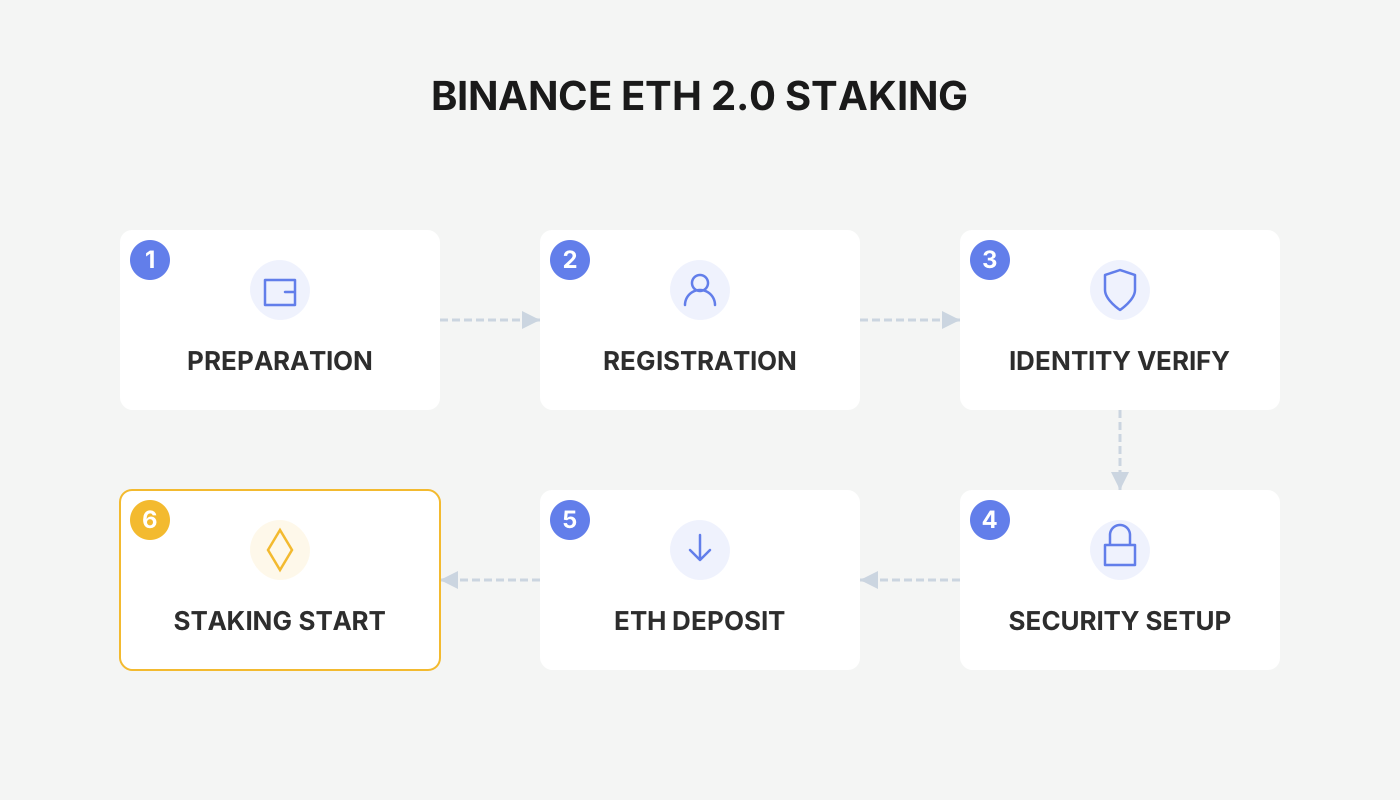
Staking ETH on Binance only requires logging into your account, completing KYC, selecting the ETH 2.0 lock‑up option, entering the amount you wish to stake and confirming the transaction. Once done, you will start earning BETH rewards.
In this article we systematically outline the core upgrade logic that takes Ethereum from 1.0 to 2.0, and we walk through the entire process of staking ETH on Binance. By reading on, you will grasp the key points and be ready to participate in the next phase of growth for the Ethereum ecosystem.
What Is ETH 2.0 and What Improvements Does It Bring?
Recently both Bitcoin (BTC) and Ethereum (ETH) have entered a fresh wave of strong price gains, repeatedly hitting new all‑time highs and re‑establishing cryptocurrencies as a hot topic among investors.
- Celebrity effect: Prominent figures such as hedge‑fund manager Stanley Druckenmiller, asset‑manager BlackRock, and Twitter co‑founder Jack Dorsey have publicly expressed optimism and bought positions.
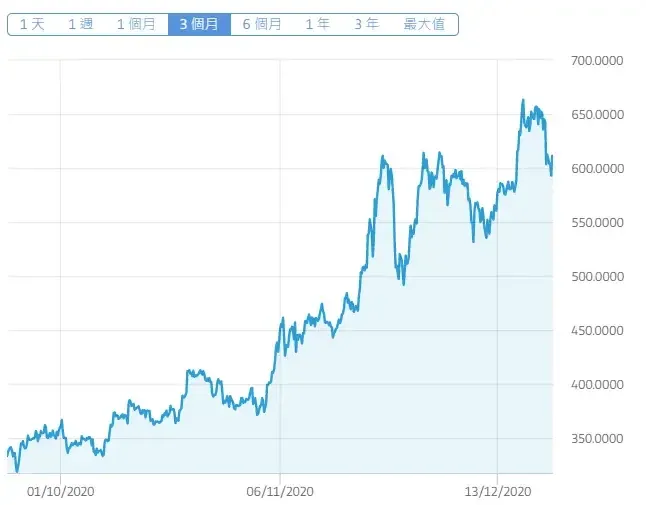
- Price performance: ETH roughly doubled over the past three months (from roughly $300 – $600). In addition to institutional endorsement, the ETH 2.0 upgrade is a key driver behind the rally.
The chart below shows ETH’s price action over the last three months, displayed in daily, monthly and yearly formats (chronological order: day → month → year).
Proof‑of‑Stake (PoS) Mechanism
PoS (Proof‑of‑Stake) is a novel consensus method that replaces the traditional PoW (Proof‑of‑Work) system.
- PoW relies on miners’ computer‑hashing power to solve puzzles, validate each transaction and earn rewards.
- PoS selects validators (or “forgers”) based on the amount of cryptocurrency they stake, eliminating the need for power‑hungry hardware.
```
PoW → miners validate with hash power → receive reward
PoS → staked tokens validate → receive reward
```
Advantages of PoS
- High security: Still maintains strong on‑chain consensus.
- High efficiency: Faster validation and drastically lower energy consumption.
- Liquidity restriction: Tokens that are staked cannot be freely transferred while locked.
PoS turns ETH into a “productive” digital asset, similar to a bank deposit that generates interest, but typically with a higher yield.
Introduction of Sharding (Layered Shard Technology)
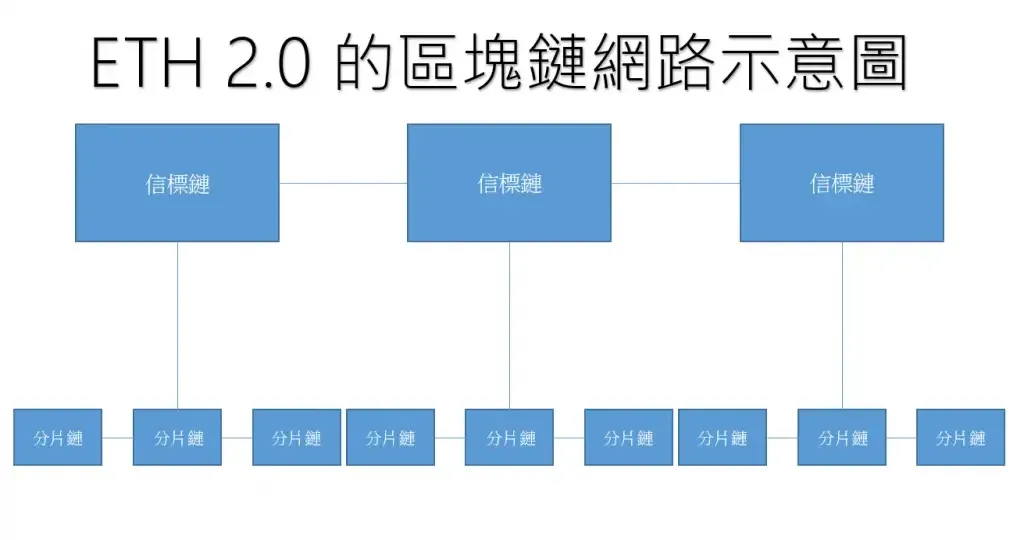
ETH 2.0 splits the network architecture into two major components:
- Beacon Chain: The main chain that coordinates the shard chains and all validators, and runs PoS.
- Shard Chains: Sub‑chains branching from the beacon chain, each responsible for processing a portion of the data.
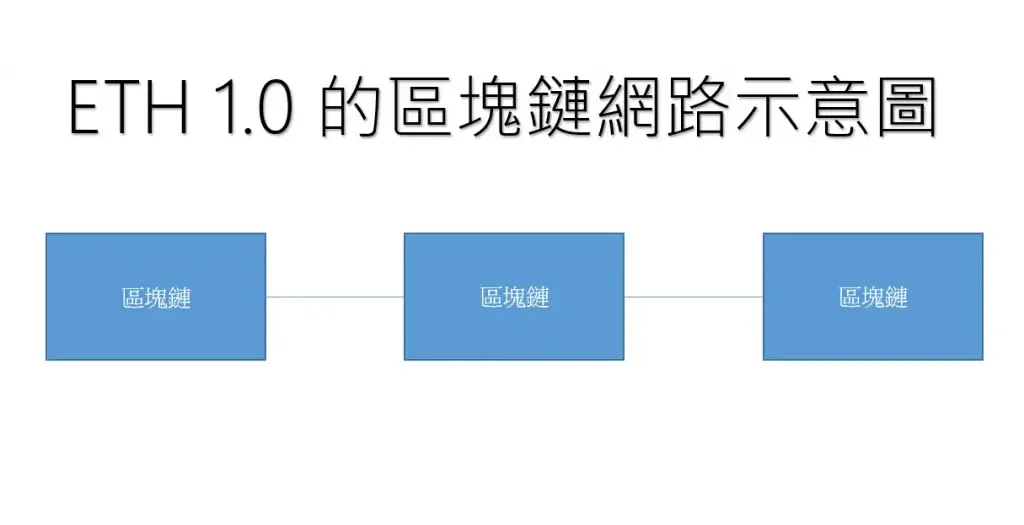
The plan envisions 64 shard chains; the existing ETH 1.0 chain will eventually become one of these shards.
Sharding’s core idea is to replace the original single‑chain “slow single lane” with a “high‑speed highway,” dramatically increasing throughput. In theory, ETH 2.0 could handle more than 100,000 transactions per second, roughly 10,000‑times the capacity of ETH 1.0.
Three Main Benefits of ETH 2.0
- Lower network latency and faster transactions
- Reduced transaction fees
- A more vibrant ecosystem built on low‑cost, high‑performance infrastructure
The Three Phases of ETH 2.0 – We Are Currently in Phase 0
ETH 2.0 is a multi‑year, complex engineering project divided into three distinct phases:
Phase 0 (Stage 0)
- Goal: Deploy the Beacon Chain and enable PoS.
- How to participate: Users stake 32 ETH to become validators and earn rewards.
Phase 1 (Stage 1)
- Goal: Launch 64 shard chains (for a total of 65 chains).
- Key point: ETH that was staked during Phase 0 cannot be withdrawn until Phase 1 goes live; the lock‑up period is expected to be 1 – 3 years.
Phase 2 (Stage 2)
- Goal: Complete system integration and upgrade the virtual machine to support accounts, smart contracts and existing ecosystem tools.
Official Staking Requirements Are High
To take part in the ETH 2.0 upgrade through the official route, you must meet the following conditions:
| Requirement | Details |
|---|---|
| **Minimum stake** | 32 ETH (approximately **$19,200 USD**) |
| **Hardware** | A computer with sufficient processing power |
| **Software** | Install an ETH 2.0 client and run an ETH 1.0 node |
| **Steps** | Generate a private‑key mnemonic → upload a deposit file → connect a wallet → confirm the transaction summary and submit the deposit |
These steps pose a steep technical barrier for the average user and require a substantial amount of capital and equipment.
How to Stake ETH 2.0 on Binance – Full Step‑by‑Step Guide
Binance offers an ETH 2.0 lock‑up service that acts as a custodial staking solution. The entry threshold is only 0.0001 ETH (about $1.6 USD when converted at current rates), and you receive a tradable token called BETH as proof of stake. The process is as follows:
- Log in to Binance and complete KYC. (US residents must use Binance.US; the global Binance platform is not available to them.)
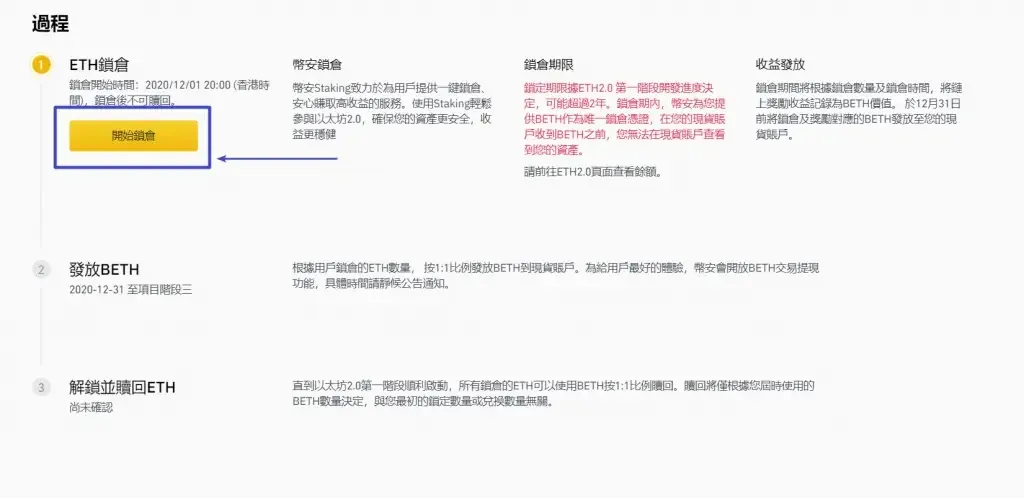
- Navigate to the ETH 2.0 lock‑up page and click “Start Lock‑up.”
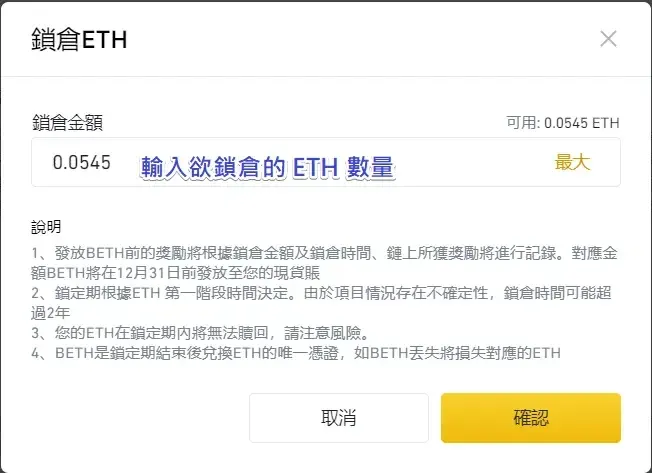
- Enter the amount you wish to stake; the system will issue an equivalent amount of BETH on a 1:1 basis (distribution started on 12/31).
- Tick the box confirming that you have read the lock‑up terms, then click Confirm to finalize.
What Is BETH?
- BETH is a tokenized receipt representing your staked ETH. After the lock‑up period ends, BETH can be exchanged for the new ETH 2.0 token.
- The lock‑up period lasts 1 – 3 years (until Phase 1 is completed). During this time, BETH can be traded on secondary markets or withdrawn.
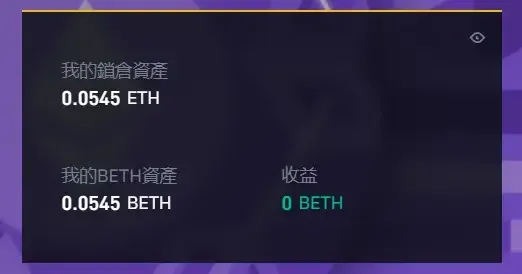
Once the staking transaction is successful, the upper‑right corner of the page will display the amount of ETH you have deposited. From then on you simply wait for rewards to accrue and for the lock‑up to mature.
How Are ETH 2.0 Staking Rewards Calculated?
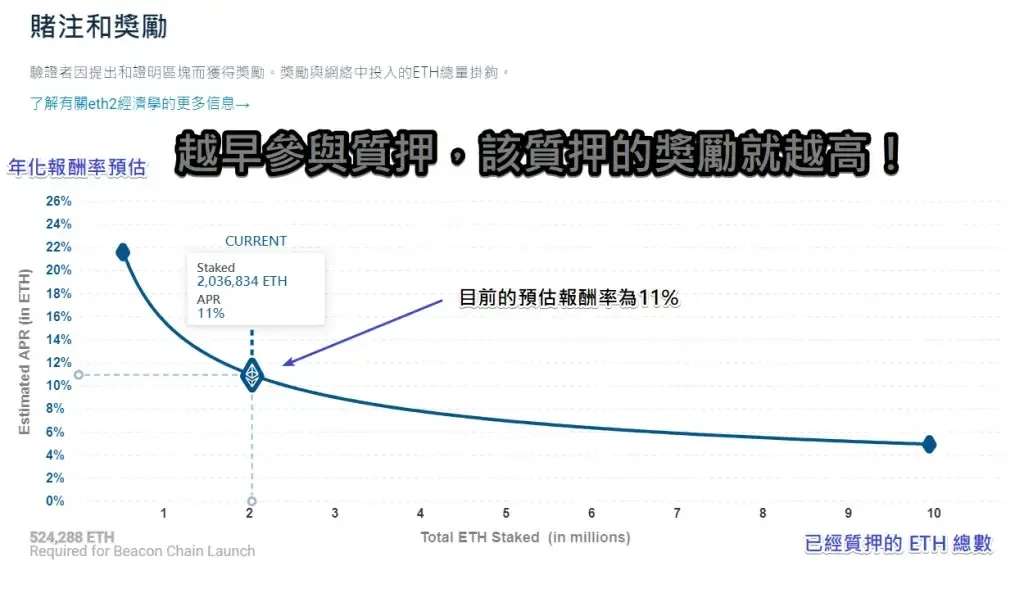
The official annual percentage yield (APY) decreases as the total amount of ETH staked grows, starting at roughly 22 % and eventually tapering toward 6 %. Consequently, the earlier you stake, the higher the APY.
Binance deducts an approximate 10 % node‑operation fee from the on‑chain rewards; the remaining 90 % is passed back to users. Assuming a current estimated reward of about 11 %, the net APY after fees would be roughly 9.9 %.
Tax note: Crypto staking rewards may be considered taxable income in many jurisdictions. Users should consult local tax regulations (e.g., IRS guidance in the United States, HMRC in the United Kingdom, etc.) to determine their reporting obligations.
Summary
- Minimum stake: Binance – 0.0001 ETH; official route – 32 ETH.
- Estimated net APY: Approximately 5 % – 20 % after fees, depending on overall participation levels.
- BETH liquidity: After the lock‑up period, BETH can be redeemed for ETH 2.0 or traded on exchanges, providing a degree of liquidity.
- Safety net: Assets are protected by Binance’s SAFU (Secure Asset Fund for Users) reserve.
- Technical requirements: Binance’s custodial solution does not require any hardware or specialized knowledge.
ETH 2.0 enhances network performance through PoS and sharding, turning ETH into an asset that generates cash flow and thereby strengthening its intrinsic value. Binance’s low‑threshold lock‑up service gives newcomers a convenient entry point, but the multi‑year lock‑up means you must be comfortable with reduced liquidity. Evaluate your risk tolerance carefully before committing funds.


Related Reading
- Ethereum Liquid Staking Tokens: Yields, Platforms & Risks
- Beginner's Guide to Ethereum: Wallets, Trading & ETH 2.0 Overview
💡 Register on Binance with referral code B2345 for the maximum trading fee discount. See Binance complete guide.



