
 Bitaigen Research
 We examine the recent performance of Kraken and Binance from four perspectives—security, regulatory compliance, liquidity, and user experience—to help investors with different needs quickly pinpoint the platform that best fits them. If you want to understand the core differences between the two major exchanges and the key points to consider when choosing one, please continue reading.
Key Takeaways
As of 2025, if security, regulatory compliance, and a U.S.‑focused user experience are your top priorities, Kraken is the more suitable choice; if you value higher liquidity and a broader selection of digital assets, Binance holds the advantage. Overall, each exchange has its own strengths, and investors should select the platform that aligns with their individual requirements.
- For experienced traders seeking deep liquidity and a wide array of trading options, Binance is the better option. The platform lists over 500 cryptocurrencies and charges a maximum fee of 0.10 % on spot trades.
- Kraken is renowned for its robust security features and primarily serves U.S. customers. It offers advanced trading functionalities, a straightforward fee structure, and an interface that is friendly to newcomers.
- Both exchanges provide margin trading, futures contracts, and educational resources. Kraken’s interface is simple and easy to navigate, making it ideal for beginners; Binance offers more sophisticated tools that cater to professional traders.
Kraken and Binance are two of the world’s most mature cryptocurrency exchanges, offering a diversified suite of products and services. The comparative guide below will help you determine which platform better matches your trading and investment needs.
Kraken vs. Binance: Overview
| Feature | Kraken | Binance |
|---|---|---|
| **Founded** | 2011 | 2017 |
| **Headquarters** | San Francisco, USA | Hong Kong (now relocated to Malta / Cayman Islands) |
| **Supported Cryptocurrencies** | More than **300** assets | More than **500** assets |
| **Trading Fees (maker / taker)** | 0.25 % / 0.40 % | 0.10 % (further discount when paying with BNB) |
| **Deposit / Withdrawal Methods** | Crypto, bank transfers (SEPA/SWIFT), credit & debit cards | Crypto, bank transfers (SEPA/SWIFT), limited credit & debit cards |
| **Service Availability in the United States** | Available in 47 states via Kraken | Limited service through **Binance.US** (U.S.‑specific platform) |
| **Advanced Features** | Spot, futures, margin, staking, OTC, API, DeFi integration, NFT marketplace | Spot, futures, margin, staking, OTC, API, DeFi, NFT marketplace |
| **Mobile Apps** | Android & iOS | Android & iOS |
| **Withdrawal Limit (unverified)** | 0.6 BTC / day | 0.6 BTC / day |
| **Withdrawal Limit (verified)** | 100 BTC / day | 100 BTC / day |
| **Security Measures** | 2FA, cold storage, regular audits, reserve proof | 2FA, cold storage, SAFU fund, encrypted email, anti‑phishing code |
| **P2P Trading** | No | Yes |
| **KYC Requirement** | Yes | Yes |
| **Geographic Coverage** | 190+ countries/regions (47 U.S. states) | 100+ countries/regions (U.S. via Binance.US) |
| **Customer Support** | Live chat, email, phone | Live chat, email, community forum |
| **Registered Users** | Over 15 million | Over 270 million |
What Is Kraken?
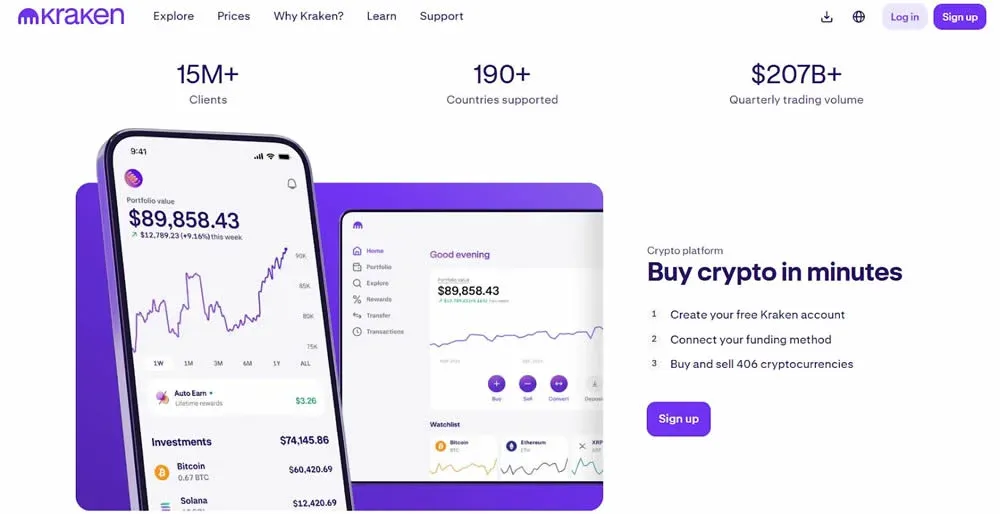
Kraken is a U.S.–based cryptocurrency exchange that has earned a strong reputation for strict regulatory compliance and rigorous security practices. Founded in 2011, the platform offers trading between digital assets and fiat currencies as well as foreign‑exchange services, covering more than 170 countries/regions and 48 U.S. states.
According to data from CoinMarketCap, Kraken’s average daily trading volume never falls below USD 1 billion, and the exchange consistently adheres to KYC (Know‑Your‑Customer) and AML (Anti‑Money‑Laundering) standards.
Kraken’s Strengths
- High security: No successful hacks to date; utilizes cold storage, two‑factor authentication (2FA), and multi‑layer encryption.
- Broad asset coverage: Supports at least 300 different crypto assets.
- Advanced functionalities: Offers margin trading, futures contracts, and staking services.
- Customer‑service channels: Real‑time chat and 24/7 email support.
- U.S. coverage: Accessible in 47 U.S. states.
Kraken’s Weaknesses
- Regional restrictions: Not available in Washington State and New York State due to local regulatory constraints.
- Higher fees: Maker fee of 0.25 % and taker fee of 0.40 % may be less attractive to beginners.
- Feature limitations for U.S. users: Flexible staking, certain derivatives, and fiat‑based P2P services are not offered to U.S. customers.
What Is Binance?
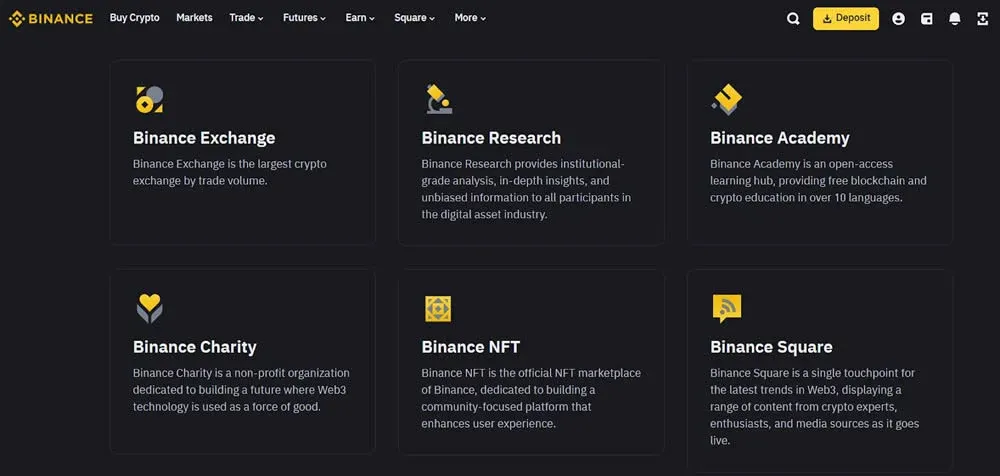
Binance (official registration: <https://accounts.binance.com/register?ref=B2345> | official download: <https://www.bitaigen.com/binance/download>) was founded by Changpeng Zhao and Haifeng Ye in July 2017. Within a single year it became the world’s leading exchange by trading volume. Initially headquartered in Hong Kong, the platform later relocated to Japan, Malta, and the Cayman Islands for regulatory reasons. Its average daily trading volume now exceeds USD 180 billion, and its business has expanded into travel booking, payment processing, and other ancillary services.
Binance’s Strengths
- Largest asset selection: Over 500 cryptocurrencies and trading pairs.
- High liquidity: Deep order books and fast execution speeds.
- Low fees: Spot trading fees range from 0 % to 0.10 %; additional discounts when paying fees with BNB.
- Feature‑rich ecosystem: Staking, margin, spot, futures, OTC, DeFi, NFT marketplaces, and more.
- Strong security focus: 2FA, cold storage, SAFU insurance fund.
- Global reach: Available in more than 100 countries/regions.
- BNB discount: Holding Binance Coin (BNB) lowers transaction fees.
Binance’s Weaknesses
- Complex interface: The abundance of features creates a steep learning curve for newcomers.
- Regulatory pressure: Ongoing uncertainty in multiple jurisdictions.
- Customer‑support latency: Response times may lag during peak periods.
- Security history: The platform has experienced a major hacking incident in the past.
- Withdrawal fees: Certain assets incur network fees on withdrawal.
Supported Cryptocurrencies and Fiat Currencies
- Kraken: Supports at least 120 cryptocurrencies and stablecoins, including BTC, ETH, LTC, XRP, USDT, DASH, DOGE, REP, ZEC, and others. Fiat options cover seven major currencies—EUR, USD, CAD, GBP, JPY, CHF, and AUD—via SEPA, SWIFT, and domestic bank transfers.
- Binance: Lists roughly 500 digital assets, spanning major coins, altcoins, and a wide variety of stablecoins. It accepts at least 46 fiat currencies, such as USD, EUR, AUD, CAD, and the UAE Dirham, with deposits and withdrawals processed through SEPA, SWIFT, and local payment rails.
Winner: Binance holds the advantage in both cryptocurrency breadth and fiat‑currency coverage.
Trading Tools and Features
- Binance: Provides advanced charting packages, leveraged futures, margin trading, liquidity mining, and a suite of professional‑grade order types, satisfying the diverse needs of seasoned traders.
- Kraken: Also offers staking, margin, and futures, but its interface emphasizes simplicity, making it approachable for both beginners and experienced users.
Winner: Both platforms excel in different areas, catering to distinct user segments.
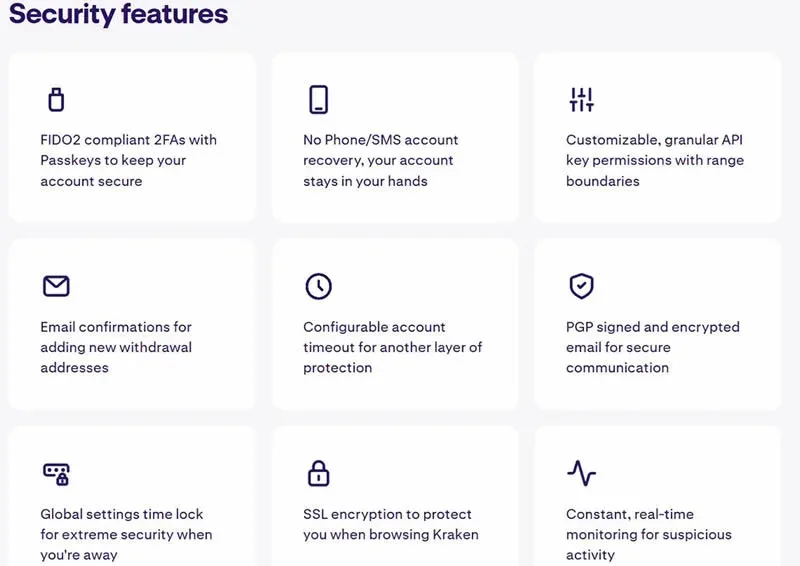
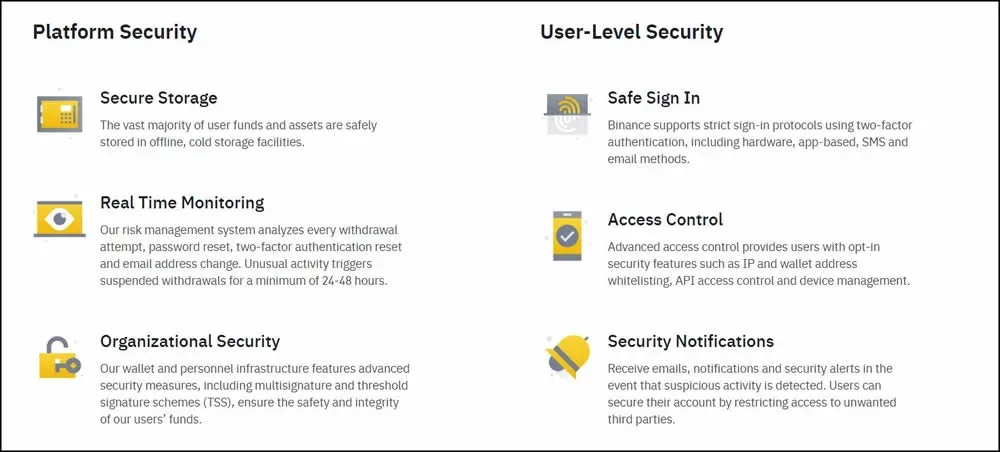
Security Comparison
- Both exchanges enforce strict KYC/AML policies, keep the majority of assets in offline cold wallets, and employ SSL encryption together with multi‑factor authentication.
- Kraken: Approximately 95 % of funds are stored in cold storage; offers granular API permission controls, third‑party reserve proof audits, and defenses against SIM‑swap attacks.
- Binance: In addition to 2FA, it uses encrypted email communications, anti‑phishing codes, and maintains the SAFU (Secure Asset Fund for Users) to compensate users in the event of a security breach.
Winner: Kraken leads due to its higher transparency and more rigorous security protocols.
Trading Fees and Charges
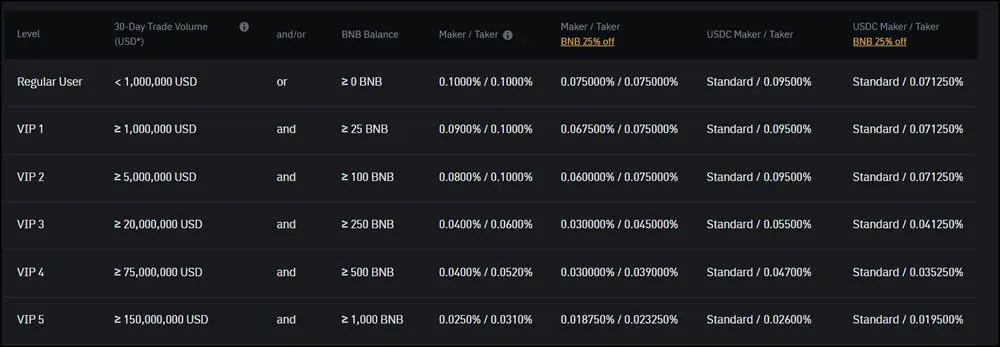
- Binance spot fees range from 0 % to 0.10 %, with additional reductions when paying with BNB; withdrawal fees vary by cryptocurrency.
- Kraken starts at a maker fee of 0.16 % and a taker fee of 0.26 %, which is relatively higher but still competitive for institutional‑grade liquidity.
Winner: Binance offers a more competitive fee structure, especially for high‑frequency traders.
Availability and Accessibility
- Binance operates in over 100 countries/regions; U.S. residents must use Binance.US, which provides a reduced set of features due to regulatory constraints.
- Kraken serves more than 190 countries/regions and is available in most U.S. states except New York and Washington.
Winner: Kraken offers broader accessibility for U.S. users.
Customer Support
Binance
- Provides 24/7 assistance through a ticketing system and live chat.
- Offers a chatbot, extensive FAQ, Binance Academy, and community forums, but no telephone support.
- Live‑chat responses are fast, though full issue resolution may take up to 48 hours.
- High‑volume traders can access VIP support and dedicated account managers.
Kraken
- Offers email, live chat, and limited phone support in certain regions.
- Email replies typically arrive within 24 hours; live‑chat average response time is under 5 minutes.
- Kraken Pro users enjoy priority customer service.
Winner: Kraken scores higher in overall satisfaction due to faster response times and multi‑channel options.
Mobile Applications
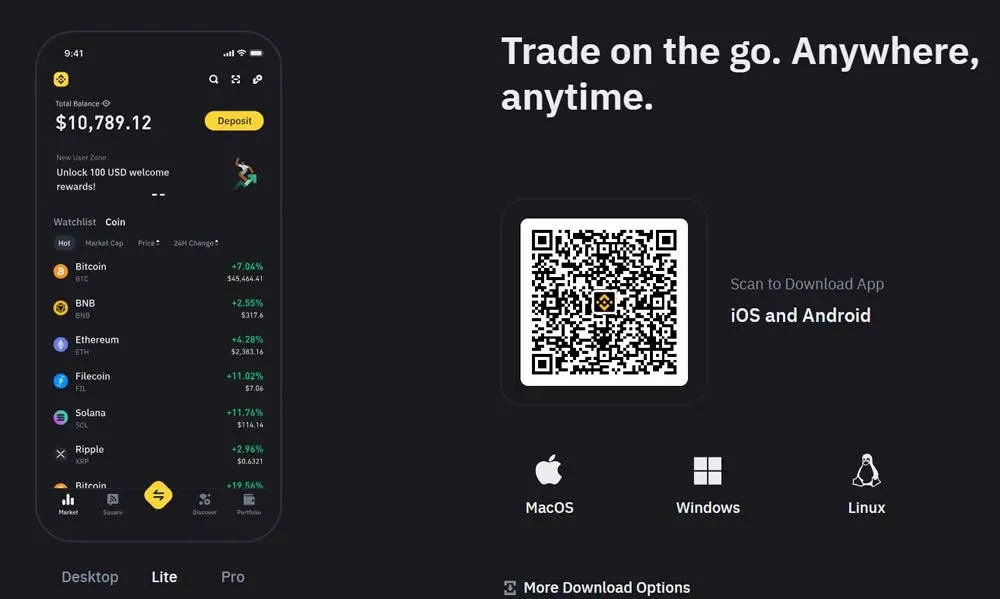
- Binance: Supplies two feature‑rich mobile apps (global version and Binance.US version). The apps are powerful but present a moderate learning curve for newcomers.
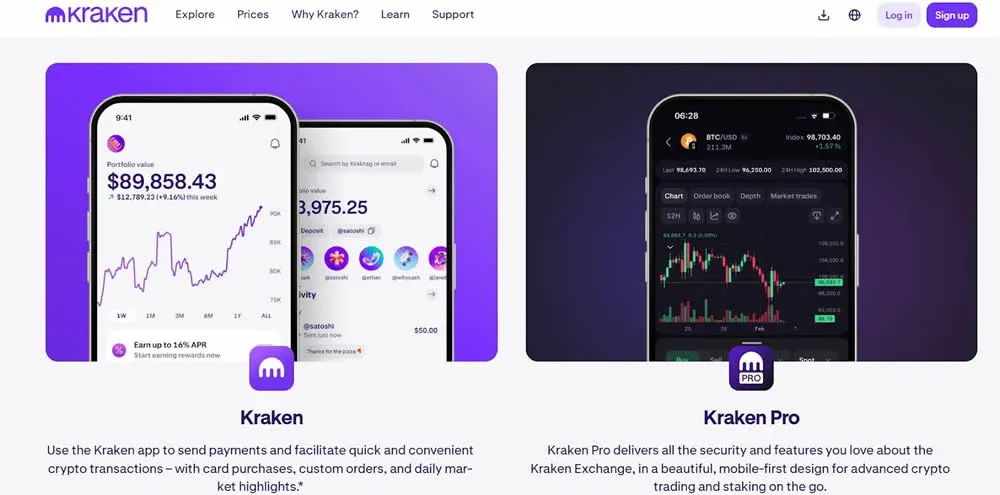
- Kraken: Also provides two mobile apps (Kraken and Kraken Pro). Their design is clean and navigation is smooth, catering to users of varying expertise levels.
Winner: Kraken delivers a smoother mobile experience.
Ease of Use
- Binance boasts a feature‑dense platform suited for experienced traders; however, the identity‑verification process can take up to 15 days, which may slow onboarding for beginners.
- Kraken offers a user‑friendly interface and an automated verification workflow; most users complete the process in about 5 minutes, while professional‑level accounts may require a few days.
Winner: Kraken leads in user‑friendliness and verification speed.
Trading and Withdrawal Limits
- Binance: Basic accounts have a daily withdrawal cap of 0.6 BTC; after full KYC verification the limit rises to 100 BTC per day.
- Kraken: Entry‑level accounts can withdraw up to USD 5,000 daily, mid‑tier accounts up to USD 500,000, and professional accounts up to USD 10 million.
Registration Process
- Kraken: The sign‑up and verification flow is straightforward, often completed within a few minutes, with a maximum of 5 days for full account approval.
- Binance: Verification levels are more granular; the most extensive tier may require up to 15 days to finalize.
Conclusion: Which Exchange Is Better?
The fundamental differences between Kraken and Binance hinge on a user’s experience level, specific needs, and geographic location. Binance leads in trading volume, asset coverage, and global market impact; Kraken excels in security, regulatory compliance, U.S. accessibility, and beginner‑friendly design. Investors can consider a hybrid approach:
- Store long‑term crypto holdings and fiat balances on Kraken to benefit from its robust security and compliance framework.
- Execute high‑frequency trades or experiment with newly listed tokens on Binance, where liquidity and fee discounts are strongest.
- Always employ a hardware wallet for cold storage and enable two‑factor authentication (2FA) or other recommended security measures.
By strategically leveraging the strengths of both platforms, you
Related Reading
- What Is a Binance Passkey? Setup Guide & Troubleshooting
- How to Sell Ethereum on Binance Spot Market: Order Types Explained
- Binance Sell Orders: Limit, Market, TP/SL, Trailing, OCO
💡 Register on Binance with referral code B2345 for the maximum trading fee discount. See Binance complete guide.



