
 Bitaigen Research
 Litecoin Price Decline: Main Drivers and Future Outlook
Litecoin’s recent drop is influenced by a combination of overall crypto‑market sentiment, Bitcoin’s price movement, and a reduction in on‑chain activity specific to Litecoin. Factors include Bitcoin price volatility, heightened risk‑off sentiment among investors, and a decline in on‑chain transaction volume.
Litecoin (LTC) is often referred to as the “silver to Bitcoin’s gold,” known for its stability, fast transaction speed, and long‑standing presence in the cryptocurrency market. Nevertheless, like other digital assets, Litecoin’s price remains vulnerable to market swings driven by sentiment, network upgrades, governmental policies, or macro‑economic trends. When traders ask why the Litecoin price is falling, they are seeking an explanation for the rapid daily fluctuations.
Understanding the reasons behind a price decline is crucial for investors, as it helps them make more informed decisions. If Litecoin is undergoing a correction, facing sector‑wide pressure, or encountering project‑specific issues, investors can use that information to decide whether to buy at lower levels or simply hold.
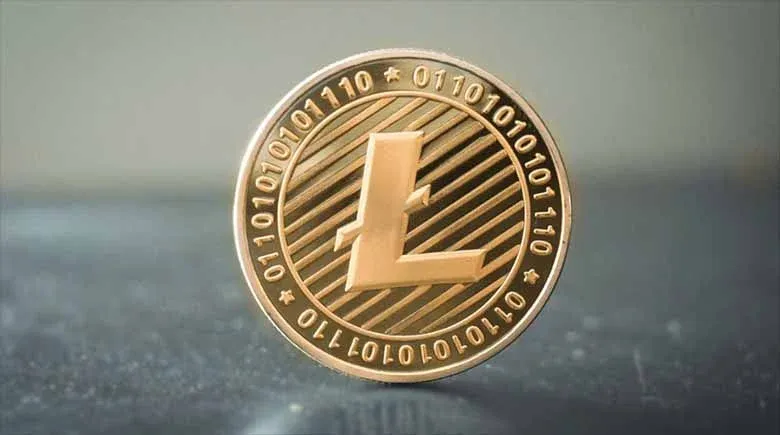
From three angles—macro market conditions, Bitcoin correlation, and on‑chain activity—we systematically dissect the recent Litecoin pull‑back and project possible future trajectories. The article balances technical analysis with sentiment factors, helping investors clarify their thinking and decide whether to position at lower levels. For a deeper dive into the logic and judgment criteria, keep reading.
Reasons for Litecoin’s Decline: A Three‑Layer Mechanism
If you wonder why Litecoin’s price is down today—and may even tumble further—it is usually the result of multiple forces acting together. Litecoin, like other major cryptocurrencies, is affected by external variables that have little to do with its underlying protocol.
1. Overall Cryptocurrency Market Environment
The primary driver is the sentiment across the entire crypto market. Because Litecoin’s price moves closely with Bitcoin or Ethereum, a dip in the market leader typically drags Litecoin down as well.
Common causes include:
- Bitcoin volatility affecting confidence in other coins
- Rising risk‑off sentiment among investors
- Capital flowing from altcoins into stablecoins
When the market is in a state of fear or uncertainty, Litecoin experiences price pressure. This explains why Litecoin can still fall even when its own fundamentals appear unchanged.
2. Litecoin‑Specific Network and Activity Factors
The second layer concerns issues directly tied to Litecoin itself, such as:
- Decreased on‑chain activity
- Lower daily transaction volume
- Halving events reducing miner profitability
- Diminished payment demand
Even a modest dip in usage can trigger sell‑offs, pushing the price lower.
3. External Economic and Regulatory Factors
The third layer encompasses macro‑economic conditions that affect all digital assets:
| Influence Factor | Potential Outcome |
|---|---|
| Interest‑rate changes | Shift in asset‑allocation preferences |
| Regulatory uncertainty | Heightened market risk‑off sentiment |
| Global equity market declines | Reduced demand for risk assets |
| Economic instability | Lower investor risk appetite |
During global market pull‑backs, cryptocurrencies—including Litecoin—are typically hit hard, which is a fundamental cause of sudden price drops.
Long‑Term Careful Price Outlook
Assessing Litecoin’s future trajectory requires looking at both short‑term and long‑term trends, and analyzing them in context.
Short‑Term Perspective
In the near term, Litecoin’s price is highly sensitive to:
- Market sentiment – fear, uncertainty, and speculative amplification cause volatility
- Bitcoin’s dominance – a Bitcoin correction often sparks a sharper Litecoin correction
- Liquidity levels – relatively thin liquidity means even moderate pressure can generate noticeable moves
These movements are generally short‑term adjustments and do not necessarily signal a fundamental change in the asset’s outlook.
Mid‑Term Outlook
Mid‑term pricing hinges on:
- Network activity – transaction volume, growth in active addresses, miner participation
- Adoption cycle – merchant acceptance, payment integrations, blockchain partnerships
- Future catalysts – upcoming halving cycles, protocol upgrades, or industry‑wide regulatory events
Between major market cycles, Litecoin frequently experiences several months of consolidation.
Long‑Term Perspective
From a longer horizon, Litecoin’s strengths in digital payments remain prominent:
- Fast, low‑cost transactions
- One of the earliest cryptocurrencies, with established brand recognition
- Ongoing technical iteration and ecosystem development
Volatility is inevitable, but these attributes position Litecoin as a relatively reliable alternative currency within the crypto space.
Can Litecoin Recover From the Current Downtrend?
After understanding today’s decline, investors will evaluate the future outlook. Historically, Litecoin has often staged strong rebounds after deep corrections, typically moving in sync with Bitcoin. Technically, a downtrend can create new accumulation zones that speculators may view as opportunities rather than risks. Should the broader market environment improve, Litecoin’s quick settlement and low‑fee advantages could help support a recovery.
Market Sentiment’s Impact on Litecoin’s Short‑Term Behavior
Beyond technical signals and macro factors, sentiment plays a crucial role in today’s Litecoin dip. Crypto prices tend to be more driven by public opinion and emotional tone than by pure data. Negative sentiment may stem from:
- Broad market sell‑off waves
- Regulatory news that sparks panic
- Diminished confidence in risk assets
- Comments from influential figures or social‑media chatter
Even when fundamentals appear relatively sound, sentiment swings can cause Litecoin’s decline to outpace that of other leading coins, including Bitcoin.
Bitcoin’s Influence on Litecoin’s Price
Bitcoin (BTC) exerts a significant impact on Litecoin (LTC) pricing for several reasons:
- Market dominance – Bitcoin’s movement sets overall market mood, prompting investors to rebalance simultaneously.
- Technical relationship – Litecoin was originally created as a lightweight implementation of Bitcoin, often regarded as a secondary asset.
- Liquidity and trading pairs – Most exchanges list LTC against BTC, so Bitcoin’s volatility directly transmits to Litecoin.
Consequently, Bitcoin’s rise or fall is a key factor in explaining “why Litecoin’s price is dropping.”
Frequently Asked Questions
What is Litecoin’s current situation?
The price drop may originate from a market‑wide sell‑off, a Bitcoin correction, regulatory headlines, or insufficient liquidity, and is also influenced by sentiment and macro‑economic events.
Why are other cryptocurrencies rising while Litecoin is falling?
Lackluster trading activity, absence of catalysts, or capital shifting toward hotter assets can cause LTC to lag behind.
Does Bitcoin affect Litecoin’s price?
Yes. Litecoin’s trajectory closely follows Bitcoin’s, and the two usually move in tandem during periods of volatility.
Is the decline due to technical problems?
Most price drops are not caused by technical issues; Litecoin’s protocol remains stable, and price movements are primarily driven by market forces.
Will Litecoin rebound after the decline?
Historically, after several market cycles, Litecoin often rebounds when overall sentiment improves, though no absolute guarantee exists.
---
This completes the full translation of “Litecoin (LTC) Price Analysis: Why Did It Drop? Future Price Outlook.” For more in‑depth Litecoin trend analysis, search for *Bitaigen* or continue reading the related articles below. Thank you for your attention!
Related Reading
- How to Buy Litecoin (LTC) in 2024: Step‑by‑Step Guide
- Litecoin (LTC) Price Forecast 2025‑2050: $120 to Thousands
- Litecoin (LTC) Overview: Halving, Price Trends & Future Roadmap
💡 Register on Binance with referral code B2345 for the maximum trading fee discount. See Binance complete guide.
⚠️ Risk Disclaimer: Crypto prices are highly volatile. This is not investment advice.



