
 Bitaigen Research
 Recent Wallet Security Incidents Surge
On April 18, MetaMask developer @tayvano_ posted a tweet in the community reporting that 5,000 ETH had been stolen, sparking widespread speculation and panic about a possible security flaw in MetaMask. The next day, MetaMask’s official team responded that the theft rumor was unfounded but that they had already begun investigating any potential vulnerability source.
Soon after, on April 20, the imToken team issued a warning that fraudsters were impersonating imToken staff, using SMS and other channels to lure users to phishing sites where they disclosed their mnemonic phrases, resulting in asset loss. One day later, a SlowMist researcher discovered that the top‑most Google ad for “imToken” had been hijacked by a malicious website, urging users not to click it.
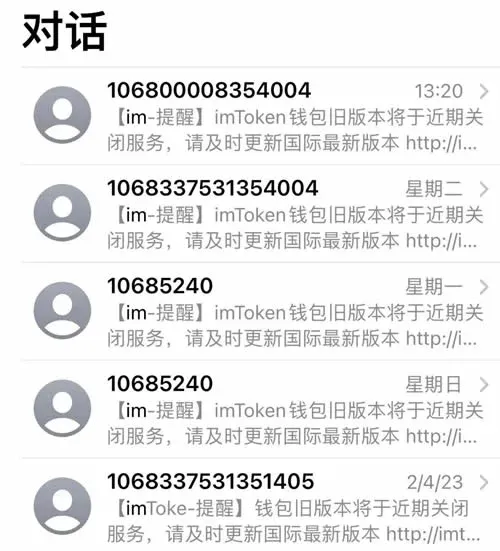
On April 22, Trust Wallet posted an announcement stating that wallet addresses created between Nov 14 – Nov 23, 2022 contained a security gap, and a compensation process had been launched.
With the explosion of DeFi, NFTs, and other on‑chain interactions, users are no longer satisfied with holding assets solely on centralized exchanges. An increasing number of people now store tokens in personal wallets. This shift expands the attack surface for hackers; common risks include improper token authorizations, downloading malicious apps, and vulnerabilities within the wallets themselves. Asset security has become a fundamental skill that every token holder must master.
Below we will systematically review the basic concepts of wallets, typical theft cases, and private‑key protection measures, outlining how to reduce the probability of asset loss.
In this article we dissect several recent high‑profile wallet thefts, reveal the evolving tactics of phishing attacks, and provide practical defensive steps. By analyzing cases involving MetaMask, imToken, Trust Wallet, and others, readers can learn to identify risks and improve the safety of their holdings.
Basic Wallet Concepts
Before discussing security, it helps to understand a few core concepts that underpin later protective actions.
1. Symmetric Encryption vs. Asymmetric Encryption
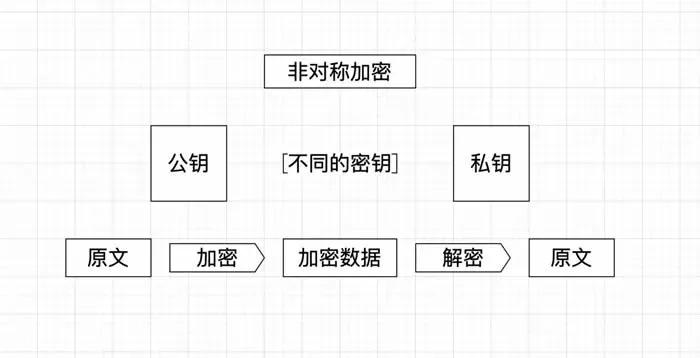
Symmetric encryption uses the same algorithm and key for both encryption and decryption. Asymmetric encryption, on the other hand, employs a key pair— a public key and a private key— where the public key encrypts data and the private key decrypts it; the two keys are not interchangeable.
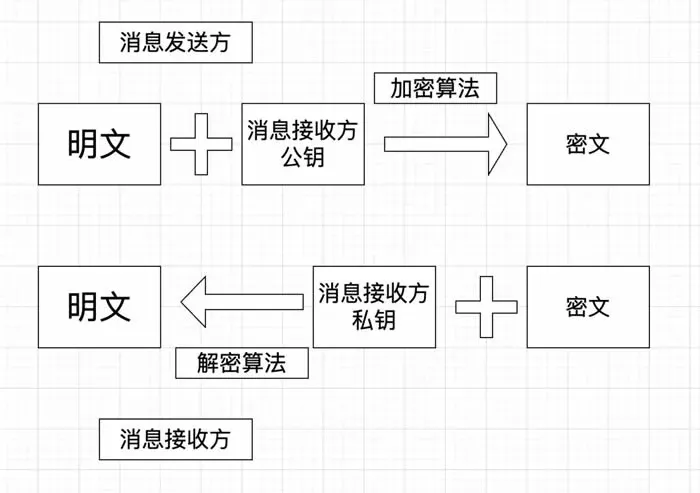
As the figure shows, in an asymmetric system the receiver’s public key and private key are distinct keys.
2. Public Key, Private Key, Mnemonic Phrase, and Address
Having grasped the encryption models, let’s introduce the typical components that live inside a wallet.
- Key pair: Consists of a publicly visible public key and a confidential private key.
- Public key: Used to encrypt data; only the corresponding private key can decrypt it.
- Private key: Generates the public key and decrypts information encrypted with that public key.
- Address: A shortened string derived from the public key through a hashing algorithm, designed for convenient on‑chain use.
- Mnemonic phrase: To avoid the impractical length of raw private keys, the industry introduced a set of readable words (commonly 12). The mnemonic is mathematically equivalent to the private key.
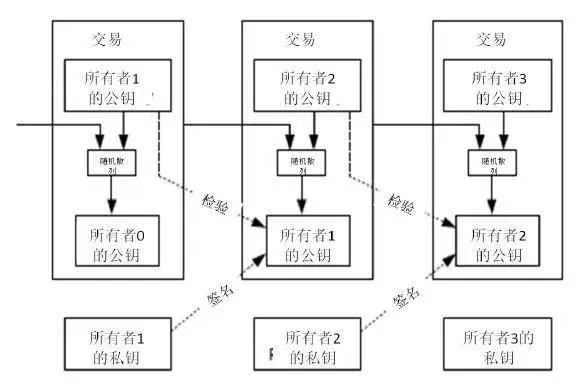
In practice, a user signs a transaction with an electronic signature (the private key signs the transaction data). Network nodes then verify the signature using the matching public key, confirming the transaction’s authenticity. You can think of the public key (or address) as a bank account number, while the private key (or mnemonic) is the account password; possessing the private key equals owning the assets.
3. How Private Keys Are Stored
Assets on a blockchain are not stored inside the wallet app itself; they are locked to a specific address on the chain. Whoever holds the private key can control that address. Consequently, the security of the private key directly determines asset safety. Wallets typically prompt users to back up their private keys during the initial setup; loss of a private key means irreversible loss of access.
4. Hot Wallets vs. Cold Wallets
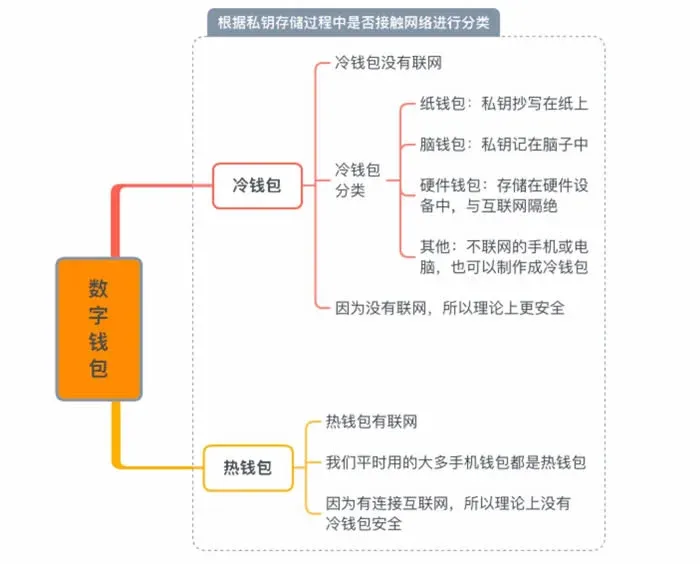
- Hot wallets: Browser extensions, mobile apps, and other online solutions. They are convenient and enable fast transactions, but because they remain connected to the internet, they are comparatively less secure.
- Cold wallets: Physical hardware devices that store private keys offline. They offer strong resistance to remote attacks and are suited for long‑term holding of large sums. Using a cold wallet requires connecting the device and performing extra steps for each transaction.
After mastering these concepts, you’ll see that virtually every protective measure revolves around protecting the private key.
Typical Theft Cases
Real‑world incidents highlight where the weak points lie, allowing us to craft targeted defenses.
1. Mnemonic Phrase Leakage
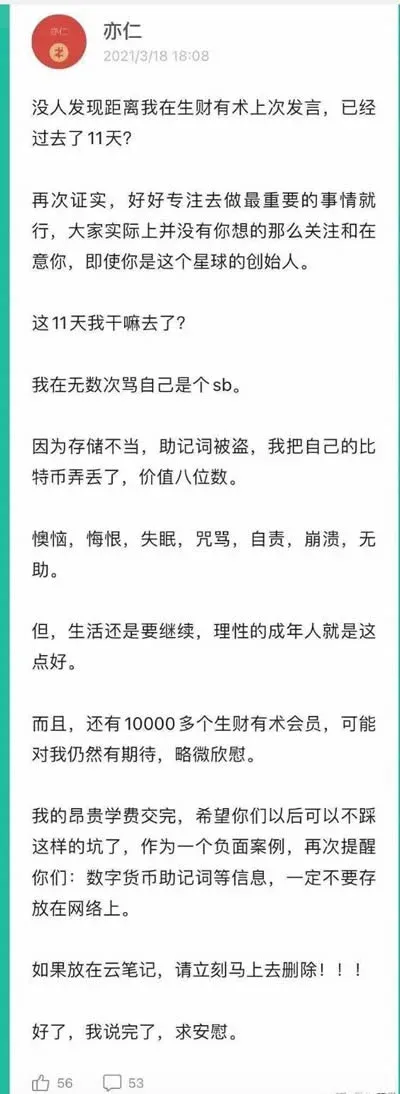
- In early 2021, Yi Ren, founder of the Chinese finance media “Shengcai You Shu,” stored a Bitcoin private key in a cloud‑based note‑taking app, resulting in the theft of BTC worth tens of millions of USD.
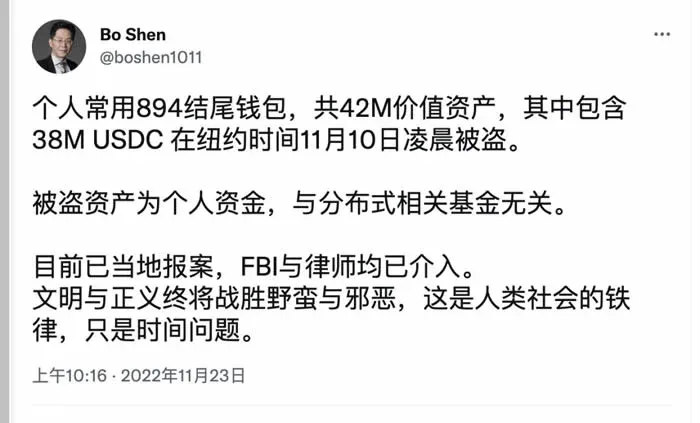
- In November 2022, Shen Bo, founder of Distributed Capital, lost digital assets including 38,233,180 USDC, 1,607 ETH, 719,760 USDT, and 4.13 BTC. SlowMist later attributed the breach to a leaked mnemonic phrase.
2. Private Key Loss
British IT engineer James Howells misplaced a hard drive containing roughly 8,000 BTC in 2013. Nine years later, he is still investing heavily in attempts to recover the lost coins.
3. Clicking Malicious Links
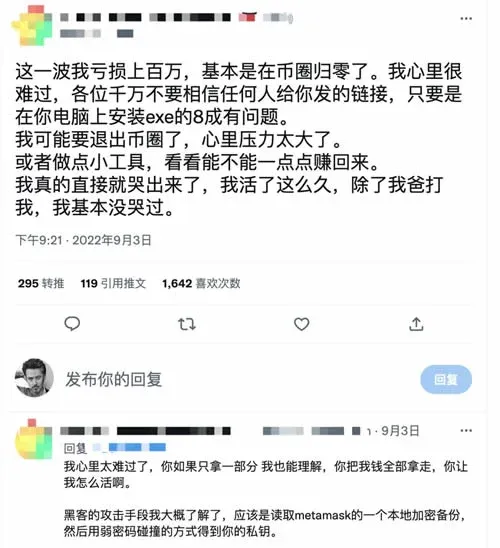
- A user clicked an unknown link, allowing a hacker to read the local MetaMask encrypted backup and drain the entire balance.
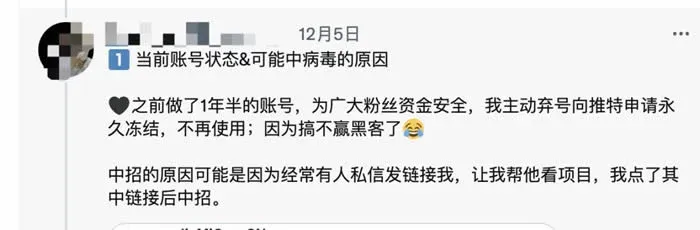
- A Twitter influencer opened a link received via direct message, resulting in account takeover. The compromised account then posted a malicious “airdrop” tweet that lured followers into clicking and losing their assets.
4. Improper Token Authorizations or Contract Vulnerabilities
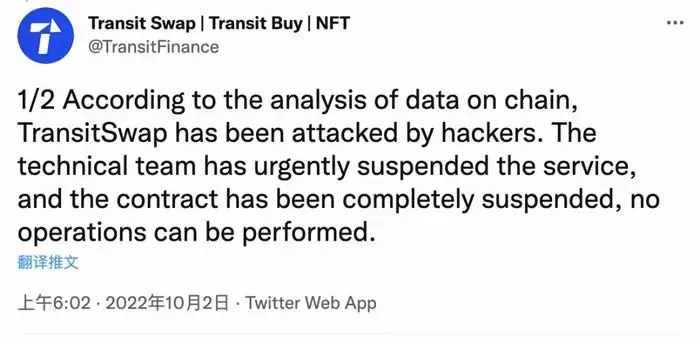
- On October 2, the Transit Swap DEX (a fast‑swap service under Token Pocket) was hacked, resulting in losses exceeding USD 15 million. The platform subsequently advised users to revoke the affected token approvals.
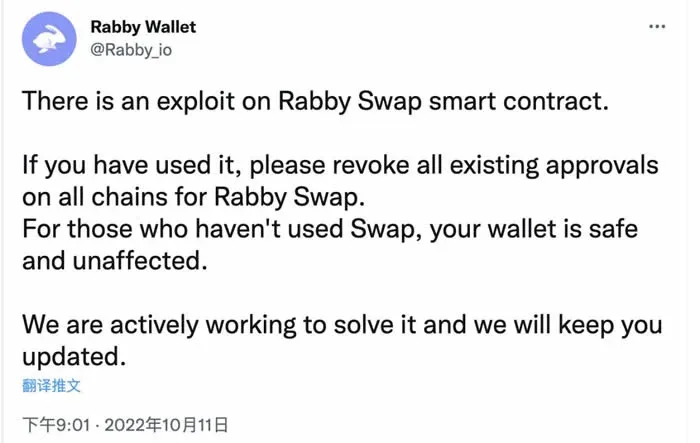
- On October 11, the Rabby plugin wallet developed by DeBank was found to contain a flaw in its swap contract, which attackers exploited to siphon roughly USD 190,000.
5. Downloading Counterfeit Apps
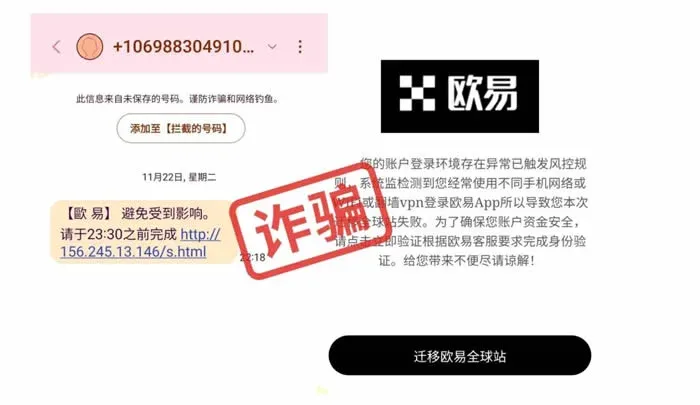
- Hackers sent panic‑inducing SMS messages that directed users to reinstall a “official” app. After logging in, the attacker transferred the victim’s assets out of the wallet.
- A user mistakenly installed a counterfeit Binance application and, during a transfer, sent 5 ETH to an unknown address, resulting in permanent loss.
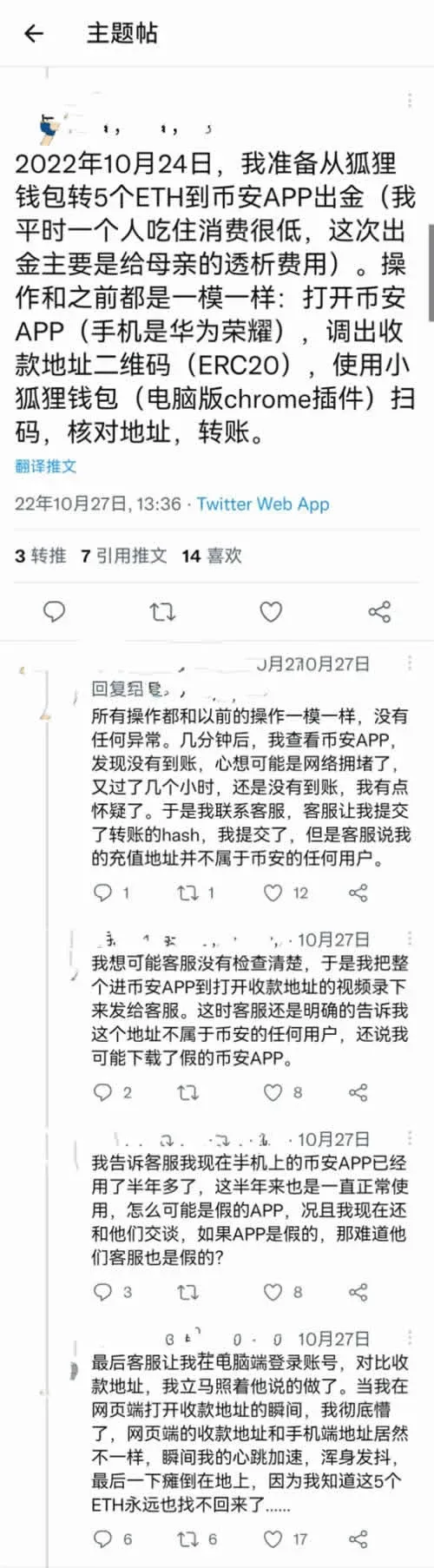
These examples make it clear that the root causes of theft generally fall into five categories: mnemonic leakage, loss of private keys, phishing link clicks, reckless token authorizations, and the use of spoofed software.
Preventive Measures and Best Practices
1. Secure Backup of Private Keys
- Immediately after creating a wallet, perform a dual backup and keep at least two offline copies.
- Write the mnemonic on paper and encrypt it (e.g., by inserting custom characters), or store it on a device that never connects to the internet.
- If feasible, purchase a metal cold‑storage plate from an official vendor and engrave the mnemonic onto it to protect against fire, water damage, and other disasters.
- For substantial holdings, use a reputable hardware wallet purchased directly from the manufacturer’s official channel to avoid third‑party‑infused malware.
2. Prevent Mnemonic Leakage
- Never copy‑paste a private key or mnemonic; clipboard hijacking malware can read it.
- Do not store the mnemonic on cloud drives, messaging apps, note‑taking services, or any online platform.
- Never disclose your mnemonic to anyone, even if they claim to be “official support.” Legitimate wallet providers will never ask for it.
- Exercise extra caution on public Wi‑Fi; avoid performing wallet operations on insecure networks.
- Download wallets or related tools exclusively from official websites or official app stores (Google Play, Apple App Store).
- After interacting with DeFi or NFT contracts, promptly revoke any authorizations you no longer need to limit exposure to contract bugs.
- Treat unsolicited SMS, email, or social‑media links with suspicion; do not click them blindly.
- If you notice abnormal activity, immediately disable the compromised wallet rather than hoping the issue resolves itself.
- Avoid free VPN services; opt for a trustworthy paid provider to reduce the risk of traffic interception.
- Continuously monitor security community alerts and update your protection strategy accordingly.
The essence of asset security is “keep the private key secret.” Only when you control the key do you truly own your coins.
3. Diversify Asset Storage
Distribute funds across multiple wallets and reputable centralized exchanges to mitigate single‑point‑of‑failure risk. While centralized platforms can be subject to regulatory or operational issues, the leading exchanges typically implement mature security frameworks; a balanced allocation remains a viable strategy.
Key security steps for centralized platforms (including Binance US for U.S. residents, and global Binance for the rest of the world):
- Enable multi‑factor authentication (SMS, email, Google Authenticator, etc.).
- Set up a withdrawal whitelist that restricts outgoing transfers to pre‑approved addresses.
- Always access the platform through official URLs or official mobile apps.
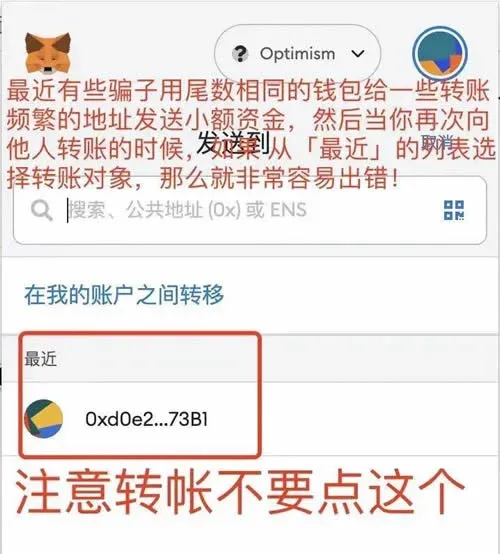
- Double‑check the destination address before confirming any transfer to avoid costly mistakes.
Conclusion
By reviewing the concepts and case studies above, readers can build a systematic understanding of the critical security pillars for blockchain assets. As on‑chain interactions become ever more frequent, competent wallet usage is an essential skill. No single solution guarantees absolute protection, but disciplined private‑key management, prudent authorization practices, and diversified storage dramatically lower the likelihood of common attacks. Because adversaries constantly evolve their tactics, continuous education and timely updates to your security posture are indispensable long‑term responsibilities for every token holder.
For modest holdings, a streamlined security workflow may be acceptable. However, once large sums are at stake, you must adopt the most rigorous storage practices to prevent a single oversight from turning into an irrecoverable loss.
Related Reading
- MetaMask Wallet Guide: Secure Ethereum, DeFi & NFT Management
- Beginner’s Step‑by‑Step Guide to Using Huobi Wallet Safely
- MetaMask Guide: Features, Security & Beginner Tips
💡 Register on Binance with referral code B2345 for the maximum trading fee discount. See Binance complete guide.
⚠️ Risk Disclaimer: Crypto prices are highly volatile. This is not investment advice.



