
 Bitaigen Research
 Reef Chain is the first‑layer blockchain built by Reef Finance on the Polkadot ecosystem, focusing on providing cross‑chain trading, yield aggregation, and decentralized finance services for DeFi and NFT use cases. The chain supports both centralized and decentralized exchanges, aiming to deliver higher yields for users. The platform’s native token, REEF, serves both governance and utility functions. Below, we explain its concept, operating mechanisms, and investment pathways from multiple perspectives.

We analyze Reef Finance from the three dimensions of technology, governance, and ecosystem, helping readers understand its innovative layout on Polkadot, cross‑chain advantages, and the token’s practical functions, so they can assess its potential value. To grasp the key factors that may shape REEF’s future trajectory, continue reading for a full analysis.
Reef Finance (REEF) Overview
Reef was launched in 2019 on the Substrate framework by Denko Mancheski, initially aiming to provide cross‑chain solutions for the DeFi and NFT sectors. In November 2021 the project was renamed Reef Finance, marking its evolution from a single bridge platform into a full blockchain network. Reef Chain interoperates with Polkadot’s parachain architecture, becoming a component of Web 3.0 infrastructure.
The platform’s core strengths lie in the following areas:
- Interoperability: By aggregating the advantages of multiple mainstream chains, Reef removes the barriers that DeFi developers face when moving assets across chains.
- Low Fees: Compared with Ethereum and other networks, Reef’s fee structure is lightweight, and fees can be paid with the REEF token.
- Low Energy Consumption: The network uses a Proof‑of‑Stake (PoS) consensus mechanism, consuming far less energy than proof‑of‑work chains such as Bitcoin.
- EVM Compatibility: Supports Solidity‑based smart contracts, enabling developers to port Ethereum DApps directly.
- Finite Supply: The token supply is capped, mitigating inflation risk from unlimited minting.
Since its launch at the end of 2020, Reef has attracted a large user base, partners, and developers, and its ecosystem continues to expand.
How Does the Reef Network Operate?
Reef aggregates multi‑chain liquidity through the Reef Basket Engine, allowing users to shift between platforms such as Aave, Binance Smart Chain, Compound, Plasma, Moonchain, Synthetix, Uniswap, and others to chase the best yields. The engine consists of two sub‑systems:
- Reef Intelligence Engine – Acts as an on‑chain oracle, delivering real‑time asset prices, liquidity changes, and other data to users.
- Reef Smart Yield Engine – Employs AI and machine‑learning techniques to automatically manage asset baskets, performing yield rebalancing and distribution.
Users can freely trade and stake tokens on the platform while retaining full control over their assets. The consensus layer uses NPoS (Nominated Proof‑of‑Stake), where nominators and validators collaboratively elect block producers to ensure network security and efficiency.
Advantages of Being Built on Polkadot
In September 2020, Reef closed a $3.9 million Series A round, becoming one of the largest‑funded projects in the Polkadot ecosystem. Investors included NGC Ventures, AU21 Capital, QCP Capita, Kenetic, Amplifi, and Krypital.
Polkadot’s parachain architecture enhances transaction throughput and security, and Reef has successfully secured a parachain slot, granting it the following privileges:
- Proof‑of‑Stake Consensus – Inherits Polkadot’s robust security model.
- EVM Compatibility – Allows seamless migration of ERC‑20 projects to REEF‑20.
- High Scalability – Operates as an independent parachain, maintaining low latency and low fees even during network peaks.
- Decentralized & Non‑Custodial – Funds always remain under user control; the platform never accesses private keys.
What Is the REEF Token?
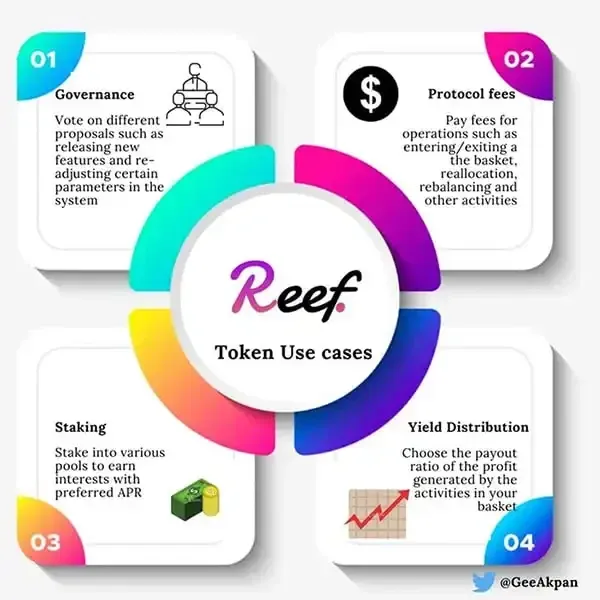
REEF is the native token of Reef Finance, officially launched on 30 December 2021. Within the platform it fulfills multiple roles, including governance voting, protocol fee payment, staking rewards, and yield distribution. Initially issued on Ethereum (ERC‑20) and BNB Smart Chain (BEP‑20), it can now be exchanged 1:1 on Reef Chain.
The four primary functions of REEF:
- Governance – Token holders can vote on proposals concerning new features, parameter adjustments, and other protocol upgrades.
- Protocol Fees – Used to pay gas for actions such as entering/exiting baskets and rebalancing.
- Staking – Locking REEF in various pools grants preferential annual yield rates.
- Yield Distribution – Profits are allocated proportionally to users based on their contribution to liquidity baskets.
Network maintainers (those who keep the parachain operational and produce new blocks) also receive REEF rewards, sourced from the gas fees collected by the protocol.
Token issuance details:
- Listing Date: December 2020 on Binance (global).
- Total Supply: 20,000,000,000 REEF.
- Allocation Structure:
- 3 % (600,000,000 REEF) for Binance Launchpool;
- 7.14 % for seed round;
- 8.33 % for strategic round;
- 5.6 % allocated to the team;
- 12 % earmarked for ecosystem development;
- 29.9 % reserved for protocol emissions and liquidity incentives;
- 17.56 % held by the foundation.
REEF Token Snapshot
| Item | Value |
|---|---|
| Token Name | Reef |
| Symbol | REEF |
| Type | Utility & Governance |
| Total Supply (on‑chain) | 690,499,228 REEF |
| Max Supply | 1,000,000,000 REEF |
| Current Price | US$0.0013 |
| 24h Low / High | US$0.00129785 / US$0.00135734 |
| 7d Low / High | US$0.00130672 / US$0.00160376 |
| 24h Volume | US$8,244,377 |
| Market Capitalization | US$29,641,277 |
| Market Rank | 477 |
| All‑Time High | US$0.05841 (‑97.77 %) |
| All‑Time Low | US$0.001217 (+7.11 %) |
*Data as of 14 September 2023*
REEF Price History and Forecasts
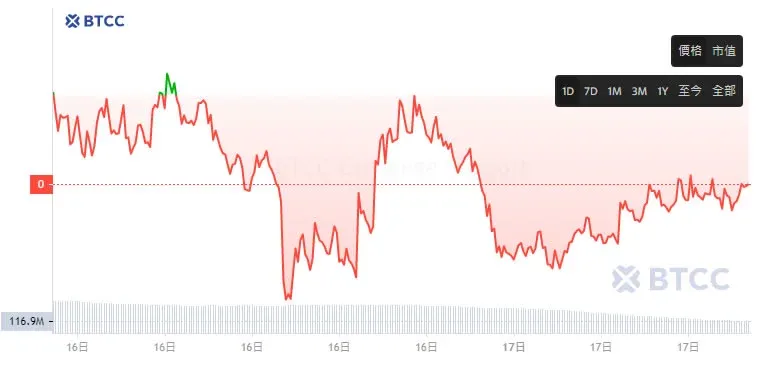
REEF first appeared on exchanges on 23 December 2020. In Q1 2021 trading activity surged, with the price repeatedly approaching $0.05 and reaching a historic peak in March. From May onward the token entered a correction phase, slipping to around $0.0125. Throughout 2022 the price trended downward with narrowed volatility, bottoming near $0.0018. In 2023 a modest rebound was observed.
As of 14 September 2023, BTCC data shows REEF trading at roughly $0.0013, down 1.41 % over the past 24 hours and 11.09 % over the past seven days.
Below are price forecasts from several research outlets (all figures in USD):
CoinCodex Forecast (2024‑2030)
| Year | Low | High |
|---|---|---|
| 2024 | 0.001149 | 0.003024 |
| 2025 | 0.002561 | 0.010295 |
| 2026 | 0.002848 | 0.004714 |
| 2027 | 0.002988 | 0.007398 |
| 2028 | 0.006396 | 0.007225 |
| 2029 | 0.006901 | 0.013008 |
| 2030 | 0.007350 | 0.009303 |
CryptoNewsz Forecast (2023‑2030)
| Year | Low | High |
|---|---|---|
| 2023 | 0.00161 | 0.00391 |
| 2024 | 0.00355 | 0.00511 |
| 2025 | 0.00449 | 0.00646 |
| 2026 | 0.00584 | 0.00841 |
| 2027 | 0.00762 | 0.01102 |
| 2028 | 0.00905 | 0.01302 |
| 2029 | 0.01110 | 0.01602 |
| 2030 | 0.01420 | 0.02040 |
PricePrediction Forecast (2023‑2032)
| Year | Low | Average | High |
|---|---|---|---|
| 2023 | 0.002 | 0.002 | 0.002 |
| 2024 | 0.002 | 0.003 | 0.003 |
| 2025 | 0.003 | 0.004 | 0.004 |
| 2026 | 0.005 | 0.005 | 0.006 |
| 2027 | 0.008 | 0.008 | 0.009 |
| 2028 | 0.011 | 0.011 | 0.013 |
| 2029 | 0.016 | 0.016 | 0.019 |
| 2030 | 0.023 | 0.023 | 0.028 |
| 2031 | 0.033 | 0.034 | 0.040 |
| 2032 | 0.049 | 0.050 | 0.056 |
It should be noted that the cryptocurrency market is highly volatile; both short‑term and long‑term price predictions carry uncertainty. Investors should consider the latest market dynamics, technical developments, and fundamental data before making any decisions. Additionally, crypto gains may be taxable in the investor’s jurisdiction, so consult a tax professional regarding local tax obligations.
Is REEF Worth Investing In?
REEF derives its value from Reef Finance’s technological capabilities, real‑world use cases, and community activity. As the DeFi ecosystem expands and Reef’s user base grows, the token’s intrinsic value could potentially increase.
Nevertheless, the price remains subject to overall crypto market sentiment, macro‑economic conditions, and the speed of project development, which may cause sharp short‑term swings. Conduct independent research, review the project roadmap, partnerships, and on‑chain metrics before allocating capital.
How to Purchase REEF
Below is a step‑by‑step guide using the Binance platform (U.S. residents should use Binance.US, which complies with local regulations). The same workflow applies to other reputable exchanges that list REEF.
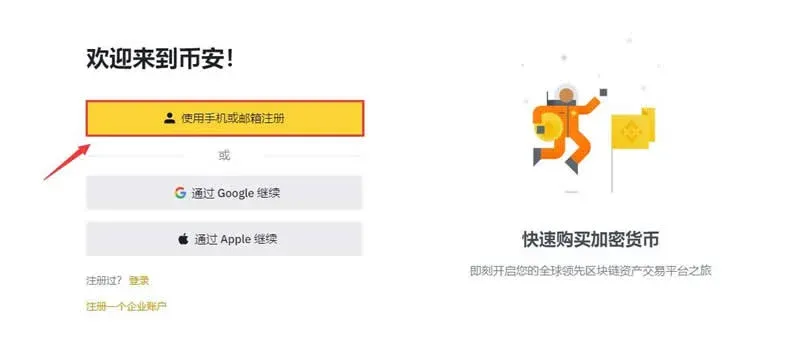
- Visit the Binance website and click Register with phone or email to open the registration page.
- On the left side, select Email (common providers include QQ, 163.com, Sohu, etc.), fill in your email address and password, then click “Create Account”.
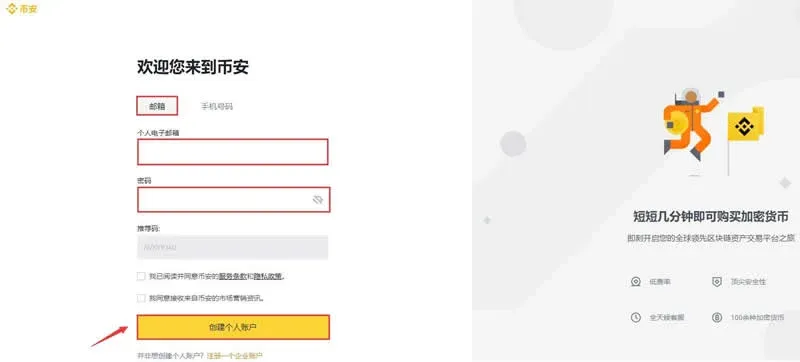
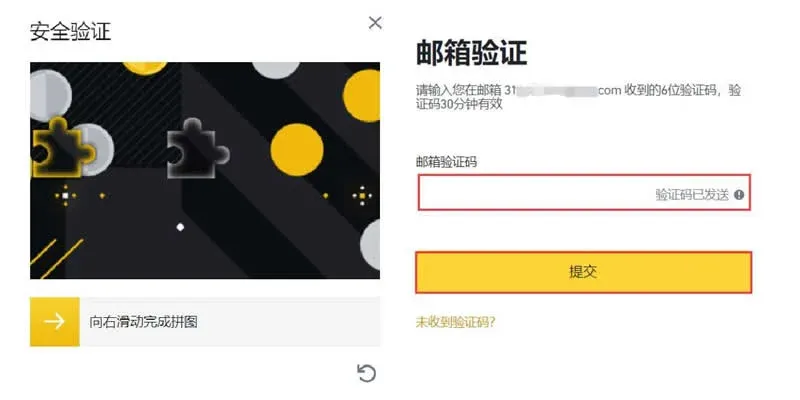
- Complete the security verification: solve the puzzle or enter the email verification code, then submit.
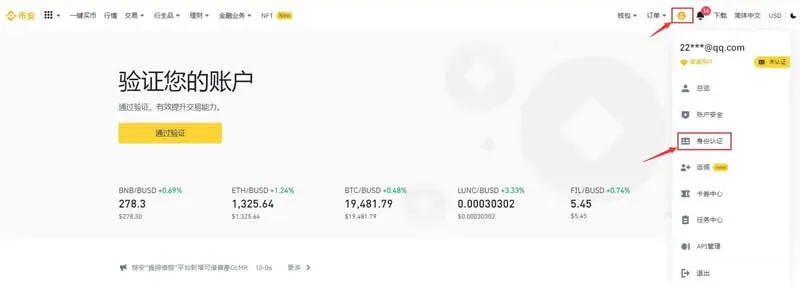
- After logging in, go to User Center → Identity Verification and complete the required KYC level to increase your trading limits.
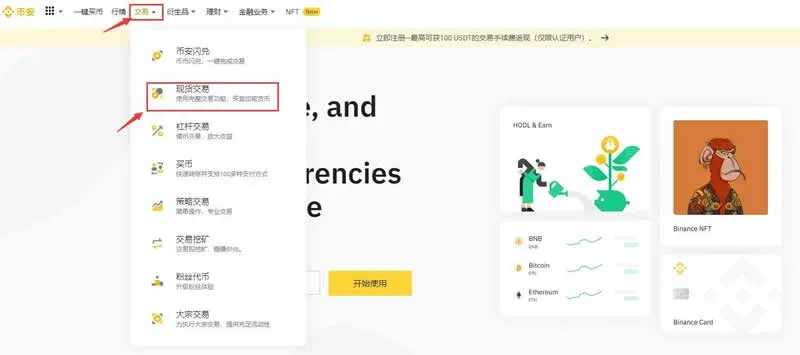
- From the homepage click Trade → Spot to open the trading interface.
- In the search box on the right, type “REEF” and select the REEF/USDT trading pair.
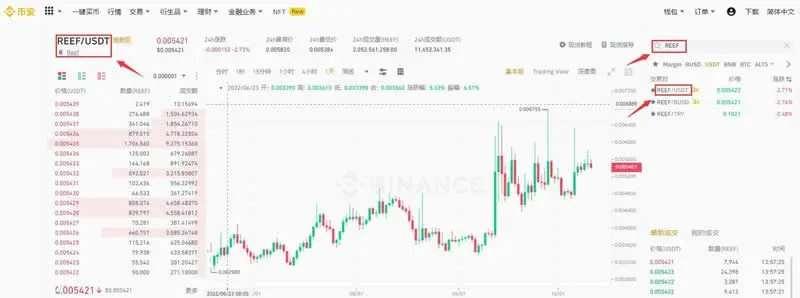
- Enter the amount you wish to buy and click “Buy”. To sell, enter the amount you want to sell and click “Sell”.
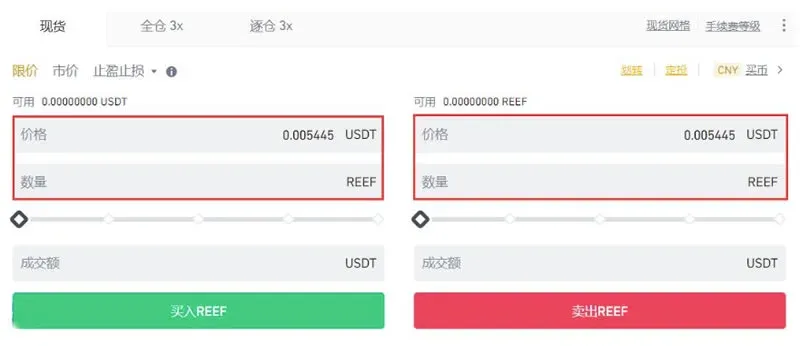
*If you are a U.S. resident, you must perform the same steps on Binance.US, which offers a comparable interface and complies with U.S. regulations.*
Conclusion
REEF, as the native token of Reef Finance, underpins governance, fee payment, staking, and yield distribution on the platform. Reef Chain’s cross‑chain capabilities, low transaction costs, and EVM compatibility give it a distinctive competitive edge within the DeFi landscape. While the token enjoys intrinsic utility, the inherent volatility of the crypto market necessitates thorough due diligence, risk assessment, and compliance with local tax regulations before allocating any funds.
For more information on REEF, stay tuned to Bitaigen (比特根) and its upcoming special reports.
💡 Register on Binance with referral code B2345 for the maximum trading fee discount. See Binance complete guide.



