
 Bitaigen Research
 In this article we outline the recent modest decline in the total market capitalization of stablecoins and the supply dynamics of the main USD‑pegged tokens, focusing on the rationale behind BitGo becoming the issuer of FYUSD. Through an in‑depth analysis of regulatory compliance, technical architecture, and industry impact, we aim to help readers grasp the market signals that this new player may generate. Subsequent sections will explore the potential cascading effects on the broader ecosystem, making it a worthwhile read.
Overall Stablecoin Market Capitalization Shows a Pull‑back
According to a report by RWA.XYZ, at the time of writing the global stablecoin market cap has slipped below $295 billion, down from the $300 billion‑plus peak recorded in December.
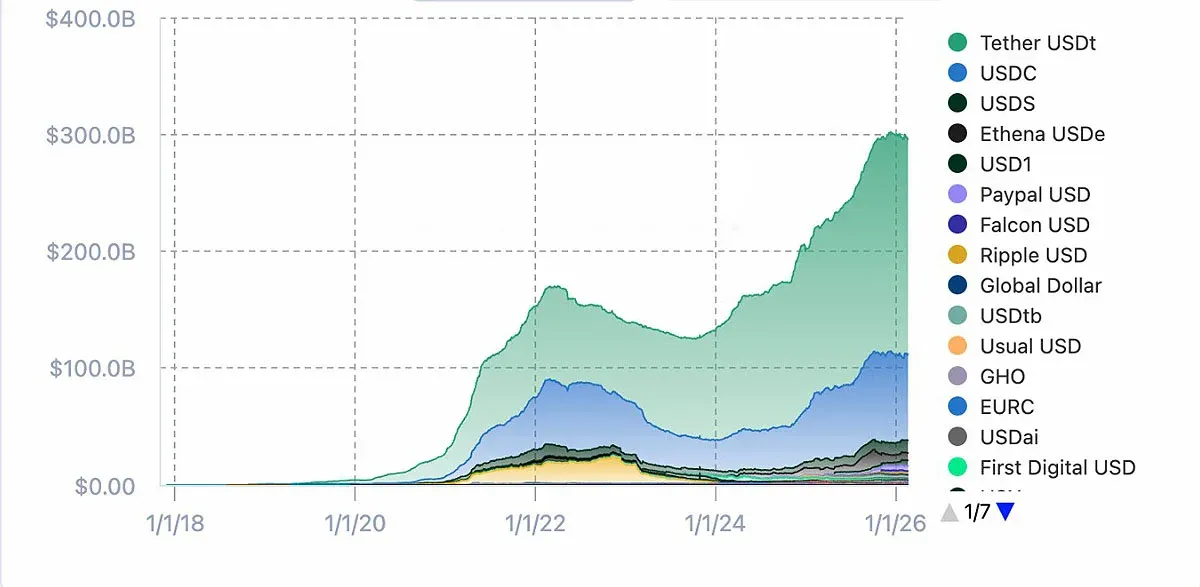
At the same time, the leading USD‑pegged stablecoin Tether (USDT) is witnessing its most pronounced monthly supply decline since the 2022 FTX incident. Data from CoinMarketCap shows the current circulating supply at $183.64 billion. Artemis’s statistics further highlight that the supply fell by $1.5 billion in February 2023, marking the second consecutive month of accelerated redemptions—January’s drop was $1.2 billion.
Market observers interpret the redemption wave as a possible early indicator of a broader contraction in the crypto ecosystem, with investors moving positions off‑chain or seeking alternative asset‑allocation routes. However, Tether’s spokesperson told *Cointelegraph* that these figures mainly reflect short‑term position adjustments rather than a sustained outflow of capital or a long‑term downturn. Note: In many jurisdictions, gains from crypto transactions may be subject to taxation; participants should consult local tax regulations.
Launch of FYUSD and Its Regulatory Compliance
Against this backdrop, digital‑asset firm New Frontier Labs, together with BitGo and the Trust Nations Association, have officially launched the USD‑backed token FYUSD targeted at Asian institutional investors, accompanied by custodial services. The token is specifically engineered to meet the compliance requirements set out in the GENIUS Act.
In its announcement, BitGo stated that FYUSD fully complies with the regulatory framework of the GENIUS Act, encompassing:
- A 1:1 reserve backing using cash deposits or short‑term U.S. Treasury securities held by the custodian;
- Strict anti‑money‑laundering (AML) protocols;
- Comprehensive “Know Your Customer” (KYC) verification procedures.
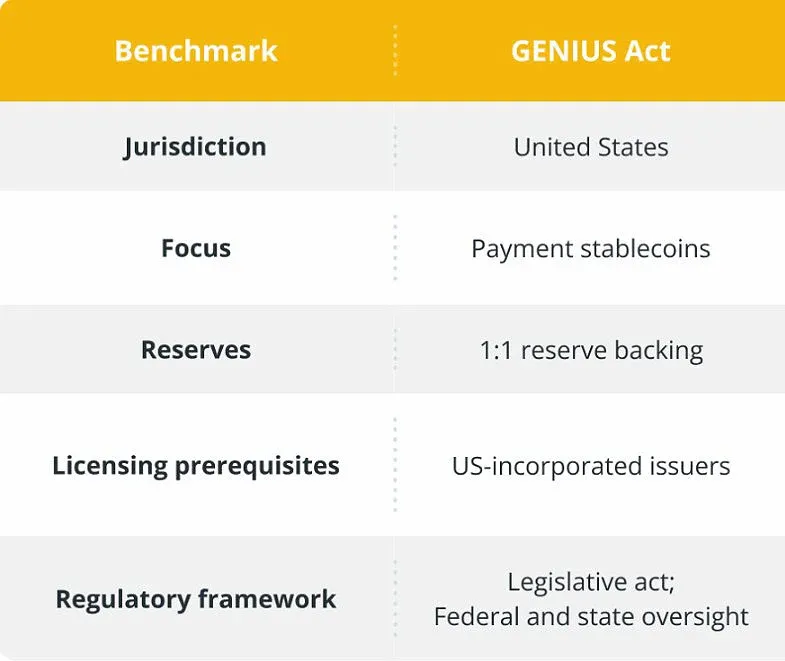
In addition, FYUSD embeds a programmable layer designed expressly for artificial‑intelligence‑driven commercial activities, aiming to provide AI agents with a flexible settlement mechanism in real‑world transactions.
“Fypher” Infrastructure and Programmable Settlement
To support the technical implementation of FYUSD, New Frontier Labs has developed a full suite of stablecoin infrastructure tools named “Fypher.” This toolkit supplies FYUSD with programmable settlement capabilities, enabling the token to execute commercial trades autonomously under the direction of AI agents, thereby improving transaction efficiency and reducing the need for manual intervention.
Positive Policy Reception
U.S. Treasury Secretary Scott Bentsen expressed approval of such stablecoins, noting that they can reinforce the global dominance of the U.S. dollar. Specific benefits highlighted include:
- Shortening cross‑border settlement times;
- Lowering transaction costs;
- Providing a more convenient avenue for users who cannot access traditional banking systems to obtain dollars.
Conclusion
In summary, BitGo’s appointment as the issuer of the FYUSD stablecoin introduces a new, pivotal role within the crypto landscape. The project satisfies the stringent GENIUS Act compliance requirements and leverages the “Fypher” platform to deliver innovative AI‑programmable settlement functionality. As the global stablecoin market experiences fluctuations and institutional demand rises, FYUSD is positioned to carve out a meaningful presence in the Asian market. For further in‑depth coverage of BitGo’s role as FYUSD issuer, follow the relevant sections on Bitaigen (比特根).
*For U.S. residents seeking to trade or hold stablecoins, Binance.US should be used instead of the global Binance platform. All fiat transactions referenced herein assume USD transfers via SEPA/SWIFT where applicable.*
💡 Register on Binance with referral code B2345 for the maximum trading fee discount. See Binance complete guide.
⚠️ Risk Disclaimer: Crypto prices are highly volatile. This is not investment advice.



