
 Bitaigen Research
 Most people feel overwhelmed by the sheer variety of cryptocurrencies available. Beyond the well‑known Bitcoin (BTC), there are stablecoins, major coins, platform tokens, virtual currencies and many other specialized terms. Below, we explore stablecoins—a specific class of digital assets.
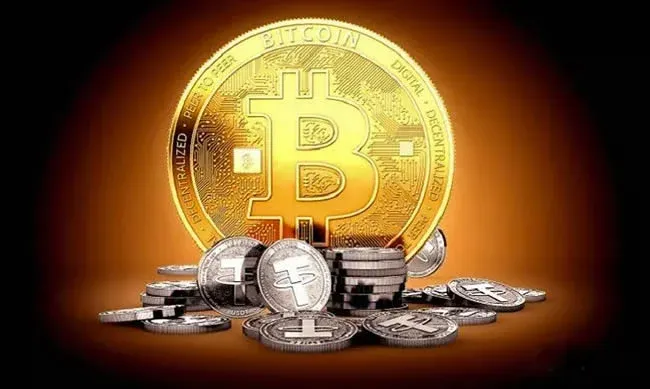
In this article we outline the core concepts behind stablecoins and highlight the ten representative projects that ranked highest by market capitalization in 2023. By dissecting their underlying peg mechanisms and use‑cases, readers can quickly gauge which stablecoins merit attention. Continue reading to obtain a complete overview of each coin’s characteristics and market performance.
What Is a Stablecoin?
A stablecoin is a cryptocurrency whose value is tied to a relatively stable asset such as the US dollar, euro, gold, or another commodity. Unlike most other crypto assets, a stablecoin’s price is designed to maintain a fixed relationship with its reserve asset (e.g., USD or gold), resulting in low volatility—hence the name “stablecoin.” It bridges the world of digital tokens and everyday fiat money, creating a form of crypto that is suitable for everyday commerce, exchanges, and other real‑world scenarios.
Which Stablecoins Ranked in the Top Ten by Market Cap in 2023?
The crypto ecosystem hosts many different stablecoins. Below is a snapshot of the ten with the largest market capitalizations in 2023:
1. USDT
Tether USD (USDT) is issued by Tether Ltd. and is pegged to the US dollar on a 1 USDT ≈ 1 USD basis. Holders can redeem USDT for USD at a 1:1 ratio at any time. Tether claims a full‑reserve model, meaning that for every USDT minted, an equivalent US $1 is held in the company’s bank accounts.
2. USDC
USD Coin (USDC) is a fully collateralised dollar‑pegged stablecoin that provides transparent accounting and audit reports and operates under U.S. regulatory oversight. USDC partners with numerous financial institutions and audit firms and is the first open‑source stablecoin launched by the Centre consortium.
3. DAI
DAI is the largest decentralized stablecoin on Ethereum, created and governed by MakerDAO. It achieves a 1:1 USD peg through on‑chain over‑collateralisation: users lock crypto assets as collateral to mint DAI, with 1 DAI ≈ 1 USD. Both individuals and institutions can use DAI for liquidity needs or borrowing.
4. TUSD
True USD (TUSD) is a dollar‑backed stablecoin where each issued TUSD is backed by an equivalent US $1 reserve. It offers reliable trading tools that help users and enterprises conduct foreign‑exchange conversions and other routine transactions.
5. BUSD
Binance USD (BUSD) is issued and custodised by Paxos Trust Company and regulated by the New York State Department of Financial Services. BUSD maintains a 1:1 redemption rate with the US dollar and can be traded on the Binance platform (U.S. users must use Binance.US).
6. FRAX
Frax Finance (FRAX) is a hybrid stablecoin that combines partial collateralisation with algorithmic supply adjustments. Its goal is to deliver a highly scalable decentralized currency. The collateral ratio changes with market price: when FRAX trades above $1, the system reduces the collateral requirement; when it falls below $1, the ratio is increased to preserve the peg.
7. USDD
USDD is issued by a DAO within the TRON ecosystem. It employs internal incentive mechanisms and economic policies to maintain a stable dollar peg. The design aims to keep the token’s price relatively steady during dollar‑price adjustments and to support its role as a settlement currency.
8. USDP
Formerly known as Pax Dollar, USDP is built around the US dollar and uses a mixed‑collateral model. Independent charitable foundations provide the reserves, regulatory bodies oversee operations, and third‑party accounting firms verify assets to ensure parity with the dollar.
9. FDUSD
First Digital USD (FDUSD) is a dollar‑pegged stablecoin issued by Hong Kong‑based FD121 Limited and marketed by First Digital Labs. FDUSD stores its USD reserves in dedicated bank accounts and is monitored in real time by independent auditors such as Prescient Assurance, guaranteeing a 1:1 peg.
10. GUSD
Gemini Dollar (GUSD) is launched by Gemini Trust Company, issued on the Ethereum blockchain, and pegged to the US dollar at a 1 GUSD = 1 USD rate. Independent accounting firms conduct monthly audits, and audit reports are published regularly.
Primary Functions of Stablecoins
Because crypto assets can experience large price swings, traders often need a relatively stable digital currency to preserve value. Stablecoins serve four major roles within the digital‑asset space:
1. Financial Services and Decentralized Applications (DeFi)
In DeFi ecosystems, stablecoins act as a store of value and a medium of exchange, enabling lending, borrowing, yield aggregation, insurance, and other financial activities. They also provide liquidity to decentralized exchanges and lending protocols.
2. Reducing Price‑Volatility Risk
The high volatility of most cryptocurrencies hinders many practical use cases. By anchoring to a stable asset, stablecoins deliver a relatively constant value, lowering risk in trading, settlement, and cross‑border transfers.
3. Enhancing Trading Liquidity
As a price‑stable crypto asset, stablecoins enjoy high liquidity on exchanges and financial platforms, allowing users to buy, sell, or move assets across chains quickly, thereby improving overall asset circulation efficiency.
4. Bridging Banks and Traditional Financial Institutions
Stablecoins can serve as a bridge between crypto finance and the conventional banking system, enabling banks and financial institutions to conduct payments, settlements, and asset management more conveniently and at lower cost.
Overall, the emergence of stablecoins addresses the volatility challenge inherent in crypto finance, providing a more reliable tool for asset management and transactions. They have become an indispensable component of the broader cryptocurrency ecosystem.
That concludes the full analysis of “What Is a Stablecoin? Which Stablecoins Ranked in the Top Ten by Market Cap in 2023?” For further information, please follow other articles from Bitaigen.
💡 Register on Binance with referral code B2345 for the maximum trading fee discount. See Binance complete guide.



