
 Bitaigen Research
 The token contract address refers to the unique identifier of that token on Ethereum or another public blockchain, composed of a string of hexadecimal characters. This address is not a personal wallet address; it is used to confirm the identity of the token contract itself. Knowing how to look up contract addresses helps investors verify a project's authenticity, assess potential risks, and provides a reliable basis when transferring assets or conducting audits. Below we systematically introduce the steps for finding contract addresses, their uniqueness characteristics, and ways to obtain related open‑source code.
In this article we systematically outline the paths for locating token contract addresses, explain the principle of their uniqueness, and provide practical examples along with ways to obtain open‑source code.
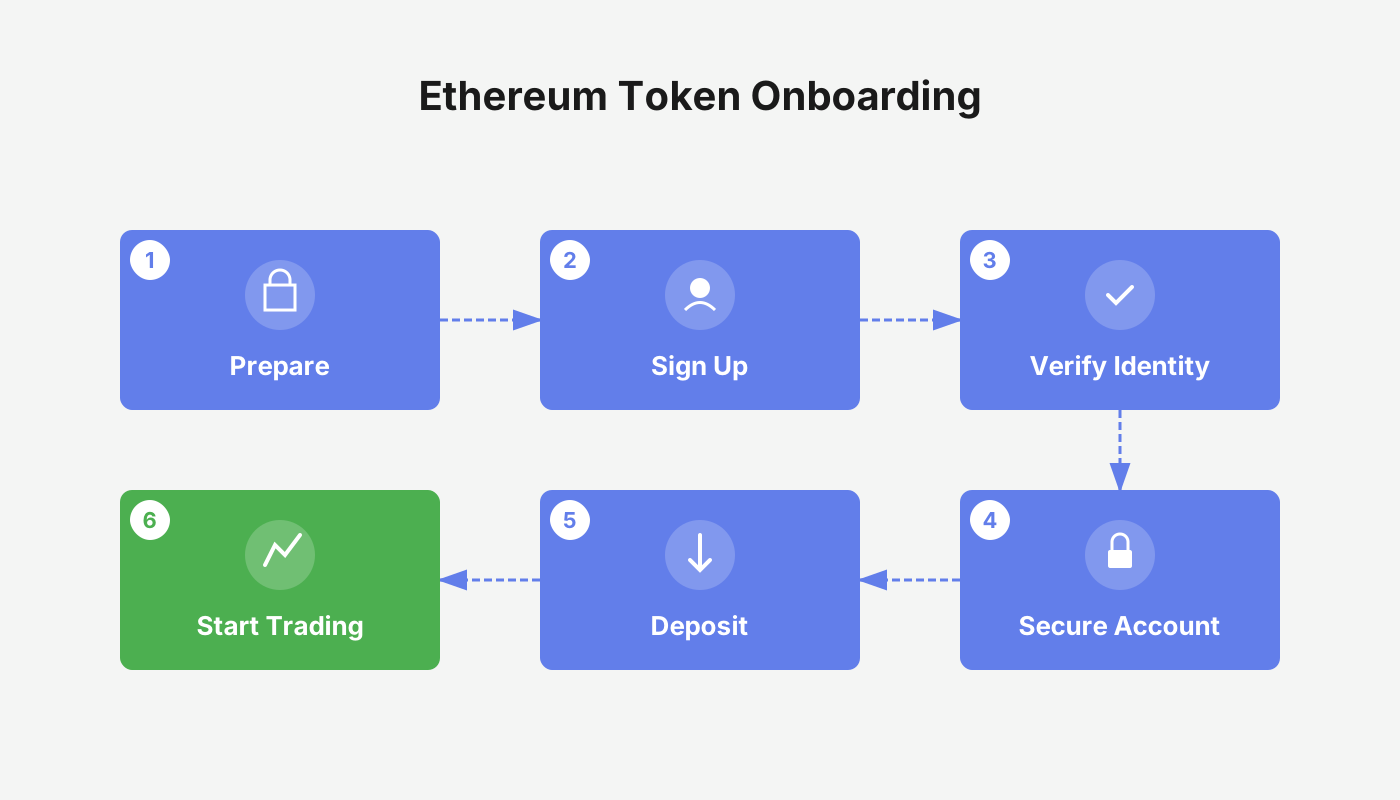
How to Quickly Obtain a Token’s Contract Address?
There are two main ways to obtain a contract address: via the blockchain explorer for the relevant chain, or by visiting the project's official website. Below we use the commonly known UNI token as an example to demonstrate the complete process of locating the contract address on an explorer.
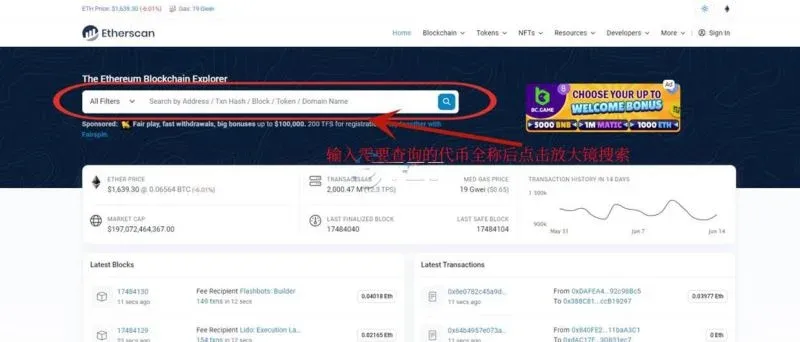
- Navigate to the homepage of Etherscan (the Ethereum blockchain explorer).
- Enter the token’s full name (e.g., “Uniswap”) into the search box at the top left of the page, then click the magnifying‑glass icon to search.
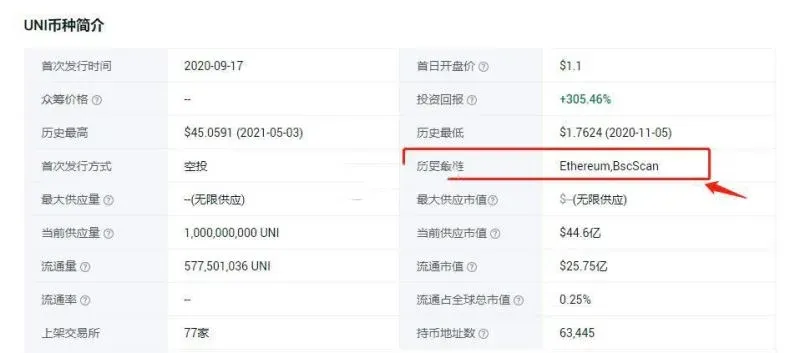
- If you are unsure which chain the token belongs to, first check the token’s description for the blockchain information. For example, UNI runs on the Ethereum network; if the token is also issued on BSC (Binance Smart Chain), you can query it separately using BscScan.
- Open the token’s detail page from the search results; the contract address is clearly displayed, for example UNI’s contract address is 0x1f9840a85d5aF5bf1D1762F925BDADdC4201F984.
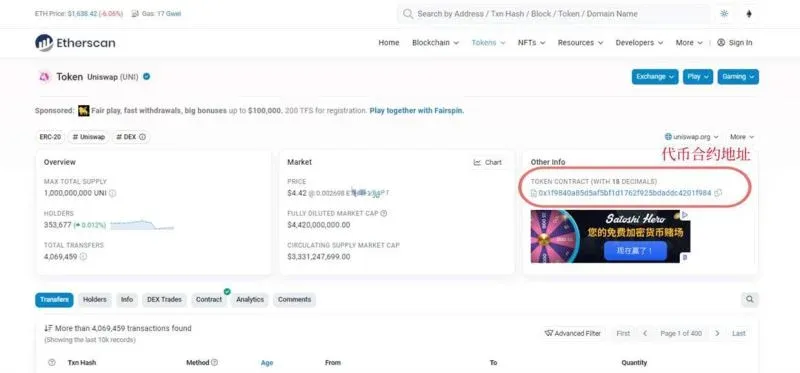
By following the steps above, whether on Ethereum or another chain, you can easily obtain the corresponding contract address by entering the token name into the appropriate blockchain explorer.
Can Contract Addresses Be Identical?
Different tokens must have distinct contract addresses. Each time a smart contract is deployed, the system generates a unique 40‑character hexadecimal string (typically prefixed with “0x”) using a hash function based on the contract code and deployment parameters. This string becomes the contract address. The one‑way nature of the hash function ensures that even with identical code, variations in deployment environment or parameters will produce different addresses, guaranteeing uniqueness on the blockchain.
Moreover, different blockchains have distinct address formats and rules. If the same token is deployed on both Ethereum and Binance Smart Chain, although the addresses look similar (both start with “0x”), they are independent because they belong to separate networks.
How to Review a Token’s Open‑Source Code?
To gain deeper insight into a token’s technical implementation, you can obtain its source code from the following channels:
| Channel | How to Obtain |
|---|---|
| **Official website** | Most projects provide source‑code links, documentation, and usage instructions on their site; visiting it gives you the latest code. |
| **GitHub (or other code‑hosting platform)** | Projects typically maintain a repository on GitHub; searching the token name will locate the appropriate codebase. |
| **Community forums / discussion groups** | Open‑source projects often have active communities; forums or mailing lists share source‑code URLs and answer technical questions. |
| **Directly contact the project team** | The README or the footer of the official site usually lists the author’s email or social media; you can request the code or further clarification. |
| ** |
Related Reading
- 2025 Ethereum DeFi Landscape: $7.9B Spot ETF Fuels Maturity
- Crypto Payment Gateways: Complete Guide for Businesses
- Understanding Cryptocurrency Gas Fees: Ethereum, Gwei & More
💡 Register on Binance with referral code B2345 for the maximum trading fee discount. See Binance complete guide.



