
 Bitaigen Research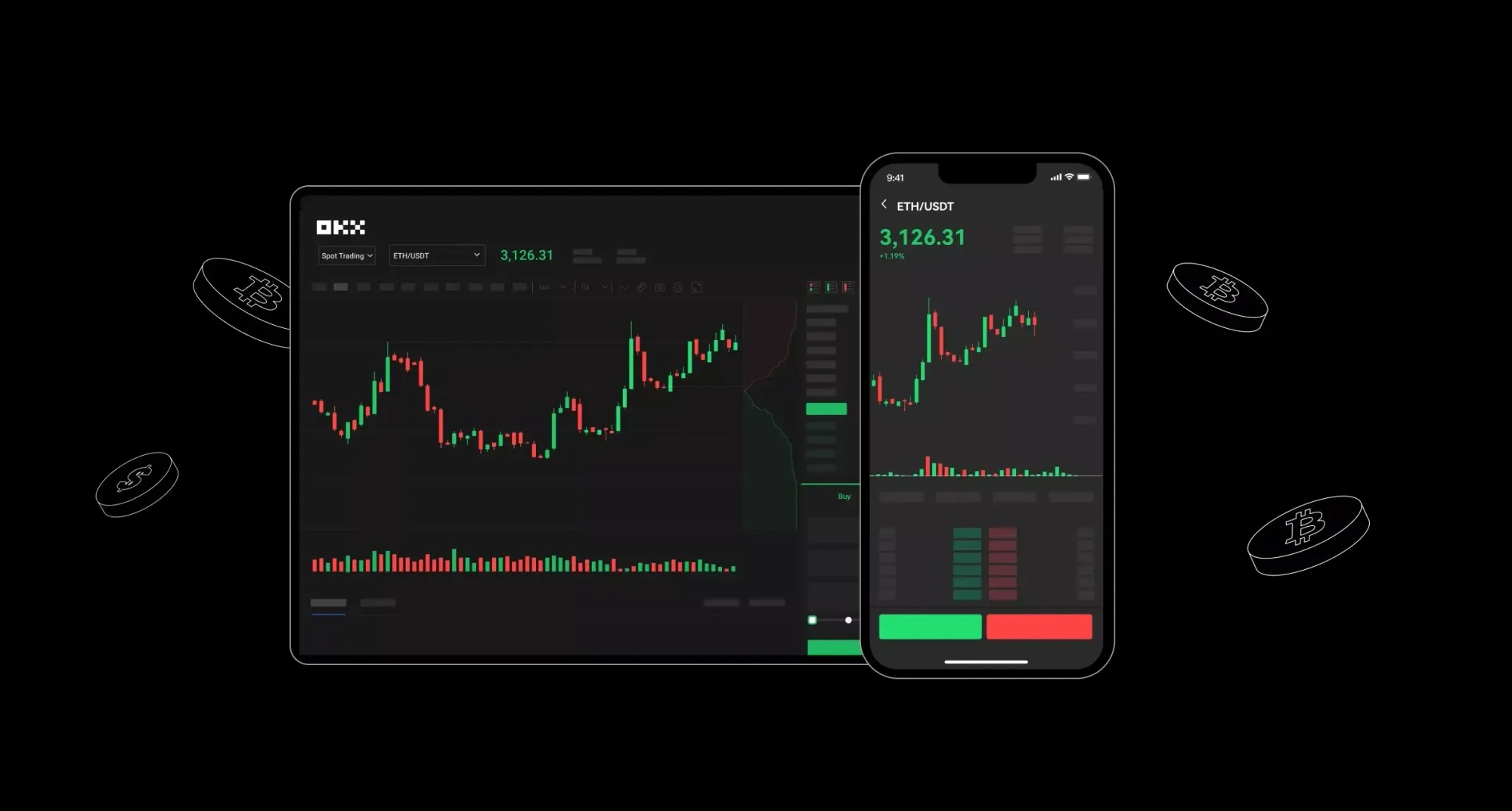
We have compiled the ten blockchain exchange apps that currently enjoy the best user reputation and security performance, focusing on functional completeness, fee structures, and community activity. This guide will help you quickly identify a mobile trading tool that matches your needs; the following sections also contain more detailed usage recommendations, so a careful read is worthwhile.
The Importance of Blockchain Apps
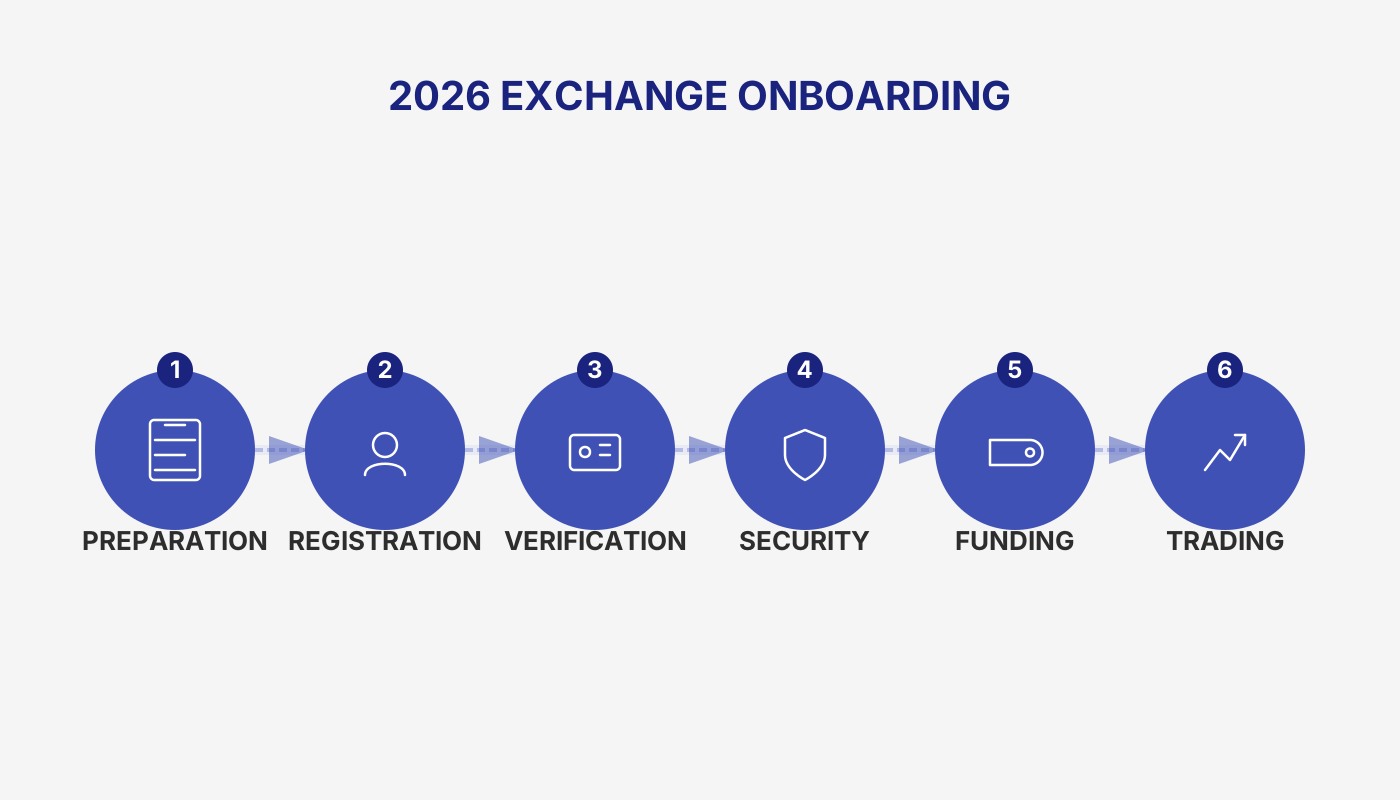
In the digital‑asset ecosystem, mobile blockchain applications have become the primary gateway for users to enter the on‑chain world. With the widespread adoption of 5G networks and the increasing power of smartphones, blockchain apps in 2026 are no longer limited to a single wallet function; they have evolved into comprehensive platforms that combine trading, wealth management, social features, news, and more. When selecting a suitable app, you should pay particular attention to the following dimensions:
- Security safeguards – e.g., hot‑cold wallet separation, two‑factor authentication.
- Functional completeness – support for spot trading, derivatives, DeFi, NFTs, etc.
- User experience – interface smoothness, language support.
- Community vitality – update frequency, user feedback.
Part 1: What Are Cryptocurrency Trading Fees? Why Do They Exist?
Fees are an unavoidable component of every cryptocurrency trading platform. Exchanges collect fees to cover operating costs, provide liquidity, and compensate on‑chain miners. The following sections explain the sources and significance of these fees from several angles.
What Is a Cryptocurrency Trading Fee?
When a user executes a buy, sell, transfer, or participates in other financial instruments on a platform, the system charges a percentage based on a predefined rate. These fees are typically disclosed in the platform’s “fee schedule,” and common fee ranges include:
- Spot‑trading fees generally fall between 0.05 %–0.25 %.
- Every on‑chain withdrawal incurs a corresponding network (withdrawal) fee.
- Some platforms charge separate fees for leveraged trading, futures, staking, and other services.
Many platforms lower costs for newcomers through welcome‑user discounts, volume‑rebate programs, or other incentives to improve user retention.
Retail vs. VIP Cryptocurrency Trading Fees
Most exchanges operate a tiered VIP system. Retail (non‑VIP) users face higher rates, while traders who reach certain volume thresholds or hold the exchange’s native token can be promoted to VIP status and enjoy lower fees. For example:
- A non‑VIP user might pay a spot‑trading fee of 0.10 %.
- Upon reaching VIP 1, the same fee could drop to 0.04 %–0.05 %.
Promotion criteria differ across platforms; typical requirements include completing a specified trading volume within a 30‑day window or maintaining a minimum account balance.
Overview of Fee Types
| Fee Name | Description |
|---|---|
| **Funding Fee** | Periodic payment exchanged between long and short positions on perpetual contracts; settled every 8 hours. |
| **Maker / Taker** | Makers provide liquidity by posting limit orders (usually cheaper); Takers remove liquidity by market orders (usually more expensive). |
| **Spread Fee** | Some platforms embed a fee directly into the bid‑ask spread, often higher than a pure maker‑taker model. |
| **Miner Fee** | On‑chain transaction fee paid to miners (or validators), especially relevant for Ethereum and other congested networks. |
| **Deposit / Withdrawal Fee** | Costs incurred when moving assets across chains or sending them to an external wallet. |
| **Staking Fee** | Management fee deducted from staking rewards, typically expressed as an annualized percentage. |
| **Liquidation Fee** | Charged when a position is automatically closed due to insufficient margin. |
| **Leverage Fee** | Includes issuance, redemption, and daily management fees for leveraged tokens. |
| **Copy‑Trading Fee** | Fee or revenue share taken by the platform when you mirror another trader’s strategy. |
| **Lending / Borrowing Fee** | Interest paid when lending out or borrowing assets. |
| **NFT Fee** | Miner fee plus platform fee incurred when minting, listing, or trading NFTs. |
All of these fees ultimately flow to the miners (or validators) who secure the blockchain or to the exchange’s operational budget, and they represent normal costs of financial services.
Tax note: Cryptocurrency gains may be subject to tax in many jurisdictions. Users should consult local tax regulations or a professional advisor to determine their obligations.
Part 2: How to Choose the Most Cost‑Effective Exchange for Low Trading Fees
Active traders often use fee structures as a primary factor when selecting an exchange. The following steps can help you identify a platform with relatively favorable costs:
- Check the fee schedule: Most exchanges publish spot and derivatives maker/taker rates on their websites.
- Evaluate the VIP mechanism: Understand the trading‑volume or holding requirements needed to upgrade your VIP tier and assess whether you can achieve them in the short term.
- Compare fees across assets: Some platforms offer lower rates for popular coins (e.g., BTC, ETH) while charging higher fees for niche tokens.
- Watch for promotional discounts: First‑month new‑user discounts, native‑token fee rebates, and other offers can substantially reduce costs.
Below are example fee tables for several leading platforms, showing base spot and derivatives rates for regular users and VIP 1‑3 tiers (numbers are illustrative and may change).
Bybit Fees (Spot & Derivatives)
| Tier | Maker | Taker |
|---|---|---|
| Regular | 0.10 % | 0.10 % |
| VIP 1 | 0.04 % | 0.06 % |
| VIP 2 | 0.025 % | 0.05 % |
| VIP 3 | 0.02 % | 0.045 % |
Binance Fees (Spot & Derivatives)
| Tier | Maker | Taker |
|---|---|---|
| Regular | 0.10 % | 0.10 % |
| VIP 1 | 0.09 % | 0.09 % |
| VIP 2 | 0.08 % | 0.08 % |
| VIP 3 | 0.07 % | 0.07 % |
Important for U.S. users: Binance’s global platform is not available in the United States; U.S. residents should use Binance.US for compliant access.
OKX Fees (Spot & Derivatives)
| Tier | Maker | Taker |
|---|---|---|
| Regular | 0.08 % | 0.10 % |
| VIP 1 | 0.06 % | 0.08 % |
| VIP 2 | 0.04 % | 0.06 % |
| VIP 3 | 0.02 % | 0.04 % |
From this comparison, Bybit offers the most competitive rates at higher VIP levels, making it attractive for cost‑sensitive high‑frequency traders.
Top Ten Blockchain Apps in the Crypto Space (2026)
The following list highlights ten mobile blockchain applications that stand out in 2026 based on user base, technical strength, reputation, and innovation. Rankings are derived from current trends and are provided for reference only.
1. Binance App
- Rating: 9.8/10
- Overview: The official mobile client of Binance, the world’s largest exchange by volume. In 2026, active users are projected to exceed 300 million. Supports spot, futures, options, NFT marketplace, and staking.
- Core Strengths: Hundreds of trading pairs, fees as low as 0.1 % (further discounts with BNB), built‑in BNB Chain wallet, multilingual support.
- Weaknesses: Users in mainland China need a VPN; some features are restricted.
- Best For: Traders seeking a diversified ecosystem and full‑stack services.
Registration and Download
- Official website: Binance Global (for non‑U.S. users)
- Android download: Binance Official App (APK)
- iOS instructions are provided at the end of this article.
U.S. residents: Access the platform via Binance.US rather than the global Binance site.
2. Coinbase App
- Rating: 9.5/10
- Overview: The most regulated U.S. exchange, renowned for security and compliance, supporting BTC, ETH, SOL, and other major assets.
- Core Strengths: Clean interface, fiat on‑ramps via USD (SEPA/SWIFT for EUR and other currencies), insurance coverage for stored assets.
- Weaknesses: Higher fees (typically 0.5 %–1 %) and a more limited coin selection.
- Best For: Beginners or investors who prioritize regulatory compliance and custodial protection.

3. OKX App
- Rating: 9.4/10
- Overview: The mobile offering of OKX (formerly OKEx), with strong growth in the APAC region in 2026. Provides spot, margin, futures, NFTs, and DeFi services.
- Core Strengths: Fees as low as 0.08 %–0.10 %, multi‑chain wallet, built‑in quantitative trading tools.
- Weaknesses: Some advanced features require an overseas account; brand awareness is slightly lower than Binance’s.
- Best For: Intermediate to advanced traders, especially those interested in derivatives.
4. Trust Wallet
- Rating: 9.2/10
- Overview: Binance‑owned decentralized wallet supporting hundreds of blockchain assets and a built‑in DApp browser.
- Core Strengths: Private keys stored locally, cross‑chain transfers, NFT management, staking options.
- Weaknesses: Trading functions rely on external exchanges; limited native buying/selling capability.
- Best For: Users who prioritize asset security and frequent interaction with on‑chain DApps.
5. MetaMask
- Rating: 9.0/10
- Overview: The most popular Ethereum wallet, expanded by 2026 to support Polygon, BSC, and other EVM‑compatible chains.
- Core Strengths: ERC‑20 support, integrated browser for direct access to DeFi and NFT platforms, open‑source code.
- Weaknesses: Steeper learning curve for newcomers; mobile features lag behind the desktop version.
- Best For: Deep‑eaters of the Ethereum ecosystem and DeFi professionals.

6. Huobi (HTX) App
- Rating: 8.9/10
- Overview: The official mobile client of Huobi (now HTX), maintaining a competitive edge in the global market in 2026. Offers spot, futures, NFTs, and on‑chain wealth‑management products.
- Core Strengths: Multilingual support, hot‑cold wallet separation, active NFT marketplace.
- Weaknesses: Base fee starts at 0.2 %, and access for mainland Chinese users is restricted.
- Best For: Asian investors who focus on NFTs and on‑chain financial products.

7. Gate.io App
- Rating: 8.8/10
- Overview: The mobile version of Gate.io, known in 2026 for an extensive list of over 1,000 crypto assets.
- Core Strengths: Fees as low as 0.15 %, Chinese language interface, built‑in wallet.
- Weaknesses: Liquidity is modest compared with top‑tier exchanges; customer‑service response times could improve.
- Best For: Adventurous traders seeking emerging projects and low‑cost execution.
8. KuCoin App
- Rating: 8.7/10
- Overview: Marketed as a “new‑coin hunter,” KuCoin offers spot, futures, staking, and an NFT marketplace.
- Core Strengths: Over 800 trading pairs, fees starting at 0.1 %, support for new‑coin listings and IEOs.
- Weaknesses: Regulatory standing is weaker than some competitors; security continues to evolve.
- Best For: Users who like to discover potential‑high‑growth tokens and prefer lower fees.
9. Crypto.com App
- Rating: 8.6/10
- Overview: An integrated ecosystem covering trading, a custodial wallet, a crypto‑backed credit card, and an NFT marketplace.
- Core Strengths: Easy fiat on‑ramps (USD, EUR via SEPA/SWIFT), a rich CRO ecosystem, everyday payment use cases.
- Weaknesses: Median fees (0.4 % minimum) and a comparatively limited coin selection.
- Best For: Users who want to blend crypto assets with daily spending.
10. Bybit App
- Rating: 8.5/10
- Overview: Bybit centers on derivatives trading, supporting futures and leveraged products for major coins such as BTC and ETH.
- Core Strengths: Maker fees as low as 0.01 %, stable matching engine, professional‑grade UI.
- Weaknesses: Spot‑trading features are limited; the learning curve is steep for beginners.
- Best For: Professional traders and investors who need advanced contract products.
11. Bitget App
- Rating: 8.5/10
- Overview: In 2026, Bitget continues to deepen its derivatives offering, supporting 500+ assets and holding multiple regulatory licenses (Canada, United States, Australia, etc.).
- Core Strengths: Low maker fee (0.01 %), robust trading engine, extensive wealth‑management and contract‑strategy tools.
- Weaknesses: Spot‑trading depth is limited; onboarding requirements are relatively high.
- Best For: Traders needing diverse contract tools and who value regulatory compliance.
Registration and Download
- Official website: Bitget Global (for non‑Chinese users)
- Android/iOS download links are listed at the end of this article.
Global Crypto‑Exchange Rankings (Spot + Derivatives, as of 2026‑03‑28)
Latest Global Spot‑Trading Exchange Leaderboard
Data source: CoinMarketCap (composite score based on traffic, liquidity, trading volume, and reporting reliability)
| Rank | Exchange | 24‑h Volume (USD) | Avg. Liquidity | Weekly Visits | Fiat Support | Notes |
|---|---|---|---|---|---|---|
| 1 | [Binance](https://www.bitaigen.com/binance) | $11,540,355,910 | 9,129 | 150,960 |
Related Reading
- BitoPro Review: Security, Fees & How to Use the Exchange
- LBank Review: $3B Daily Volume & 800+ Crypto Assets
- OKX Review 2024: Features, Security, Fees & Usage
💡 Register on Binance with referral code B2345 for the maximum trading fee discount. See Binance complete guide.



