
 Bitaigen Research
 To ensure the safety of transactions, investors are generally advised to use bank cards for cryptocurrency purchases rather than channels that can be easily frozen such as WeChat Pay or Alipay. Nevertheless, many investors still wonder: Will buying crypto with a bank card get frozen? Is it really safe?
Purchasing cryptocurrency with a bank card can trigger a freeze if the transaction is large or unusually frequent; the safety of the activity depends on the compliance of the chosen platform and the method of trading.
In this article we outline the freezing risks that may arise when buying cryptocurrency with a bank card, analyze bank supervision, exchange compliance, and common misconceptions. By dissecting large‑value trades, frequent activity, and anti‑money‑laundering (AML) policies, we help readers judge which approaches are safer and how to avoid having their accounts locked. For practical prevention tips, please continue reading.
Will a bank card purchase of cryptocurrency be frozen?
The main reasons a bank‑card crypto purchase can be frozen include:
- Large‑value transactions
- When a substantial amount of cryptocurrency is bought or sold via a bank card, the bank may flag the activity as abnormal and freeze the account for security verification.
- Frequent trading activity
- A high frequency of small‑value trades can also attract the bank’s attention, especially when the transactions are linked to a crypto exchange.
- Bank policies
- Some banks adopt a cautious stance toward digital assets and may restrict or directly freeze transactions involving cryptocurrencies.
- Anti‑Money‑Laundering (AML) and Know‑Your‑Customer (KYC) requirements
- To comply with regulatory obligations, banks conduct stricter scrutiny of accounts that deal with crypto assets.
- Exchange‑related risks
- If the exchange you use is involved in illicit activities or suffers a security breach, the bank may also freeze the related transaction accounts.
Is buying cryptocurrency with a bank card really safe?
A bank‑card crypto purchase is not absolutely safe; the freezing risk depends on multiple factors. The following points can help lower that risk:
- Choose a compliant exchange
Regulated exchanges typically maintain good relationships with banks, require users to complete identity verification, and keep transparent transaction records. For example, Binance (US users should use Binance.US), OKX, and other platforms operating under a regulatory framework can reduce the likelihood of a bank flagging the activity as suspicious.
- Avoid abnormal trading behavior
- Keep individual transaction amounts moderate; avoid a single, massive purchase.
- Space out trades to prevent a flurry of activity within a short period.
- Check the exchange’s credentials
Research the platform’s registration details, user reviews, and any certifications from supervisory authorities to avoid using illicit services that could lead to a locked account.
- Understand local regulatory policies
Jurisdictions differ widely in their approach to digital assets. Familiarity with the rules in your country or region helps you select a compliant trading channel and choose appropriate fiat‑on‑ramp methods such as USD transfers via SEPA or SWIFT.
Tax note: Cryptocurrency gains may be taxable in your jurisdiction. Be sure to consult local tax regulations and report any realized profits accordingly.
Relationship between crypto KYC and bank‑card binding
Crypto KYC (Know‑Your‑Customer) verification and bank‑card linking form complementary safety channels: the former confirms identity, while the latter provides a conduit for funds. Below are the steps to complete KYC and bind a payment method on the OKX exchange:
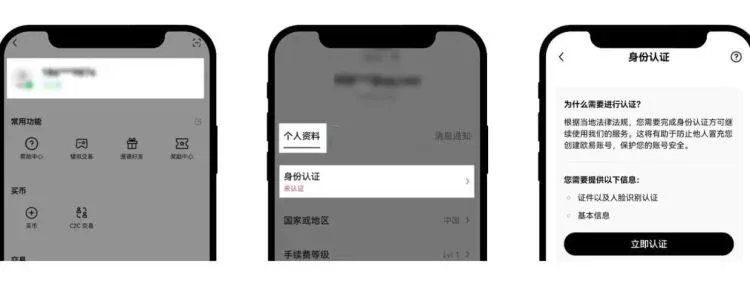
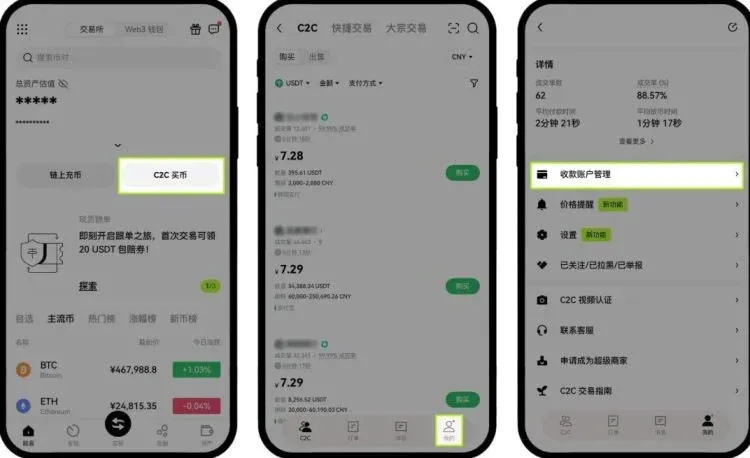
- Open the OKX App (or register here**), go to *User Center → Identity Verification → Verify Now*, upload the front and back of your ID card, and complete facial recognition.
- Perform video verification on the C2C Buy Crypto page: open the OKX App, navigate to *C2C Trading → My → Video Verification → Start Recording*. Enable microphone and camera; after the system reads the risk disclaimer, follow the prompts to finish recording and submit for review.
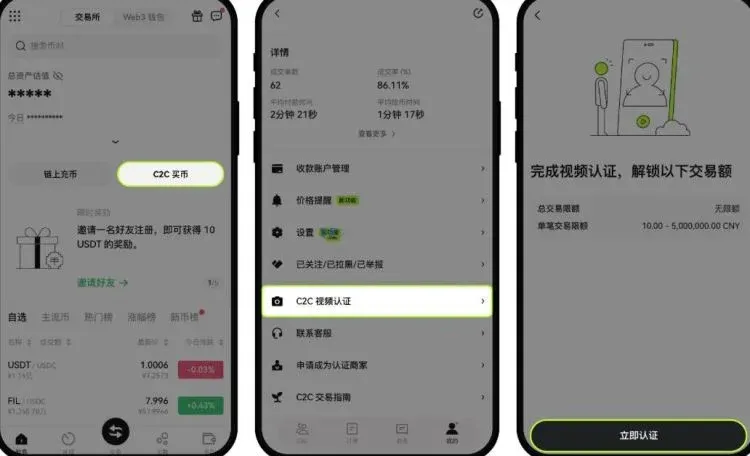
- Open the OKX App, go to *C2C Buy Crypto → My → Payment Account Management*.
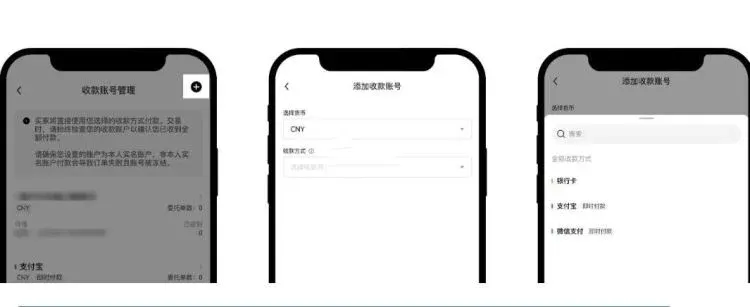
- Tap the “+” in the upper‑right corner, select Currency and Payment Method (Bank card, Alipay, WeChat Pay), and fill in the required information to complete the binding.
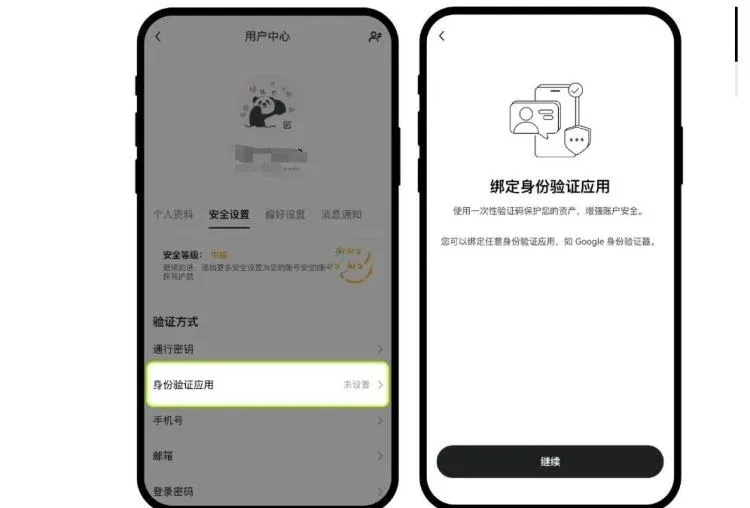
- If you need to change the linked phone number or email, go to *User Center → Security Settings → Phone/Email* and follow the prompts to update.
Practical tips to reduce the risk of a frozen bank card
- Trade during high‑volume periods – buying when market activity is strong can lower the chance of triggering abnormal‑activity monitoring.
- Use a regulated platform and keep all account information complete and truthful.
- Monitor regulatory updates regularly – adjust your trading approach promptly to stay aligned with evolving policies.
While using a bank card to purchase cryptocurrency does carry some risk, selecting a compliant exchange, staying informed about local regulations, and adhering to disciplined trading practices can substantially lower the probability of a frozen account. As industry supervision continues to mature, investors should keep abreast of the latest legal developments and plan their trading strategies accordingly.
This concludes the full analysis of “Will buying cryptocurrency with a bank card get frozen? Is it really safe?” For more information on whether a bank‑card crypto purchase might be frozen, please follow other articles from Bitaigen.
Related Reading
- Liquid Staking Tokens vs LP Staking: Key Differences Explained
- Cryptocurrency Contract Addresses: Why Accuracy Matters
- 5 DeFi Trends & 14 Projects to Watch in 2024
💡 Register on Binance with referral code B2345 for the maximum trading fee discount. See Binance complete guide.



