
 Bitaigen Research
In this article we systematically review the concept of cryptocurrency burning, its technical implementation, and its role within ecosystems. The goal is to help readers clear up common misconceptions, understand the potential effects on supply‑demand dynamics, token value, and network security. By walking through multi‑chain case studies, you will grasp how different burning mechanisms operate and gain a reference point for future decision‑making. Keep reading for the complete panorama.
Introduction
In the blockchain world, “burning” a token is a fairly common operation that is nonetheless often misunderstood. Each network decides—based on its own protocol—whether burning is permitted and how it should be carried out, which leads to noticeable differences in how chains handle their native assets. This article provides a systematic overview of token burning: its definition, technical realization, typical use cases, and the possible ramifications for the broader ecosystem.
A Historical Overview of Cryptocurrency Burning
The burning mechanism first appeared in 2017 and saw rapid adoption throughout 2018. Early adopters such as Binance Coin (BNB), Bitcoin Cash (BCH), and Stellar (XLM) employed the technique with the aim of boosting token value by reducing the circulating supply. Binance has performed multiple burns, trimming roughly 100 million BNB from circulation. By the end of 2019, Stellar had destroyed about 550 billion XLM—approximately half of its total supply. In 2021, Shiba Inu (SHIB) donated nearly half of its token holdings to Ethereum co‑founder Vitalik Buterin, who subsequently burned 90 % of that allocation. More recently, Ethereum introduced a “partial transaction‑fee burn” mechanism, further removing ETH from the active supply.
What Is Cryptocurrency Burning?
In simple terms, burning refers to the permanent removal of a token or coin from the circulating ecosystem, rendering it unrecoverable forever. Unlike assets that are lost accidentally (e.g., through a misplaced private key), burning is a deliberate, irreversible action. In most cases, project teams initiate burns to achieve specific network objectives such as enhancing security or adjusting supply.
Technical Ways to Implement a Burn
Blockchains can achieve token burning through a variety of methods. The most common approaches include:
- Sending to a keyless address: Tokens are transferred to a special address for which no private key exists, making the funds permanently inaccessible. Even chains that do not natively support burning—such as Bitcoin—can simulate a burn by using this technique.
- On‑chain built‑in burn instruction: Certain platforms (e.g., Binance Chain) expose a function in their smart‑contract layer that directly deducts the specified amount from a holder’s balance. Users simply submit the quantity to be burned, and the protocol handles the removal.
- Automatically triggered conditions: For example, Ethereum automatically burns a portion of the gas fee on every transaction; some projects also provide a dedicated burn portal that lets community members submit burn requests themselves.
All of these methods share a common property: once tokens enter an irretrievable state, the blockchain records a permanent proof of the burn.
Why Burn Tokens?
The motivations behind burning are diverse and can generally be grouped into the following categories:
1. Proof‑of‑Burn (PoB)
Proof‑of‑Burn is a relatively niche consensus model. Participants destroy a certain amount of tokens in order to earn the right to validate blocks or produce new coins. The more tokens burned, the higher the probability of obtaining validation rights. This mechanism not only creates a barrier against attacks but also turns the act of burning itself into a cost that must be paid to receive rewards.
2. Mitigating Spam and DDoS Attacks
On some chains, executing a transaction requires paying a fee that is automatically burned. An attacker would therefore need to spend real tokens to flood the network with requests, which raises the economic cost of spam and helps deter distributed denial‑of‑service (DDoS) attacks.
3. Enhancing or Preserving Token Value
According to basic supply‑and‑demand economics, reducing the circulating supply while demand remains steady—or rises—can exert upward pressure on price. This mirrors the traditional finance practice of share buy‑backs and stock retirements. It is important to note that any price effect is not instantaneous and remains subject to market sentiment, macro‑economic factors, and other variables.
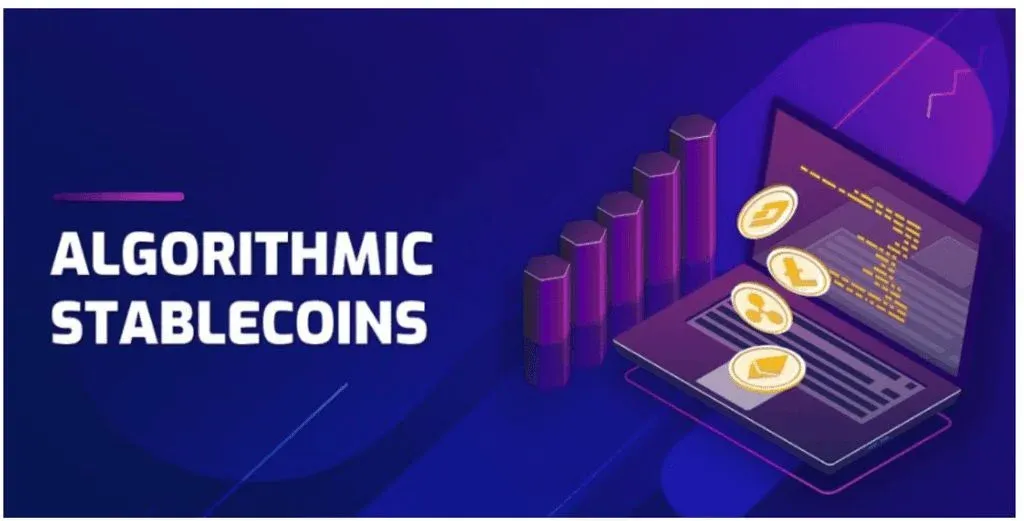
4. Algorithmic Stablecoins
Algorithmic stablecoins maintain a peg to an anchor asset (e.g., the US Dollar) by dynamically adjusting supply. When the market price falls below the target, the protocol destroys a portion of the tokens to tighten supply; when the price rises above the target, new tokens are minted.
5. Signaling Long‑Term Commitment
Many projects embed periodic burn rules directly into their smart contracts to demonstrate a commitment to scarcity and long‑term development. Such mechanisms can strengthen holder confidence and attract new participants who value transparent supply management.
6. Balancing Miners or Validators
In PoB‑type chains, token burning is often paired with the minting of new coins. This arrangement rewards early participants while still providing entry opportunities for newcomers, thereby sustaining ecosystem vitality.
Why Doesn’t Bitcoin Use a Burning Mechanism?
Bitcoin’s design does not include a dedicated burn function for two main reasons:
- Fixed supply cap: Bitcoin’s total supply is hard‑capped at 21 million coins, and the protocol enforces a halving event every 210 000 blocks, naturally tightening supply over time.
- Simplified on‑chain governance: Bitcoin prefers to adjust its economic model through consensus upgrades rather than internal burning procedures.
Nevertheless, some projects have leveraged the Bitcoin network to perform “burns.” Counterparty, for instance, sent 2 124 BTC to an address with no known private key in order to generate its native token XCP.
Can Individuals Burn Their Own Bitcoin?
From a technical standpoint, yes—you can send Bitcoin to an invalid or non‑existent private‑key address, effectively destroying it. Counterparty’s burn address `1CounterpartyXXXXXXXXXXXXXXXUWLpVr` is a classic example. It is worth noting that there is no official, universally recognized Bitcoin burn address provided for public use.
Tax note: In many jurisdictions, the act of permanently removing cryptocurrency from circulation may still be treated as a taxable event (e.g., a disposal). Users should consult local tax regulations or a qualified advisor to determine any reporting obligations.
Frequently Asked Questions
What is Proof‑of‑Burn?
Proof‑of‑Burn is a consensus mechanism where participants destroy tokens to obtain the right to write blocks or validate transactions. While Bitcoin itself does not implement PoB, Bitcoin‑based projects like Counterparty can simulate the process by burning BTC to create their own tokens.
How Much Bitcoin Has Actually Been Burned?
The only officially documented burn is the 2 124 BTC destroyed by Counterparty. If we also count bitcoins that have become permanently inaccessible due to accidental loss, hardware failure, or lost private keys, the figure could exceed one million BTC. For example, UK investor James Howells reportedly lost a hard drive containing about 7 500 BTC.
Does Burning Automatically Raise the Price?
Burning reduces the circulating supply, which *theoretically* supports price appreciation if demand stays constant or climbs. In practice, price movements are also influenced by macro‑economic conditions, investor sentiment, regulatory news, and other market dynamics.
What Happens to Tokens After They Are Burned?
Once tokens are sent to an irrecoverable address, they are permanently removed from circulation and cannot be spent again. Therefore, double‑check destination addresses before initiating any transfer.
Which Chains Support Token Burning?
Currently, many chains provide native burning capabilities, including Ethereum, Binance Chain, Stellar, Shiba Inu, Filecoin, and several others. For instance, Binance Chain automatically burns a portion of BNB as part of each transaction fee.
Is Burning Good or Bad?
From a macro perspective, burning can help regulate supply, increase scarcity, and, for algorithmic stablecoins, maintain price pegs. In PoB‑based networks, burning also serves as a security layer and an incentive mechanism. Nonetheless, investors should evaluate the overall economic model of each project before forming an opinion.
Conclusion
Token burning is a supply‑control technique that permanently locks assets in a keyless address or via on‑chain instructions. Different blockchains decide whether to adopt burning and which method to use based on their specific goals. Common objectives include value enhancement, stablecoin peg maintenance, network security, and signaling long‑term commitment. Understanding these mechanisms equips participants with a more rational basis for navigating the crypto ecosystem.
Reference Q&A
What Is Bitcoin Proof‑of‑Burn?
Proof‑of‑Burn is a model that lets miners or validators earn the right to write blocks by destroying the tokens they hold. Bitcoin itself does not offer this feature, but Bitcoin‑derived projects such as Counterparty can send BTC to a keyless address to “burn” it and subsequently mint a new token.
Does Bitcoin Actively Burn Tokens?
The Bitcoin protocol has no built‑in burn function. However, individuals can voluntarily destroy Bitcoin by sending it to an invalid address. The case of James Howells discarding a hard drive containing roughly 7 500 BTC can also be viewed as a form of burning.
Which Cryptocurrencies Implement Burning?
A number of chains—including Ethereum, Binance Chain, Stellar, Shiba Inu, Filecoin, and others—provide token or coin burning features. Some even automate fee burning as part of normal transaction processing.
---
For more detailed coverage of cryptocurrency burning, stay tuned to Bitaigen (比特根)’s future reports.
💡 Register on Binance with referral code B2345 for the maximum trading fee discount. See Binance complete guide.



