
 Bitaigen Research
 We systematically review the five leading cross‑chain bridges from the perspectives of technical implementation, risk control, and user experience, helping readers quickly determine which bridge best fits their asset migration needs. The article reveals each bridge’s core mechanism, compatible chain coverage, and security highlights, enabling efficient asset flow in a multi‑chain ecosystem.
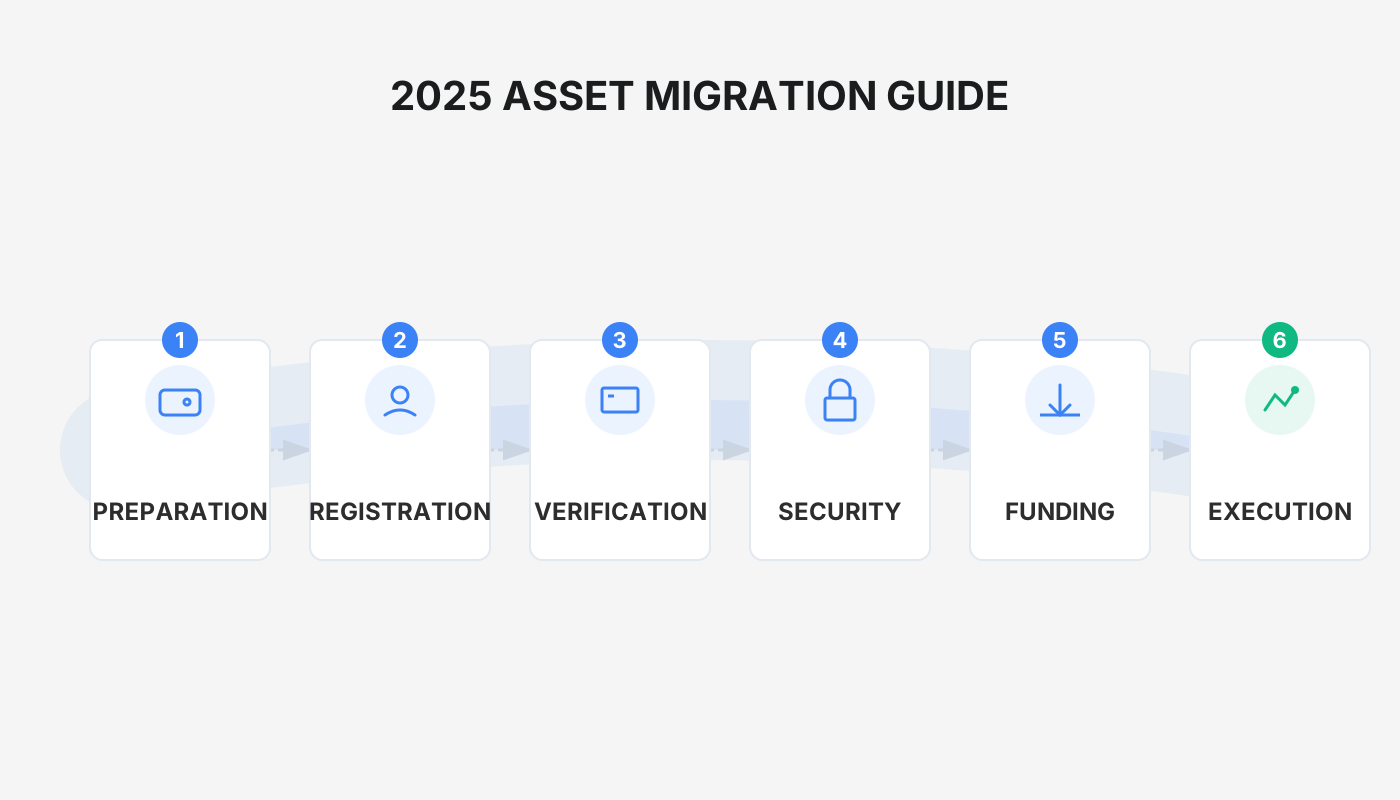
2025 Cross‑Chain Bridge Selection Guide – Full Analysis of the Five Major Bridges
Cross‑chain interoperability remains an unavoidable technical challenge in the blockchain ecosystem. With Ethereum still accounting for more than half of the total value locked (approximately 56.25 %), the remaining assets are scattered across dozens of emerging layer‑1 chains and Layer‑2 networks. To capture higher yields on those chains, assets must be moved to the corresponding networks, and cross‑chain bridges are the most common tools for that purpose. Below we discuss why cross‑chain is needed, key points for cross‑chain operations, an overview of the five major bridges, and detailed characteristics of each bridge, providing a clear framework for choosing a bridge in 2025.
---
Why Perform Cross‑Chain Transfers?
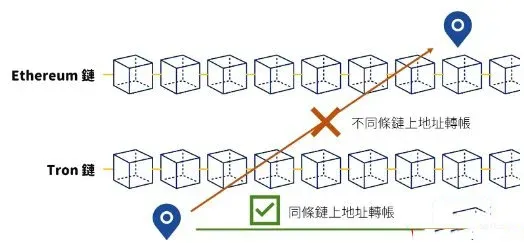
- A blockchain is fundamentally a closed system: transfers are free within the same chain, but there is no direct channel between different chains.
- To move a token from Chain A (source) to Chain B (destination), the asset must first be locked or burned on Chain A, then a corresponding token is minted on Chain B. This process requires a trustworthy messaging layer.

)
Cross‑chain bridges act as the intermediary that performs the “lock‑transfer‑release” workflow. Most bridges rely on smart contracts, oracles, or multi‑signature schemes to ensure safe asset movement, but these mechanisms also introduce risks such as contract bugs or private‑key leaks. Users should therefore select mature bridges that have undergone thorough audits.
---
Basic Workflow of a Cross‑Chain Bridge
When you open any bridge’s DApp, first connect your wallet (e.g., MetaMask). The transfer is then completed entirely within the same wallet interface—no separate recipient address is required. Keep the following points in mind:
- Confirm the chain pair – Double‑check both the source and destination chains; selecting the wrong pair can cause assets to become “unreachable.”
- Time estimate – Confirmation times vary widely between chains, typically ranging from a few seconds to several minutes, and in extreme cases may exceed 20 minutes.
- Fee composition – In addition to on‑chain gas fees, bridges charge a protocol fee. The table later in the article lists the average fee ranges for each bridge.
The operation is illustrated below:

)
---
Snapshot of the Five Most Common Cross‑Chain Bridges
| Bridge | Token Issued? | Avg. Cross‑Chain Fee | Underlying Technology | Supported Chains |
|---|---|---|---|---|
| **Stargate** | $STG | 0.06 % + rebalancing fee | LayerZero + Delta algorithm | 40+ |
| **Orbiter Finance** | Not issued (planned) | 0.3 % | Cross‑Rollup + Maker system | 40+ |
| **XY Finance** | $XY | Dynamic 0‑2 % | Aggregated cross‑chain | 20+ |
| **Owlto Finance** | Not issued (points) | 0.01 %‑0.1 % | Cross‑Rollup + ZK + Intent | 60+ |
| **Across Protocol** | $ACX | < 1 USD (varies by chain) | Intent‑based cross‑chain | 14 |
Note: The fees shown are average estimates; actual costs fluctuate with the specific chain, token, and network conditions at the time of transfer.
---
1. Stargate
- Founded: 2021
- Core tech: Built on LayerZero’s cross‑chain messaging protocol, which uses oracles and relayers to achieve a more decentralized message relay.
- Chain coverage: Integrated with over 40 EVM‑compatible chains, with particularly strong performance between Layer‑2 solutions.
- Fee structure: On‑chain gas typically costs between 0.01 USD and 0.1 USD, plus a 0.06 % protocol fee. The bridge processes tens of thousands of cross‑chain transactions daily, with cumulative transferred value exceeding tens of millions of USD.
Bridge portal: <https://stargate.finance/bridge>
---
2. Orbiter Finance
- Founded: 2021
- Technical highlights: Implements a lightweight bridge using a ZK‑Rollup architecture, focusing on high‑speed transfers between Layer‑2 networks and enhancing security with multi‑signature contracts.
- Chain coverage: Supports multiple Layer‑2 solutions for both Ethereum and Bitcoin, with the total number of supported chains also surpassing 40.
- Fee performance: Most Layer‑2‑to‑Layer‑2 transfers incur near‑zero gas costs, with an additional 0.3 % transfer fee. The platform handles several tens of thousands of cross‑chain transactions per day, and the total value moved has topped 240 billion USD.
Bridge portal: <https://www.orbiter.finance/>
---
3. XY Finance
- Founded: 2021
- Founder: Wilson Huang Wei‑hsuan, a graduate of the Department of Computer Science and Information Engineering at National Taiwan University.
- Product positioning: A cross‑chain aggregator that also offers DeFi swap functionality. After a user submits a cross‑chain request, the system fetches optimal routes from partner providers and completes “cross‑chain + swap” in a single transaction.
- Chain coverage: Connected to more than 20 blockchain networks.
- Usage statistics: Over 800 k active users to date, with cumulative transaction volume surpassing 23 billion USD.
Bridge portal: <https://app.xy.finance/>
---
4. Owlto Finance
- Founded: 2023
- Technology stack: Combines Intent, ZK proofs, and Rollup techniques. Initially targeting Layer‑2, the protocol has expanded to Ethereum, Bitcoin Layer‑2 solutions, and non‑EVM chains such as Solana, now supporting over 60 chains.
- Fee situation: Typical gas cost is about 1.5 USD per transaction, with protocol fees ranging from 0.01 % to 0.1 %. Within six months of launch, the platform recorded over one million bridge uses and secured an 8 million USD financing round in May 2024.
- Vision: Build a universal liquidity layer centered on the Intent model.
Bridge portal: <https://owlto.finance/>
---
5. Across Protocol
- Founded: 2022
- Underlying tech: Utilizes UMA’s Optimistic Oracle to power an Intent‑based cross‑chain solution. Recently partnered with Uniswap to launch the ERC‑7683 cross‑chain standard, becoming the primary provider for Uniswap’s cross‑chain functionality.
- Chain coverage: Currently supports 14 major chains.
- Fee description: In most cases the cross‑chain fee is below 1 USD, with slight variations depending on the specific chain and token. The protocol has moved over 130 billion USD in assets and serves more than 2.2 million users.
Bridge portal: <https://app.across.to/bridge>
---
Safety Tips When Using Cross‑Chain Bridges
- Trust assessment – All bridges are third‑party services; contract bugs or private‑key compromises can lead to loss of funds. Perform a small test transaction before moving large amounts.
- Verify official URLs – Always obtain the DApp address from official sources to avoid phishing sites that appear in search results. Bookmark the verified link to reduce the risk of accidental clicks.
- On‑chain alerts – Continuously monitor security announcements for the destination chain, especially any upgrades or anomalies affecting the bridge’s contracts.
Tax reminder: Crypto gains may be taxable in your jurisdiction. Consult a tax professional to understand how cross‑chain transactions could affect your tax obligations.
---
Summary: Cross‑Chain Remains a Technical Hurdle, but Chain Abstraction May Be the Ultimate Solution
For newcomers, the steps and risks involved in cross‑chain transfers should not be underestimated. Besides bridges, centralized exchanges also offer cross‑chain withdrawals, but their fees are generally higher than on‑chain bridge fees. Native cross‑chain protocols such as Cosmos’s IBC and Polkadot’s XCM do not rely on third‑party bridges and therefore tend to offer better security. If these native solutions achieve broader adoption, the user experience of cross‑chain movement will improve dramatically.
The industry is actively exploring Chain‑Abstraction—a concept that would hide the underlying blockchain from users, making asset movement across chains completely transparent. Should this vision materialize, the cumbersome steps we currently face would disappear.
The above constitutes the complete content of “2025 Cross‑Chain Bridge Selection: A Review of the Five Most Common Bridges.” For the latest updates on cross‑chain technology, follow Bitaigen’s forthcoming articles.
Related Reading
- Ethereum Virtual Machine (EVM) Basics: Core Concepts
- Proof‑of‑Stake (PoS) Consensus: Benefits, Risks & How It Works
- Avoid Hidden Gas Fee Risks & Malicious Contracts On-Chain
💡 Register on Binance with referral code B2345 for the maximum trading fee discount. See Binance complete guide.



