
 Bitaigen Research
 Cross‑chain technology enables assets and information to flow between different blockchains, enhancing security, expanding collaborative possibilities, driving open finance, and helping to build a decentralized ecosystem.
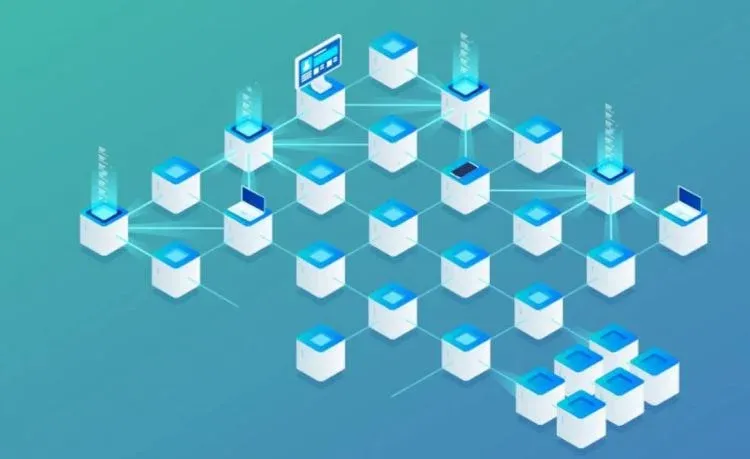
In this article we systematically outline the core advantages of cross‑chain technology—from asset security and inter‑chain collaboration to an open‑finance, full‑stack ecosystem perspective—so readers can quickly grasp the value uplift and innovation opportunities that cross‑chain brings. Subsequent sections will dissect implementation pathways and real‑world case studies, making a thorough read worthwhile.
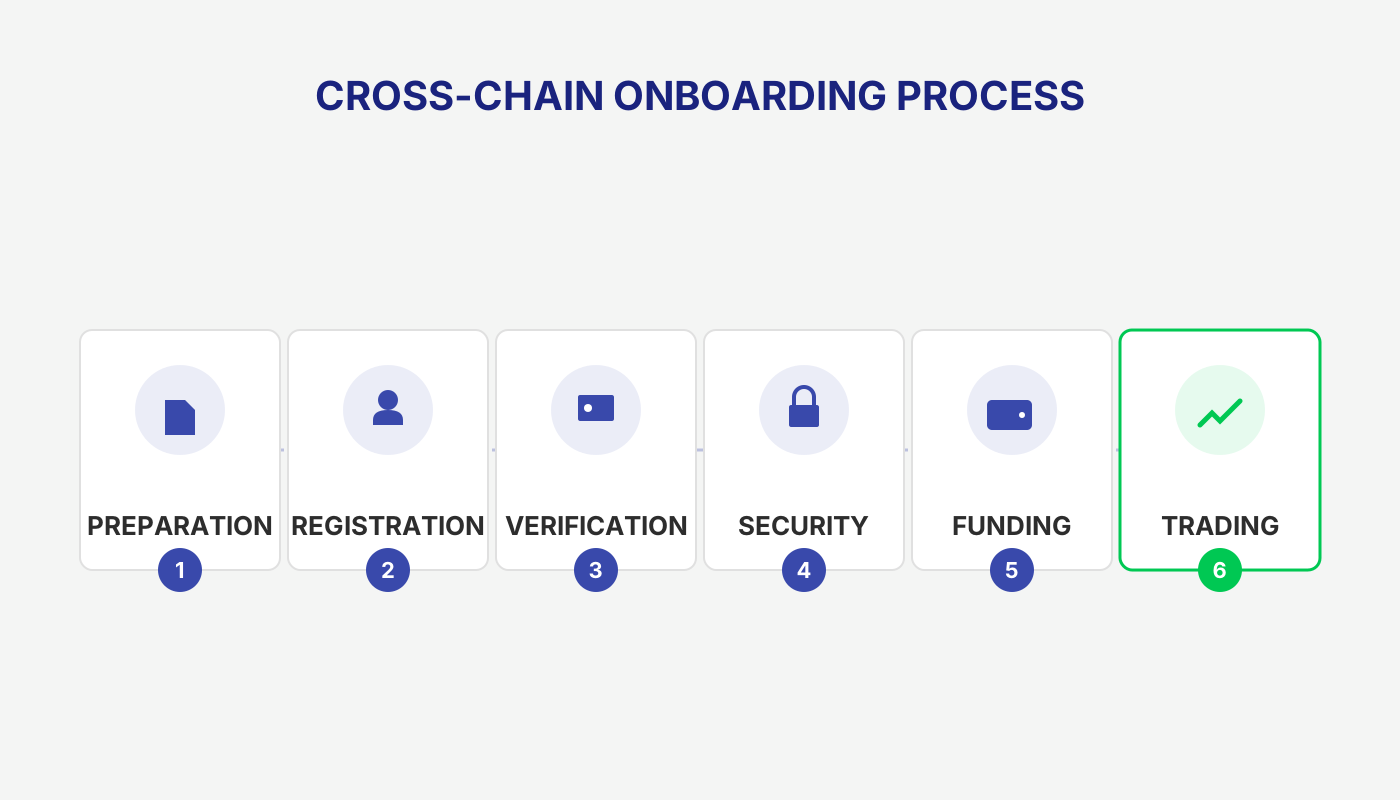
What are the benefits of cross‑chain technology?
Asset cross‑chain
- Cross‑chain asset movement improves the safety and transparency of swaps. Users can trade on‑chain with pseudonymous identities, without KYC, centralized vetting, or reliance on a trusted third party. The assets remain under the user’s direct control, eliminating the risk of counterfeit tokens or misappropriation.
Expanded collaboration
- Each chain can focus on its specialized function while achieving complementary cooperation through cross‑chain links.
- For example: BTC acts as digital gold and can flow into other chains as a store of value; Libra (or its successors) provides a payment medium on other chains; ZEC enhances privacy for other ecosystems.
- This shift from competition to open collaboration markedly boosts network value and network effects.
Open finance
- The fusion of assets across chains opens broader horizons for open‑finance applications. Most current open‑finance projects are confined to a single chain and single asset, making low‑friction scaling difficult.
- Take MakerDAO as an example: if it were deployed solely on Ethereum, it could only accept ETH or ERC‑20 tokens as collateral and would serve only Ethereum users. With cross‑chain asset capability, a single deployment would allow users on any chain to collateralize with any asset, dramatically reducing technical and operational costs.
How does cross‑chain technology work?
Different blockchains employ a variety of interoperability schemes to enable cross‑chain transactions without relying on centralized intermediaries. The main approaches include:
- Atomic swaps
Direct peer‑to‑peer protocols coordinate asset exchanges between two chains. Although not true inter‑chain communication, they achieve cross‑chain trades without a third party.
- Stateless SPV
Allows smart contracts to verify a subset of proof‑of‑work history at relatively low cost, suitable for many scenarios.
- Relay
Deploys smart contracts on a specific chain to verify events from another chain. Full history or particular block headers can be checked on demand, requiring a trade‑off between security and operational expense.
- Merged consensus
Utilizes a relay chain to achieve bidirectional interoperability, requiring a ground‑up build and integration with target chains. Projects such as ETH2.0 and Cosmos adopt this model.
- Federated
A set of trusted nodes confirm cross‑chain events. While highly efficient, this introduces reliance on third parties, which runs counter to the core principle of decentralization.
Underlying mechanism of asset cross‑chain
Asset cross‑chain is not a lossless direct conversion between two heterogeneous chains. Using BTC moving to Ethereum as an example, the process involves:
- Locking – The original BTC is securely locked on the Bitcoin ledger.
- Issuance – An equivalent representation (e.g., WBTC) is minted on the Ethereum chain, standing in for the locked BTC.
- Burning – When the user destroys the representation on Ethereum, the locked BTC is released and can be withdrawn.
This “lock‑issue‑burn‑release” workflow enables assets to flow across chains while preserving the safety and verifiability of the original chain’s assets.
*Note: Users located in the United States should access Binance.US rather than the global Binance platform when trading or interacting with cross‑chain services.*
Related Reading
- Cross‑Chain Bridges: Secure Asset Transfer Explained
- What Is deBridge (DBR)? Understanding the Cross‑Chain Messaging Protocol
- deBridge Rewards: Cross‑Chain, OKX Wallet & Points
💡 Register on Binance with referral code B2345 for the maximum trading fee discount. See Binance complete guide.



