
 Bitaigen Research
In this article we dissect how physical gold can be tokenised on a blockchain, explain the concept of Real‑World Assets (RWA), the regulatory backdrop, and the mechanics of gold‑backed tokens. The goal is to give investors a clear picture of the risks and opportunities associated with these emerging hedging tools. Keep reading to gain a full understanding of this new class of digital safe‑haven assets.
Introduction
Amid escalating tariff disputes, persistent inflation pressure, and rising geopolitical tension, investors are scrambling for assets that can weather uncertainty. Gold, with centuries of reputation as a store of value, has traditionally been the go‑to refuge during market turmoil. However, the logistical burden of buying, transporting, and storing physical bullion makes direct ownership prohibitive for most retail participants. Blockchain technology now offers a novel solution: tokenising gold so that it retains the intrinsic stability of the metal while gaining the speed, divisibility, and global reach of digital currencies.
What are Physical Assets (RWAs) in the Crypto Space?
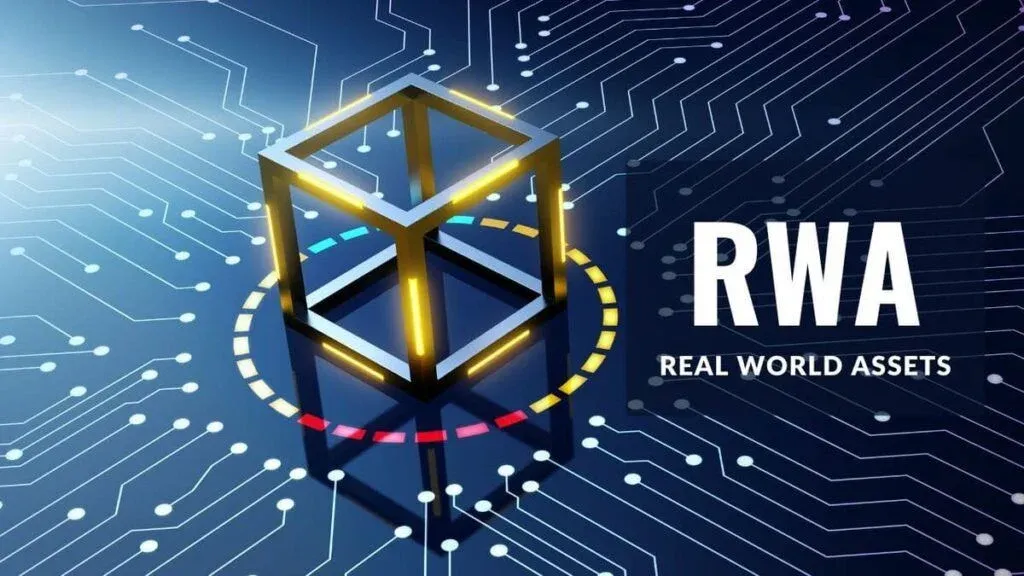
Imagine opening your crypto wallet and instantly owning a fraction of a gold bar, a piece of real‑estate, or a corporate bond. That is precisely what a Real‑World Asset (RWA) does on a blockchain: it maps a tangible or financial asset to a digital token, acting as a bridge between traditional markets and the crypto ecosystem. Gold’s long‑standing role as a value store makes it one of the most popular RWAs.
Key advantages of tokenised gold include:
- Lower entry barriers – No need to purchase an entire bar; the token can be split down to a gram or even smaller fractions.
- High liquidity – Unlike physical gold, which can only be bought or sold during limited windows and in specific locations, tokenised gold can be exchanged 24/7 on supported exchanges.
- On‑chain transparency – Every mint, transfer, and custody event is recorded on the blockchain, allowing holders to verify the authenticity and storage status of the underlying metal at any time.
In an environment of rising tariffs and inflation expectations, such assets provide a new avenue for crypto‑savvy investors seeking diversified exposure while mitigating volatility.
Why Gold‑Pegged Tokens Are Gaining Traction
Cryptocurrency markets are notorious for sharp price swings—one day a token can surge, the next it can tumble. Recent market pull‑backs triggered by U.S. tariff policy have sharpened investors’ focus on assets that carry “hard‑currency” characteristics. Gold‑pegged tokens fulfill this demand by maintaining a 1:1 (or 1 gram) backing with physical gold and undergoing regular independent audits to confirm that the vault holdings match the circulating token supply.
Compared with traditional gold bars or coins, these tokens offer several distinctive benefits:
- Divisibility – Even if you only want the economic exposure of 0.01 oz of gold, you can purchase the corresponding token amount, dramatically lowering the ownership threshold.
- Portability – No need to worry about the logistical risks of shipping and storing metal; the entire asset exists as secure digital data.
- Trading convenience – Major exchanges (e.g., Binance) list these tokens, allowing users to buy, sell, or transfer them at any time. *U.S. residents should use Binance.US or other regulated U.S. platforms instead of the global Binance site.*
- Inflation‑hedging properties – Unlike fiat‑backed stablecoins, gold‑pegged tokens move in line with the spot price of gold, offering a degree of protection when fiat currencies lose purchasing power.
By the end of 2024, the combined market capitalisation of gold‑backed tokens had surpassed USD 1.1 billion, underscoring a growing appetite for tokenised precious metals.
Leading Gold‑Pegged Tokens Worth Knowing
The following tokens enjoy strong industry recognition and liquidity. Investors can evaluate them based on personal risk tolerance, jurisdictional considerations, and preferred custodial arrangements.
Tether Gold (XAUT)
- Issuer: Tether, the same team behind the world’s largest stablecoin, USDT.
- Backing ratio: 1 XAUT represents 1 troy ounce of London‑good‑delivery gold stored in a Swiss vault.
- Minimum holding: As little as 0.000001 XAUT can be owned, dramatically reducing the entry barrier (CoinGecko, 2025).
- Redemption method: Holders with at least 50 XAUT may redeem physical gold bars, or opt for cash settlement via SEPA or SWIFT transfers.
PAX Gold (PAXG)
- Issuer: Paxos, launched in 2019 as an ERC‑20 token.
- Backing ratio: 1 PAXG equals 1 troy ounce of gold held in a Brink’s vault that is LBMA‑certified (CoinMarketCap, 2025).
- Purchase limits: No minimum purchase requirement; anyone with a compatible wallet can acquire the token.
- Regulation & transparency: Regulated by the New York State Department of Financial Services, with monthly audit reports published for public scrutiny.
Digix Gold Token (DGX)
- Issuer: Digix, an early pioneer of asset tokenisation founded in 2014 and headquartered in Singapore.
- Backing ratio: 1 DGX represents 1 gram of LBMA‑certified gold.
- Technical implementation: Utilises Ethereum + IPFS “proof‑of‑origin” architecture, ensuring each token’s gold provenance is traceable.
- Auditor: Bureau Veritas provides third‑party verification, bolstering trust.
Perth Mint Gold Token (PMGT)
- Issuer: The Perth Mint, an Australian government‑backed mint.
- Backing ratio: 1 PMGT equals 1 troy ounce of gold stored in the official Australian vault.
- Redemption channel: The GoldPass mobile app enables full‑size physical gold redemption without extra custodial fees.
Other Noteworthy Projects
- Kinesis Gold (KAU) – Token holders can spend gold directly via a Mastercard‑linked debit card, with vaults distributed globally.
- Meld Gold – An Algorand‑based newcomer that employs an innovative asset‑management model to optimise custody costs.
Token Overview Table
| Token | Unit Backing | Vault Location(s) | Redemption Options | Key Features |
|---|---|---|---|---|
| XAUT | 1 troy ounce of gold | Switzerland | Physical gold or cash (SEPA/SWIFT) | Leverages Tether’s stablecoin infrastructure |
| PAXG | 1 troy ounce of gold | Brink’s (LBMA‑approved) | Physical gold or fiat | No minimum purchase; NYDFS‑regulated |
| DGX | 1 gram of gold | Singapore / Canada | Physical gold | Proven‑origin traceability |
| PMGT | 1 troy ounce of gold | Australia | Physical gold via GoldPass app | Backed by Australian government |
Why Gold‑Backed Tokens Matter
Gold‑backed tokens are not a fleeting hype; they represent a digital evolution of a classic hedge. In an era where inflation erodes savings and fiat currencies experience heightened volatility, these tokens give both individuals and institutions a tool that combines value preservation with instant, borderless liquidity. Because the blockchain is permissionless, anyone with a crypto wallet can access gold exposure at a fraction of the cost and time required for traditional bullion purchases, pushing gold investment toward broader financial inclusion.
Moreover, gold‑backed tokens are increasingly woven into the decentralized finance (DeFi) ecosystem. Common use‑cases include:
- Collateral for borrowing and lending platforms, allowing users to unlock liquidity without selling the underlying metal.
- Liquidity mining programmes that reward participants with additional yield for providing gold‑token pairs.
- Synthetic asset portfolios where gold tokens are combined with other tokenised commodities to create diversified strategies.
As the RWA market expands, gold tokens are poised to become a pivotal conduit linking conventional finance with the digital economy, amplifying gold’s relevance in a token‑driven world.
The Rise of Gold‑Pegged Tokens
Projects such as XAUT and PAXG showcase how traditional value can be merged with cutting‑edge technology. They enable investors to enjoy the stability of gold without incurring the costs of storage, insurance, and transportation. Looking ahead, clearer regulatory frameworks and ongoing technical upgrades (e.g., layer‑2 scaling, cross‑chain bridges) are expected to broaden the practical applications of tokenised physical assets, delivering additional safe‑havens for diversified portfolio construction.
If you wish to experience these tokens firsthand, search for the ticker symbols on reputable exchanges (e.g., Binance globally or Binance.US for U.S. residents) and evaluate whether they fit your investment objectives.
Frequently Asked Questions
What is a gold‑pegged token?
A digital token backed one‑to‑one (by ounce or gram) with physical gold, which can be transferred freely on‑chain and, subject to the issuer’s rules, redeemed for the underlying metal or cash.
How do XAUT and PAXG differ?
- XAUT is issued by Tether, with gold stored in a Swiss vault and fractional ownership supported down to six decimal places.
- PAXG is issued by Paxos, built on the ERC‑20 standard, carries no minimum purchase requirement, and is regulated by the New York State Department of Financial Services.
Are gold‑backed tokens safe?
Compared with highly volatile cryptocurrencies, gold‑pegged tokens tend to exhibit greater price stability because they are collateralised by a tangible asset. However, investors should still assess the issuer’s credibility, the security of the vaults, and the robustness of the audit reports.
Where can I buy these tokens?
Major platforms such as Binance list XAUT, PAXG, DGX, and other gold‑linked tokens. U.S. users must use Binance.US or other locally regulated exchanges to remain compliant with regional rules.
Are crypto gains from gold‑linked tokens taxable?
In most jurisdictions, profits realized from the sale or exchange of crypto assets—including gold‑backed tokens—are subject to capital gains tax or other applicable taxes. Users should consult a tax professional familiar with local regulations to ensure compliance.
---
That concludes the complete translation of “Gold Assets in Cryptocurrency: A Full Guide to Gold RWA and Pegged Tokens.” For more insights on how gold is being integrated into blockchain ecosystems, explore previous articles from Bitaigen (比特根) or follow the related links below. Thank you for your continued interest and support!
💡 Register on Binance with referral code B2345 for the maximum trading fee discount. See Binance complete guide.



