
 Bitaigen Research
When trading on a cryptocurrency exchange, USDT (Tether) is almost always required as a bridge asset. For newcomers, lowering transaction costs and speeding up transfers are especially critical, which calls for a blockchain network that is cheap and responsive.
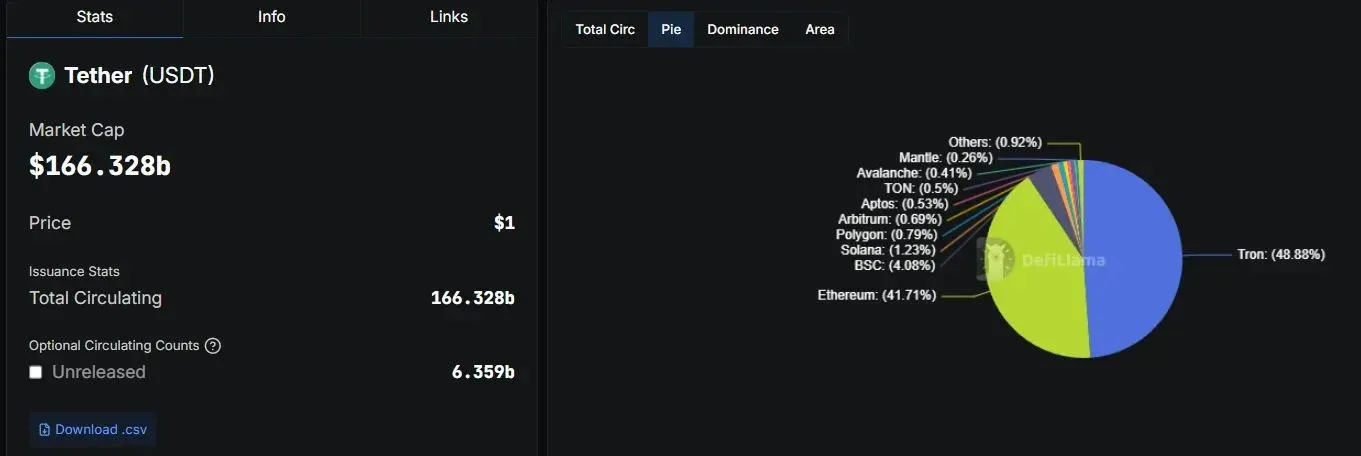
The TRON public chain was built precisely for this purpose. Since its creation by Justin Sun in 2017, TRON has combined high efficiency with low fees, giving it a sizable share of the stable‑coin market. According to data from DeFiLlama, approximately 48.88 % of on‑chain USDT transfers are executed via TRON.
TRON is also among the fastest‑growing public blockchains. In addition to supporting stable‑coin transactions, it provides a solid infrastructure for DApps (decentralized applications). The following sections will systematically examine TRON from the perspectives of its basic concepts, the TRX token model, core functionalities, development outlook, and purchase considerations.
We analyze the core advantages of the TRON ecosystem from both technical and ecological angles, dissect the TRX token model and its use cases, and evaluate its future development path and timing considerations. Read on to gain a comprehensive understanding of whether the TRON ecosystem still holds potential, as well as our unique insights into broader industry trends.
What Is TRON (TRX Token)? An Introduction to TRX Tokenomics
The TRON chain (also known as the TRON blockchain) operates under the TRC‑20 standard and its native token is TRX. Below is a snapshot of the key metrics:
- Chain name: TRON (also called “波场” in Chinese)
- Native token: TRX
- Market cap: roughly USD 32.9 billion
- Total token supply: unlimited (no hard cap)
- Circulating supply: about 94.6 billion TRX
TRX Tokenomics
- During its inaugural ICO in 2017, TRON minted 100 billion TRX, of which 45 % was allocated directly to founder Justin Sun.
- To curb long‑term inflation, a token‑burn mechanism was introduced in 2021, aiming to bolster the intrinsic value of TRX.
DeFiLlama statistics show that more than 48.88 % of users prefer the TRON chain for transfers, largely because of its low transaction fees and fast confirmation times.
Primary Network for USDT Transfers: TRC‑20
Any withdrawal, transfer, or smart‑contract call on the TRON chain consumes TRX as a gas fee. Because of this requirement, TRON has become the preferred public chain for moving USDT.
Core Functions of TRON
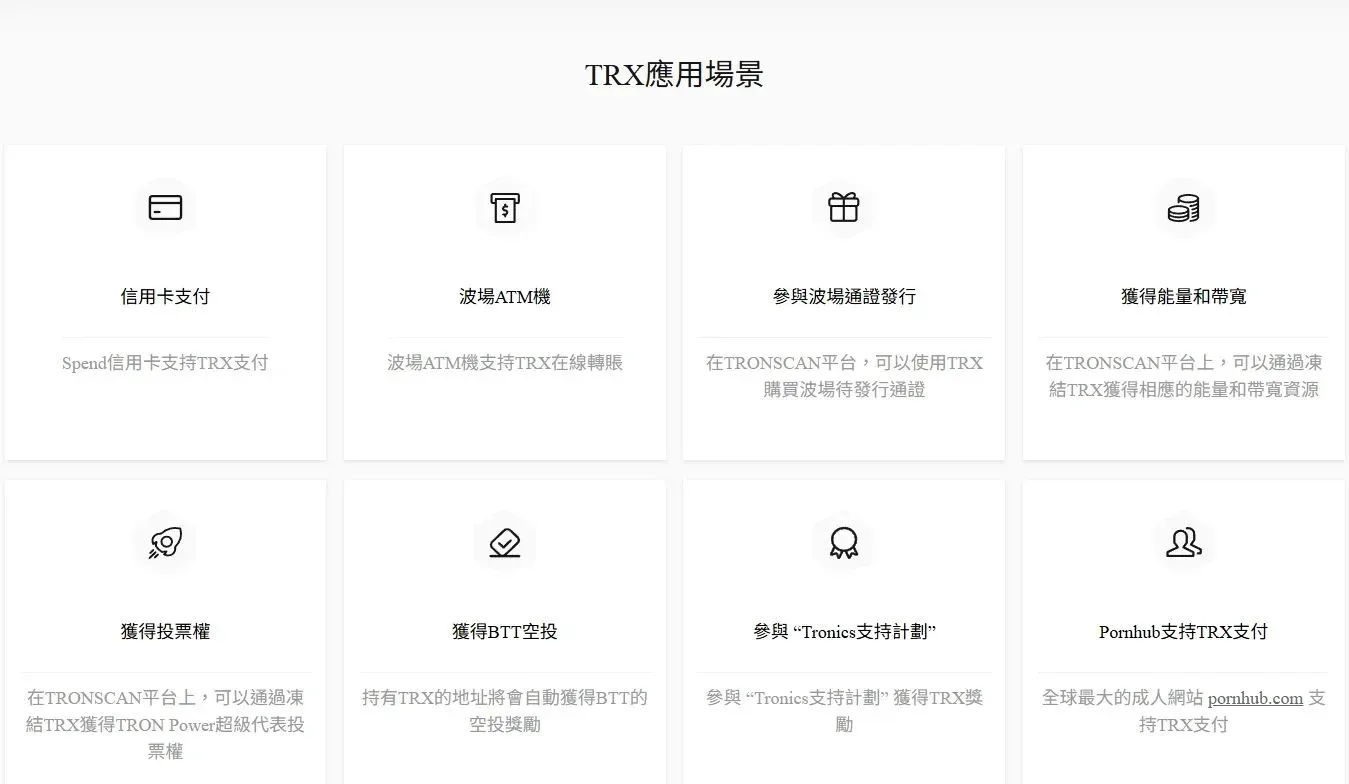
TRX, as the native on‑chain asset, plays a role similar to ETH on Ethereum, aiming to advance a “decentralized internet.” Beyond being the mainstream network for USDT trading, the TRON ecosystem also offers a variety of services such as airdrops and staking, further enhancing the utility for token holders.
DAO Governance and Voting
Holders of TRX can participate in “Super Representative” elections through the TRON Explorer, influencing how block rewards are allocated across the network.
Staking Rewards
TRX also supports a staking mechanism. In addition to exchanges, hardware‑wallet manufacturer Ledger has partnered with TRON, allowing users to lock TRX in a cold wallet and delegate it to Super Representatives for validation, earning daily staking rewards.
Overview of Application Scenarios
- Low‑fee transfers: Ideal for moving large volumes of USDT
- Smart contracts: Enable DApp development and deployment
- Governance voting: Participate in on‑chain decision‑making
- Staking yields: Generate passive income by locking tokens
Development Outlook for TRON
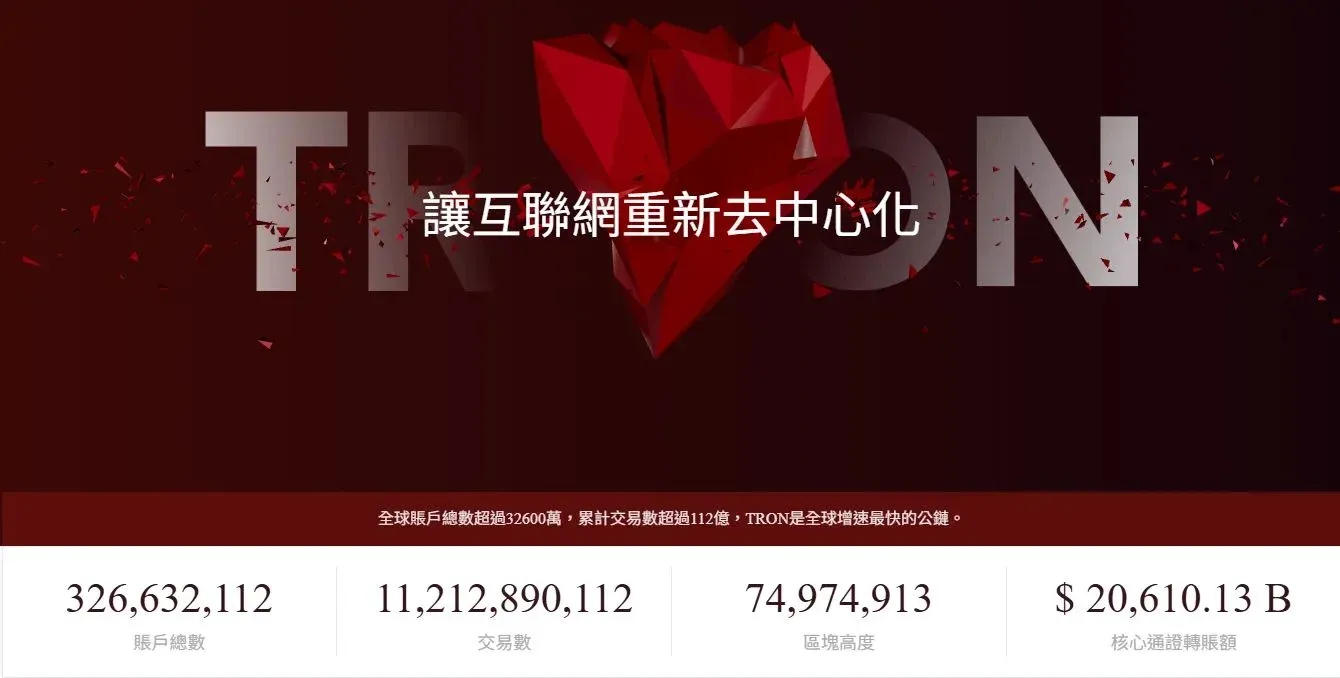
Since its launch, TRON has consistently delivered rapid block confirmations and extremely low gas fees, making it a top choice for users moving funds in and out of the ecosystem. Official figures indicate the network now hosts 320 million accounts, has processed over 1.12 million transactions, and the block height exceeds 75 million, keeping it among the fastest‑growing public blockchains worldwide.
Institutional Positioning: TRON ETF Applications
In 2025, several institutional players submitted TRON‑related ETF proposals to the U.S. Securities and Exchange Commission (SEC). The proposals fall into two main categories:
- Spot + Staking ETFs: Directly purchase spot TRX and generate returns from its staking yields.
- Leveraged Spot ETFs: Build on the spot position with 2× or higher leverage to amplify profit (and risk) fluctuations.
*Note for U.S. residents: Access to TRX on regulated platforms is typically available through Binance.US or other SEC‑registered exchanges.*
Should You Continue Acquiring TRX?
Evaluating from several angles, TRX still presents certain merits:
- The number of users conducting transfers on the TRON chain continues to rise.
- Ongoing public‑chain upgrades are accelerating transaction speeds and further reducing fees.
- Approval of a TRON ETF could channel substantial institutional capital into the token.
- The token‑burn mechanism imposes a supply constraint.
As on‑chain transaction frequency grows, each operation consumes TRX as a gas fee, which in turn triggers periodic token burns. A decreasing supply combined with rising demand could theoretically provide price support. Moreover, technical improvements are likely to attract more decentralized applications and Web3 projects, expanding the ecosystem’s scale.
Frequently Asked Questions About TRON (TRX)
The following answers address common beginner queries to help you better understand TRON and TRX.
Is TRON (TRX) a scam?
TRX is the official token issued by the TRON project. The key to verifying authenticity is to use reputable, regulated exchanges—such as Binance (global) or Binance.US for U.S. customers—rather than purchasing through unverified links.
Are TRON and TRX the same thing?
TRON refers to the blockchain itself (often called “波场链” in Chinese), while TRX is the native token that powers the network. The relationship is analogous to Ethereum (the platform) and ETH (the token). In practice, transactions are usually expressed using the token ticker TRX.
How can I purchase TRX?
TRX is listed on numerous leading exchanges, including Binance, OKX, and Bitget. For the best combination of security and liquidity, Binance is commonly recommended; it offers both spot trading and derivatives contracts that use TRX as the underlying asset. U.S. users should opt for Binance.US or another SEC‑registered platform.
Closing Remarks
This article has provided a comprehensive overview of TRON (TRX), covering its definition, token economics, core functionalities, development trajectory, and purchasing guidance. If you have further questions, feel free to reach out via the official Bitaigen Line account or send a private message to the fan page.
---
For deeper analysis of TRX, you may consult previous Bitaigen articles or continue reading the recommended content below. We wish you smooth investing and look forward to your continued interest in Bitaigen!
*Disclaimer: Cryptocurrency transactions may be subject to taxation in your jurisdiction. Please consult a tax professional regarding any gains or losses.*
Related Reading
- TRON (TRX) Price Forecast 2026‑2030: Historical Performance & Future Outlook
- What Are Stablecoins? Understanding Crypto-Backed Fiat Pegs
- USDC vs USDT: Key Differences, Compliance, and Security Explained
💡 Register on Binance with referral code B2345 for the maximum trading fee discount. See Binance complete guide.



