
 Bitaigen Research
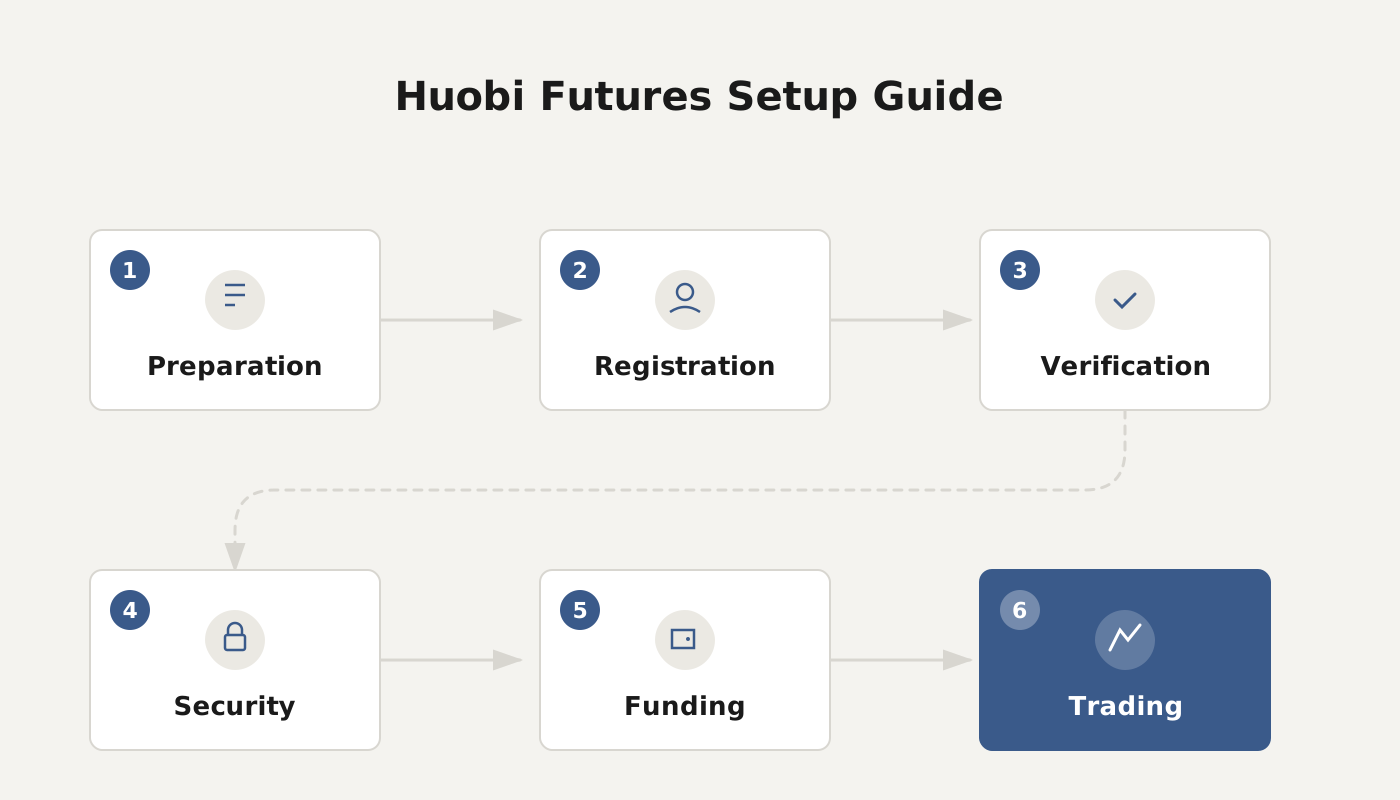
 Huobi Futures trading flow is: open a futures account → transfer funds → select contract type and leverage → place an order to go long or short → close the position at an appropriate time. If leverage is matched well with market movements, some users can achieve ten‑fold returns within a few weeks to several months.
The BitRoot editorial team has compiled a complete step‑by‑step guide to Huobi Futures, covering account activation, fund transfer, leverage configuration, order placement, and position closing. Each stage includes practical tips. We also break down the key factors that affect profitability, helping you make more rational decisions in live trading. To master the core techniques, keep reading this article.
How to Trade Huobi Futures
Basic Process
- Choose a contract type: weekly, bi‑weekly, quarterly, or perpetual contracts.
- Fill in the order: decide whether to go long (buy) or go short (sell).
- Hold the position: maintain the exposure while monitoring market trends.
- Close the position: use close‑long or close‑short to realize profit or cut loss.
Detailed Operational Steps
- Log in to your Huobi account and navigate to the Futures Account page.
- If you have not yet enabled futures trading, click “Enable Trading”, complete identity verification and risk assessment, agree to the *User Service Agreement*, and submit.
- After activation, click “Transfer Funds” (or tap “Transfer” on the *Assets* page) to move digital assets from your Spot Account to your Futures Account. Currently only transfers between these two wallets are supported.
- Once the transfer succeeds, the top‑left corner of the futures trading page will display your Total Equity converted to BTC; you can now start trading.
- Select a contract (e.g., BTC weekly contract) and set the leverage multiplier.
- Submit an opening order using a limit order or a scheduled order: choose “Buy to Go Long” for bullish expectations, or “Sell to Go Short” for bearish expectations.
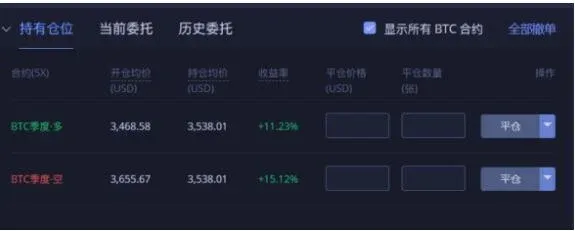
- After execution, the position details appear in the “Open Positions” section, while any unfilled orders are listed under “Current Orders”, where they can be cancelled at any time.
- To close a position, use a limit or scheduled order as well: click “Sell to Close Long” for long positions, or “Buy to Close Short” for short positions.
- The “Futures Info” navigation tab provides access to settlement records, risk reserve, long/short sentiment, and other metrics.
- Asset balances, financial records, order history, and trade fills can all be viewed via the top‑level “Assets”, “Financial Records”, and “Orders” links.
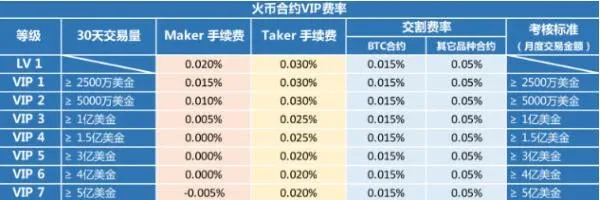
- Under your avatar, the “My Data” section displays trading statistics, trading limits, fee rates, and related information.
Commonly Used Tools
- Non‑Small Account Checker: verifies platform trading volume and authenticity.
- CoinMarketCap: offers comprehensive market data across the whole crypto ecosystem.
- Alcoin: provides long/short ratios, market anomalies, and alert functionalities.
- 币coin (BiCoin): delivers elite long/short indices, capital flow metrics, and other indicators.
How Long Does It Take to Achieve a 10× Return on Huobi Futures?
Available Leverage and Contract Durations
| Leverage | Contract Duration |
|---|---|
| 1×, 5×, 10×, 20× | Weekly, Bi‑weekly, Quarterly, Perpetual |
- Weekly contracts: settle every Friday afternoon; profit and loss are forcibly closed at settlement.
- Bi‑weekly contracts: settle on the Friday of the following week; positions can remain open during the current week, allowing profit extraction.
- Quarterly contracts: settle on the last Friday of each quarter; no forced closure on other settlement dates.
- Perpetual contracts: have no fixed settlement date, enabling long‑term holding, but the longer a position is kept, the higher the margin‑funding fees that accrue.
Restrictions on High Leverage
New users are initially limited to a maximum of 5× leverage. The platform evaluates a user’s risk‑management capability and risk‑tolerance level within the first month after account creation and may adjust the maximum allowable leverage based on that assessment. Beginners are advised to become comfortable with basic operations before gradually increasing leverage.
Possibility of Achieving a Ten‑Fold Return
Realizing a ten‑fold gain depends on several variables:
- Leverage choice: higher leverage magnifies both profit and risk.
- Market movement: profitable outcomes require entering and exiting positions in sync with favorable price swings.
- Holding period: the settlement schedule of each contract influences capital efficiency.
- Risk control: employing stop‑loss/stop‑take‑profit orders and allocating position size responsibly.
When these conditions align, some traders have reported achieving ten‑fold returns within a span of a few weeks to several months; however, losses are equally possible, so robust risk management is essential.
Related Reading
- Perpetual Contracts Explained: Features, Leverage & Liquidation
- Activate & Trade Huobi Perpetual Contracts: Guide
- Huobi Futures Trading Guide: How to Use 10x Leverage
💡 Register on Binance with referral code B2345 for the maximum trading fee discount. See Binance complete guide.



