
 Bitaigen Research
 From the perspective of the Bitaigen editorial team, we outline the fee structure and platform advantages of MXC (formerly known as MEXC) to help you quickly assess its cost competitiveness and service features. Subsequent sections will delve into the fee‑rebate mechanism and use‑case scenarios, so a thorough read is worthwhile.
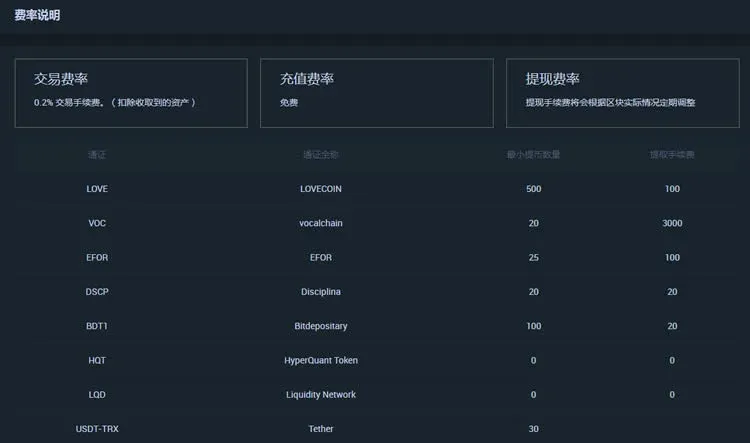
How much are the fees on the MXC exchange?
The fee schedule for MXC is as follows:
- Spot trading (crypto‑to‑crypto): 0.20 % per transaction
- Leveraged lending fees: *Not currently available*
- Fiat trading fees: *Not currently available*
- Futures (contract) trading: 0.03 %‑0.075 % per transaction
What is MXC exchange like?
MXC (the English name for the platform) is a digital‑asset exchange that completed its registration in Singapore. Founded in April 2018 in the Seychelles, the platform was built by a collaboration of seasoned quantitative teams from Wall Street, Japan, and Europe together with blockchain professionals. Its mission is to provide secure, convenient, and intelligent asset‑circulation services.
The exchange lists hundreds of cryptocurrencies, including many projects that have not yet been listed on the three major domestic exchanges in China. This breadth attracts investors who want exposure to those relatively underserved tokens.
Regarding costs, MXC charges a fixed 0.20 % fee on every spot trade, which is slightly below the industry average of roughly 0.25 % and gives it a modest price advantage among comparable platforms. For futures contracts, the fee range of 0.03 %‑0.075 % offers relatively favorable pricing for active contract traders.
The platform’s native token, MX, plays several roles within the ecosystem. MX holders receive 60 % of the exchange’s fee revenue as a dividend, while the remaining 40 % is used to buy back and burn MX tokens, with the goal of reducing total supply to 100 million tokens. The original supply was 1 billion tokens; by April 2020, 40 million had already been repurchased and burned, leaving a circulating supply of approximately 270 million tokens. MX holders can also participate in community governance, such as voting on business proposals and electing team members.
The primary revenue stream for any exchange is trading fees, and this determines whether the platform can fund additional value‑added services based on trading activity. An exchange that focuses solely on expanding volume while neglecting user experience may see a decline in service quality. Conversely, a healthy fee‑centric revenue model helps improve liquidity, optimize order‑matching efficiency, and ultimately creates a better trading environment for investors.
*For fiat deposits and withdrawals, MXC supports USD transfers via SEPA and SWIFT. U.S. residents seeking similar services on other platforms should use Binance.US rather than the global Binance site.*
*Please note that cryptocurrency gains may be subject to tax in your local jurisdiction; consult a tax professional for guidance.*
The above provides an overview of MXC’s fee structure and basic platform information. For more details, continue following Bitaigen (比特根) and its upcoming articles.
Related Reading
- OKEx Trading Fees Explained: Spot, Margin, Futures & Fiat
- Binance BNB Fee Discount: How to Enable & Maximize Savings
- Bybit 40% Fee Rebate: Cut Trading Costs by Half
💡 Register on Binance with referral code B2345 for the maximum trading fee discount. See Binance complete guide.



