
 Bitaigen Research
 We systematically review the core mechanisms and trading essentials of perpetual decentralized exchanges (Perp DEXs) in this article, helping readers assess on‑chain perpetual contract safety, leverage usage, and liquidity models, and understand the differences between AMM and on‑chain order books. Continue reading to obtain a practical guide.
Overview of Perpetual Decentralized Exchanges (DEX)
In the decentralized finance (DeFi) ecosystem, perpetual contract DEXs allow users to trade perpetual contracts directly on‑chain without traditional centralized intermediaries or custodians, and without a preset contract expiration date. As long as margin requirements are satisfied, positions can be held indefinitely. Traders can employ leverage while enjoying a fully transparent, on‑chain trading process.
Core Working Principle of Perpetual DEXs
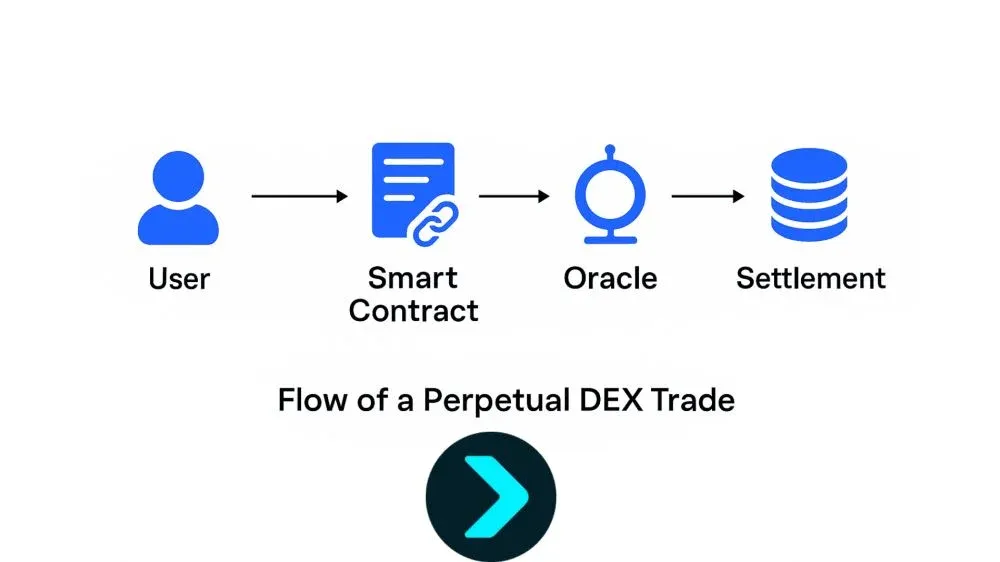
A perpetual contract is a futures product without a fixed expiry; its price is kept in line with the spot price of the underlying asset (e.g., BTC, ETH) through a funding rate mechanism. Smart contracts handle all of the following:
- Margin Management – lock collateral and monitor position safety.
- Order Execution – automatically match orders or execute trades via AMM / vAMM logic.
- Funding Rate Settlement – long and short sides periodically pay each other, keeping the contract price close to the spot price.
- Liquidation and Settlement – when margin falls short, the contract triggers automatic liquidation; every step is publicly recorded on‑chain.
On‑chain Architecture: Current mainstream implementations fall into two major categories
- AMM / vAMM (e.g., GMX, dYdX v3): liquidity providers supply assets to a pool, pricing algorithms are transparent, but large trades may suffer slippage.
- On‑chain Order Book (e.g., HyperLiquid, Aster): uses on‑chain limit orders for precise pricing, offering deeper liquidity and execution quality comparable to traditional centralized exchanges (CEXs).
All perpetual contracts built on the Bitget Wallet run atop the aforementioned Perp DEX frameworks, guaranteeing users full auditability and self‑custody.
Fundamental Differences Between Perpetual Contracts and Traditional Futures
| Item | Traditional Futures | Perpetual Contracts (Perp DEX) |
|---|---|---|
| Expiration | Fixed (weekly/monthly) | None; positions can roll over indefinitely |
| Settlement | One‑time at expiry | Ongoing funding‑rate settlements |
| Trading Venue | Centralized exchanges (CME, Binance Futures, etc.) | Execution via on‑chain smart contracts |
| Transparency | Limited | Fully on‑chain and publicly queryable |
| Asset Custody | Centralized broker | User retains control through their wallet |
Explosive Growth in 2025
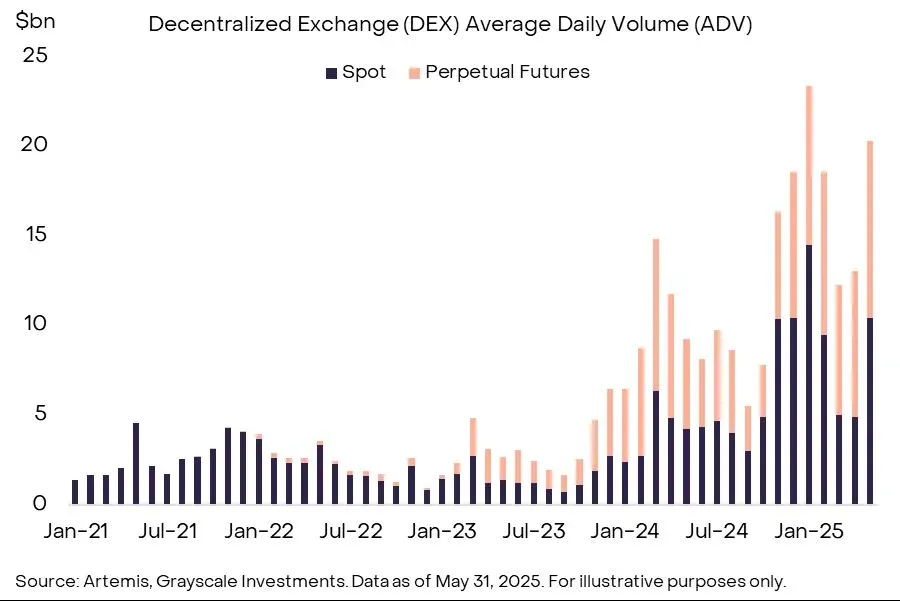
According to DefiLlama data, cumulative trading volume on perpetual DEXs surpassed $1.5 trillion in 2025, accounting for over 26 % of the global perpetual futures market. Key drivers include:
- Institutional Entry – whitelist wallets and on‑chain liquidity programs invite institutional capital into DeFi.
- On‑chain Composability – perpetual contracts can be nested with lending, yield vaults, and real‑world asset (RWA) protocols such as Avantis on Base.
- Scalability Solutions – Layer‑1 and Layer‑2 scaling technologies reduce latency, making high‑frequency on‑chain trading feasible.
Market Leaders: HyperLiquid and Aster
| Platform | Chain Model | Max Leverage | Collateral Types | Liquidity Depth | Highlights |
|---|---|---|---|---|---|
| **HyperLiquid** | Proprietary Layer‑1 | 50× | USDC / USDT | High‑speed order book, ~73 % market share | Institutional‑grade low latency, transparent fees |
| **Aster** | Cross‑chain design | 1,000× | Stablecoins (yield‑bearing) | Cross‑chain liquidity aggregation | Extreme leverage paired with passive yield |
Both showcase how decentralized infrastructure can match—or even surpass—centralized platforms in execution speed, liquidity, and composability.
Essential Knowledge Before Using a Perpetual DEX
- Leverage Risk – Leverage magnifies both gains and losses; choose a multiplier that fits your risk tolerance.
- Funding Rate – Often overlooked by newcomers, this fee mechanism dictates the periodic cash flow between longs and shorts.
- Liquidity Variance – Niche assets may have shallow depth, leading to noticeable slippage.
- Contract Security – Smart‑contract bugs and oracle manipulation remain potential threats, and the regulatory environment is still uncertain.
We recommend trading on audited platforms such as HyperLiquid, Aster, or Bitget Wallet, and diversifying positions to reduce single‑point risk.
Advantages of Perpetual DEXs
- Self‑Custody – Assets stay in the user’s wallet; the platform never holds collateral.
- Full On‑Chain Transparency – Every order, liquidation, and funding payment can be inspected on the blockchain.
- 24/7 Global Access – No KYC, no geographic restrictions; available worldwide at any time.
- Incentive Mechanisms – Governance tokens, fee rebates, and other reward schemes encourage active participation.
- Composability – Positions can be layered with lending, yield farming, options, and other protocols.
- High Scalability – L2 solutions such as Arbitrum, Solana, Base, and others deliver low latency and low‑cost trading.
Main Risks and Limitations
- Fragmented Liquidity – Depth varies across platforms and assets.
- Contract Vulnerabilities – Coding errors or oracle attacks can result in fund loss.
- Funding Rate Volatility – Extreme market moves may cause rapid fee swings.
- High‑Leverage Cascade Liquidations – Excessive leverage can trigger chain reactions of liquidations.
- Regulatory Uncertainty – Global regulators are tightening oversight of crypto derivatives, raising compliance risk.
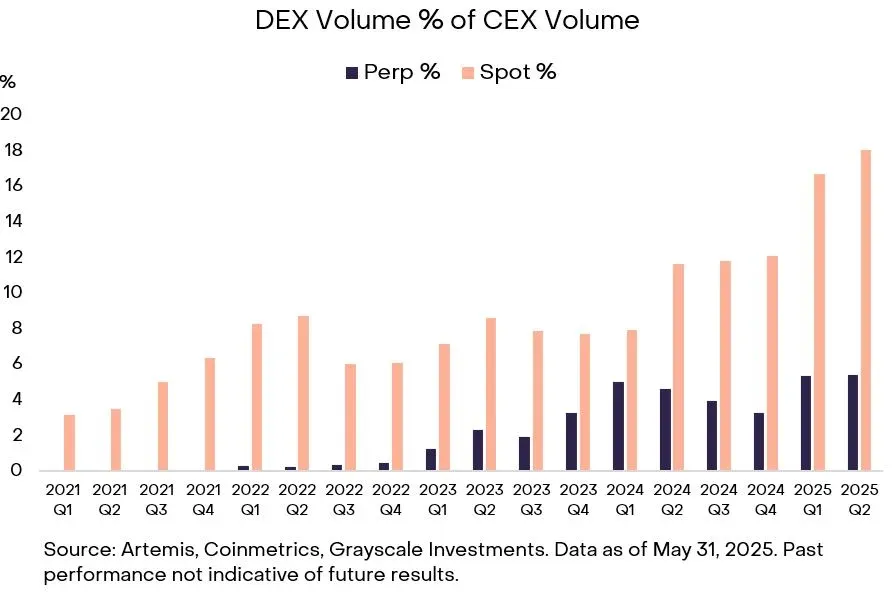
As analysts note, “leveraged trading volume is now six times that of spot,” highlighting both opportunity and systemic risk. Innovation does not eliminate risk; it merely reallocates it.
Perpetual DEX vs. Centralized Exchange (CEX) Comparison
| Feature | Perpetual DEX | Centralized Exchange (CEX) |
|---|---|---|
| Asset Custody | User self‑custody | Exchange custodial |
| Transparency | Fully auditable on‑chain | Partially transparent |
| Access Barrier | Permissionless, wallet‑based | Requires KYC, may have regional bans |
| Execution | On‑chain (often L2‑optimized) | Centralized servers |
| Fee Structure | Low and publicly disclosed | Some fees hidden |
| Regulatory Status | Decentralized, generally outside direct regulation | Subject to jurisdictional regulations |
Tokenomics as a Driving Force
Taking HyperLiquid as an example, its HYPE token burns 93 % of trading fees, allocating the remaining 7 % to liquidity rewards. This deflationary model aims to increase token value while providing liquidity providers (HLPs) with roughly 6‑7 % annualized returns, creating a self‑reinforcing incentive loop.
Future Outlook
- On‑Chain Institutional Trading – Whitelisted wallets and audited contracts will become mainstream for compliant institutions.
- AI‑Powered Arbitrage – Artificial intelligence can assist with funding‑rate arbitrage, liquidation alerts, and automated market‑making.
- Cross‑Chain Oracles & Dark Pools – Enhancing asset interoperability and privacy.
- Yield‑Generating Collateral – Deploying collateral into multi‑chain yield protocols to boost capital efficiency.
Perpetual DEXs are moving from experimental projects to core components of DeFi infrastructure.
Steps to Trade Perpetual Contracts Using the Bitget Wallet
Bitget Wallet’s perpetual contracts are built entirely on Perp DEXs, ensuring users enjoy self‑custody and on‑chain transparency. Below is the complete workflow for futures (perpetual) trading via the Bitget Wallet:
Feature Overview
- Multi‑Chain Support – Ethereum, Solana, Base, BNB Chain, and others.
- Instant Access to Perp DEXs and major tokens.
- Zero‑Fee Trading for memecoins and stablecoins.
- Cross‑Chain Position Transfer for perpetual contracts.
- Earn Plus (stablecoin 10 % APY) for earning on idle collateral.
Operational Guide
- Enter the Market → Select “Futures” and pick a trading pair (e.g., BTC/USDT).
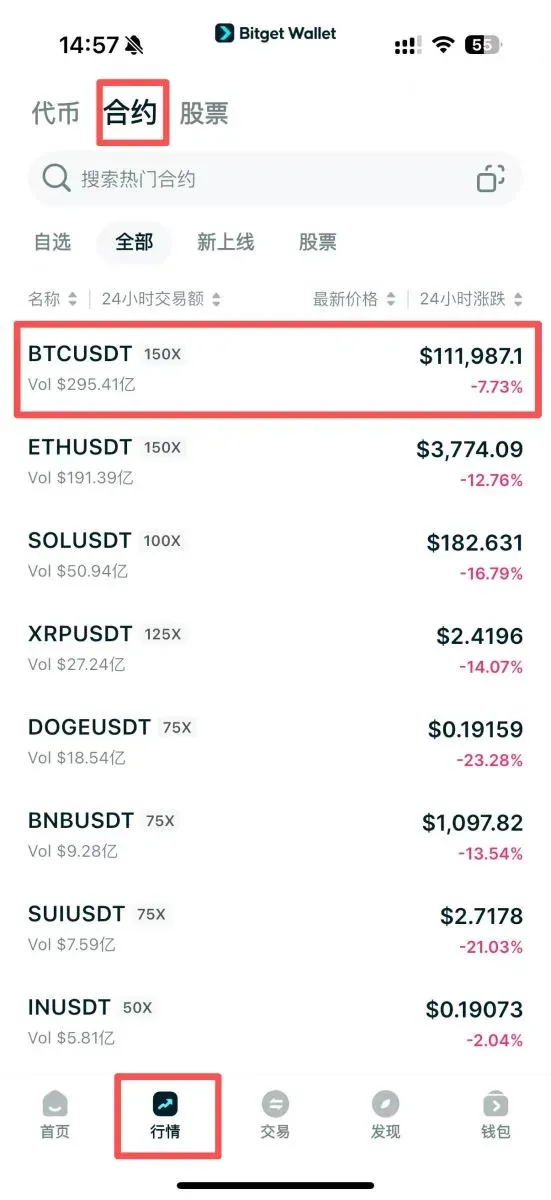
- Open a Futures Account → Click the + icon to deposit USDT into the futures account.
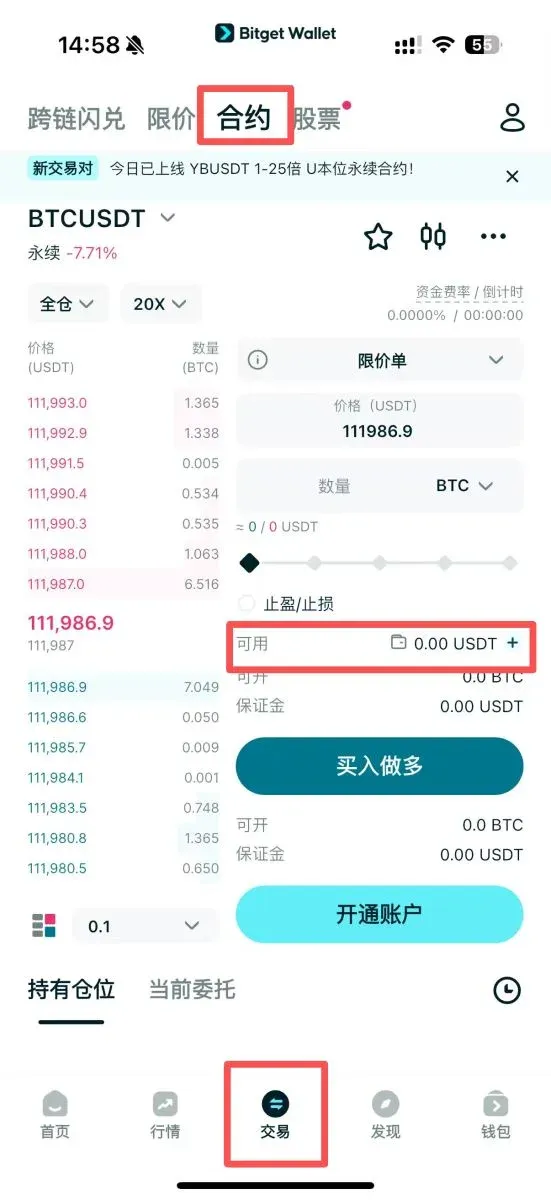
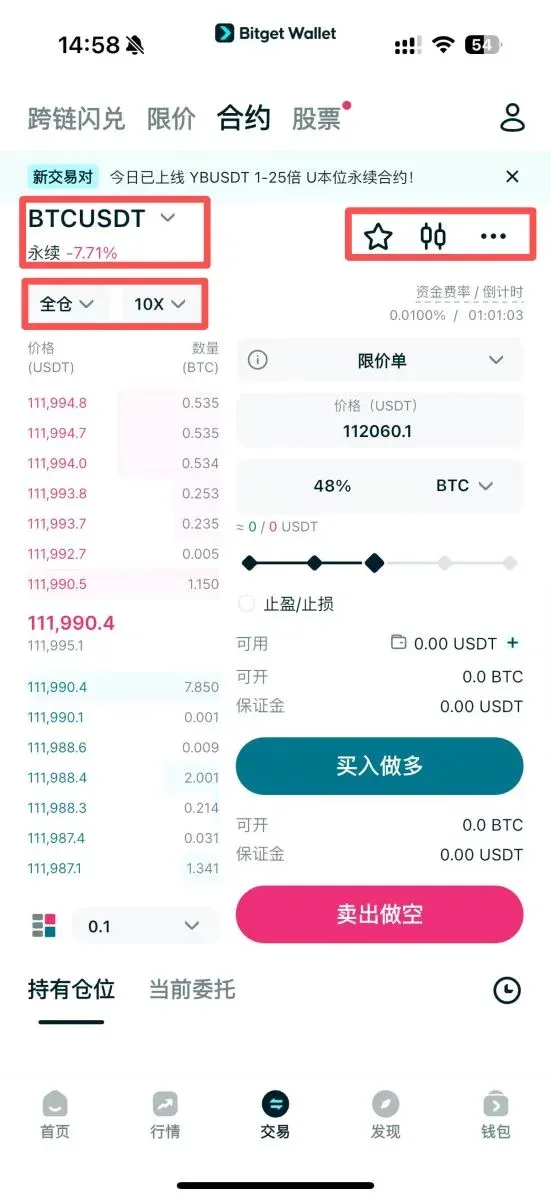
- Choose Position Mode → Select Cross or Isolated, then set the leverage (example: 10×).
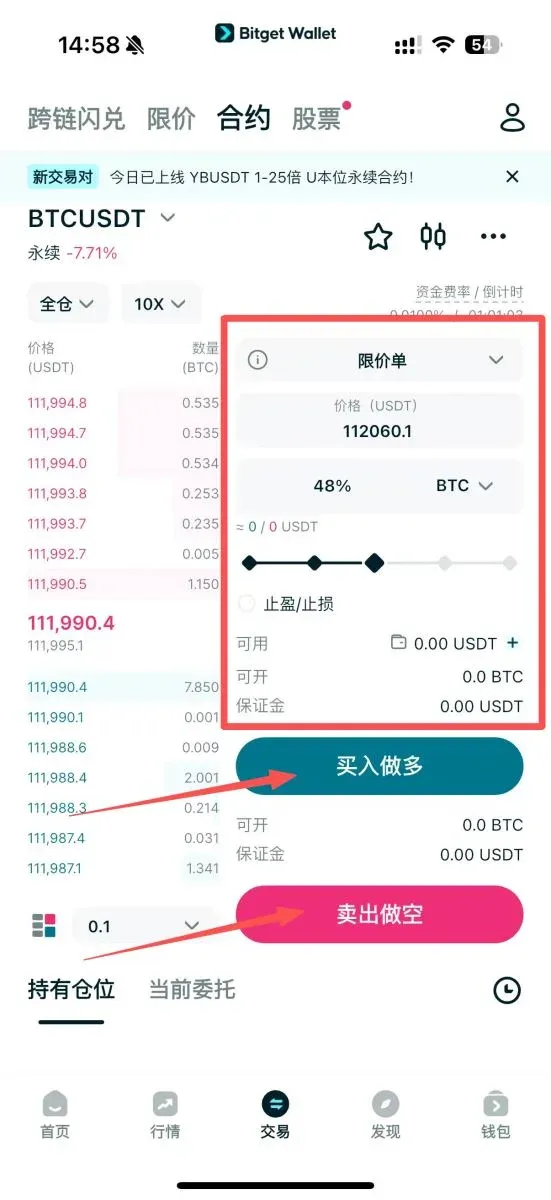
- Order Type → Choose Limit, Market, or Trigger order, then input price and quantity.
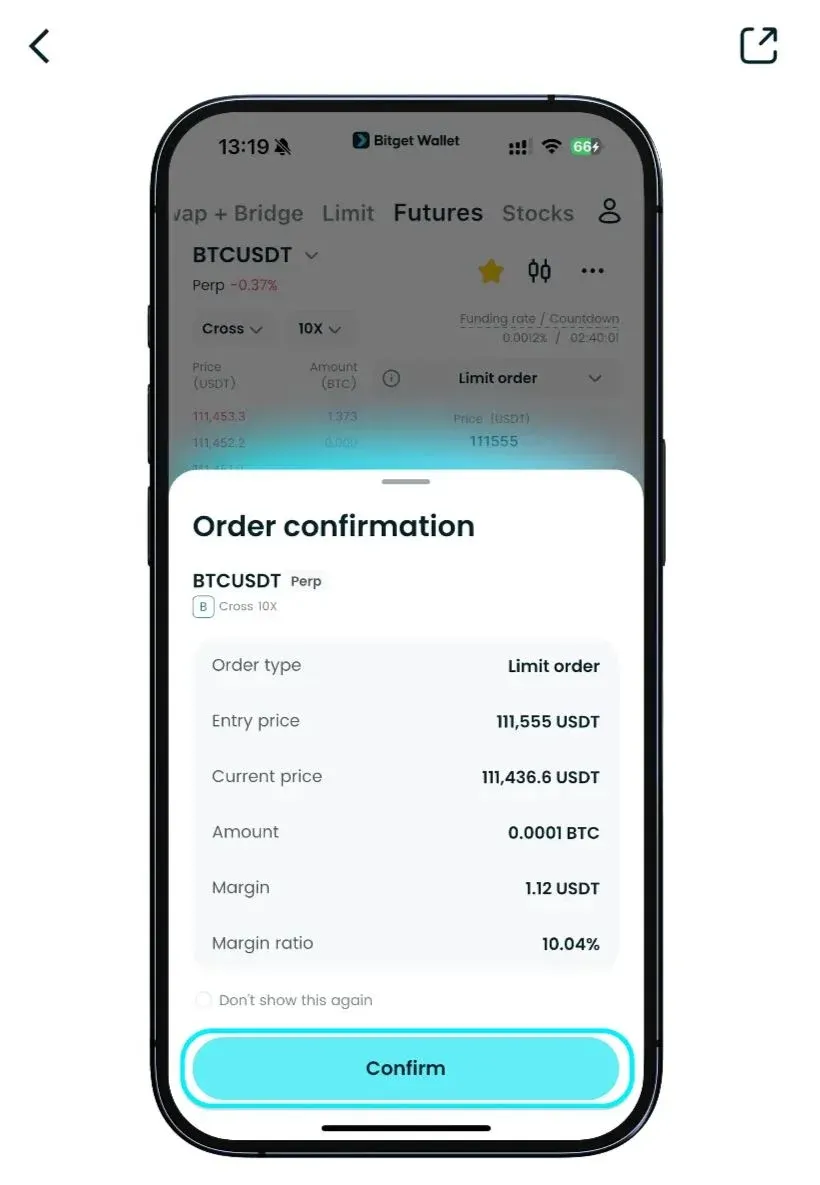
- Confirm Order → Review the details carefully and click Confirm.
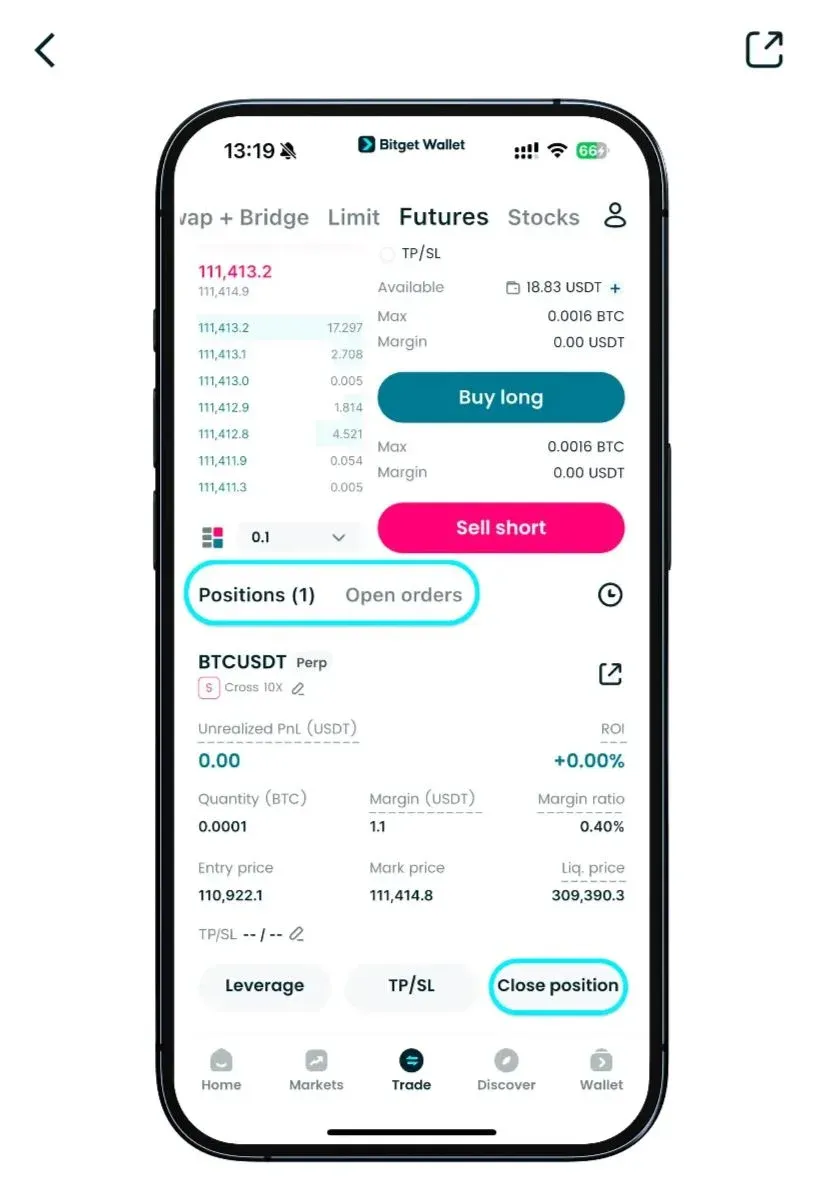
- Manage Positions → On the “Positions” page, view open contracts; to close a position, click Close Position.
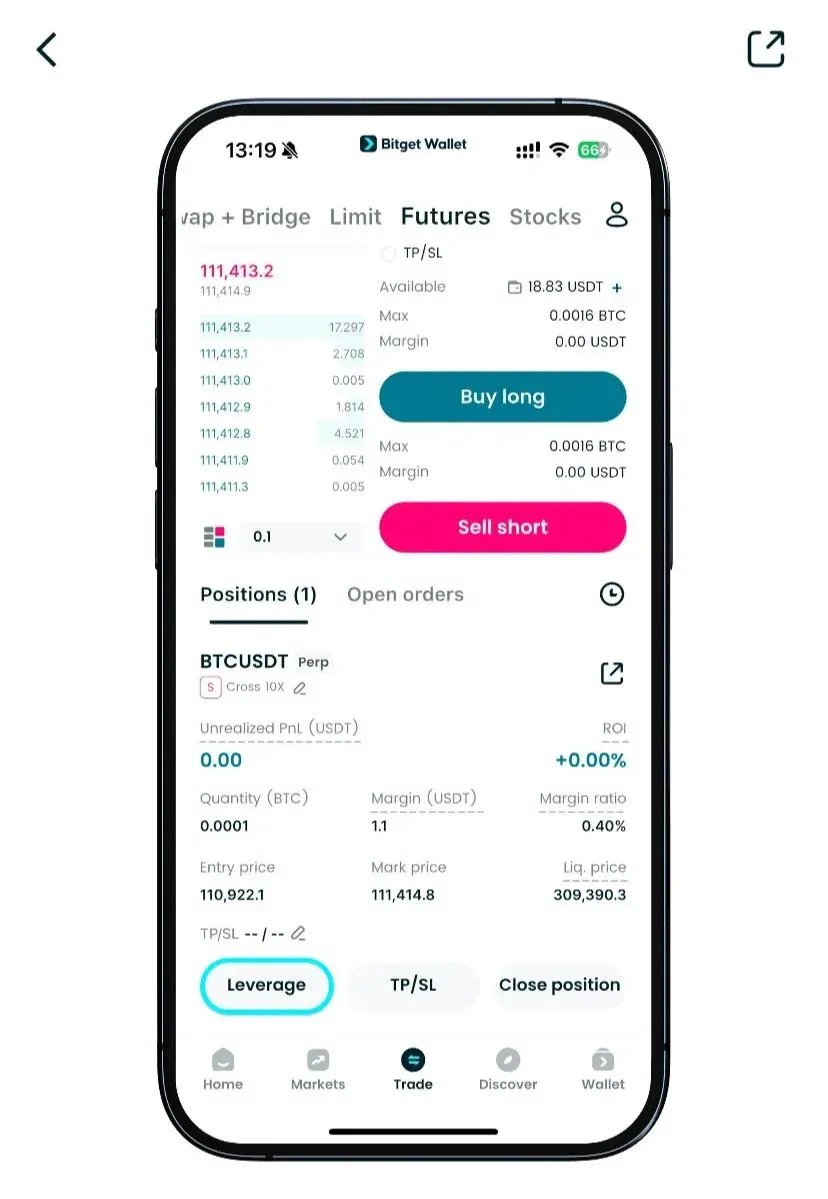
- Adjust Leverage → If you need to change leverage before the order executes, tap the corresponding Leverage button.
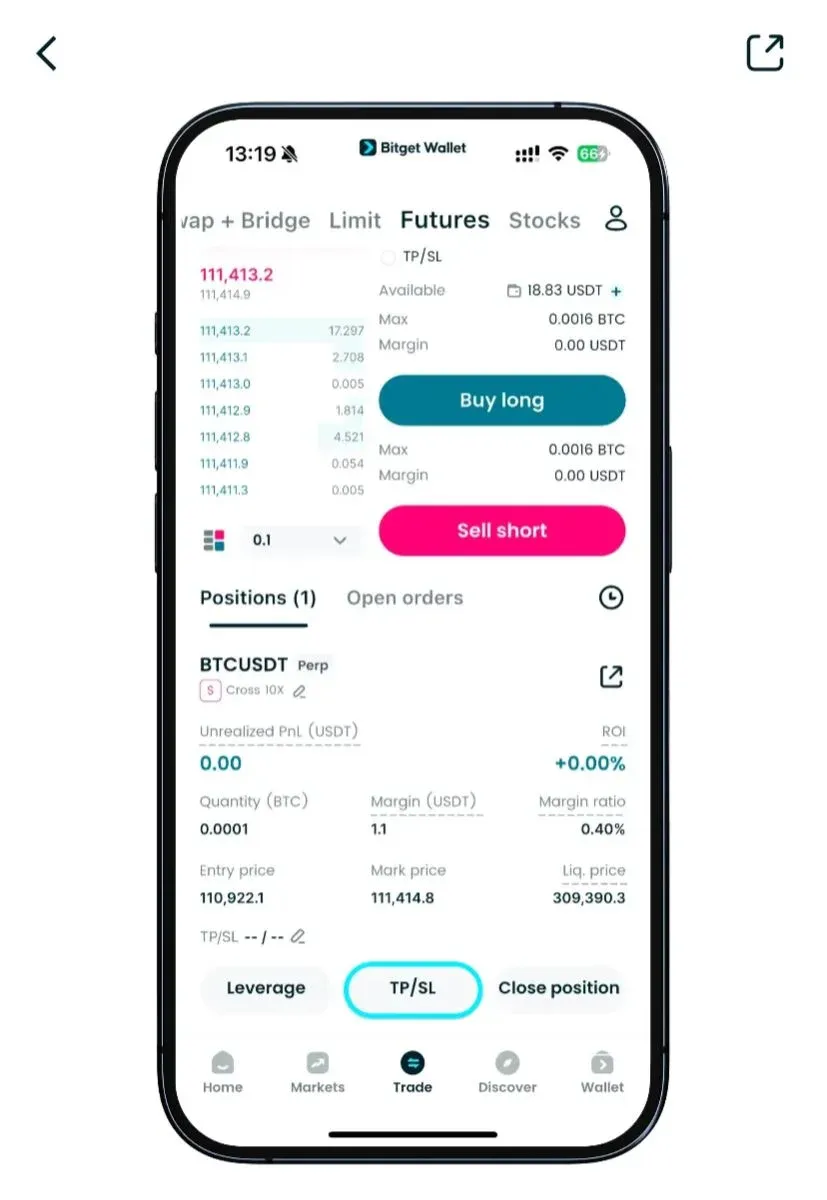
- Set Take‑Profit / Stop‑Loss → Input TP/SL trigger prices and confirm.
Risk Notice
- Choose leverage that aligns with your personal risk tolerance.
- Funding rates fluctuate with market conditions; monitor fee changes regularly.
- Keep an eye on your margin to avoid automatic liquidation due to insufficient collateral.
Tax Reminder: Profits from cryptocurrency trading, including perpetual contracts, may be taxable in your jurisdiction. Consult a local tax professional to ensure compliance with applicable laws, and consider using SEPA or SWIFT transfers for fiat withdrawals where relevant.
Closing Remarks
Perpetual decentralized exchanges eliminate centralized intermediaries, delivering a transparent, auditable, and self‑sovereign way to trade derivatives. Platforms such as HyperLiquid, Aster, and Bitget Wallet are pushing this new paradigm from experiment to mainstream, gradually bringing institutional‑grade tools to everyday traders.
Frequently Asked Questions
1. What does “perpetual” mean in a perpetual contract?
A perpetual contract has no fixed expiry date; it relies on a funding‑rate mechanism to keep the contract price continuously aligned with the spot price.
2. Are Perp DEXs safer than centralized exchanges?
Since users retain private keys and control their assets, custodial risk is reduced. However, you still need to evaluate the security of the underlying smart contracts.
3. How high can leverage be on a perpetual DEX?
Leverage limits vary by platform, typically ranging from 20× up to 1,000×. Use high leverage cautiously.
4. Which wallets can connect directly to Perp DEXs?
The Bitget Wallet offers seamless integration, supporting cross‑chain perpetual trading and collateral management.
5. Can I earn yield on the collateral while holding a position?
Some Perp DEXs allow you to deposit collateral into yield‑generating protocols, providing additional passive income during the life of the position.
Related Reading
- What is a DEX? Best Decentralized Exchanges Guide 2026
- OKX Web3 Features: Earn with DeFi, NFTs & Wallet Integration
- What Is a DEX? Complete Guide to Decentralized Exchanges
💡 Register on Binance with referral code B2345 for the maximum trading fee discount. See Binance complete guide.



