
 Bitaigen Research
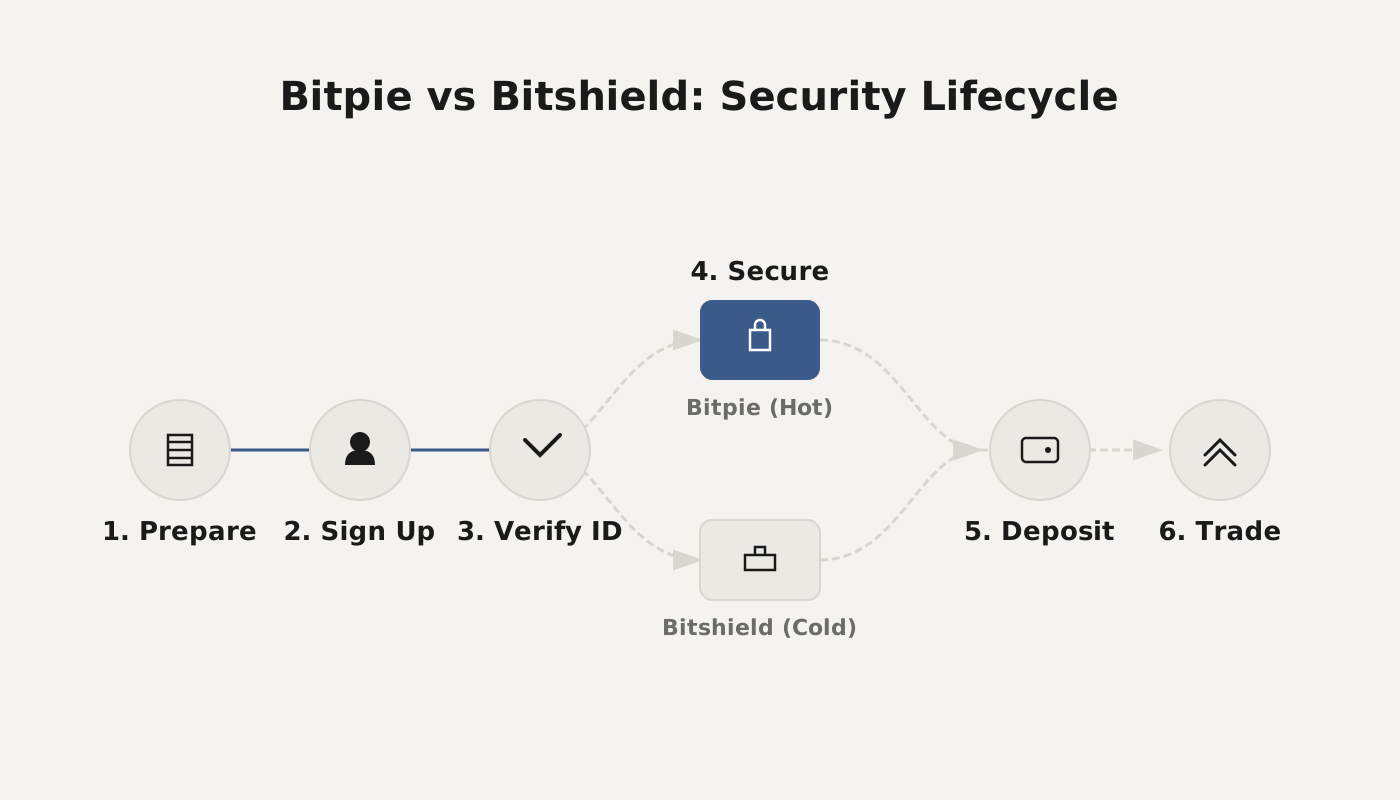
 From the perspectives of positioning, user flow, and security mechanisms, we outline the collaboration and differences between Bitpie and Bitshield, and provide key steps for switching accounts. Through illustrated examples, users can determine when to use a hot wallet and when to rely on hardware protection, avoid common pitfalls, and find the guide worth reading in detail.
Relationship and Differences Between Bitpie and Bitshield
Overview
Bitpie is a standalone hot wallet that allows users to manage their crypto assets daily without any additional hardware. In contrast, Bitshield is a hardware cold‑wallet that must be paired with Bitpie via Bluetooth to enhance the offline storage security of assets.
Connection Methods
Bitshield can be paired with Bitpie in either of the following situations:
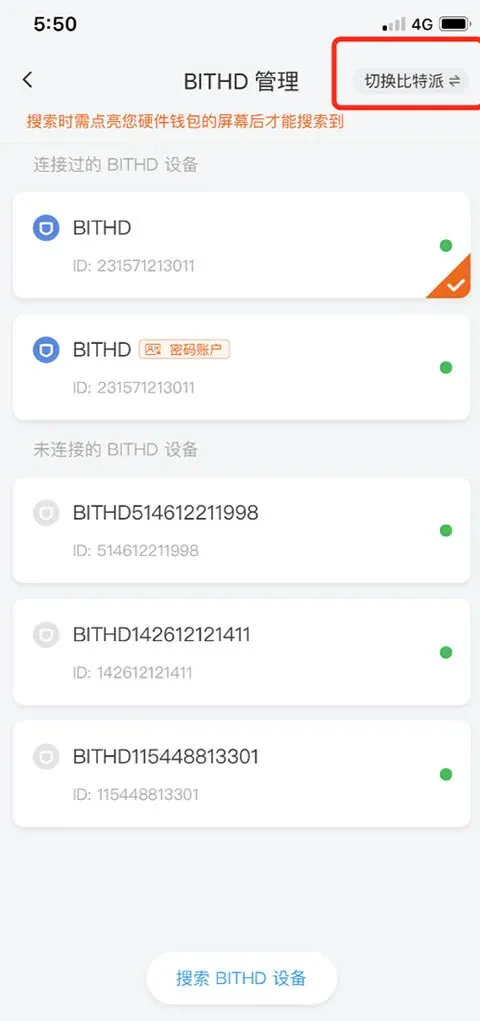
- Users who already have a Bitpie account open Bitpie → Me → BITHD Management → Link Shield.
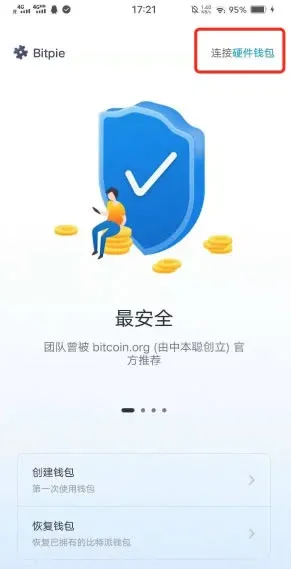
- Users who have only downloaded the Bitpie client but have not yet created an account can tap Connect Bitshield at the top‑right corner of the wallet’s home screen, without needing to register a Bitpie account first.
Details for Switching Accounts
- In the first connection mode (already possessing a Bitpie account), users may select Switch from Shield back to Bitpie account on the Bitshield management screen, enabling seamless toggling between the two.
- If the second method is used (no Bitpie account created), clicking Switch back to Bitpie will prompt the system to create a wallet. The newly created wallet is still a Bitpie account; be sure to store its mnemonic securely and keep it separate from the Shield’s mnemonic. After creation, returning to the Shield account requires re‑linking through the first method in the Bitshield management section.
Summary
Bitpie offers the convenience of a hot‑wallet solution, while Bitshield delivers higher security through dedicated hardware. Both can cooperate via the two pathways described above to satisfy a range of usage scenarios. For a deeper comparison of Bitpie and Bitshield, follow Bitaigen (Bitgen) and explore its related articles.
Related Reading
- imToken & Bitpie Wallets: Complete Step‑by‑Step Guide
- Crypto Wallet Types: Centralized vs Decentralized, Hot & Cold
- Desktop Wallets: How They Work, Types & Security
💡 Register on Binance with referral code B2345 for the maximum trading fee discount. See Binance complete guide.



