
 Bitaigen Research
 In this article we systematically outline the fundamental differences between cold wallets and hot wallets, and delve into the roles and generation principles of private keys and public keys. By providing practical steps for creating a mobile cold wallet and highlighting security considerations, we help newcomers build a reliable asset protection framework. If you want to master the key techniques for secure storage, continue reading to obtain the complete guide.
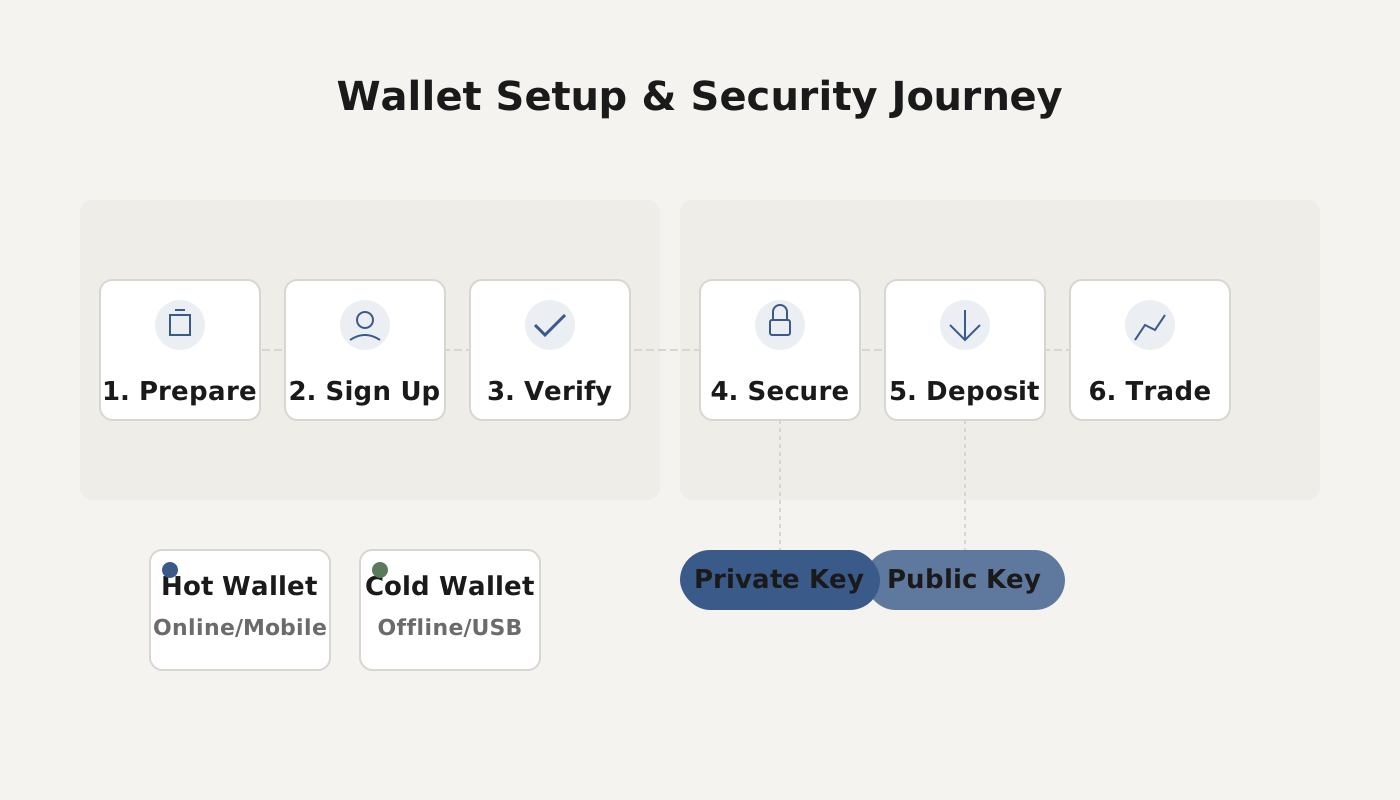
A cold wallet is a device or method that stores private keys offline, while a hot wallet is connected to the internet and available for immediate use. The private key determines ownership of the assets, and the public key is used to generate receiving addresses.
A cold wallet stores cryptocurrency private keys on an offline device, remaining permanently disconnected from the internet to enhance security. By contrast, a hot wallet stays continuously online, offering convenience but exposing the keys to a higher risk of network‑based attacks.
Basic Steps to Create a Cold Wallet on a Mobile Phone
- Download a reputable hardware‑wallet app: Choose applications such as Ledger Live, Trezor, or other official‑channel software, and avoid any suspicious or third‑party binaries.
- Install the app and create a wallet: Follow the on‑screen instructions, generate a recovery phrase (mnemonic seed), and record it carefully. This phrase is the sole credential for restoring the wallet.
- Generate a receiving address and back it up: Within the app, create a new address for the cryptocurrency you intend to receive, and be sure to store the recovery phrase offline (paper, metal card, etc.).
- Transfer assets: Move funds from other wallets or exchanges to the newly created cold‑wallet address.
- Offline storage: After the transfer, disconnect the phone from any network and place it in a secure location such as a safe deposit box or fire‑proof container, while also safeguarding the recovery phrase.
Security tip: When using a mobile phone to create a cold wallet, keep the operating system and security patches up to date, and never install applications from unknown sources or click suspicious links, as these can introduce malware that compromises your keys.
Core Concepts of Wallets and Receiving Addresses
- A wallet is a container that manages crypto assets, capable of generating the appropriate receiving addresses for each supported coin and signing transactions.
- Each cryptocurrency has its own independent receiving address; for example, a Bitcoin address can only receive Bitcoin, while an Ethereum address can only receive Ether, and the two are not interchangeable.
- Receiving addresses are usually a string of alphanumeric characters; to make them easier to read and use, they are often paired with a QR Code.
- Wallets come in many forms: desktop clients, mobile apps, web‑based plugins, browser extensions, etc., all of which can quickly generate the appropriate receiving address for a given coin.
Differences Between Cold Wallets and Hot Wallets
Overall, crypto wallets fall into two major categories: cold wallets and hot wallets. Both can manage receiving addresses, but a cold wallet does not maintain a continuous network connection, thereby reducing the risk of theft by hackers; its security level is naturally higher than that of a hot wallet.
The Importance of Private Keys
In the blockchain world there is a well‑known slogan: “Not Your Keys, Not Your Coins.” Only by possessing the private key can a user have full control over the assets in a wallet.
- The private key is analogous to a bank account’s withdrawal PIN; losing the private key means you cannot move the funds associated with the corresponding address.
- Approximately 20 % of all mined Bitcoin is believed to be permanently inaccessible because the private keys have been lost.
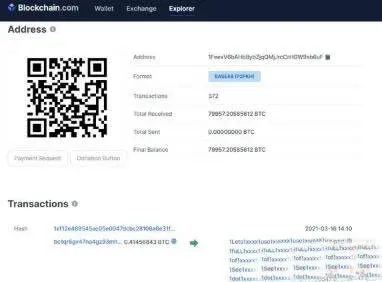
Relationship Among Private Key, Public Key, and Address
- Private key: Generated from a random number, typically about 50‑character long, with no discernible pattern.
- Public key: Uniquely derived from the private key, published on the network, and cannot be reverse‑engineered to reveal the private key.
- Address: Obtained by applying two hash functions (e.g., SHA‑256 followed by RIPEMD‑160) to the public key and then encoding the result; this is a one‑way process. Only the holder of the matching private key can spend the assets stored at that address.
Offline Storage Characteristics of Cold Wallets
The core function of a cold wallet is offline storage of the private key. Cold wallets appear in several formats, including:
| Form | Typical Devices | Notable Features |
|---|---|---|
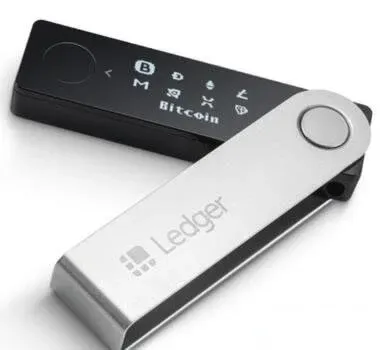
| USB‑type hardware wallet | Ledger Nano X, Trezor Model T | Built‑in secure element, supports PIN/fingerprint |
| Card‑style hardware | Metal cards, paper seed cards | Ultra‑compact and portable |
| Handwritten paper | Private key written on paper | Completely offline, lowest cost |
As long as the private key never contacts a network, the solution qualifies as a cold wallet.
Use Cases for Hot Wallets
Because hot wallets remain online, they are suited for frequent trading and small‑value spending:
- Multi‑coin support: Most hot wallets can generate receiving addresses for a wide range of cryptocurrencies.
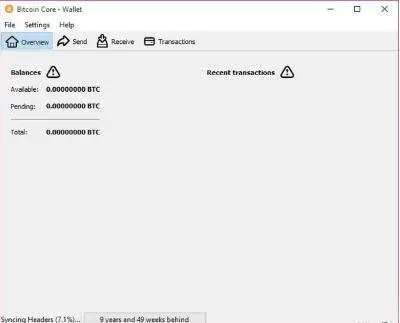
- Private keys stored locally: Users retain custody of the keys on their device, but the device must stay connected to the internet.
- When selecting a hot wallet, evaluate the trustworthiness of the service provider, the user‑interface friendliness, the range of supported coins, and the ease of backup.
Be aware that online wallets provided by exchanges often do not give users direct access to the private key; keeping large amounts of assets in such custodial wallets carries a significant long‑term risk.
Closing Remarks
Cold wallets provide offline private‑key storage and represent the highest level of security; hot wallets, being constantly online and user‑friendly, are appropriate for everyday low‑value transactions. Regardless of the wallet type you choose, the private key remains the fundamental element that controls your assets, while the public key is used to generate receiving addresses. Understanding and correctly managing both is a prerequisite for safe cryptocurrency usage.
The above constitutes a complete analysis of “What is a cold wallet and what is a hot wallet? How do private keys and public keys work?”. For additional related material, follow the other articles published by Bitaigen (比特根).
Localization note: When converting fiat currency to crypto or vice versa on a global platform, transactions are typically settled in USD and may use SEPA (for Euro‑zone users) or SWIFT for international bank transfers. Users located in the United States should use Binance.US rather than the global Binance platform to remain compliant with local regulations.
Tax reminder: Cryptocurrency gains may be taxable in your jurisdiction. It is advisable to consult a qualified tax professional to understand your reporting obligations.
Related Reading
- Cold Wallet Security Guide: Offline Protection & Hardware Solutions
- Coinbase Wallet Review: Secure Crypto & NFT Management
- Create and Secure an Ethereum Cold Wallet – Complete Guide
💡 Register on Binance with referral code B2345 for the maximum trading fee discount. See Binance complete guide.



