
 Bitaigen Research
 In the blockchain ecosystem, the tools that users interact with most frequently are exchanges and wallets. Exchanges are used for buying and selling, while wallets are employed for the secure storage of digital assets.
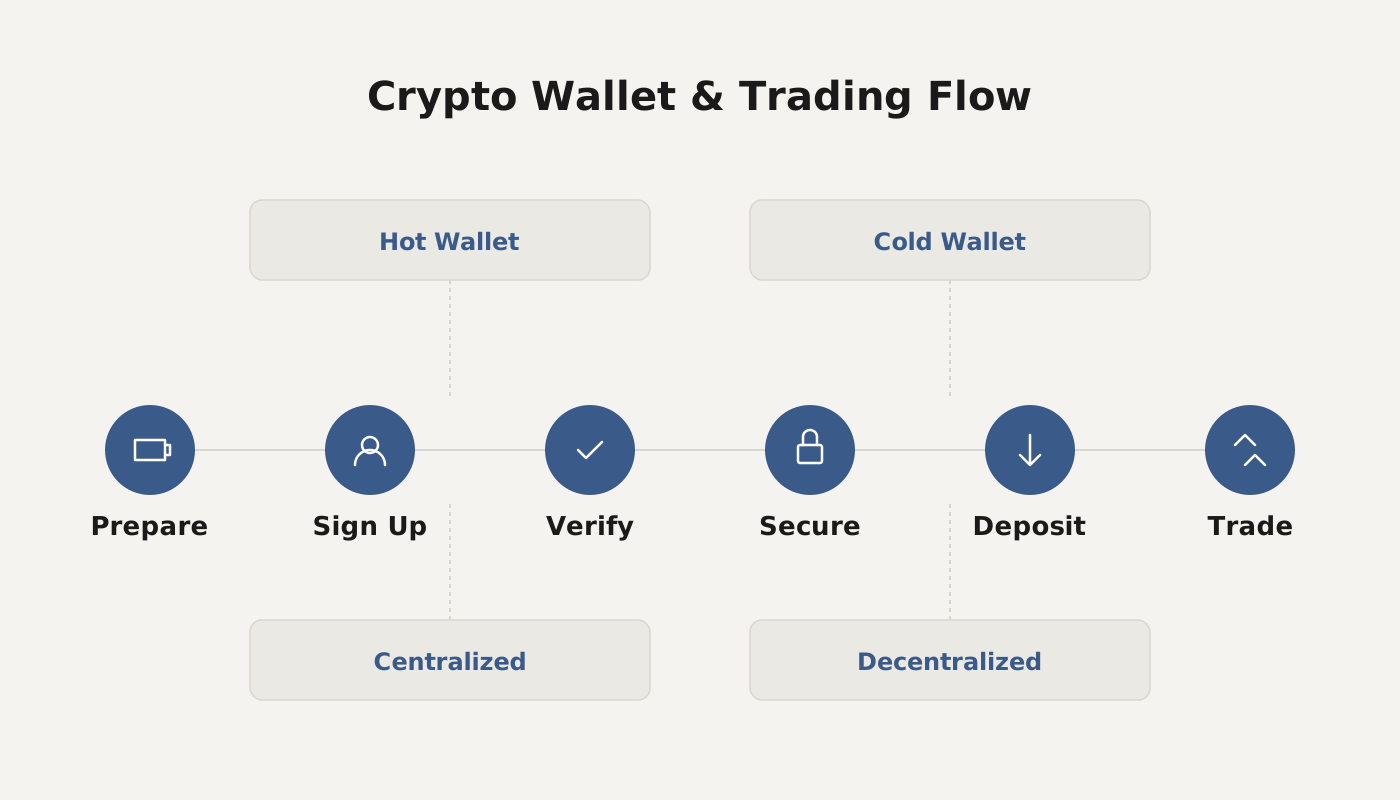
Blockchain wallets can be classified according to who controls the private key, their network connectivity, degree of decentralisation, form factor, and supported currencies. Common categories include centralized vs. decentralized, cold vs. hot, full‑node vs. light‑node, software vs. hardware, and single‑currency vs. multi‑currency wallets.
In this article we systematically review the main classifications of blockchain wallets—from private‑key custody to network connection, cold‑/hot attributes, and multi‑currency support—helping readers quickly understand the security characteristics and use‑case scenarios of each type, and locate the asset‑management tool that best fits their needs.
What Is a Blockchain Wallet?
Mobile payment platforms such as Alipay and WeChat Pay have familiarised many people with the concept of an electronic wallet. An e‑wallet converts physical cash into a visualised digital asset, dramatically changing everyday payment habits.
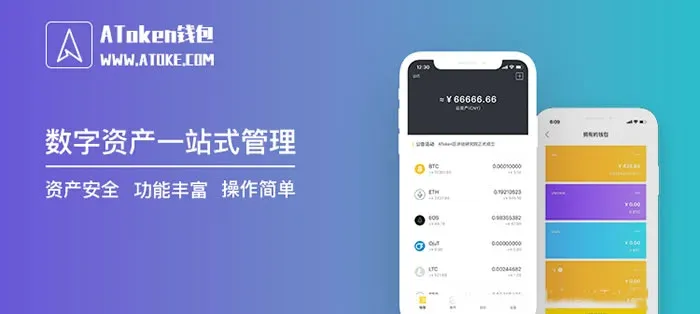
A blockchain wallet is similar in spirit to an electronic wallet, but it focuses on managing the keys and addresses of blockchain nodes. In essence, it is a software or hardware instrument for holding cryptocurrencies. As the variety of digital assets has exploded, wallet forms have diversified as well. Below we analyse the most common classifications across several dimensions.
01 Classification by Private‑Key Custody
| Category | Characteristics |
|---|---|
| **Centralized wallet** | The private key is held by a third‑party or service provider; the user does not possess it directly. |
| **Decentralized wallet** | The private key is stored entirely by the user, and the service provider cannot obtain it. |
02 Classification by Network Connection
| Category | Explanation |
|---|---|
| **Cold wallet** (offline wallet) | Physically isolated from the internet; can be implemented using an air‑gapped phone, an old computer, a USB drive, a hardware device, etc. |
| **Hot wallet** (online wallet) | Operates through an app, website, or other network‑connected interface; convenient but carries relatively higher security risks. |
The majority of casual users tend to use hot wallets, whereas users with large asset holdings usually prefer cold wallets to reduce the probability of hacker attacks.
03 Classification by Degree of Decentralisation
| Category | Structure | Suitable Scenarios |
|---|---|---|
| **Full‑node wallet** | Synchronises the entire blockchain data set, requiring substantial storage; commonly found in desktop clients. | Advanced users who need complete on‑chain verification. |
| **Light‑node wallet** | Relies on other full nodes in the network and only downloads the information required for operation; lightweight and user‑friendly. | Beginners and ordinary users who manage multiple chains. |
04 Classification by Form Factor
| Category | Form | Representative Products |
|---|---|---|
| **Software wallet** | Delivered as an application installed on a computer or smartphone, without any extra hardware. | Exodus, MetaMask, Trust Wallet, etc. |
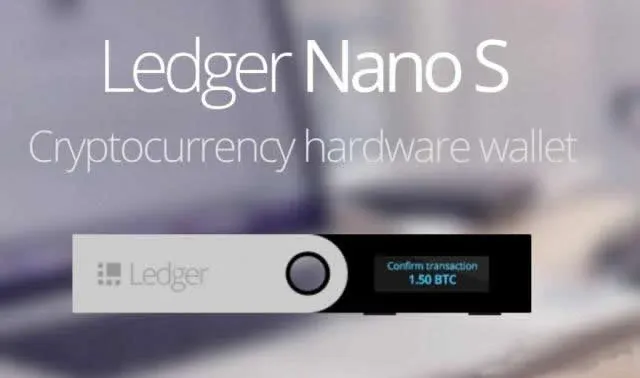
| **Hardware wallet** | A physical device, usually operating as a cold wallet, though some models support both cold and hot functionalities. | Ledger, Trezor, SafePal, etc. |
05 Classification by Number of Supported Currencies
| Category | Explanation |
|---|---|
| **Single‑currency wallet** | Supports only one blockchain mainnet or its native token; often developed by the project team itself. |
| **Multi‑currency wallet** | Supports multiple blockchains or a variety of tokens, fulfilling cross‑chain asset‑management needs. |
| **Universal‑currency wallet** (theoretical) | In theory would cover every blockchain asset; because the number of digital currencies keeps growing, such a wallet has not yet been realised. |
Common Blockchain Wallets and Their Features
The following products span hardware, software, mobile, cross‑chain, and online categories, assisting users in selecting the appropriate tool for their requirements.
1. Hardware Wallets (Highest Security Level)
- Ledger Nano S / Nano X: Utilises a Secure Element (CC EAL5+), supports many currencies; the Nano X adds Bluetooth for mobile‑device compatibility.
- Trezor One / Model T: Open‑source firmware with an active community; the Model T includes a touchscreen for a smoother experience.
- OneKey, imKey and other domestic brands: Offer solutions based on locally produced secure chips.
2. Software Wallets (Suitable for Daily Trading)
- Exodus: Multi‑currency support, built‑in real‑time market data, and one‑click swap functionality.
- Electrum: Focused on Bitcoin, lightweight yet secure, supports cold storage and multi‑signature setups.
3. Mobile Wallets (Manage Assets Anywhere, Anytime)
- OKX Web3 Wallet: Deeply integrated with the OKX exchange, offering a streamlined user interface.
- Trust Wallet: Supports multiple chains and DApps; it is tightly integrated with Binance for global users, while U.S. users must connect via Binance.US to remain compliant with local regulations.
- Coinbase Wallet: Provides DApp browsing and one‑click buy/sell features, with fiat on‑ramps in USD, EUR (SEPA) and other major currencies.
4. Multi‑Chain Wallets (Unified Management of Assets Across Chains)
- MetaMask: Primarily for Ethereum and ERC‑20 tokens, but compatible with many decentralized applications (dApps).
- BOSS Wallet: Covers dozens of mainstream public chains, offers zero‑gas‑fee transfers and an all‑in‑one Web3 gateway.
5. Online Wallets (Browser‑Based, No Installation Required)
- Blockchain.com Wallet: User‑friendly interface with relatively high security standards.
- MyEtherWallet (MEW): Open‑source Ethereum wallet that can be linked to hardware devices for added protection.
Selection Guidance (Based on Use‑Case)
| Need | Recommended Type |
|---|---|
| Long‑term cold storage | Hardware wallet (Ledger, Trezor) |
| High‑frequency trading | Software wallet (Exodus, Electrum) |
| Mobile convenience | Mobile wallet (Trust Wallet, Coinbase Wallet) |
| Cross‑chain asset management | Multi‑chain wallet (MetaMask, BOSS Wallet) |
| Quick browser access | Online wallet (Blockchain.com, MEW) |
Categories of Private‑Key Storage
Based on whether the private key is directly controlled by the user, wallets split into centralized wallets and decentralized wallets.
- Centralized wallet: The private key is custodial on the service provider’s servers, typical of exchange‑hosted wallets.
- Decentralized wallet: The private key resides only on the user’s device, rendering it inaccessible to the provider.
Further, decentralized wallets can be divided into cold wallets and hot wallets depending on network connectivity. Cold wallets include paper wallets, hardware wallets, and other offline tools, while hot wallets encompass desktop, mobile, and web‑based solutions.
Sub‑division by Decentralisation Level
- Full‑node wallet: Synchronises the complete blockchain, consuming large storage; examples include Bitcoin Core, Geth, and Parity.
- Light‑node wallet: Relies on full nodes in the network and downloads only the necessary data; commonly found in mobile and web wallets.
Centralized wallets keep their balances on the provider’s internal ledger. For instance, after depositing to an exchange, the blockchain records a single on‑chain transfer; subsequent balance changes occur entirely within the exchange’s own accounting system.
Methods of Private‑Key Generation
From the perspective of key generation, wallets can be divided into non‑deterministic wallets, deterministic wallets, and hierarchical deterministic (HD) wallets.
Non‑Deterministic Wallets
Each private key is generated independently, lacking reproducibility.
Deterministic Wallets
A single seed (often a mnemonic phrase) is used with an algorithm to derive private keys; the same seed always yields the same keys, enabling the creation of an unlimited number of addresses.
Think of it like a branch on a tree: as long as you pick the same spot, the leaf (private key) never changes.
Hierarchical Deterministic Wallets (HD Wallets)
Building on deterministic wallets, an master private key concept is introduced, forming a hierarchical structure where each level can generate child private keys.
It is comparable to a trunk that splits into several branches; each branch’s leaves (private keys) are deterministically defined.
---
This completes the comprehensive overview of the different categories of blockchain wallets. For more detailed information, follow Bitaigen (比特根) and its related channels.
*Note: In many jurisdictions, profits realized from cryptocurrency transactions may be subject to taxation. Users should consult local tax regulations or a professional advisor to ensure compliance.*
Related Reading
- 2024 Secure Crypto Wallets: imToken, HyperPay, Ledger, Cobo
- Top 10 Crypto Wallets 2024: Multi‑Chain & Custodial
- Trust Wallet Review: Security, Decentralization, Multi‑Chain
💡 Register on Binance with referral code B2345 for the maximum trading fee discount. See Binance complete guide.



