
 Bitaigen Research
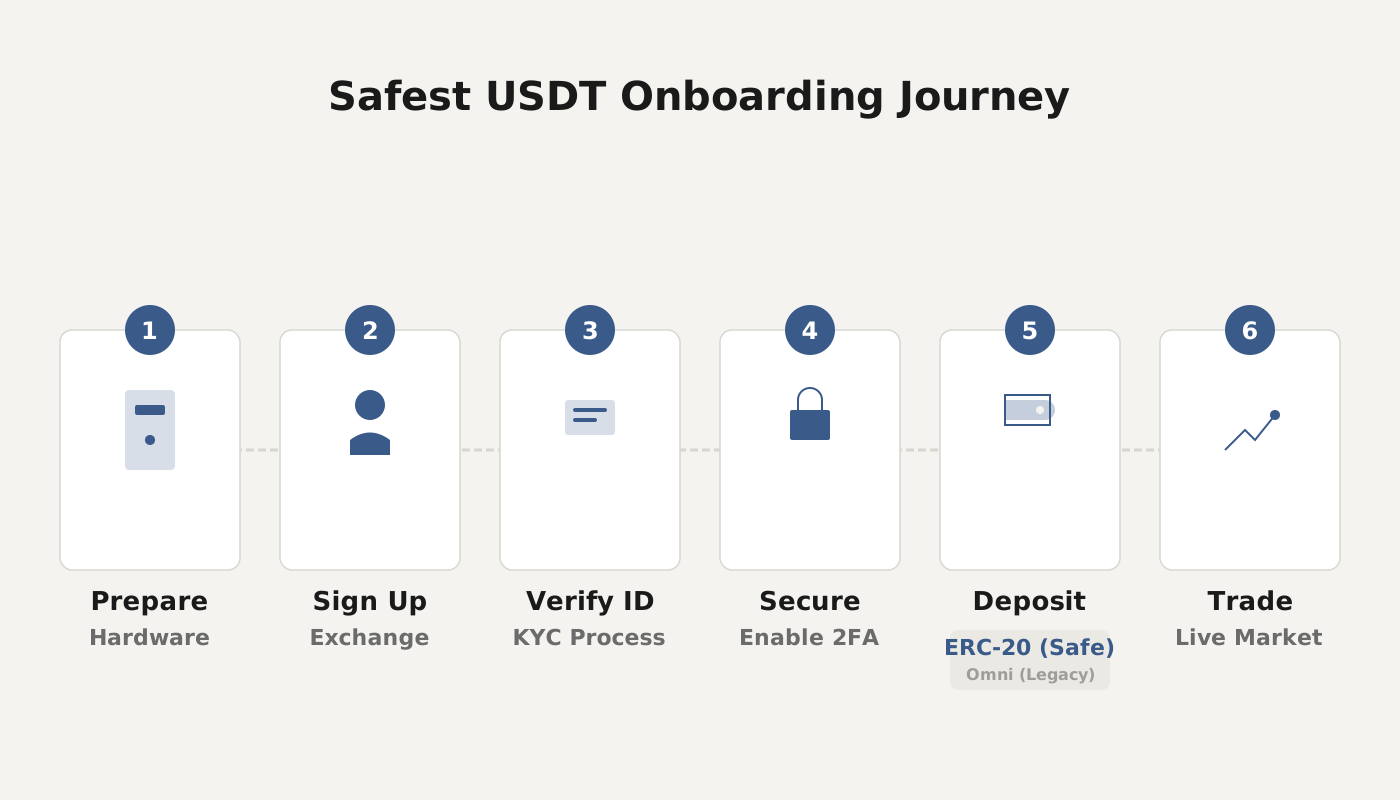
 The safest USDT wallet address depends on the network and wallet type used; hardware wallets (such as Ledger, Trezor) combined with the ERC‑20 or OMNI protocol can provide the highest level of security.
In this article we systematically outline the security factors of USDT wallet addresses, analyze the protection advantages of different networks and hardware wallets, and provide practical guides for address generation and identification. The goal is to help users avoid common risks when selecting and using wallets, thereby enhancing asset safety.
What Is a USDT Wallet Address?
A USDT wallet address is a unique identifier used to receive, store, and send USDT. It consists of a string of 26‑34 alphanumeric characters. The address is generated by cryptographic algorithms, ensuring uniqueness and tamper‑resistance. USDT issued on different blockchains also has distinct contract addresses, for example:
| Blockchain | Contract address example |
|---|---|
| **Ethereum (ERC‑20)** | `0xdac17f958d2ee523a2206206994597c13d831ec7` |
| **TRON (TRC‑20)** | `TR7NHqjeKQxGTCi8q8ZY4pL8otSzgjLj6t` |
| **Omni (Bitcoin‑based)** | Recorded via an OP_RETURN output on the Bitcoin transaction chain |
A USDT address functions like a bank account number in the digital‑currency world: anyone who knows the address can send funds to it.
Which Type of USDT Wallet Address Is the Safest?
Security is influenced by two major factors: wallet type and the blockchain network used.
Wallet Type
| Type | Representative products | Security characteristics |
|---|---|---|
| **Hardware wallet** | Ledger, Trezor | Private keys stored offline, chip‑level protection, immune to online attacks |
| **Decentralized software wallet** | MetaMask, TokenPocket, imToken | Multi‑chain support, biometric (fingerprint/face) authentication, convenient for daily use |
| **Centralized exchange wallet** | OKX, Binance | Custodied by the platform, suitable for short‑term trading but requires trust in the exchange’s security |
Blockchain Network
- ERC‑20 (Ethereum): Proven security over many years, strong compatibility, suitable for long‑term storage.
- TRC‑20 (TRON): Fast transaction speed and low fees, ideal for high‑frequency transfers.
- Omni (Bitcoin): Leverages Bitcoin’s robust network security, appropriate for ultra‑secure long‑term holding.
Overall, a hardware wallet + ERC‑20 or Omni combination offers the highest asset‑security guarantee; TRC‑20 provides cost and speed advantages and is better suited for everyday trading.
How to View a USDT Address on OKX?
The steps to view a deposit address on the OKX platform are as follows:
- Visit OKX official website, go to Asset Management → Deposit. !USDT wallet address and QR code
- Select the currency (e.g., XRP) and then click the corresponding Deposit Network. !OKX asset management page: select currency, switch deposit network
- If the chosen network requires a Tag/Memo, a prompt will appear; confirm it and continue. !Exchange deposit page: XRP with network and Tag input prompt
- The page displays the deposit address and tag; copy them to use for withdrawals from other platforms. !OKX USDT deposit page: address, tag, and “I understand” button
How to Check How Much USDT Another Wallet Holds
You can query publicly visible balances using a blockchain explorer:
- Open Etherscan (for Ethereum) or Tronscan (for TRON).
- Paste the target USDT address into the search bar and hit enter to view the balance and transaction history. !OKX platform USDT deposit page: address and tag fields
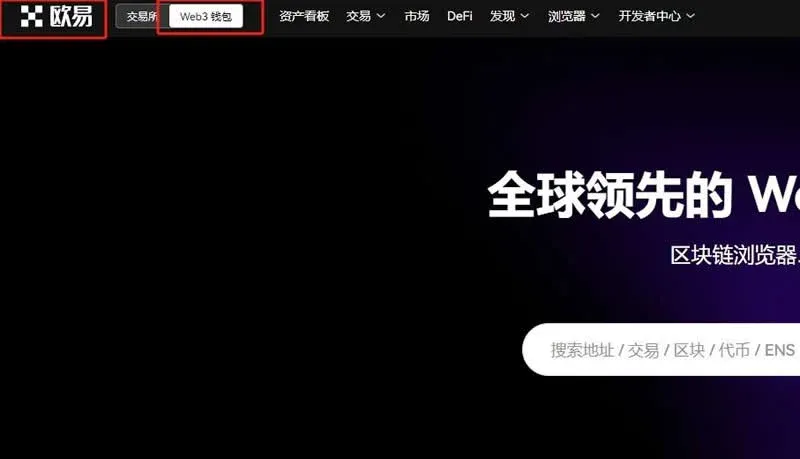
On OKX you can also enter an address directly on the Web3 Wallet page to perform the lookup.
Can a USDT Wallet Address Be Linked to Its Owner?
- Public nature: USDT transaction records are publicly stored on the blockchain; anyone can view an address’s transfer history.
- Anonymity: The address itself does not contain personal identity information. Unless an exchange enforces KYC, the address cannot be directly associated with an individual.
- Tracing difficulty: Only after obtaining off‑chain identity data (e.g., from an exchange) can the address be linked to a real person. !USDT wallet address lookup: input box and search button
How to Generate a USDT Wallet Address
Below we use imToken 2.0 as an example to demonstrate how to add USDT on different networks.
Adding TRC‑20 USDT (TRON)
- Open imToken, tap the top‑right Manage → Add Network. !USDT wallet generation page: address and QR code
- In the Network List, select TRON, confirm, and return to the main screen. !Top‑right manage button opens wallet tab, add wallet, shows TRX selection
- Tap Add Wallet → choose TRX; the app will automatically display the supported USDT (TRC‑20) token. !Mobile wallet page: add‑wallet interface for TRON network
- If it does not appear, manually search for the contract address `TR7NHqjeKQxGTCi8q8ZY4pL8otSzgjLj6t` and add it. !Add‑wallet page: dropdown to select TRON network
Adding ERC‑20 USDT (Ethereum)
- From the imToken main screen, tap the top‑right + → Add Token. !Wallet view: added TRC20 USDT icon
- Enter USDT in the search box and select USDT (ERC‑20). !Wallet view: added TRC20 USDT asset with receive option
- Confirm; USDT will appear in the asset list. Tap Receive to copy the address. !Wallet view: right‑side plus icon, search box for USDT
Brief Overview of Adding USDT in Other Popular Wallets
| Wallet | Summary of Adding Steps |
|---|---|
| **MetaMask** | Install the browser extension → select the **Ethereum** network → in “Assets” click “Add Token”, search for USDT and confirm. |
| **TokenPocket** | Open the app → “Assets” → “Add Asset” → choose the network → enter the contract address or search for USDT. |
| **Ledger** (hardware) | Create an Ethereum account via Ledger Live → enable ERC‑20 tokens in Ledger Live → add USDT. |
Tip: Always verify the contract address before adding any token to avoid counterfeit tokens that could lead to loss of funds.
How to Prevent Your USDT Wallet Address From Being Leaked
- Avoid public sharing: Do not post the full address on social media or open forums.
- Use privacy‑focused coins: If higher anonymity is required, consider sending value using privacy coins such as Monero or Zcash.
- Layered addresses: Create separate addresses for different purposes (trading, long‑term storage, receiving) to reduce correlation risk.
- Beware of phishing: Treat any request for your address or tag with caution, as it may be a social‑engineering attempt.
---
The content above addresses the core questions of which USDT wallet address is the safest, how to view a wallet address, and how to generate a wallet address. For long‑term holding, using OMNI or ERC‑20 together with a hardware wallet is recommended; for frequent trading, TRC‑20 (or BSC) networks are more convenient. Developing solid security habits remains essential for safeguarding cryptocurrency assets.
Related Reading
💡 Register on Binance with referral code B2345 for the maximum trading fee discount. See Binance complete guide.



