
 Bitaigen Research
 The three major crypto exchanges commonly referred to in the industry are Huobi, OKX, and Binance. Each excels in a different area—spot trading, derivatives, or an integrated service suite—so there is no absolute “best” choice; users should pick the platform that matches their specific needs.
In this article we outline the business layouts and typical user profiles of the three exchanges widely recognized in the crypto space. We compare the strengths and weaknesses of spot markets, futures contracts, and comprehensive services. By objectively reviewing each platform’s history, fee structure, and risk points, we aim to help investors with different requirements find the most suitable entry point. The following sections provide a detailed breakdown.
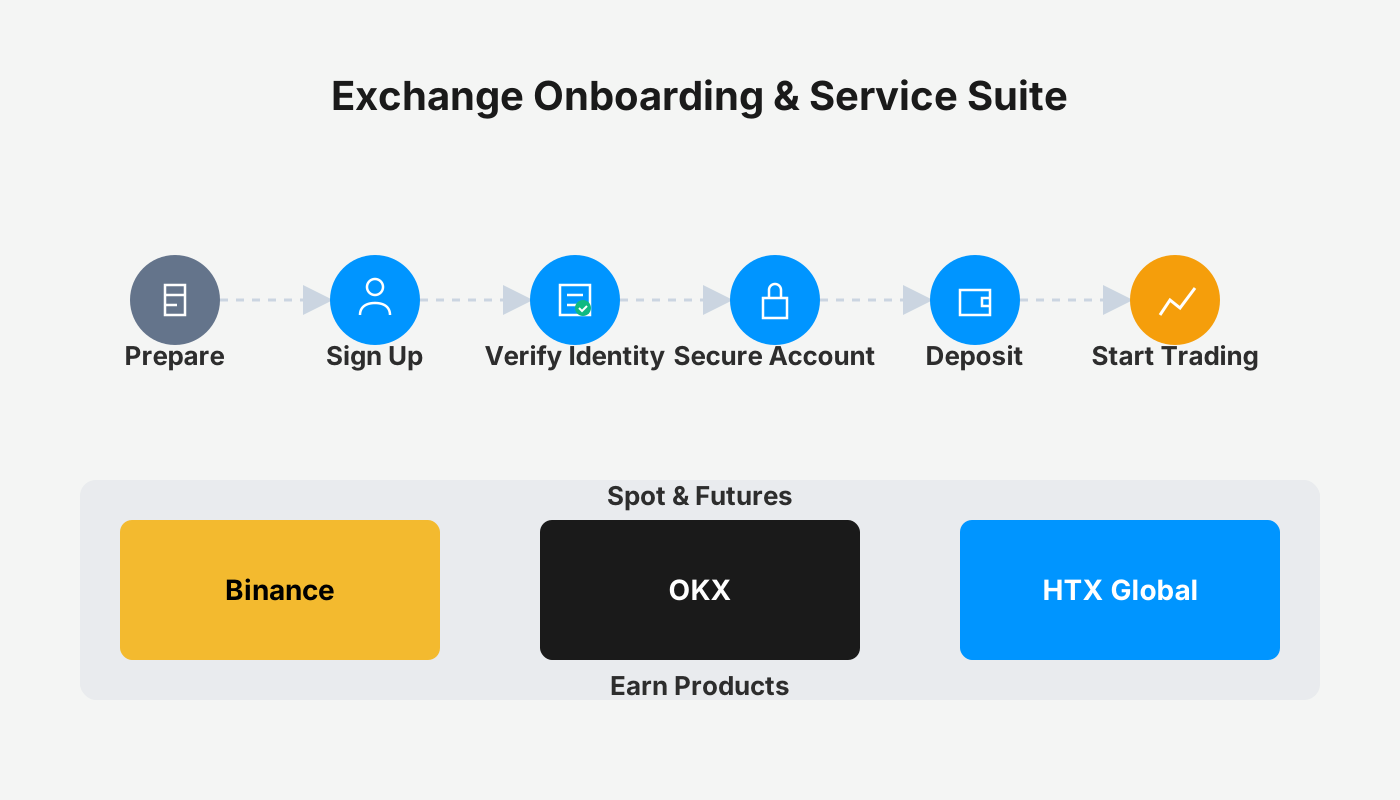
Which of the three major crypto exchanges is the most suitable?
1. OKX
If Huobi is the exchange where retail traders congregate the most, OKX is the hub for large‑scale traders and derivatives enthusiasts, especially known for its futures (contract) business.
- Historical evolution: OKX originated from OKCoin, which once led the spot‑trading market before gradually shifting its focus to futures. Its high leverage options and low entry barriers attracted a sizable community of contract traders.
- Advantages
- High contract leverage and relatively low fee sharing make it popular among futures players.
- Strong capital liquidity and high platform stickiness have created a fairly stable trading ecosystem.
- Drawbacks
- Contract trading sometimes experiences “price spikes” (often called “pinning” or “spikes”), causing sharp asset fluctuations for users.
- Past incidents of transaction rollbacks have raised concerns about technical security and potential geopolitical risks.
- Some newly listed tokens performed poorly and were delisted quickly, limiting user enthusiasm for new projects.
- Personnel turnover: Senior management and core team members have shown considerable mobility; a few former staff have publicly criticized founder Xu Mingxing and even launched competing ventures.
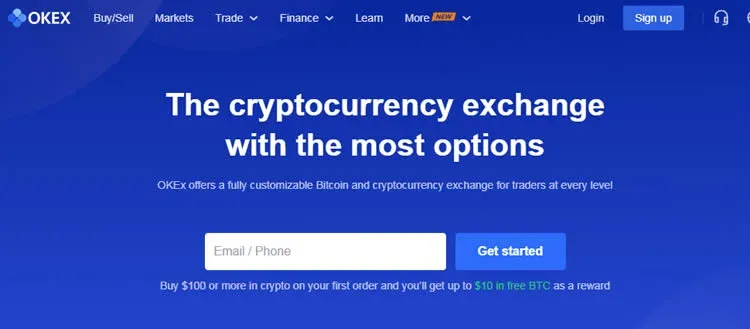
2. Binance
Binance was founded in the second half of 2017. Although its operating history is relatively short, rapid product rollout and a global marketing strategy quickly propelled it to a leading industry position.
- Core strengths
- The native token BNB surged hundreds of times in value during its early listing, fueling rapid growth of the platform‑token ecosystem.
- Founders Changpeng Zhao (CZ) and He Yi previously worked at OKX; leveraging deep industry connections and strong marketing capabilities, they built Binance into an internationally recognized brand.
- The IEO (Initial Exchange Offering) model launched in 2019 set an industry benchmark and attracted large inflows of capital.
- Weaknesses
- Lacks a formal governmental backing; regulatory sensitivity is high. After the “94 incident” the platform publicly announced it would no longer serve the Chinese market, which upset some users.
- As the ICO/IEO boom faded, several listed projects fell below their issue price during bear markets, undermining the “no‑loss‑on‑listing” slogan.
- Security incident: a risk event involving the theft of 7,000 BTC was reported. Although the loss was fully covered by the platform’s risk reserve fund, the episode left a negative imprint on its reputation.
- Maintenance outages often occur without prior notice, triggering market panic and raising questions about technical reliability.
Note for U.S. residents: Binance’s global platform is not available in the United States. U.S. users should access Binance.US, which operates under a separate regulatory framework.
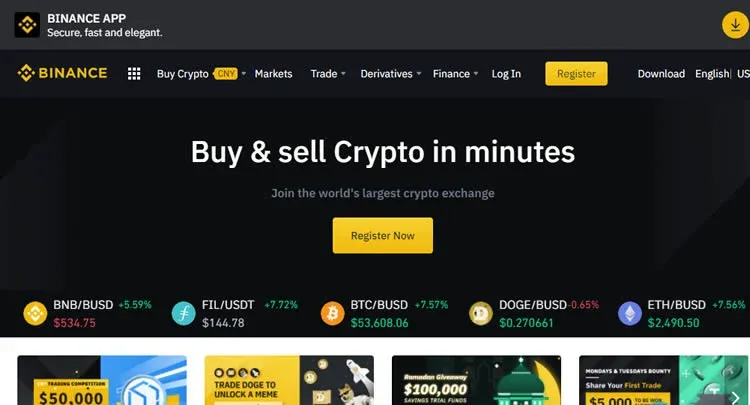
3. Huobi
Huobi is one of the earliest digital‑asset exchanges in China and primarily serves retail investors. It enjoys a clear advantage in spot‑market depth and liquidity.
- Advantages
- The deepest spot market with narrow bid‑ask spreads, making it a preferred entry point for retail buyers.
- Relatively stable relations with regulators; the company continues to develop a compliant operational framework in Hainan, which may eventually secure full legal licensing.
- Recent public disclosures of cold‑wallet holdings demonstrate the platform’s asset robustness.
- Weaknesses
- Product innovation lag: New features and derivative products often follow competitors rather than lead, resulting in limited differentiation.
- Large employee base and internal governance issues increase the risk of inefficiency and potential misconduct.
- Marketing spend has declined in recent years, reducing brand visibility.
- Some listed ICO projects have been of low quality, prompting users to question Huobi’s token‑listing vetting process.
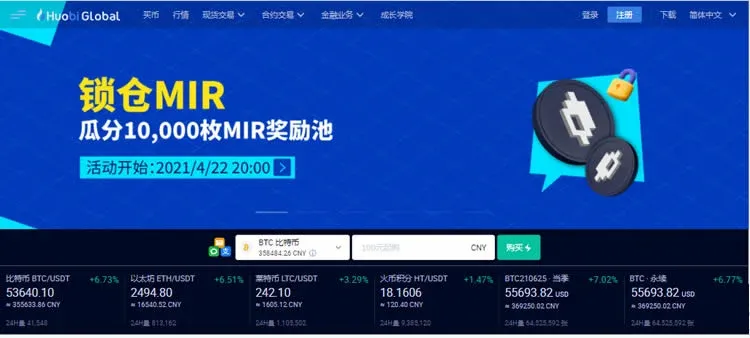
Side‑by‑side comparison
| Exchange | Main Advantages | Main Disadvantages |
|---|---|---|
| **OKX** | High futures leverage, strong capital liquidity | Spike risk, rollback controversies, high staff turnover |
| **Binance** | Global brand, BNB token ecosystem, IEO benchmark | No official backing, regulatory sensitivity, past theft incident |
| **Huobi** | Excellent spot depth, broad retail base | Slow innovation, internal management issues, uneven token‑listing quality |
From a fee perspective, all three platforms compete by lowering trading commissions. Investors can choose based on whether they prioritize spot or derivatives trading, how much emphasis they place on platform security, and how open they are to new token listings.
Tax reminder: Crypto gains may be taxable in your jurisdiction. Be sure to consult local tax regulations and report any realized profits accordingly.
---
This concludes the comprehensive analysis of “What are the three major crypto exchanges? Which one is the best?” For more industry updates, follow Bitaigen (比特根) and its related sections.
Related Reading
- Buy Crypto in China via Overseas Exchanges like OKX
- Activate & Trade Huobi Perpetual Contracts: Guide
- Top 10 Blockchain Apps 2024: OKX, Binance & Trading Rankings
💡 Register on Binance with referral code B2345 for the maximum trading fee discount. See Binance complete guide.



