
 Bitaigen Research
 2025 marks the transition of Real‑World Asset (RWA) tokenization from proof‑of‑concept to large‑scale implementation. The latest data shows that in the first quarter of 2025 alone, the total market cap of tokenized RWAs grew 37 % month‑over‑month, surpassing $17.9 billion, a significant increase from the $10 billion recorded at the same time last year. According to research by Bitwise Investments and the Security Token Market, industry analysts project that this niche will approach $30 trillion by 2030, expanding cumulatively to roughly $600 billion before that date.
Note: The placeholder chart below must remain unchanged:
!Illustration of the link between real‑estate, bonds, commodities and blockchain
---
In this article we outline the most promising RWA tokenization projects of 2025, dissect the underlying technology and compliance frameworks, and assess the rollout outlook across different asset classes. By blending data with real‑world case studies, readers can quickly capture the sector’s key trends. Subsequent sections will provide detailed comparisons, making a thorough read worthwhile.
How RWA Tokenization Works
Real‑World Asset tokenization refers to the conversion of a physical or off‑chain asset into a tradable token on a blockchain, where each token represents a fractional slice of the underlying asset. The full process typically comprises four stages:
- Asset selection – Identify a tangible or financial item that can be tokenized (e.g., commercial real‑estate, U.S. Treasury bonds, or gold).
- Legal structuring – Use a Special Purpose Vehicle (SPV) or trust to bring the asset under a compliant framework, ensuring clear ownership and regulatory oversight.
- Token issuance – Mint digital tokens in a smart contract that correspond to the SPV’s ownership share, embedding KYC/AML checks and reserve‑audit logic.
- On‑chain circulation – List the tokens on compliant exchanges or decentralized marketplaces, enabling 24/7 buying and selling.
Diagram: End‑to‑end tokenized‑asset issuance flow (source: Briccken & Cointelegraph)
!Diagram of the process that turns a real asset into a blockchain token
Core Benefits
- Fractional ownership – High‑value assets are sliced into low‑threshold tokens, reducing the entry barrier for individual investors.
- Enhanced liquidity – Traditionally illiquid assets can be traded at any time on global on‑chain markets.
- Automated compliance – KYC/AML and reserve proofs are hard‑coded into contracts, lowering the risk of human error.
- Institutional participation – Bonds, real‑estate, art and other legacy assets appear on‑chain, providing new channels for institutions.
---
Drivers Accelerating the Market
By the end of 2024, publicly recorded tokenized bonds, real‑estate and equities on chain amounted to roughly $50 billion, up 67 % from the $30 billion at the start of the year. Including approximately $200 billion worth of stablecoins brings the total close to $250 billion. The Security Token Market’s report further projects that by the end of 2025 the market cap could near $600 billion, eventually approaching $30 trillion by 2030.
Regulatory tailwinds are equally influential. In February 2025, the Hong Kong Securities and Futures Commission (SFC) released a “Five‑Pillar” roadmap covering trading venues, custodians and token‑issuers, furnishing a formal safety net for compliant products. The U.S. Securities and Exchange Commission (SEC) has also launched a pilot program and issued clear guidance for financial institutions, prompting several banks and asset‑management firms to initiate regulated tokenization projects.
---
The Ten Most‑Watched RWA Tokenization Projects of 2025
The following initiatives stand out for compliance, on‑chain activity and tangible deployment, spanning real‑estate, bonds and commodities.
1. Ondo (ONDO)
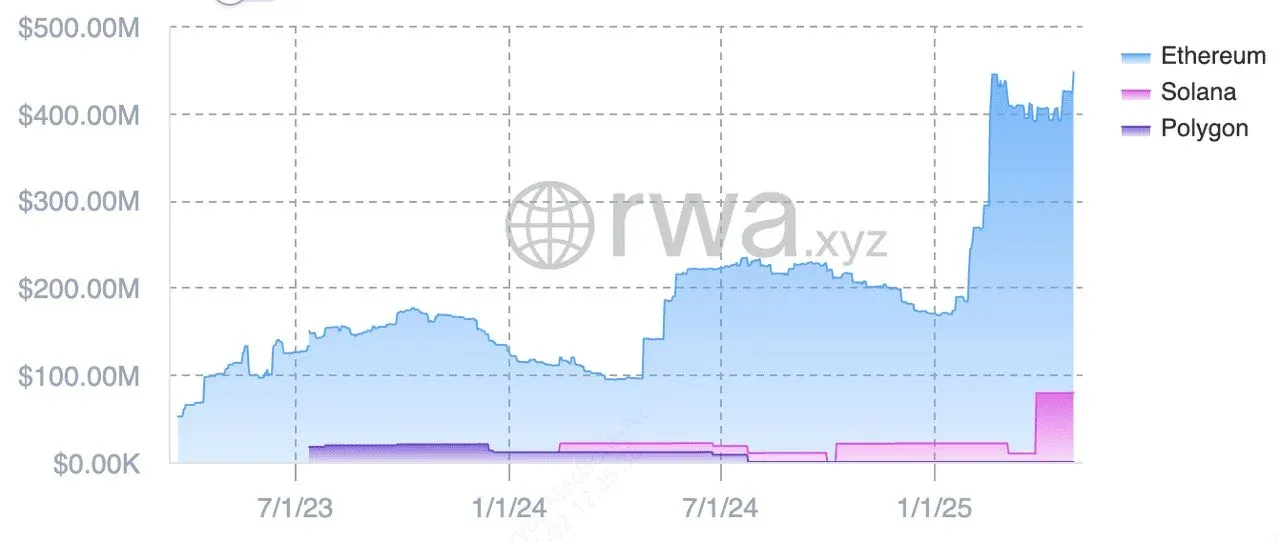
Ondo, a U.S.‑registered Money Services Business (MSB), offers tokenized short‑term U.S. Treasury and high‑quality bond solutions. Its flagship fund OUSG holds more than $446.9 million across Ethereum, Solana and Polygon, currently delivering an annualized yield of 4.07 % with a management fee of just 0.15 %. The platform leverages Nexus technology for instant mint‑and‑redeem operations and conducts monthly third‑party audits to guarantee a 1:1 asset backing.
2. BlackRock USD Institutional Digital Liquidity Fund (BUIDL)
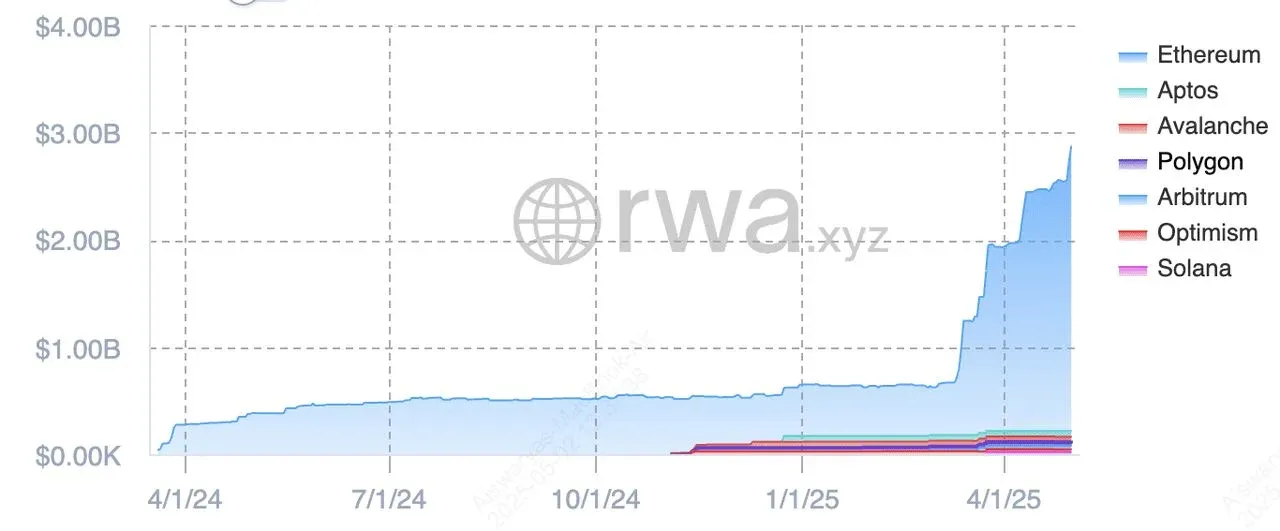
BUIDL is BlackRock’s first tokenized money‑market fund for qualified U.S. investors, with a minimum subscription of $5 million. As of the end of April 2025, the fund manages $2.87 billion, sees an average daily trading volume of $172 million, and maintains a token price of $1. All assets are allocated to cash, U.S. Treasuries, commercial paper and repos, custodied by BMO, audited by PwC, and settled near‑instantly on seven major blockchains via Securitize.
3. Chainlink (LINK)
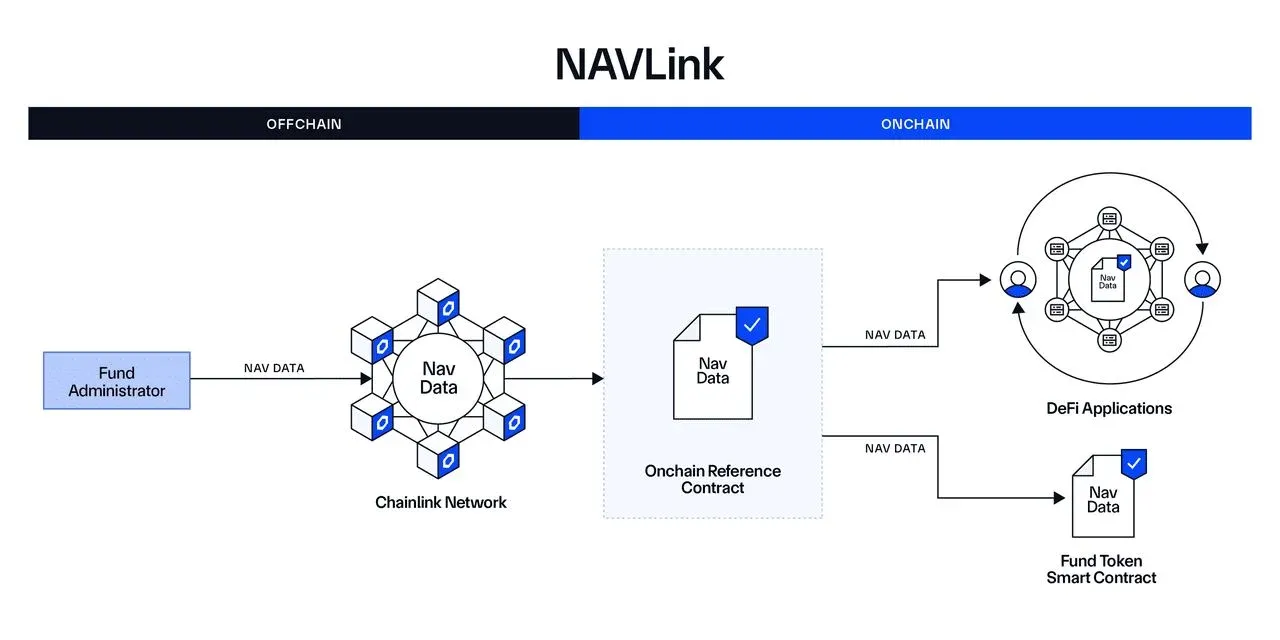
Chainlink supplies decentralized oracles that feed price, Net Asset Value (NAV) and reserve‑verification data to RWA token projects. Its Reserve Proof module continuously audits off‑chain assets, keeping bond and commodity fund tokens transparent and compliant on‑chain.
4. Plume (PLUME)
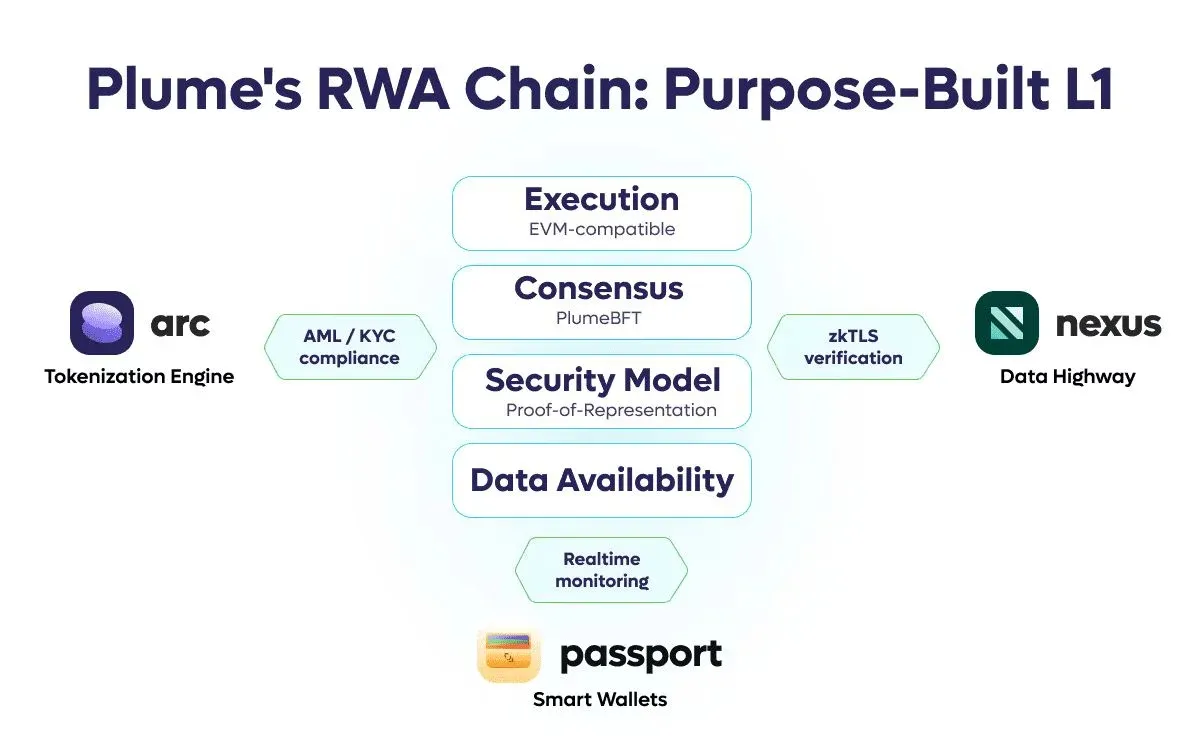
Plume has built a native liquidity layer purpose‑designed for RWAs, supporting tokenized real‑estate and accounts‑receivable financing. To date the platform has amassed over 18 million unique addresses and approximately $4 billion in assets spread across 180+ protocols. Token holders can participate in governance through a DAO, and an upcoming airdrop will reward early contributors.
5. XDC Network (XDC)
XDC Network is an EVM‑compatible hybrid public‑private chain focused on enterprise trade finance and commodity tokenization. It processes more than 2 000 transactions per second with gas fees around $0.00013, making it suitable for high‑frequency RWA use cases such as tokenized U.S. Treasury (USTY) and trade receivables. By integrating ISO 20022 payment channels and bridges to Corda/Wanchain, XDC enables seamless interaction with traditional banking systems and offers on‑chain custody modules for automated settlement.
6. Tether Gold (XAUT)
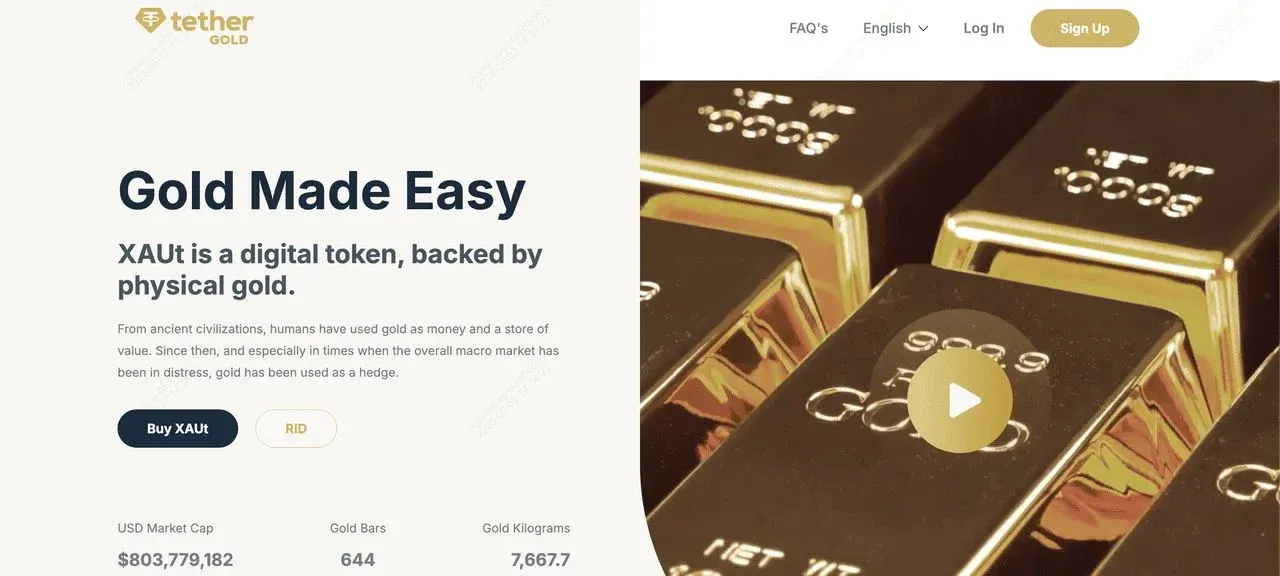
XAUT is a digital gold token backed 1:1 by physical gold bars stored in a Swiss vault, with a market cap exceeding $807 million, equivalent to 644 bars (≈ 7,667.7 kg). Its smart contract enables instant minting and burning, and cross‑chain bridges make XAUT available on Ethereum, BSC, Tron and other ecosystems.
7. Pendle (PENDLE)
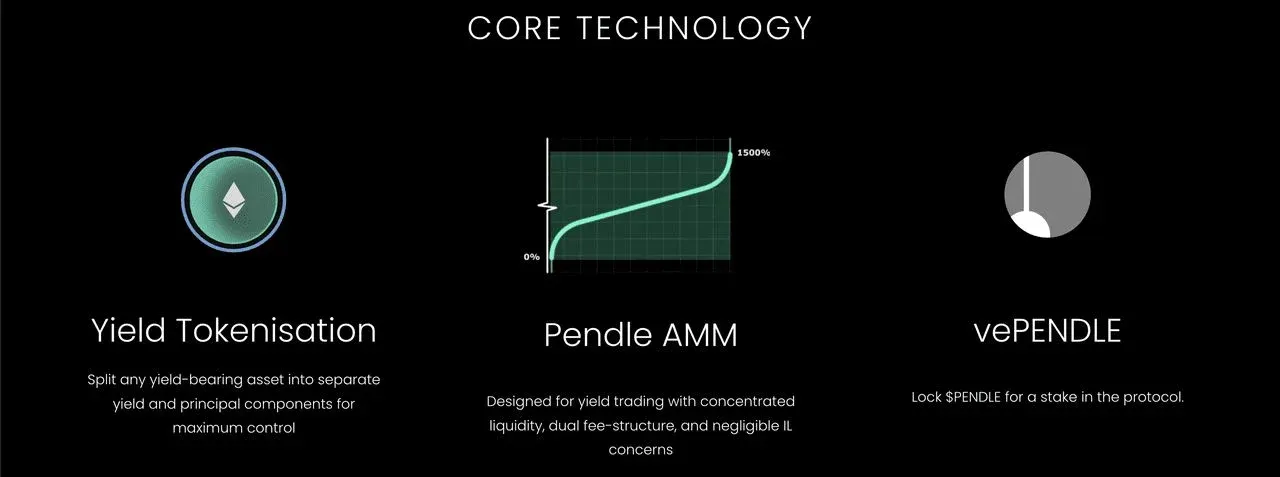
Pendle decomposes bonds into Principal Tokens (PT) and Yield Tokens (YT), allowing secondary‑market trading of future interest streams. Holders of PT receive the fixed principal repayment, while YT can be bought or sold on the Pendle market to capture yield fluctuations. The protocol also offers leverage tools and operates across Ethereum, Arbitrum, BNB Chain and Optimism with cross‑chain compatibility.
8. Ethena USDe (USDE)
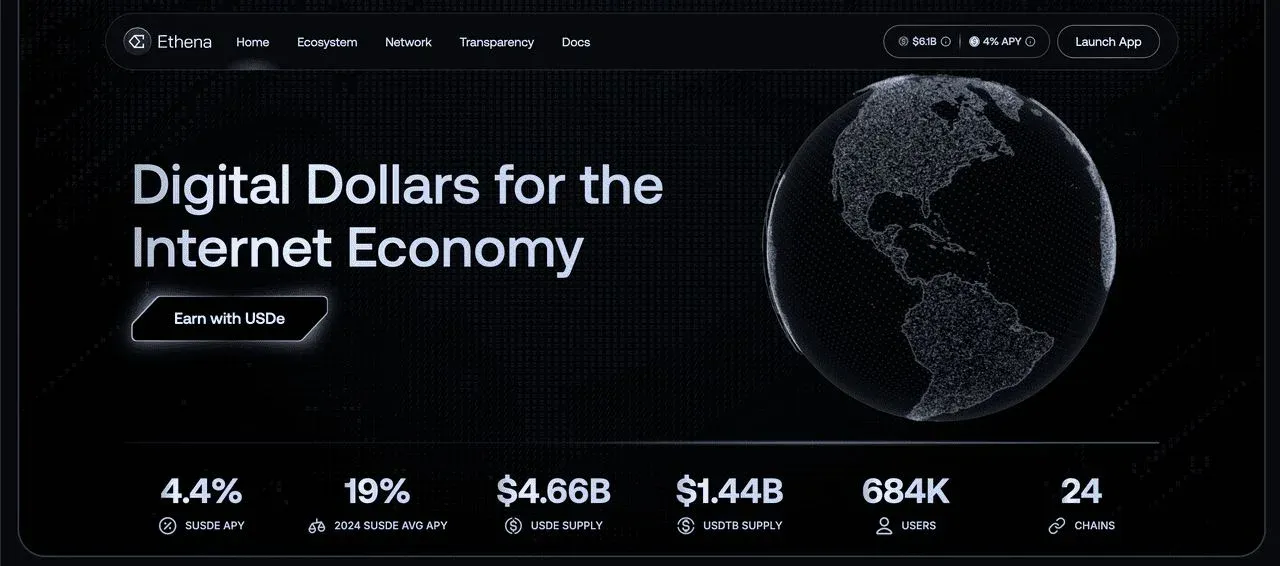
USDe is a dual‑token synthetic‑USD system backed by over‑collateralized short‑term U.S. Treasuries and stable‑coin reserves. The protocol consistently maintains a >100 % collateralization ratio; users lock eligible assets to mint USDe, then stake them into sUSDe to earn roughly 4 % annual yield. A dynamic fee model and weekly third‑party reserve reports help preserve the peg.
9. Polymesh (POLYX)
Polymesh is a permissioned blockchain built expressly for security‑token issuance, embedding identity verification, compliance modules and a KYC/AML SDK. Issuers can onboard regulated assets such as equities or debt within minutes; on‑chain governance and settlement layers automatically enforce compliance checks, reducing reliance on external smart contracts.
10. Hashnote USYC
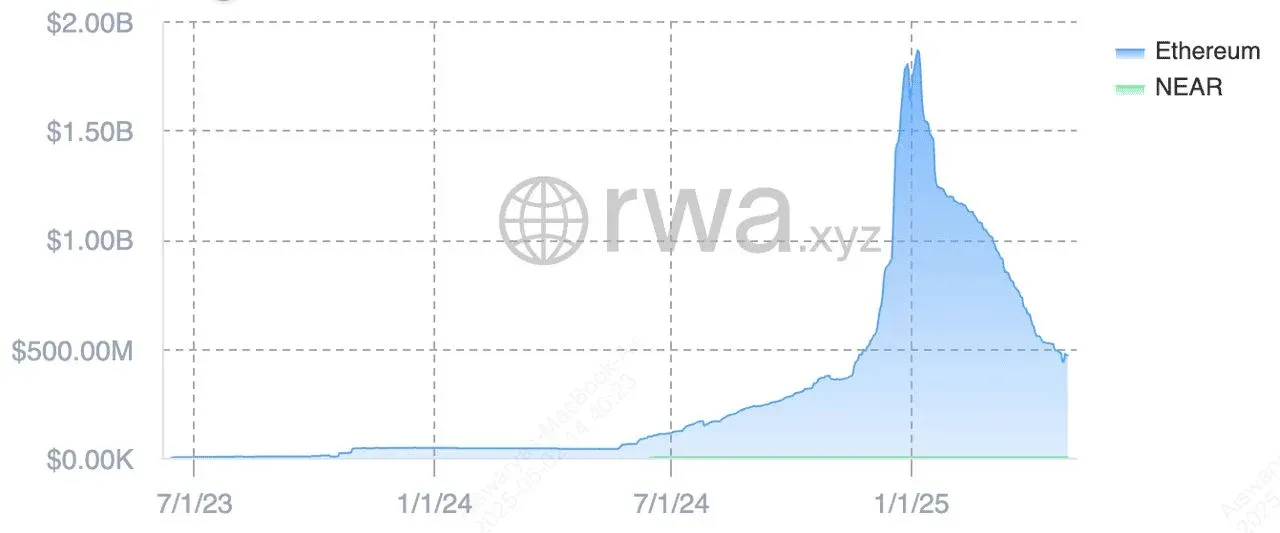
USYC tokenizes short‑term yield funds that hold U.S. Treasuries and reverse‑repo assets, maintaining a 1:1 backing for a stable, income‑focused coin. Issued by a regulated Circle subsidiary and operated under a Cayman‑based fund structure, USYC offers 24/7 atomic subscription and redemption, compatibility with USDC/USDT, third‑party audits and institutional‑grade custody.
---
Key Due‑Diligence Checklist Before Investing in RWA Tokens
Before allocating capital, conduct a thorough assessment of the following factors:
- Regulatory compliance – Verify that the issuer holds the necessary licences (e.g., Hong Kong SFC, U.S. MSB, SEC registration) and adheres to local regulatory requirements.
- Audit transparency – Review third‑party reserve attestations and smart‑contract security audit reports to confirm asset authenticity and code safety.
- Asset holding structure – Ensure real‑estate is owned via a legitimate SPV or trust, bonds are backed by a recognised custodian, and precious metals are accompanied by vault receipts.
- Yield vs. risk profile – Understand the source of token returns (rent, dividends, coupon payments), examine lock‑up periods, redemption windows and fee schedules. Higher yields often come with longer lock‑ups or reduced liquidity.
Tax reminder: Gains from the sale or exchange of crypto‑based tokens may be taxable in your jurisdiction. Consult a qualified tax professional to understand local obligations.
---
Conclusion
RWA tokenization marries the stability of traditional finance with the efficiency and openness of decentralized finance, opening a new frontier for portfolio diversification. Nevertheless, smart‑contract vulnerabilities, shifting regulatory landscapes and liquidity constraints remain material risks. Prior to investing, complete comprehensive due‑diligence: verify audit reports, confirm legal structures, understand lock‑up terms, and outline a clear exit strategy. Staying informed about industry developments and maintaining a diversified asset mix will help you navigate this fast‑evolving market with confidence.
This article ends here. For deeper dives into individual RWA projects, refer to previous Bitaigen (Bitagene) coverage or the related links below. Thank you for your continued interest and support!
Related Reading
💡 Register on Binance with referral code B2345 for the maximum trading fee discount. See Binance complete guide.
⚠️ Risk Disclaimer: Crypto prices are highly volatile. This is not investment advice.



